
How to Host a Galentine's Mahjong Party
Last updated: Nov 23, 2026
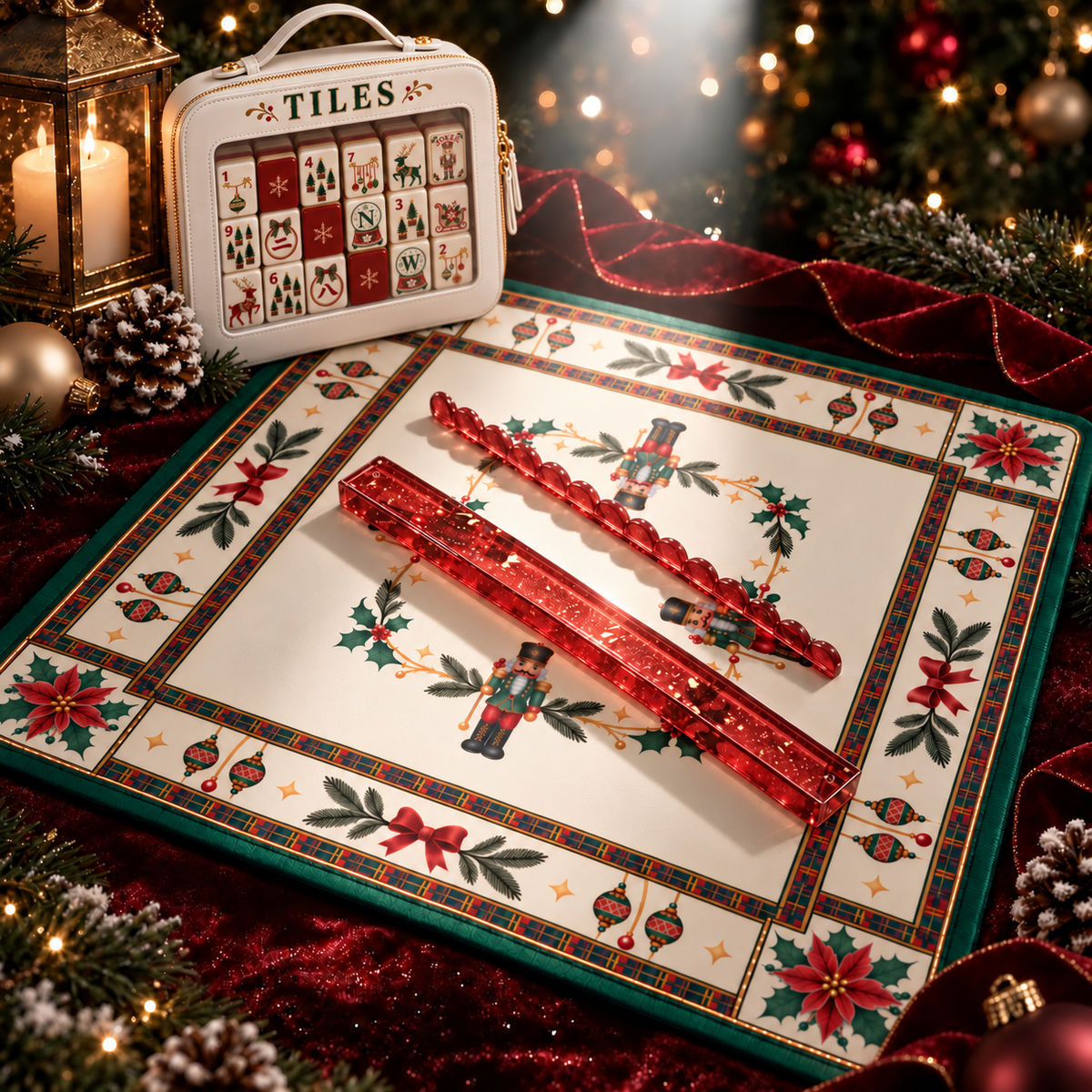
A Galentine's mahjong party is a casual, social gathering (usually 4 players, 2–3 hours) centered on the game with wine, snacks, and laughter instead of competition. Timing: gather for 30 minutes of casual intro or Charleston, play 2–4 hands (60–90 minutes), then eat and chat. What you need: one American mahjong set (152 tiles plus 8 jokers), a mat to protect the surface, racks if players want them, and the current National Mah Jongg League card so everyone can play legal hands. Cost starts low; Mahstead's best-selling sets range widely and ship free across the US. The biggest mistake: inviting players who don't know the rules without a 15-minute walkthrough first. Solution: send a short "how to play" note two days before, or pick up a teaching game where you play open-handed your first round.
Who Should You Invite to Make It Work?
Ideal guests are four people: at least two who know the game, and two beginners or rusty players. Mixed skill levels work beautifully because experienced players can coach without dominating. Avoid inviting six or eight—only four play at once, and sideliners get bored. If you have more than four, plan two simultaneous tables or rotate winners; appoint a non-player scorekeeper so games keep moving. The sweet spot: three friends who've played before plus one curious newcomer, or four players at roughly the same level learning together.
What Table Space and Gear Do You Actually Need?
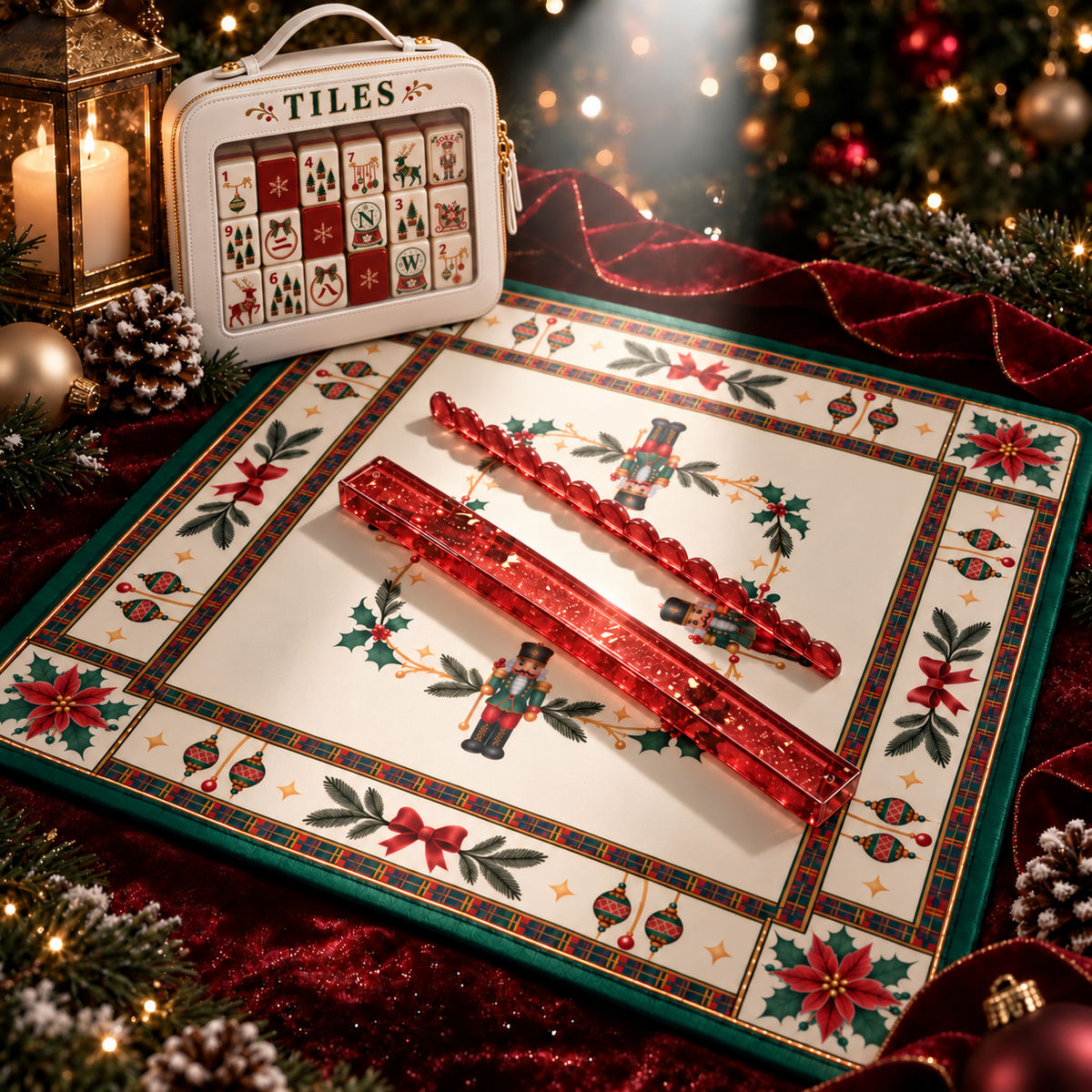
You need a 36–48-inch square table (a dining table works perfectly) and a mahjong mat to protect it and define the wall. Mats prevent tile scratches, muffle noise, and anchor the game psychologically—they signal "this is serious fun." One set per table covers everything: a 160-tile acrylic set in a clear case makes setup instant. Racks with pushers are optional but beloved: they let players organize tiles cleanly and hide their hands. A score pad, pen, and printed copy of the current National Mah Jongg League card complete the kit. You don't need dice if all players know how to count seats; real players skip them for speed.
How Do You Teach New Players Fast?
Spend 15 minutes before the first hand. Show the tile anatomy (three suits, winds, dragons, flowers, and jokers—no sequences allowed in American mahjong). Teach the Charleston (tile-passing ritual) as a game in itself. Play the first hand completely open, with your tiles face-up so everyone watches the logic: discard, wait, call, build. Don't discuss strategy yet. After hand one, brief the rules of winning (must match the current card), explain the joker rule (jokers substitute for any tile in a pung, kong, or quint—never a pair or single), and mention the penalty for a wrong call. Then play normally. Rusty players pick up the rhythm by hand two. New players by hand three. This beats lecturing for an hour beforehand.
What's the Perfect Host-Gift Mahjong Set for Galentine's?
The ideal set balances beauty, durability, and personality. Acrylic sets ship safely and photograph well when guests see them. Mahstead's engraved mahjong titles let you customize with a year, inside joke, or friend names—a Galentine's set can say "Love & Mahjong" or the year. Acrylic tiles are louder than bone (satisfying click when you build the wall), cleaner than wood, and last for decades. A set with a mat and racks bundled together saves shopping and shows thoughtfulness. If you're the host and a player, keep a spare set on hand: tiles crack (rare), jokers get lost, and a backup turns a disaster into no drama.
Set Type | Best For | Why It Works for Galentine's |
Acrylic, solid color with custom engraving | First-time hosts or long-term friends | Personal, durable, ships safely, easy to personalize |
Acrylic, classic tournament colors | Serious or returning players | Neutral, professional, pairs with any mat |
Acrylic set + mat bundle | Gift-giver or new player | Complete setup, no guessing, one-stop shop |
Acrylic + racks + case combo | Host who plays + wants premium feel | Organized, impressive presentation, shows you care |
How Do You Actually Run a Smooth Galentine's Game Night?
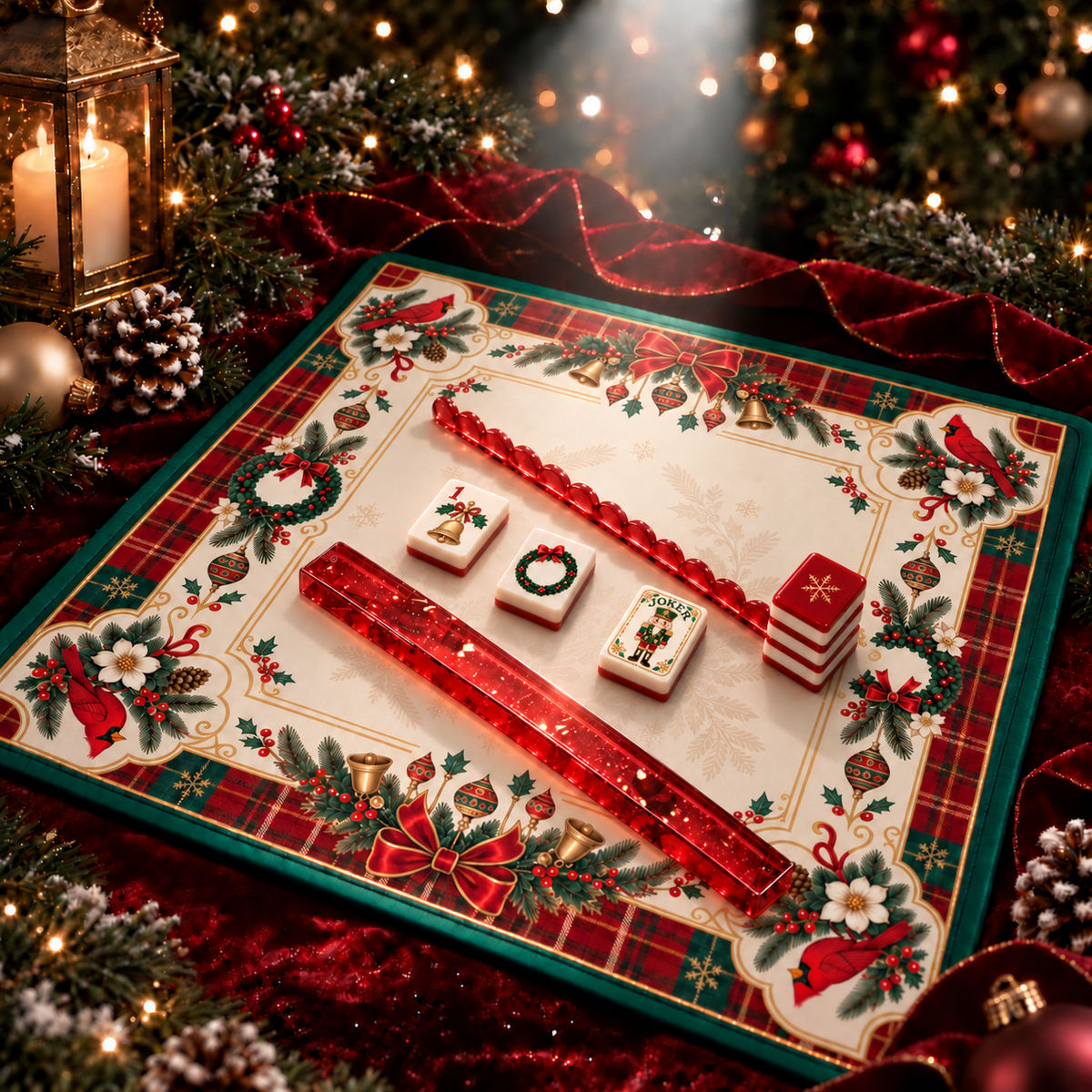
Structure beats chaos. Gather 30 minutes before the first hand: intro, bathroom break, drinks, snacks on the side table. Seat players at the table (doesn't matter who sits where for friendly games). Shuffle and build the wall together, do the Charleston. Deal the first hand and play one open (host plays the hand, explains every call, keeps it light). After hand one, go around the table so each player wins at least once—this builds confidence and keeps energy high. Play 3–4 hands total (about 90 minutes). No need to keep formal score unless players ask; friendly games skip scoring. Wrap at 3 hours so people leave happy, not tired. Serve food and wine between hands, not during, so tiles stay clean.
What Common Mistakes Kill the Vibe?
Mistake 1: Not printing the card. Every player needs a copy of the current National Mah Jongg League card in front of them. Players studying it beats you explaining hands over and over. Cost: one piece of paper per player.
Mistake 2: Picking a set that feels cheap. Plastic tiles that clatter and chip hurt the experience. Acrylic feels premium, sounds good, and lasts—invest here.
Mistake 3: Starting with an advanced rule. Don't teach exposure penalties, robbing, or dead walls on day one. Teach call order and basic winning only. Advanced rules live in hand three.
Mistake 4: Inviting six if you own one set. Players sitting out will text. Two tables or rotation only.
Mistake 5: Serving food over the tiles. Wine and guacamole end friendships. Use a mahjong bag or case to secure tiles, move the game to a side table for snacks, or impose a strict "no eating at the table" rule.
🀄 Shop best-selling mahjong sets →
What to Check Before You Buy
Tile material: Acrylic is durable and safe to ship; wood and bone are prettier but heavier and fragile.
Set completeness: Confirm it's 160 tiles (152 playing + 8 jokers)—enough for one table.
Mat included? If not, factor in a mat separately; a bare set on a wooden table sounds hollow and scratches tiles.
Racks optional? Don't assume they come with the set; check the product page.
Shipping: Mahstead ships free across the US; check the estimated delivery window if your party is within two weeks.
Case or bag: If you're hosting regularly or gifting to a friend, a protective case keeps tiles safe long-term.
🎁 See our most-loved mahjong sets & accessories →
Why a Mahstead Set Works for Galentine's
We host weekly games and we've tested sets that chip, fade, and rattle. Mahstead's acrylic sets arrive intact (packed well), the tiles feel weighted, and custom engravings turn a set into a keepsake. A Galentine's party with a beautiful, personalized set tells your guests: "I planned this for you." That matters more than the game score.
✨ Find your Mahstead set — free US shipping →

FAQ
Can you host a mahjong party if you're not an expert player?
Yes. Invite one experienced player as your co-host; they coach while you focus on food, music, and flow. Your job is creating the space, not winning hands.
What's the minimum number of people to host a mahjong party?
Four. American mahjong needs exactly four players. Fewer, and the game doesn't work. More, and you need two tables or a rotation system.
How long does a Galentine's mahjong party take?
2–3 hours total: 30 minutes of setup and intro, 60–90 minutes of play (3–4 hands), and 30 minutes of wind-down, snacks, and chat.
What if someone wants to play but doesn't know the rules?
Teach the basics 15 minutes before: tile types, Charleston, legal hands, joker rules. Play the first hand completely open. By hand two, they're comfortable. By hand three, they're playing normally.
Should I get a mat if I already have a table?
Yes. Mats protect tiles from scratches, muffle noise, and define the playing space psychologically. They make a huge difference in how the game feels and how long your set lasts.
Can I use racks and pushers, or are they just for serious players?
Racks are for anyone who wants organized hands and privacy. They're optional but beloved at casual games because they keep the table tidy and let newer players focus on choosing their best discard instead of remembering what's in their hand.


View More
View More
View More
