
Mahjong Dice Buying Guide: Size, Material & Table Pick
Last updated: Nov 23, 2026
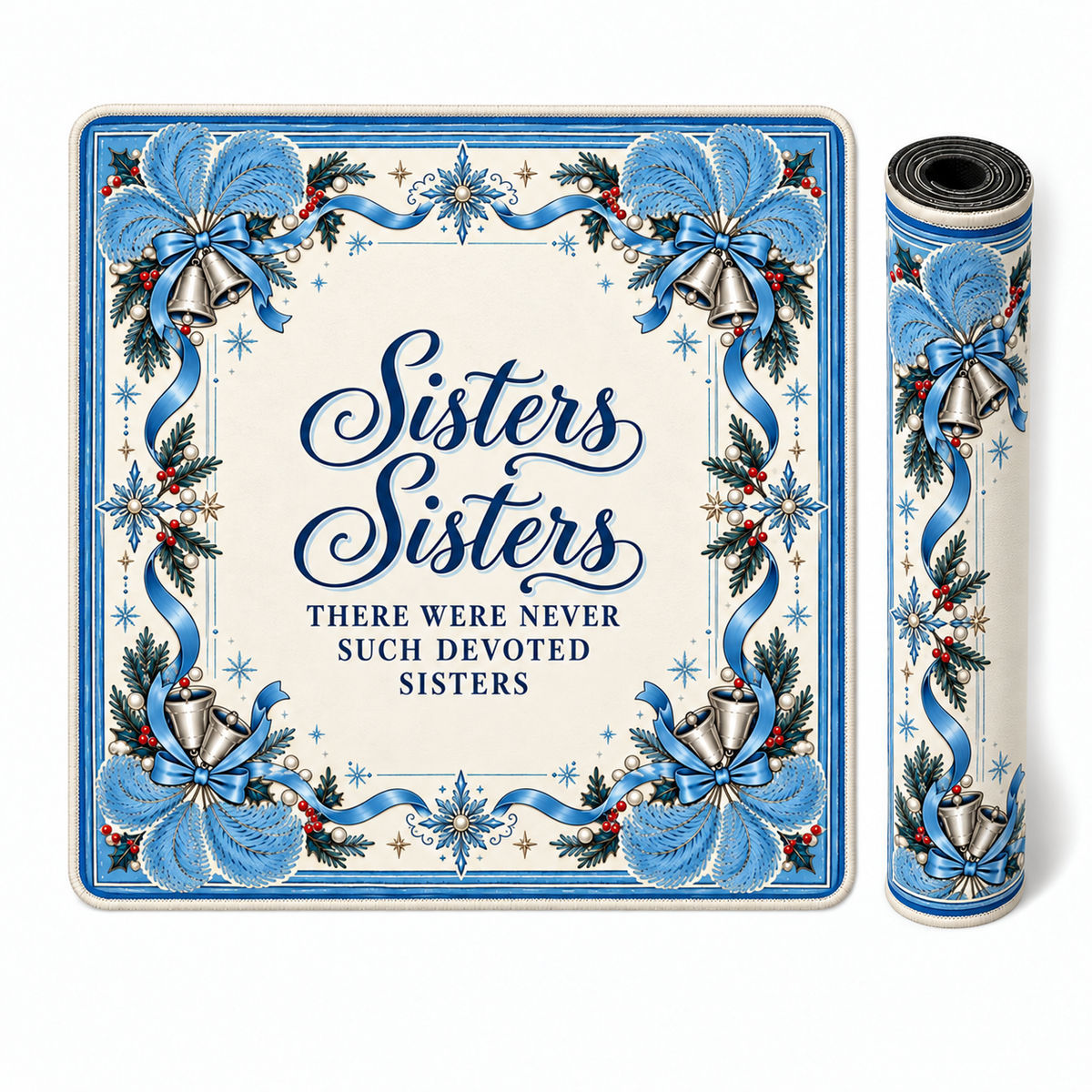
Mahjong dice set the pace of your game. American mahjong uses a pair of standard six-sided dice (marked 1–6) to randomize the dealer seat and initial draw. You'll roll them before each hand starts to determine which wall gets broken and how deep into the wall you pull tiles. Dice come in acrylic, plastic, wood, resin, and novelty finishes—sizes range from half-inch to one inch, with acrylic and wood the most durable for weekly play. What matters most: dots must stay clear under table light, corners must not chip after hundreds of rolls, and size must match your hand and mat scale. Novelty dice (with themed engravings) work just as well functionally and make your best-selling collection feel more personal, but they cost a bit more and require gentler handling. Most players buy dice as part of a full set rather than alone; if replacing worn dice, measure the old pair first to ensure the new ones fit your existing racks and storage.
Why does dice size matter for your table setup?
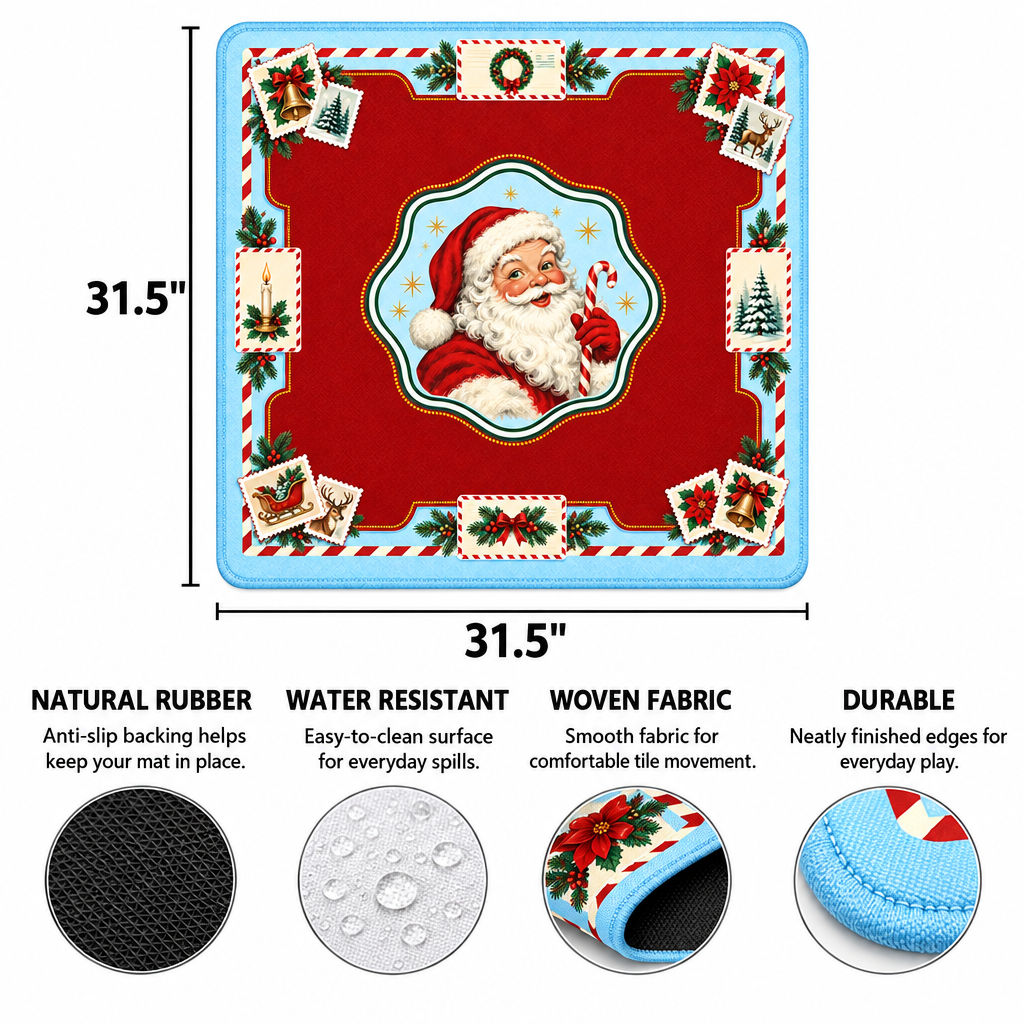
Dice size affects ergonomics, visibility, and how your mat layout feels. Small dice (under half-inch) can roll off the table or disappear into tile gaps; oversized dice (over one inch) look cartoonish and slow down the rolling ritual. Standard half-inch to five-eighths-inch dice are comfortable to hold and roll, stack neatly in tile racks when not in use, and remain visible from all four seats. If your mat is compact or you host on a small card table, smaller dice keep the wall-drawing area proportional; if you play on a full-size mahjong table or a dining table with plenty of space, medium dice read better across the table. Measure your existing mat's designated dice pocket (if it has one) before ordering new dice—this ensures they fit snugly and won't slide loose during transport.
🀄 Shop best-selling mahjong sets →
What material holds up longest in a weekly game?
Acrylic and wood are your workhorses; plastic cracks, and cheap resin can cloud over time. Acrylic dice are injection-molded, durable through years of rolling, resistant to moisture and humidity swings, and easy to clean with a damp cloth. Wood dice feel premium, have a satisfying sound when they land, and develop character (minor scuffs don't ruin them), but they can warp if stored in damp environments or near heating vents. Resin and novelty options (engraved epoxy, for example) look stunning at first—gorgeous colors, custom designs—but are softer than acrylic or wood, so dots can fade and edges can chip if dropped. For a casual monthly game, any material works; for weekly or twice-weekly play, acrylic or wood earn their cost back through longevity. Store all dice in a cool, dry place, and avoid leaving them in car trunks during temperature swings.
How do you pick dice that match your mahjong set's style?
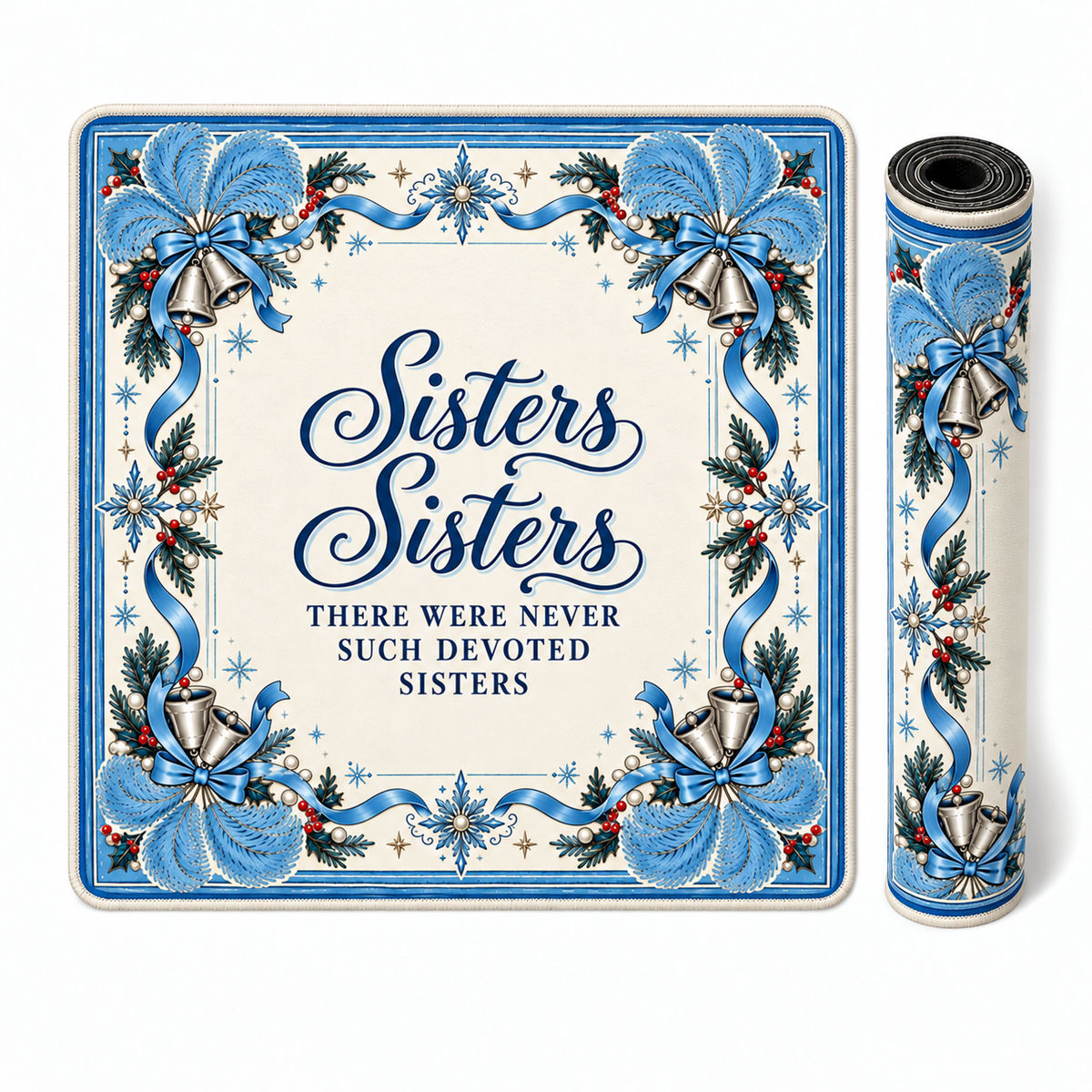
Dice should complement, not compete with, your tiles and mat. If your set is engraved with personalization (initials, a year, a phrase), matching engraved dice tie the whole package together and make hosting feel intentional. Clear acrylic dice with traditional numbering work with any aesthetic—they're invisible enough that the tiles and mat become the focal point. Colored acrylic dice (jade green, cherry red, navy) pair well with thematic mats; novelty dice (with small icons, metallic flecks, or custom scenes) suit players who treat the set as a conversation piece. The safest play: choose dice in the same finish family as your set's material, or go neutral acrylic. If you've bought tiles from our best-selling collection, browse the matching dice options to see how they photograph and feel together.
Do all mahjong games use the same dice rules?
American mahjong alone uses a pair of standard six-sided dice; other variants differ. Chinese and Hong Kong mahjong roll dice to determine the start of play but sometimes use three dice to set the breakpoint deeper into the wall. Riichi (Japanese mahjong) uses two six-sided dice for similar setup purposes. Taiwanese mahjong has its own draw sequence that doesn't always involve dice. If you play multiple variants at your table or plan to teach newcomers, stick with traditional two-die American sets—they're the baseline. Some players keep a spare pair of dice in their mahjong bag in case one breaks mid-game; if you travel to play at different venues (clubs, relatives' houses), this backup habit saves a lot of frustration.
What's the practical checklist before you buy dice?
Use this before ordering: (1) Measure your current dice or the dice pocket on your mat. (2) Count how many sets of dice you own and use per month—if you host weekly, having two pairs (one in play, one resting in storage) cuts wear. (3) Check the finish of your tiles and mat—match or go neutral acrylic. (4) Confirm the dice ship with your set or need to be ordered separately; many complete best-selling sets include dice, but verify. (5) If replacing damaged dice, order the same size and material to avoid surprises. (6) Read the product photos carefully—novelty and engraved dice may have small text that looks nice in photos but blurs up close under table lighting. (7) Test-roll a borrowed pair at a friend's game if you're unsure of size or feel.
Dice Type | Best For | Price Range | Durability | Why Pick It |
Clear acrylic, standard dots | Daily players, beginners | See product page | Excellent, 5+ years | Invisible, works with any set |
Colored acrylic | Themed sets, decorative | See product page | Excellent, 5+ years | Matches color palettes |
Wood, stained or natural | Weekly casual games | See product page | Good, 3–4 years | Premium feel, authentic aesthetic |
Engraved acrylic or resin | Personalized sets, gifts | See product page | Good, 2–3 years | Unique, memorable, conversation starter |
Novelty (themed, metallic) | Occasional, display | See product page | Fair, 1–2 years | Fun, visually striking, softer material |
🎁 See our most-loved mahjong sets & accessories →
What to check before you buy
Dot clarity. Hold the dice to light; dots must be sharp and dark enough to read from arm's length while seated.
Corner condition. Feel the corners gently—no cracks, chips, or rough edges that will snag on your mat or tile racks.
Shipping protection. Dice ship loose or in a small bag; make sure your order includes packaging that prevents them from rolling loose in the box.
Size consistency. Both dice in a pair must be identical in width and weight—an asymmetrical pair will roll differently and slow your game.
Grip feel. If possible, hold a sample or compare photos; some players prefer slightly textured surfaces, others like smooth acrylic.
Storage fit. Confirm they fit your existing racks or bags; a half-inch difference in dimensions changes how dice sit in the pocket.
We ship all dice with free US shipping, so factor in zero freight cost when comparing options. If you're buying a full set for the first time, explore our best-selling collection to see which complete sets include dice and how they're bundled. For replacements or upgrades, buy separately and test them with your existing tiles before committing to a second pair.
✨ Find your Mahstead set — free US shipping →
FAQ
Can I use casino or game-night dice instead of mahjong dice?
Yes. Any standard pair of six-sided dice works for American mahjong. Mahjong dice exist mainly for aesthetic continuity and durability under repeated rolling. If you're starting out or testing the game, reuse dice you already own; when you upgrade your set or host regularly, switch to quality acrylic or wood to avoid chipping.
Do engraved dice roll fairly, or does the design affect the odds?
Engraved or painted surfaces are thin enough (usually under 0.005 inches per side) that they don't shift the weight distribution meaningfully. Fair rolling depends on symmetry and balanced mass inside the die, not on surface art. Quality dice from Mahstead are weighted uniformly regardless of finish.
How often do I need to replace mahjong dice?
With weekly play and careful storage, acrylic or wood dice last 3–5 years. Plastic and cheaper resin degrade faster (1–2 years). If you roll on rough surfaces or drop them frequently, replacement comes sooner. Most players buy backup dice before their main pair fails, so there's no downtime at the table.
Should I buy dice separately or as part of a full mahjong set?
Buy as part of a set if you're new or hosting for the first time—everything matches, and bundled pricing is better. Buy separately if you're replacing worn dice or personalizing an existing collection. Check the product description to confirm whether dice are included in the set you're considering.
What's the difference between two dice and three dice in mahjong?
American mahjong uses exactly two standard six-sided dice. Some Asian variants (Chinese, Hong Kong) occasionally use three dice to set a deeper breakpoint in the wall. Stick with two dice unless you're playing a multi-variant game with house rules—in that case, ask your group which method they use and adjust before play starts.


View More
View More
View More
