
Kentucky Derby Mahjong Party Food: Pairing Bites with Tiles
Last updated: Nov 23, 2026
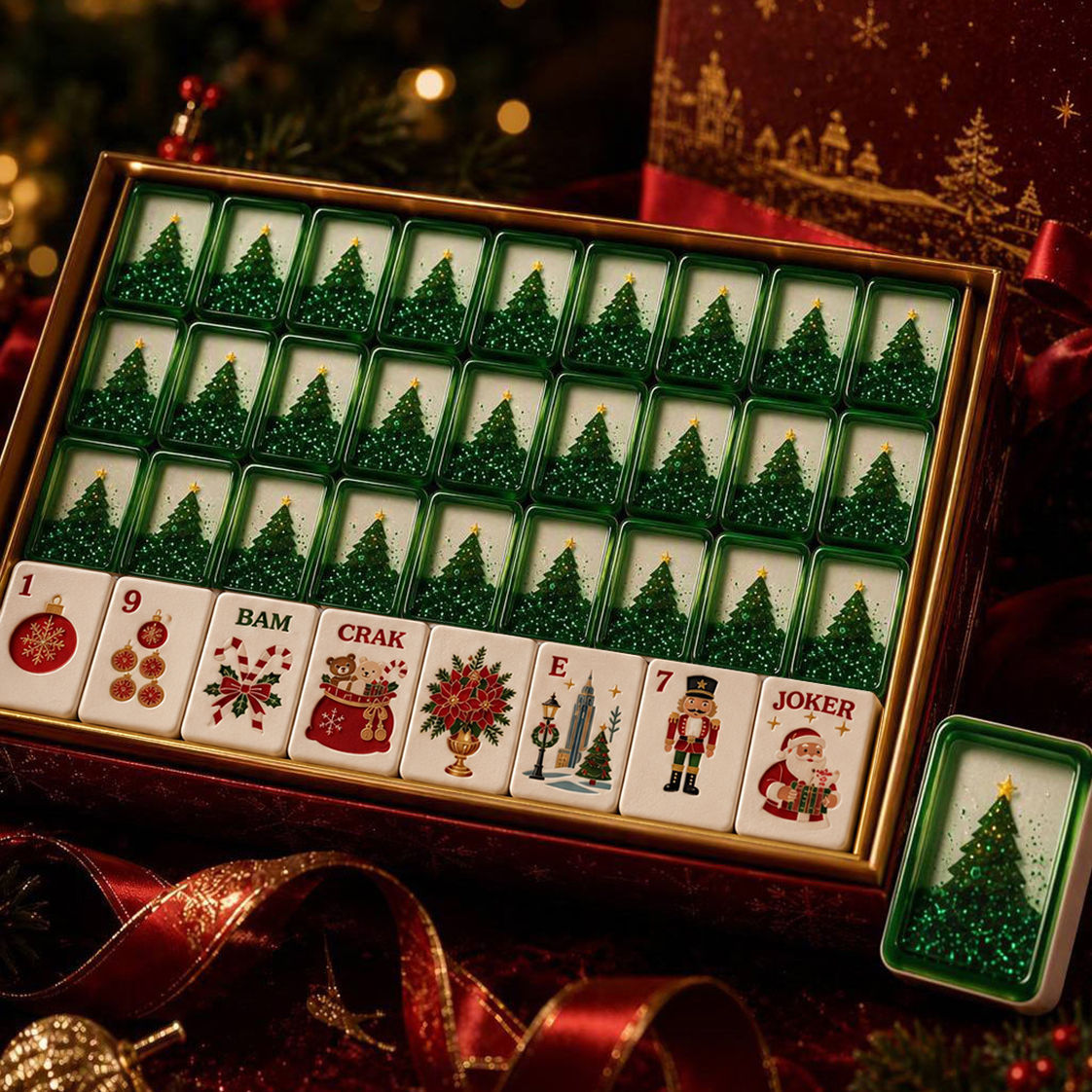
Kentucky Derby mahjong party food succeeds when you anchor it to four principles: finger foods that don't stain tiles, a drink station separate from the playing area, timing that respects game flow, and Southern classics that fit the Derby theme. Think pulled pork sliders, bourbon-soaked pecan pie bites, deviled eggs, and a mint julep bar you set up 3–4 feet from the table. Skip anything with red sauce, sticky caramel, or whole fruits that roll. For a four-player game lasting 1.5–2.5 hours, plan light appetizers during the Charleston and between rounds; serve the main spread once players have called their hands. Mahstead sets ship with tile racks and a quality mat—both protect your tiles from spills, so invest in a mat cover or runner as your first line of defense.
A Kentucky Derby mahjong party is an excuse to blend two beloved American traditions: the afternoon of racing, pageantry, and mint juleps, and a competitive, skill-driven game that demands focus and a clear table. We've learned, over many seasons of hosting games on Derby weekend, that the food and the game work best when they're designed around each other—not just thrown together. This guide walks you through exactly what works, what fails, and how to set your table so everyone plays hard and eats well.
Why separate food stations from tile tables?
A mahjong game moves fast once the Charleston ends. Players draw, discard, call, expose tiles, and pass. If snacks sit within arm's reach of the wall, someone's bourbon-sticky hand will touch a Bam, a Crak rolls into the hummus, and the whole hand is compromised. Worse, you'll waste 10 minutes arguing over which tile is which. Keep the eating zone 3–4 feet away—a side table, console, or even a standing counter behind the players. Players grab a bite on their turn to discard or between hands when tiles are being reset. This single change cuts spill damage by 80% and keeps your best-selling mahjong sets pristine.

What flavors and bites actually work?
Southern mahjong players expect pimento cheese, deviled eggs, and bourbon-anything on Derby day. But we stick to foods that don't create fingerprints on tiles. Pulled pork sliders with a napkin tucked under? Perfect. Bourbon-soaked pecan pie bites (2 bites, tray-passed, eaten whole)? Yes. Cheese straws, which are dry and crumbly? Excellent. Mint juleps in a dedicated bar with small cups and napkins? Absolutely. The foods that fail: anything with red sauce (marinara, barbeque sauce, hot sauce—they stain acrylic), sticky caramel or honey-glazed items, whole berries that roll, and any dip with a runny base. A shrimp cocktail sauce might seem classy until someone's thumbnail gets pink and they smudge a tile. Skip it. Instead, offer boiled shrimp on a pick, served from a station where players stand and eat, not at the table. Focus on cheese, cured meats, nuts, pastries, and dry or contained sauces (like a dab of pimiento cheese on a cracker, not a bowl that stays at the table).
🀄 Shop best-selling mahjong sets →
How do you time the meal around game rounds?
A typical American mahjong game plays four hands, each lasting 15–25 minutes depending on skill and tile luck. Between each hand, tiles are collected, the wall is reset, and the next dealer is determined—usually a 3–5 minute pause. This is when you want people eating, not during active play. Offer light, grab-and-go bites (cheese straws, nuts, sliders, deviled eggs) during these breaks and during the Charleston (the pre-game tile-passing ritual that sets up the hands). Save the heavier bites—warm items like cheese dip served in a slow cooker, or a small charcuterie refresh—for the meal break after hands two and three, or after the final hand if your group is evening-focused. Drinks stay constant: a self-service mint julep bar or pitcher of cocktails at the station so no one carries liquid near tiles. The rhythm is: food during Charleston and between hands, serious play with water bottles only, and a full dessert or snack refresh once tiles are packed away.
What's the comparison between hosting styles?
Hosting Style | Meal Timing | Drinks | Cleanup Risk | Best For |
Formal (dinner first, then play) | Eat before Charleston, play on empty | Full bar before game | Very low | Groups who want zero distraction mid-game |
Casual (grazing throughout) | Station snacks during breaks | Drinks at separate bar | Medium | Relaxed groups, afternoon play |
Themed/Derby focus | Light bites during play, full spread after last hand | Mint julep station, champagne | Low if station is far | Players who prioritize theme and social |
Tournament-style | Minimal—water/mints only during play; snacks after | Water only during tiles | Minimal | Serious competitive players |
The formal style works best if your group has 1.5–2 hours and wants zero tile-related incidents. Casual grazing is our preference for Saturday afternoon games: people move, snack when they want, and the separation means tiles stay safe. Derby-themed is perfect if you're celebrating the race outcome mid-game (watch on a screen away from the table, then return to tiles).

What protective gear keeps food away from tiles?
A mahjong mat is non-negotiable for any party. It defines the play zone and makes it clear to guests where the game is—and isn't. Add a mat runner or tablecloth on the wall side to catch crumbs and spills before they reach tiles. Use mahjong racks with pushers—they keep your hand upright and organized, so you're less likely to lean into the table or set a drink on the mat edge. Tile cases or bags aren't just for transport; keep a dedicated bag under the table for any tile that gets sticky or needs a quick wipe. Station trash and napkins at the food table, not at the play table. The final move: ask guests to wipe their hands before returning to the table after eating. No judgment, just a box of wet wipes and a gentle "tiles are precious."
🎁 See our most-loved mahjong sets & accessories →
What should you check before you buy food for a mahjong Derby day?
Before you plan the menu, answer these four questions:
How many guests? Four players at one table need 6–8 small bites per person over 2 hours. Two tables need double. A grazing station is easier to scale than plated service.
Do you have a separate food table? If the play table is in the center of a room, can you place a buffet 4+ feet away? If space is tight, stick to passed trays and a drinks station only.
What's your group's pace? Competitive players move fast and won't want distraction. Social groups like to chat and snack. Time your food offer accordingly.
Are you playing the current year's hands? Download the 2026 National Mah Jongg League card and make sure everyone has a copy before the game. Hungry brains read the card slower.
How do you handle drinks without damaging tiles?
Mint juleps in a Derby-themed mahjong game are iconic, but a sweating silver cup or tumbler left on the mat edge is a spill waiting to happen. Establish a hard rule: all drinks stay at the food station or on a side table, never on the play table. If a guest insists on a drink nearby, provide a coaster-locked cup holder or small side table just outside the mat boundary. Use sealed bottles or cups with lids when possible. A tall narrow glass is safer than a wide shallow bowl because it's harder to tip. Water bottles with caps are ideal for between-hand sips. Bourbon, cocktails, and wine belong at the bar, poured just before play resumes or during breaks. The single best move: pass around a water pitcher at the start of the game and let people fill personal bottles that they manage themselves, away from tiles.
✨ Find your Mahstead set — free US shipping →

FAQ
Can I serve red wine or bourbon-soaked food near the table?
No. Red wine and bourbon stain acrylic tiles permanently. Serve them at a distant bar. Any food soaked in red liquid—beets, cherries, red pepper coulis—should be eaten at the station, not carried to the table.
How far should the food station be from the mahjong table?
At least 3–4 feet, and ideally out of direct arm's reach. This prevents guests from multitasking (holding a slider in one hand, drawing a tile with the other). A separate room corner or kitchen counter is ideal.
What happens if someone spills on the tiles mid-game?
Stop play immediately. Wipe tiles with a dry cloth first, then a barely-damp microfiber cloth. Never submerge acrylic tiles. If tiles are sticky or discolored, set them aside and swap in spares if you have a spare set, or note the damage and continue play. Do not resume with wet tiles—they'll stick to others.
Should I set up a separate kids' table with snacks?
Yes, if children are present. Keep their snacks and drinks completely away from the mahjong area. Make the rule clear before play: kids eat at their own table, no exceptions.
Can I serve dim sum or small plates during the game?
Only if served on small plates with napkins tucked underneath and eaten standing at the food station. Never allow guests to return to the table with an open plate. The rule: tiles first, food second, always.
What's the best way to protect a mat from spills?
A mahjong mat is your first line of defense. Add a clear plastic or cloth table runner on the edge nearest the food station. Keep paper towels and a dry cloth within reach for quick cleanup.


View More
View More
View More
