
Jade vs Plastic Mahjong Tiles: Which Should You Buy?
Last updated: Nov 23, 2026
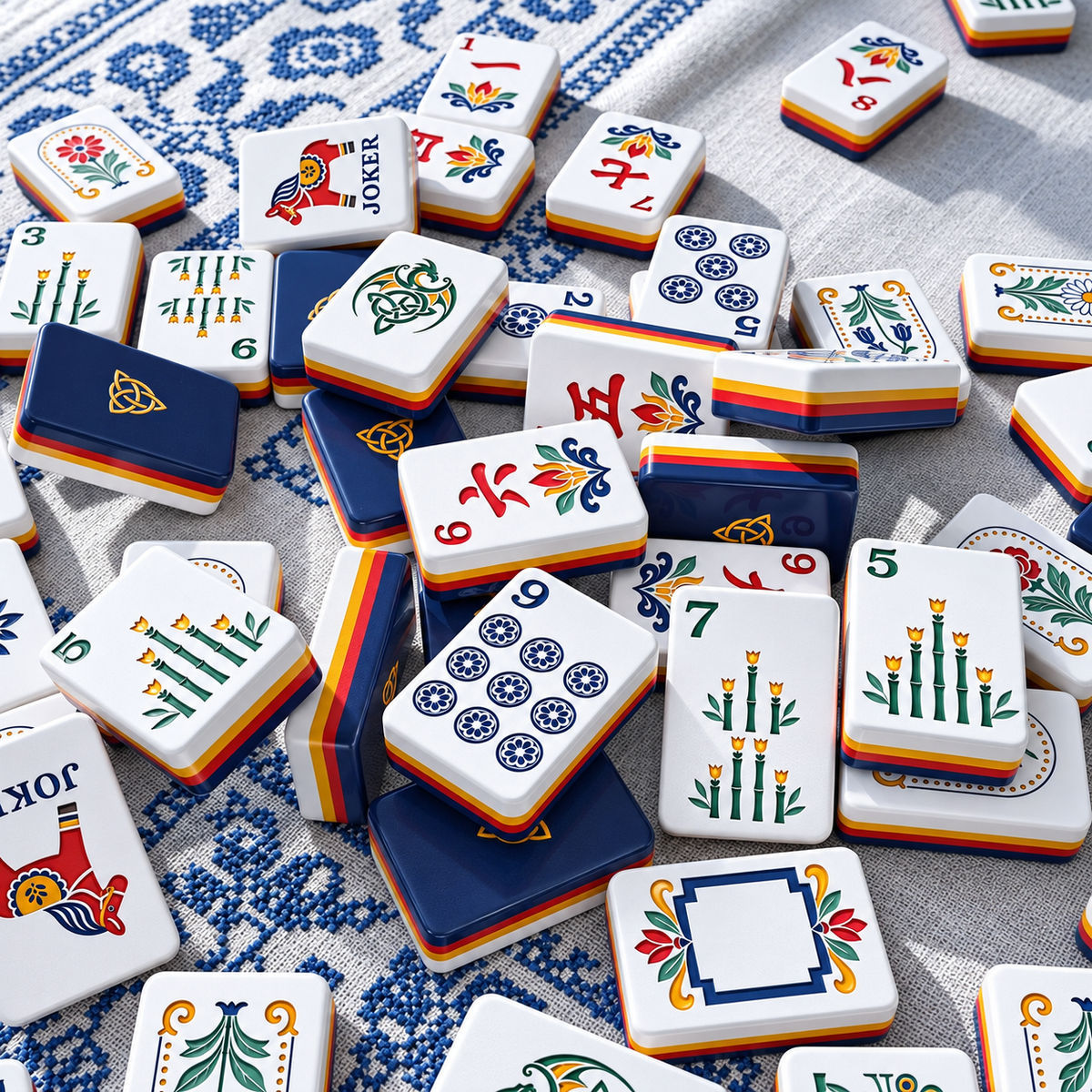
Jade and acrylic (plastic) tiles serve the same game but feel and perform differently. Jade tiles are carved bone or composite stone—heavier, warmer to the touch, and prized for their clack and tradition; they suit players with arthritis who want less clicking, or those seeking heirloom quality. Acrylic tiles are injection-molded polymer—lighter, louder, more colorful, and durable in humid climates; they're ideal for weekly hosts, beginners, and travel. Acrylic sets from our best-selling collection weigh less per tile, pack smaller, and ship free across the US. Jade is pricier upfront but lasts decades; acrylic costs less and suits players who value portability and vibrant graphics. Neither is "better"—match the tile to your hands, space, and game frequency.
Why does jade tile weight matter at the table?
Heavier tiles (jade) demand less finger force to push and manipulate, reducing hand strain during long sessions. Players with arthritis, carpal tunnel, or aging hands often choose jade for this reason—the weight does half the work for you. Lighter tiles (acrylic) suit younger players or those who enjoy snapping and shuffling; the reduced inertia makes rapid mixing and wall-building faster. Weight also affects the shuffle: heavier tiles stay in place longer, slower shuffle speed; lighter tiles tumble faster, which some find tedious and others prefer. Test both if possible at a local game before committing; what feels good after one hand may tire you after four rounds.

What's the true cost difference over time?
Jade tiles cost more initially but spread cost over 20+ years of weekly play; a jade set might cost two to three times more upfront than acrylic. Acrylic sets cost less to buy but may need replacing every 5–10 years due to UV fading, edge chips, or micro-cracks if stacked carelessly. Jade resists fading and edge wear; the only repairs are occasional deep cleaning. If you host one 4-hour game per week, acrylic breaks even in year three; if you play daily or in a humid/sunny room, jade's longevity saves money by year five. Compare our best-selling sets by material to see the range; many players buy acrylic first, then graduate to jade once they know their commitment level.
How do humidity and climate affect tile durability?
Acrylic tiles can warp slightly in high humidity (above 70%) or direct sunlight—the polymer expands unevenly, causing racks to jam or tiles to stick. Jade and bone are hygroscopic; they absorb moisture slowly and can crack if dried too fast after saturation (like leaving them wet, then heating a room). Coastal players and those in tropical climates should store both types in a climate-controlled bag or case; acrylic needs more protection. If you live in a dry climate or always play indoors with AC, either material performs well. A mahjong bag or case shields tiles from humidity swings during transport and storage—essential for acrylic in variable climates.

What visual and sound differences matter to you?
Jade tiles are often cream, tan, or pale green—understated, naturalistic colors; the clack is deep and hollow. Acrylic tiles glow in jewel tones (royal blue, crimson, gold) and are hand-engraved or screened with sharp graphics; the click is higher-pitched and sharper. Experienced players often prefer jade's muted aesthetic and resonant clack—it signals tradition and focus. New players and younger groups enjoy acrylic's bright, modern look and playful sound. Neither affects gameplay, but the ritual and mood differ; if your table values quiet elegance, jade fits. If you prefer loud, visible, celebratory games, acrylic shines. Engraved American mahjong sets offer acrylic in custom designs—perfect for hosting or themed play.
Which is easier to replace tiles if one cracks?
Acrylic tiles are mass-produced with identical molds; finding a replacement from any modern acrylic set (same color and design) is straightforward. Jade tiles are hand-carved or cast in small batches; matching a single replacement tile from a specific jade set bought years ago is difficult—you may need to commission a custom tile or retire the set. If durability-through-replaceability matters to you, acrylic wins; if you want a set you'll never need to repair, jade's longevity is the appeal. Players who host weekly often keep a spare acrylic set on hand; jade owners rarely bother—they expect the set to outlive them.
Aspect | Jade | Acrylic | Winner for… |
Hand strain | Less (heavier) | More (lighter) | Players with arthritis; sensitive hands |
Durability | 20+ years | 5–10 years | Long-term owners; heirlooms |
Humidity tolerance | Good (slow absorption) | Poor (warps in heat/moisture) | Coastal, tropical climates (acrylic needs cases) |
Replacement tiles | Hard to find | Easy to match | Weekly hosts; casual players |
Visual impact | Understated, classic | Bright, modern, custom | Casual groups; themed play |
Shuffle speed | Slower | Faster | Fast-paced games; young players |
Cost to start | $$$–$$$$ | $–$$ | Beginners; budget-conscious |
Portability | Heavy; bulky | Light; compact | Travel; small tables |
🀄 Shop best-selling mahjong sets →
What to check before you buy
Material confirmation: Ask the seller exactly what the tiles are made of—"jade" is often a catch-all for composite, bone, or resin (not solid jade). Acrylic should say "acrylic" or "polymer"; if it's unclear, weight and thickness hints (heavy = jade; light = acrylic). Tile count: American sets are always 152 playing tiles; a 160-tile set includes spare jokers for replacements. Weight per tile: Jade averages 8–12 grams; acrylic averages 3–5 grams. If the seller doesn't list weight, ask before ordering. Climate fit: If you live in a humid area, acrylic requires a sealed bag or case; jade is more forgiving but still benefits from storage in a climate-controlled space. Your hand size: Hold tiles if possible; large hands may fatigue faster with light acrylic, especially during a 4-hour marathon. Commitment level: First-time buyer? Start acrylic to test your interest; seasoned player? Jade pays dividends over a decade. Engraving options: Acrylic tiles take edge markings and hand engravings beautifully; jade is harder to personalize in batch. Check the product photos and ask if custom engravings are available.
🎁 See our most-loved mahjong sets & accessories →
Our most active weekly players often own both—acrylic for casual mixed groups and travel, jade for their personal home table or competitive club games. Start with the material that fits your body, table, and travel habits today; upgrade if your play deepens. Browse engraved American mahjong sets to see acrylic options with custom graphics, or explore our new arrivals to compare both materials side-by-side. All sets ship free across the US.
✨ Find your Mahstead set — free US shipping →

FAQ
Can I mix jade and acrylic tiles in one set?
Technically yes, but never do it. Mixed weights feel inconsistent during shuffles, racks stick unevenly, and your hands tire differently each hand. Always play with all 152 tiles the same material.
Do jade tiles really last a lifetime?
Jade and bone last 20+ years of weekly play with normal care. They fade less than acrylic and don't warp in humidity. However, deep stacking or dropping them hard will crack them—treat them with respect.
Why is acrylic cheaper if it needs replacing?
Acrylic is injection-molded in high volume; jade is hand-carved or cast in smaller batches, so labor and material costs per tile are higher. Acrylic's low entry price is its main appeal.
Which is better for beginners?
Acrylic. It costs less to try, doesn't require special storage, and bright colors make suit and number recognition faster while learning. Upgrade to jade if you play weekly for two years.
Do acrylic tiles fade in sunlight?
Yes. UV exposure dulls bright acrylic colors within 6–12 months of direct window light. Store acrylic sets in a bag or case away from windows. Jade resists fading.
Should I buy a case if I choose acrylic?
Yes, especially if you travel or live in a humid climate. A case protects tiles from humidity swings, UV, and dust. Mahstead's mahjong bags and cases are sized for standard sets.


View More
View More
View More
