
Is Malaysian Mahjong Hard to Learn? A Real Beginner's Guide
Last updated: Nov 23, 2026
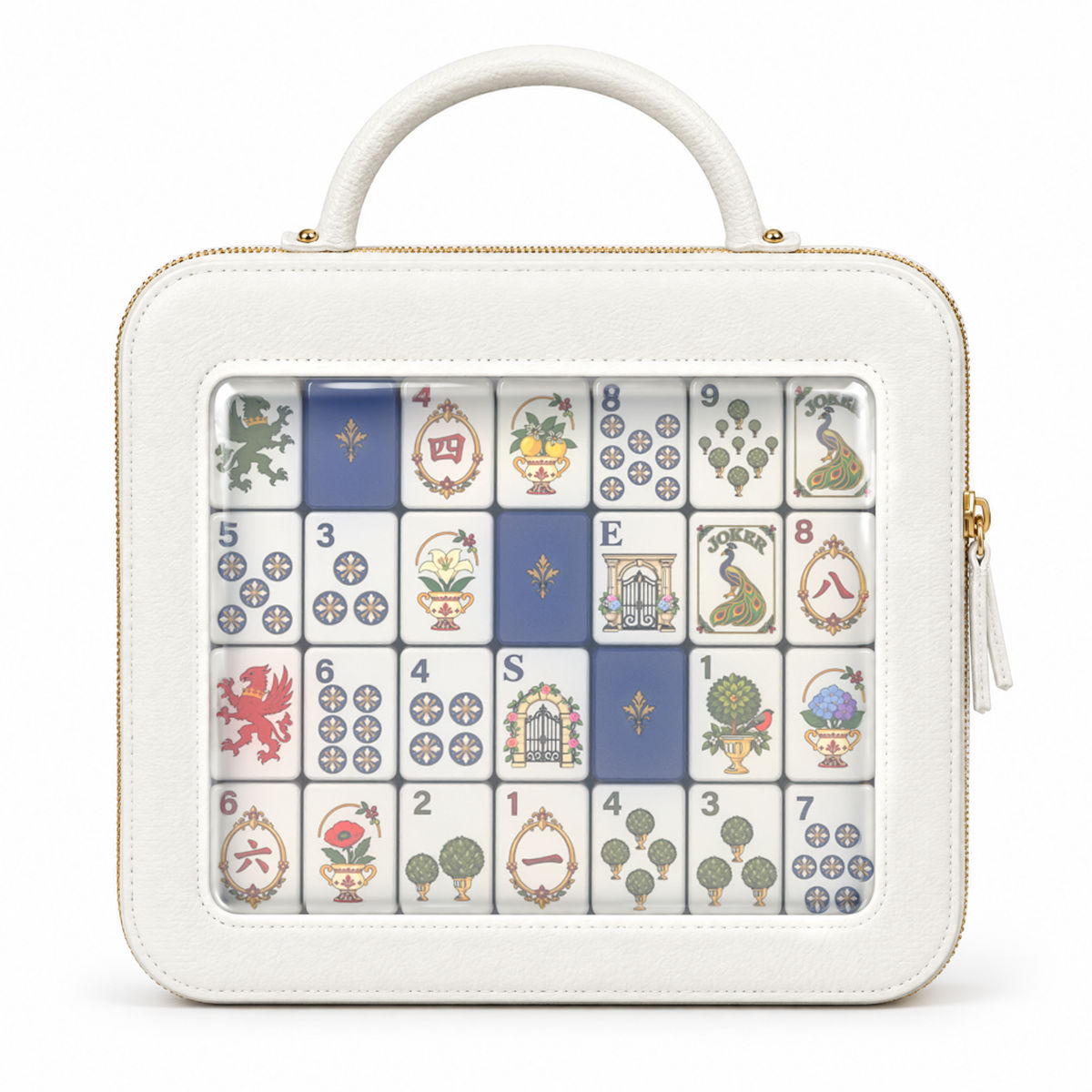
Malaysian mahjong (also called Hong Kong-style) uses 144 tiles across three suited ranks (Bams, Craks, Dots) plus winds and dragons, with no added jokers or scoring card like American mahjong does. Players draw and discard in turn, calling pungs (3 identical), kongs (4 identical), or chows (1-2-3 sequences—uniquely allowed and called here, unlike American play). Hands are memorized, not read from a printed list each year. The hardest part isn't the rules themselves—it's remembering which tiles are dangerous to discard, reading opponents' habits, and counting remaining tiles mentally. Most people pick up the mechanic in one session; strategy takes months. It's not harder, just fundamentally different from American mahjong, and learning either one doesn't prepare you fully for the other.
Is the core game mechanic actually simple?
Yes. Draw one tile, discard one tile, and try to complete a hand of four sets (melds) plus a pair—the exact same structure as American or Chinese mahjong. The rules fit on one page: calling a pung or kong ends your turn; chows (sequences) are the new thing and feel natural after one round. A beginner can play a legal game in 30 minutes. The confusion comes after—from judgment calls (when to hold risky tiles, when to defend), reading tile flow, and remembering what's been played. The mechanics are easy; the thinking is where the learning curve actually sits.

What makes Malaysian different from American mahjong?
American mahjong uses 152 playing tiles, requires reading a yearly scoring card for legal hands, forbids chows entirely, and includes jokers that work as wildcards. Malaysian (Hong Kong) mahjong uses 144 tiles, relies on memorized hand patterns, allows and even encourages calling chows (1-2-3 number sequences), and has no jokers. American rounds are longer and highly structured (Charleston, defined hand types); Malaysian rounds are faster and more fluid. If you've played American mahjong for years, switching to Malaysian means unlearning the "no chows" rule, forgetting the card, and adjusting to drawing/discarding rhythm. The tile count and conceptual framework are entirely separate.
Why do people say it's hard when it's usually not?
Difficulty complaints cluster around three real pain points. First, tile memorization under pressure: In American mahjong, you glance at the card when someone wins; in Malaysian, you must track which 40+ tiles have been played, who discarded what, and what your opponent is building—all silently, all at once. Second, defensive play: American mahjong lets you study the card and assess risk before a round; Malaysian demands instant judgment on every discard. If you throw a 5 Crak and an opponent picks it up, you've fed them a winning tile—and you won't know until they win. Third, chow calling chains: Beginners panic when someone calls a chow from the discard, because a sequence (2-3-4, for example) can be called from the middle, and later tiles matter. Once you've played five games, this stops feeling hard.
What's a beginner's actual learning timeline?
First session (2–3 hours): Learn basic mechanics, play two games with a patient group, make illegal calls, reset, repeat. You'll understand the structure. Sessions 2–4 (next few weeks): Calling timing feels natural; you stop asking "Is that a legal call?" and focus on which tiles to throw. Months 2–3: You internalize which discards are risky, predict opponent hands, start counting tiles. After three months: You play competent defense and read the table. This mirrors American mahjong—the rule is fast; strategy is slow. Comparing with how to play American mahjong shows that both games reward repetition far more than initial study.
What mistakes trip up newcomers most?
Mistake | Why It Happens | How to Fix It |
Calling a pung/kong on someone else's discard too slowly | New players hesitate, afraid of making an error | Call immediately or forfeit your right; hesitation = no claim |
Throwing a tile someone just picked up (feeding) | You don't track what others drew | Watch the discard pile left-to-right; note who picked what |
Misunderstanding chow direction (is it 1-2-3 or 3-2-1?) | Sequences only go low-to-high in the actual hand | Always read Bams/Craks/Dots as ascending; direction of discard doesn't matter |
Keeping too many incomplete sets | Greed delays your win, costs tempo | Aim to have 2 complete sets + 1 pair by mid-game |
Forgetting someone is one tile away from winning | No tile tracking = blindness | After three players have discarded safely, assume one opponent is close |
These aren't rule errors—they're judgment and attention lapses that disappear with table time.
🀄 Shop best-selling mahjong sets →

Should you learn Malaysian or American mahjong first?
If you live in Malaysia or Southeast Asia or want to play socially with that community, start with Malaysian. If you're in North America or have an established American group nearby, American is easier entry because the card removes hand-memorization load. American mahjong is slightly less punishing for new players (the card is a safety net; the ban on chows means fewer call options to misread). Malaysian rewards faster decision-making and punishes poor defense harder. Neither is objectively "better"—they're optimized for different play styles. American suits solo study; Malaysian thrives in a table group because everyone learns the hand logic together.
What tile set and accessories help beginners succeed?
When learning Malaysian mahjong, a clear tile set with bold numbers and suit symbols removes reading friction—the game moves faster when you spot a 4 Bam instantly. Many beginners squint at worn or faint tiles and lose focus on strategy. A quality mahjong set from our best-selling collection with legible engraving and standard sizing means you're not fighting the equipment. A mahjong rack with pushers helps you organize your 13 tiles neatly and see your hand without broadcasting it—a real advantage when reading opponents relies on your calm, steady posture. A mahjong mat creates a neutral, quiet playing surface so discards land cleanly and you hear the click of each tile clearly (a tiny cue people use to track draws). None of these are mandatory, but all three reduce cognitive load, letting you focus on learning.
🎁 See our most-loved mahjong sets & accessories →
Real talk: is it worth learning if you don't have a regular group?
If you're learning alone or with one friend, Malaysian mahjong is genuinely hard because you need at least three opponents playing regularly to build skill and enjoyment. Solitaire mahjong exists, but it's a different game (tile-matching, no strategy). If you have four people and one evening a week, it's absolutely worth it; the rules take one session, and the skill deepens for years. If you're solo, American mahjong is also lonely, but mahjong for beginners often suggests joining a community—libraries, community centers, synagogues, and country clubs in most cities host open games. Same applies to Malaysian; find a local group first, then decide which variant suits your table.
What to check before you buy or join a Malaysian game
Before buying a set:
Confirm the set has 144 tiles (not 152—that's American).
Ensure tiles are large enough to read quickly; most Malaysian-style sets use standard acrylic or bone with clear engraving.
Check that suit colors are distinct (Bams usually jade or green, Craks red, Dots white or cream) so you spot them without thinking.
Avoid sets with ornate characters if you're new; bold, simple numerals train your eye faster.
Before joining a table:
Ask if players use house rules (some groups play with simpler hand sets; others have regional tweaks). Clarify before round one.
Watch one hand without playing to see the pace and how calls are made.
Ask which tiles were dangerous to discard in the last game—listen for reasons (no one was building, or Player X was one tile away).
Plan to play at least four consecutive sessions with the same group before assessing your comfort level.
✨ Find your Mahstead set — free US shipping →
The honest answer: Malaysian mahjong is not hard—it's rhythm-dependent. The core rules take an evening; the judgment takes months. You're not learning anything more complex than American mahjong; you're learning a different tempo and a different risk calculus. If you have a table ready and four hours free, start this week. You'll be playing legal hands by hour two.

FAQ
Can I learn Malaysian mahjong online?
Rules, yes—video tutorials teach the mechanics well. Strategy and reading opponents, no—online play is slower, lacks the social pressure that trains judgment, and you can't track discards the same way. Learn the structure online, then find a live table to actually play.
Do Malaysian and Hong Kong mahjong rules differ?
No—they're the same game. "Hong Kong" and "Malaysian" mahjong refer to the same ruleset, though some regional tournaments have minor scoring tweaks. The core 144-tile mechanic, chows, and hand logic are identical.
How many tiles do I need in a Malaysian mahjong set?
Exactly 144. A set sold as 160 tiles is American mahjong (152 playing tiles plus spare jokers); Malaysian sets are sold as 144-tile complete sets with no jokers or extra tiles. Confirm the count before buying.
Is Malaysian mahjong faster than American?
Yes, usually 20–30 minutes per round versus 45 minutes for American. Rounds move faster because there's no Charleston, no card reading, and fewer hand options. Beginner games are slower; expert games at a serious table stay snappy.
What do I do if I make an illegal call?
Call it immediately—don't wait. Any player can challenge a call before the next draw. If caught, undo the claim, return the tile to the discard pile, and play resumes. No penalty in casual play; tournament play has specific forfeiture rules, so confirm house rules before starting.
Can I switch between American and Malaysian mahjong without getting confused?
Eventually, yes, but your first 5–10 sessions in each will overlap awkwardly. The chow rule is the biggest mental flip. After 20 games in each variant, your brain separates them cleanly and switching becomes automatic. Play one variant for at least a month before trying the other if you want smooth learning.


View More
View More
View More
