
Is Mahjong Like Rummy? Key Differences Explained
Last updated: Nov 23, 2026
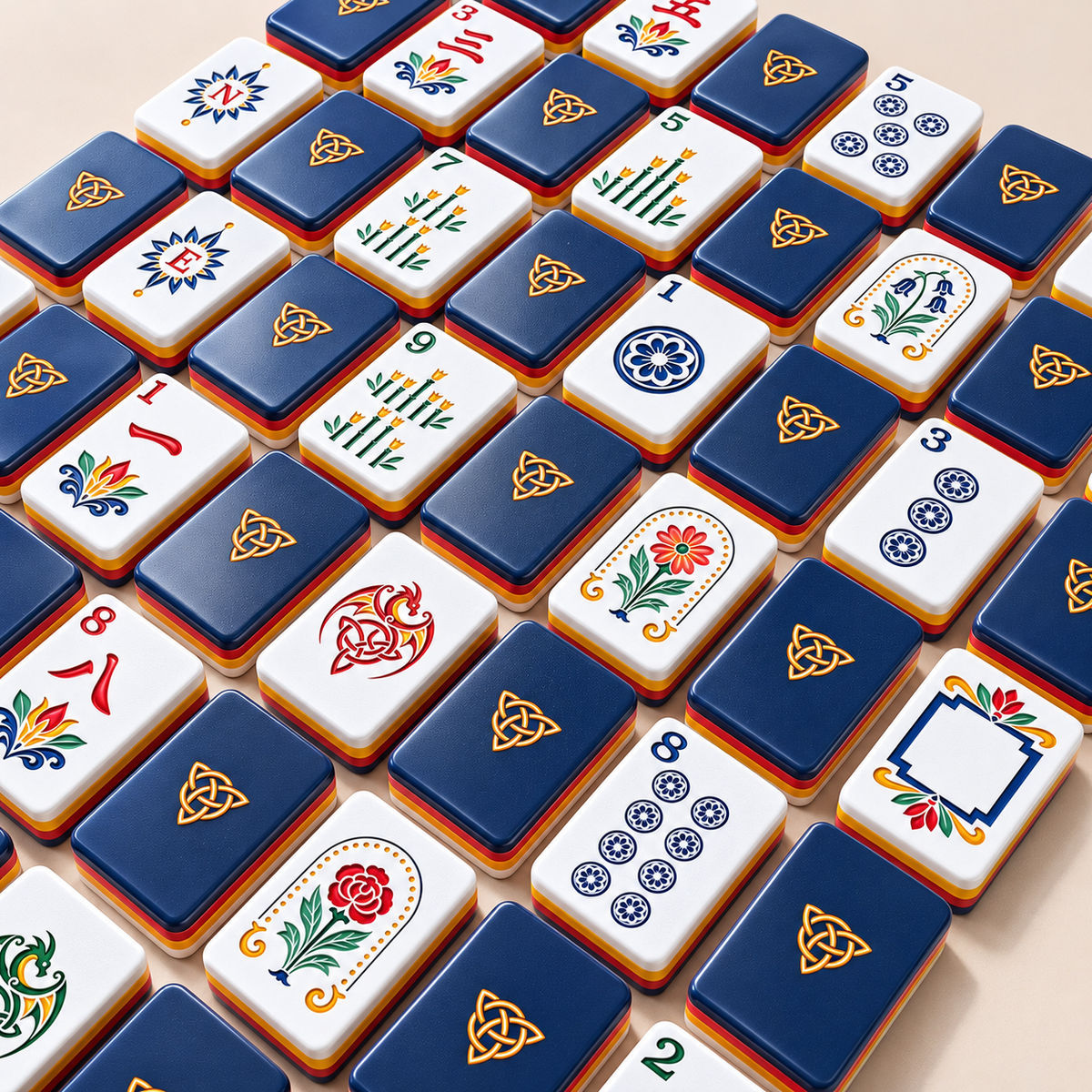
Mahjong and rummy are similar in spirit—both games reward pattern recognition and strategic discarding—but they differ fundamentally in execution. American mahjong uses 152 tiles (three suits numbered 1–9, plus winds, dragons, flowers, and jokers); rummy uses 52-card decks. Mahjong hands are drawn from the current year's National Mah Jongg League card, meaning valid combinations change annually; rummy hands are standard runs and sets you create. Mahjong allows exposed groups (pungs, kongs, quints) that all players see; rummy is largely hidden until you lay off at the end. A mahjong game takes 1–2 hours; rummy rounds are typically 20–40 minutes. Both teach probability and tile awareness, but mahjong's rigid hand list and public play create a more structured social experience. If you enjoy rummy's logic, you'll appreciate mahjong's precision—though the learning curve is steeper.
What makes mahjong feel like rummy at first?
Both games revolve around collecting identical or sequential pieces and discarding strategically. In rummy, you build runs (5♠-6♠-7♠) and sets (three Kings). In American mahjong, you collect pungs (three identical tiles like 5 Dots–5 Dots–5 Dots) and exposed groups that other players can see you holding. The psychological parallel is strong: you remember what's been discarded, calculate what's left, and read opponents' intentions. Someone new to mahjong who knows rummy will recognize the clock-like turn structure and the tension of deciding what to throw away.
🀄 Shop best-selling mahjong sets →

How do the tile sets differ—and why it matters?
Rummy decks are uniform across all games; American mahjong uses a custom 152-tile set. That set includes three suits (Bams, Craks, Dots), each numbered 1–9 with four copies, plus 16 winds (four each: North, East, West, South), 12 dragons (Red, Green, White), 8 flowers, and 8 jokers. Rummy relies on you recognizing card rank and suit instantly; mahjong requires learning tile symbols and honor tiles that have no numeric parallel. A standard American mahjong set takes time to familiarize, whereas a rummy deck is second nature to most card players. This difference alone means mahjong newcomers spend weeks building tile literacy, while rummy players transition faster. Both games benefit from physical sets—engraved tiles or cards that are easy to read across the table.
Comparison: What's actually different?
Aspect | Rummy | American Mahjong |
Tile count | 52 cards (or 106 with two decks) | 152 tiles |
Number suits | One (hearts, diamonds, clubs, spades) | Three (Bams, Craks, Dots) |
Honor tiles | None | 16 winds, 12 dragons, 8 flowers |
Hand source | You build your own valid runs/sets | Current year's NMJL card only |
Exposed groups | None; hidden until you lay off | Yes; pungs, kongs, quints visible |
Jokers/wildcards | Rummy rules vary widely | Fixed American rules; jokers never pair |
Typical game length | 20–40 minutes per round | 1–2 hours |
Seasonal rule changes | Never | Yes; card changes each spring |
Can you learn mahjong if you know rummy?
Absolutely, and your rummy habits will both help and hinder. Your strength: you already think in groups and sequences, manage probability, and read discard signals. Your challenge: mahjong has no sequences (no 1-2-3 of the same suit exposed), only identical pungs and higher-value sets from the card. Rummy teaches you flexibility; mahjong demands rigidity—you can only play hands listed on that year's card, which changes every March. The National Mah Jongg League card is law, not suggestion. If you're used to inventing hands in rummy, this feels limiting at first. Within 5–10 games, rummy players typically adapt faster than rank beginners because they understand betting rounds, the Charleston (mahjong's tile-passing ritual), and table etiquette. One honest tip: start with a beginner-friendly group and ask your host to go slowly through hand recognition during your first session.

Why is the hand card so different from rummy strategy?
In rummy, you assess your cards and decide what's playable; in American mahjong, you open the current year's hand card and match your tiles to it like a puzzle. The card lists hundreds of valid hands organized by sections—each with specific tile counts, joker rules, and exposed group combinations. This radical difference means mahjong removes the "homebrew hand" temptation that rummy allows. Every player uses the same legal hands, so two experienced players at different tables are following identical rules. Rummy variants permit house rules that shift strategy (some allow run wrapping, others don't); mahjong's card is absolute. For rummy veterans, this can feel restrictive—you lose the improvisation that makes rummy fun—but it also levels the field and makes learning predictable. You're not learning dozens of house rules; you're learning one card per year. That stability is mahjong's secret advantage for groups that want fairness.
How do the social rhythms differ?
Both games are social, but they unfold differently. Rummy rewards speed and aggression—fast players dominate rounds, and rounds end in 20 minutes. Mahjong is slower, meditative, more ritual-bound. Before any hand, the four players do the Charleston: they pass tiles left, right, across, and center in a choreographed exchange that resets the hand. There's no rushing. The entire game is scored on the National Mah Jongg League point system, so winning means both completing a hand and defending your points. Rummy games often end when someone declares; mahjong continues through multiple hands (usually 2 hours = 4–8 hands). Rummy suits casual players and competitive tournaments alike; mahjong attracts players seeking ritual, consistency, and community tradition. If you host weekly rummy, switching to mahjong means your guests stay longer, talk more between hands, and develop deeper strategy over time. Both games build friendship, but mahjong's pacing feels more intimate. For hosting regular game nights, high-quality tiles and a durable mat matter more in mahjong than in rummy, since you're playing many hands in sequence.
What gear do you actually need to start?
Rummy requires a deck and a scorepad. Mahjong requires 152 tiles, a mat, and a hand card. If you inherit an old set or buy a starter set, test that all tiles are present and legible—faded tiles cost you points because you misread hands. Our best-selling sets arrive complete with acrylic tiles, racks, a mat, and a current hand card, so you unbox and play. Many rummy players jump to mahjong thinking a cheap plastic set is fine; don't. Mahjong tiles are read from across the table, often in low light, and worn tiles make errors snowball across a hand. A good set has clear engraving, consistent size, and durable backs. You'll also benefit from racks with pushers to organize your hand and a sturdy travel bag if you rotate hosting duties. Rummy gear is portable and cheap; mahjong gear is a one-time investment that pays back over seasons of weekly play.
What to check before you buy:
Tile clarity: Can you read numerals and suit symbols from 3 feet away?
Set completeness: Confirm 152 tiles plus jokers are present (don't rely on vendor count).
Acrylic weight: Heavier acrylic tiles slide better on mats and feel less fragile.
Mat grip: Your mat should not bunch or slip under tile movement.
Hand card date: Current year's NMJL card only; old cards will cause illegal hand disputes.
Rack design: Pushers should be smooth and not crack tile edges.
🎁 See our most-loved mahjong sets & accessories →
If you're a rummy regular considering mahjong, expect the first 3–5 games to feel awkward—the ritual, the card, the tile symbols are all new. By game 10, your rummy skills in probability and reading opponents will accelerate your mahjong growth. The two games occupy similar mental space but follow different rules, so plan for a learning sprint of 3–4 weeks before you're comfortable. Find a welcoming group (check community centers, libraries, synagogues, or online meetup boards in your area), attend as a guest, and ask questions freely. Most mahjong players love teaching because the game rewards consistent play, and they'll invest in a newcomer who's genuinely curious. Once you've played a full season (12–16 weekly sessions), you'll understand why mahjong players rarely switch back to rummy—the structure, community, and intellectual challenge create a loyalty that rummy doesn't quite reach.
✨ Find your Mahstead set — free US shipping →

FAQ
Is mahjong harder than rummy if I already know cards?
No, but different. You already understand probability and tile reading; you'll struggle with the hand card and honor tiles. Most rummy players reach competence in 5–10 games, compared to 15+ for rank beginners.
Can I use rummy strategy (like run building) in mahjong?
No. Mahjong has no runs or sequences in American play. You collect identical tiles and symbols only, pulling hands from the card. Flexibility is your weakness; rigidity is the game.
Why does mahjong feel slower than rummy?
The Charleston pre-game ritual, multi-hand sessions (4–8 per evening), and tile-reading pace make mahjong deliberate. Rummy is faster because each round is independent and rounds end quickly.
Do I need special equipment to start mahjong like I do rummy?
Yes, more so. Rummy needs a deck; mahjong needs 152 tiles, a mat, racks, and the current hand card. A complete set costs more upfront but lasts years and improves your game experience significantly.
Will my rummy group enjoy learning mahjong?
If they value ritual, strategy, and weekly continuity, yes. If they prefer quick social rounds, maybe not. Mahjong is a commitment game; rummy can be casual. Test with one learning night first.
How long before I'm competitive at mahjong if I know rummy?
20–30 games (8–12 weeks of weekly play). You'll make fewer tile mistakes and read the card faster than beginners, but scoring strategy and advanced hand recognition take longer.


View More
View More
View More
