
Is an Expensive Mahjong Travel Bag Worth It?
Last updated: Nov 23, 2026
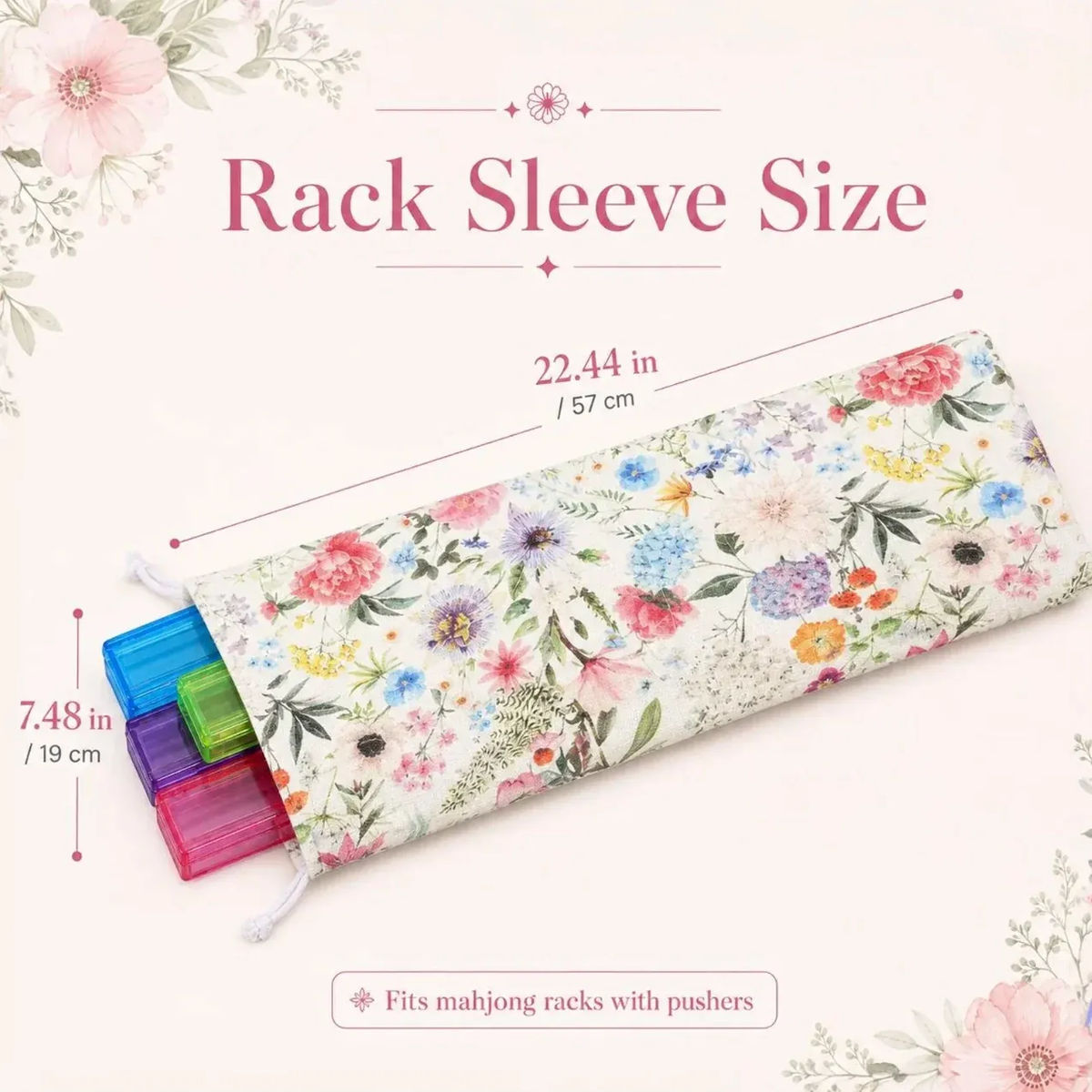
An expensive mahjong travel bag is worth it if you play weekly, travel with your set, or own a custom or engraved tile collection you want to preserve. Budget bags (basic canvas or vinyl) offer light protection for occasional home games; mid-range padded bags guard against bumps and moisture for regular players; premium reinforced cases protect against drops, dust, and humidity for serious collectors or frequent travelers. A quality bag extends your set's life by 5–10 years and prevents tile cracking, corner wear, and loss—costs that far exceed the bag itself. Mahstead's travel-bag collection ranges from practical soft-sided designs to rigid carrying cases; the right choice depends on your play frequency, distance traveled, and whether your set is custom or engraved. If you host the same group weekly in one home, a simple mat may suffice; if you rotate hosts or travel, a durable bag pays for itself in tile protection alone.
A good travel bag protects your set from damage and makes hosting portable. The choice between budget and premium depends on how often you play and how much your tiles mean to you.
What does a mahjong travel bag actually protect against?
A mahjong travel bag guards against four main threats: physical impact (drops, crushing in a car), moisture (spills, humidity in basements or garages), dust and debris (which jam racks and wear tile edges), and tile separation (jokers and blanks falling loose in transit). Acrylic tiles crack under sudden pressure; wood and bamboo absorb water and warp. Even a short car trip bounces your tiles if they're loose in a box. A padded or rigid bag compartmentalizes your set—tiles in one section, racks in another, dice and cards in pockets—so nothing shifts. Budget bags offer basic impact softening; premium bags add moisture barriers and shock-absorbing corners that handle dropped sets and weather changes. Most players who've lost a tile mid-game to a split box regret not investing in proper storage from the start.

How much should you actually spend on a travel bag?
The real question isn't "how much" but "how much longer will my set last?" A best-selling mahjong set is a multi-year investment. If a quality set costs you roughly equivalent to a nice dinner out, a protective bag that adds five years of game-ready life is a bargain. We've seen players buy expensive custom engraved mahjong sets and then store them in a paper box—one spill ruins the investment instantly. The price difference between a basic soft bag and a reinforced case is usually small compared to replacing or refinishing tiles. Budget bags ($) work for one-home weekly groups who play indoors and rarely move their set; mid-range bags ($–$$) suit rotating hosts and occasional travel; premium bags ($$) earn their cost through durability and specialized compartments for racks, pushers, dice, and the annual card. Consider the total cost of ownership: a premium bag might cost more upfront but saves you from buying a replacement set or paying for professional refinishing.
Bag Type | Best For | Protection Level | When to Choose It |
Soft canvas/vinyl (basic) | Single home, no travel | Light impact, no moisture barrier | Weekly same-house games, set stored indoors |
Padded soft-sided | Rotating hosts, short trips | Moderate impact, some dust protection | Monthly or bi-weekly plays at different homes |
Reinforced with handles | Frequent travel, car transport | Good impact + moisture pockets | Traveling between cities, outdoor storage gaps |
Rigid carrying case | Premium/engraved sets, serious collectors | Full protection, lockable, stackable | High-value custom sets, long-term storage, humid climates |
🀄 Shop best-selling mahjong sets →
What features separate a worth-it bag from an overpriced one?
The honest difference lies in compartmentalization, material thickness, and hidden costs you'll face without them. A worth-it bag has a dedicated tile section (not just loose tiles rattling in one box), separate pockets for racks with pushers, a zippered slot for dice and cards, and reinforced corners or rubber bumpers that absorb drops. Check whether the bag has a moisture-resistant lining or just cotton; whether internal dividers are sewn (stays put) or glued (fails in two years); whether seams are double-stitched; and whether handles or straps can support the full weight without tearing. Overpriced bags often add cosmetic features—decorative patches, branded logos, or rigid shells that don't improve protection—while skimping on internal organization. A genuinely worth-it bag has a simple design, durable zippers that won't jam, and enough internal space for your tiles plus a mahjong mat or score pad. Ask yourself: does it keep my set dry? Can I reach my tiles without dumping everything out? Will the zipper still work after 50 trips? If yes to all three, it's worth the price.
Should you buy a dedicated mahjong bag or use general luggage?
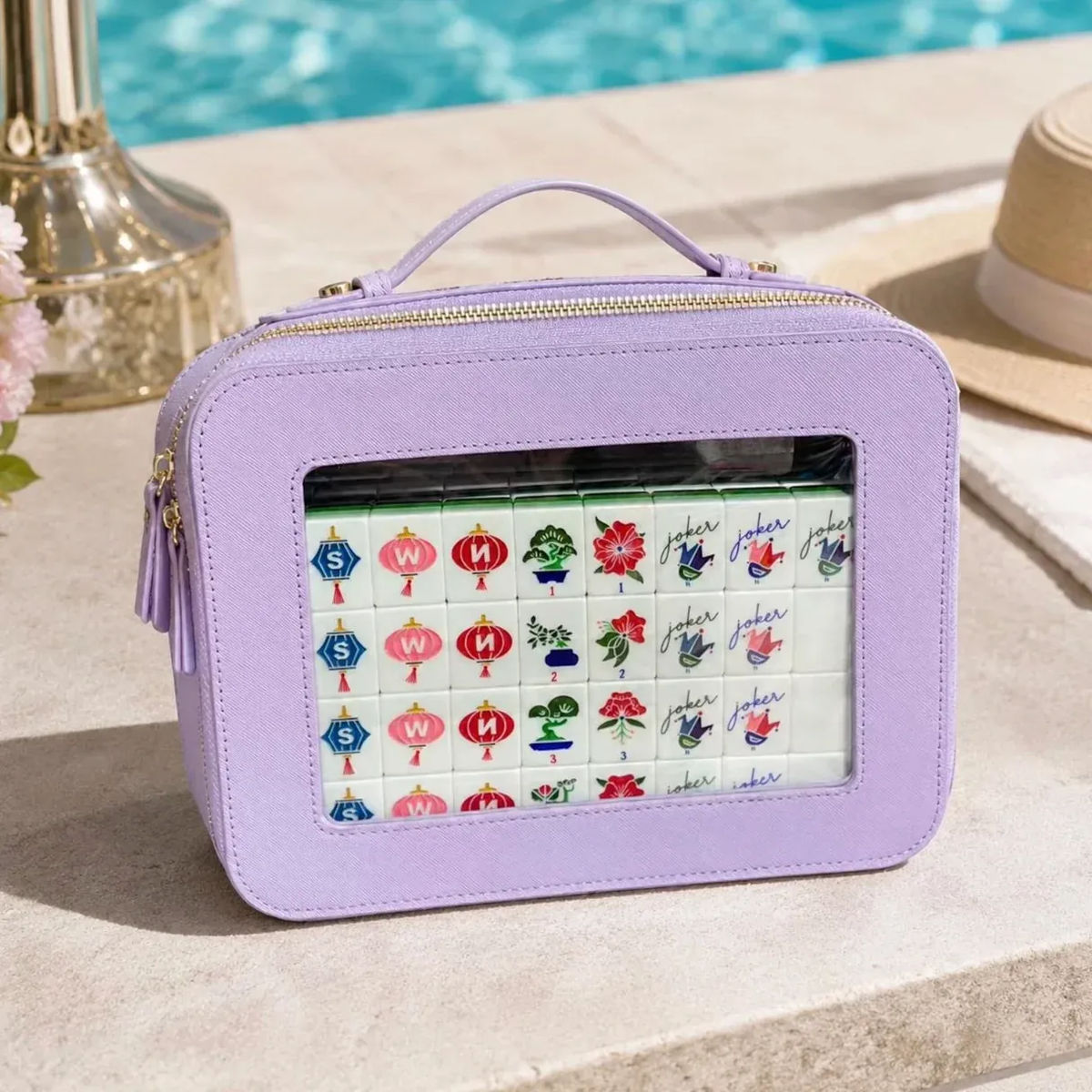
A dedicated mahjong bag is worth it because it's engineered for tile weight and access patterns. General luggage—duffel bags, suitcases—is designed for clothes and soft items; tiles are hard, heavy, and fragile, and loose tiles in a large suitcase will migrate to corners and break under pressure. You'll also waste time unpacking a suitcase just to reach your tiles. A mahjong-specific bag has a shape that fits a 160-tile set plus racks, a mat, and cards in a compact footprint—about the size of a small laptop bag. You can carry it one-handed into a car, home, or venue. Dedicated bags also have tile-sized compartments, preventing your set from shifting during transit. For weekly home games, a general canvas tote might work if your set stays in a box within the tote; for any travel or multi-venue hosting, a bag designed for mahjong eliminates breakage and fumbling. We've hosted hundreds of games and seen exactly one broken set in a general luggage; it was in a suitcase.
How do you match a bag to your actual playing style?
Start by counting your trips per year and the distance. If you play one group weekly in the same home and your set lives in a closet between games, a basic soft bag (or no bag at all) is fine—your tiles spend 95% of their time stationary. If you host different people monthly or rotate between homes, your bag opens and closes 24+ times yearly; invest in reinforced seams and a zippered dust pocket. If you travel to tournaments, vacation homes, or friend groups in other cities, a premium bag or rigid case protects your set through airport luggage, car trunks, and temperature changes. Also consider your set's value: a standard best-selling mahjong set is replaceable; a custom engraved set or one with sentimental weight justifies premium protection. Finally, think about future growth—if you might add a second set, a larger bag or case saves you from buying two. Most serious players eventually own two sets; buying a slightly roomier bag now prevents upgrade costs later.
🎁 See our most-loved mahjong sets & accessories →
What to check before you buy
Measure your set and racks. A 160-tile set in a standard box is roughly 8" × 6" × 3"—verify the bag interior is at least that, plus 1" of padding. Stack your racks with pushers and check the height; they should fit without compressing.
Test zipper durability in reviews or in person. Cheap zippers jam after 20 cycles; quality zippers move smoothly when packed full. If you can handle it before buying, test the pull—it should glide without resistance.
Check for moisture barriers. Look at the lining; it should feel waxy or plasticky, not soft cotton. Ask whether the bag has a waterproof interior or just layers of fabric.
Verify compartment count. Bare minimum is a main tile section and a pocket for dice/cards. Ideal is three zones: tiles, racks, and accessories. Bonus: a separate mat slot.
Inspect seams and corners. Corners should be reinforced with stitching or glued material, not just fabric. Seams should be double-stitched; run your finger along the inside—you should feel two parallel stitch lines on seams that hold weight.
Ask about warranty or return policy. A bag is worth buying only if you can return it if the zipper fails or moisture gets in. Mahstead offers straightforward returns; confirm the policy before ordering.
✨ Find your Mahstead set — free US shipping →
The bottom line: a mahjong travel bag between mid-range and premium is worth it for anyone who plays monthly or more, owns a custom set, or travels between venues. A budget bag works only for single-home weekly games. The real investment is your set; the bag is insurance. Mahstead's collection of travel bags and cases is built for exactly this trade-off—simple, durable designs that protect your tiles without paying for features you won't use. Free shipping across the US means you can try one without the guesswork of mail costs, and our returns policy lets you confirm it works for your set before committing long-term.

FAQ
Can I use a shoebox or plastic storage bin instead of a mahjong bag?
For home storage between games in a dry closet, yes—a sealed plastic bin prevents dust. For travel, no—a bin is fragile, has sharp edges that damage bags in car trunks, lacks carrying handles, and offers no organization. Tiles rattle and break.
How often should I replace a mahjong travel bag?
A quality bag lasts 10–15 years of weekly play. Seams fail first (typically year 5–8); a zipper replacement or re-stitching restores it. Budget bags may need replacement after 2–3 years of frequent use. Premium bags often outlast the sets they carry.
What's the difference between a mahjong bag and a mahjong case?
Bags are soft-sided with padding and zippers; cases are rigid or semi-rigid with hinged lids or clamshell designs. Bags fit under a car seat; cases stack and sit flat. Cases offer more protection but weigh more and take up shelf space. Choose a bag for travel, a case for storage.
Do I need to buy a bag from the same brand as my mahjong set?
No. Any bag designed for mahjong works. Mahstead's travel-bag collection is engineered for American mahjong tile dimensions; it works with any 160-tile set, engraved or not. Match by size and features, not brand.
Should I store my mahjong set in a bag or a case long-term?
For long-term storage (months or years), a rigid case in a cool, dry closet is ideal—it protects from humidity fluctuations and crushing. For active play (played monthly or more), a bag is fine and more convenient. Neither should store in a basement or attic where temperature and humidity vary.
What's included in a Mahstead travel bag—just the bag, or are there pockets for racks and dice?
Mahstead bags include compartments for tiles, dedicated pockets for racks with pushers, and zippered slots for dice and annual cards. Specific pocket count varies by bag design; check the product page for your chosen bag's layout.


View More
View More
View More
