
Kentucky Derby Mahjong Party: Invitations, Wording & Setup
Last updated: Nov 23, 2026
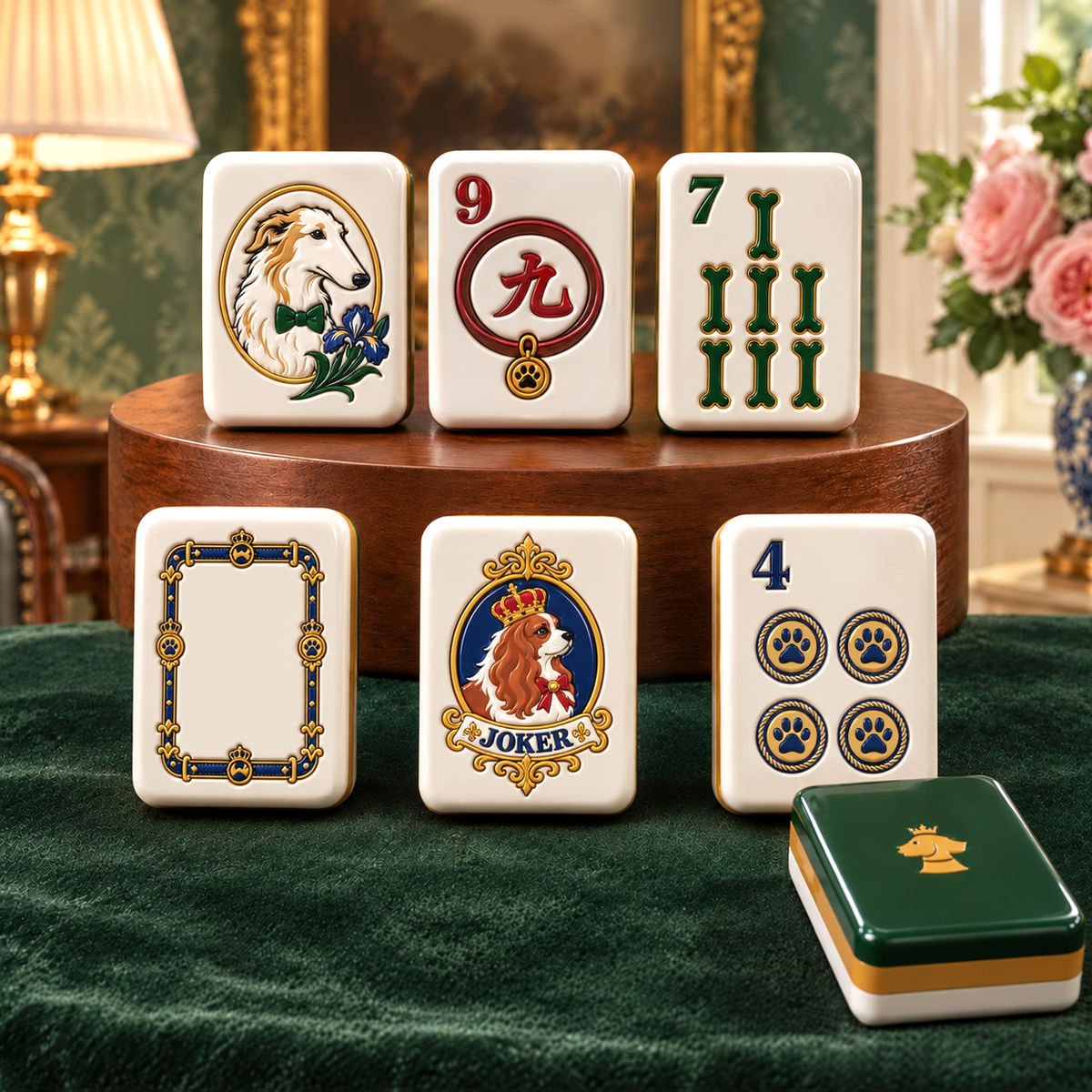
Kentucky Derby mahjong party invitations work best when they name the date, time, and ask for RSVPs at least two weeks ahead—guests need time to arrange childcare and travel. Wording should match your crowd: formal ("You are cordially invited to an evening of mahjong under the Twin Spires") or playful ("Place your bets on tiles, not horses—join us for Derby Day mahjong"). Include the address, what to bring (tile knowledge helps; prior experience not required), and whether you're providing snacks or asking guests to contribute. Mention if players will rotate tables, how many seats you're filling, and your house rules. A Derby theme pairs perfectly with engraved American mahjong sets and matching mats that guests will photograph and remember—Mahstead's acrylic designs take only minimal setup and pack flat for storage after the party ends.
What tone should my invitation have?
Your invitation's voice tells guests what to expect and sets the energy before they arrive. A formal or playful tone works; what matters is that it matches the actual party vibe and your crowd. If your players are dressed-up types who enjoy the Derby pageantry, mirror that elegance. If they're jeans-and-bourbon regulars, a wink-and-nudge approach works better. Include one or two details that hint at the theme—mention "racing silks" or "mint juleps," or tie the mahjong metaphor to horse racing ("High stakes, low odds, and tiles instead of thoroughbreds"). Keep the tone consistent through your digital or printed invitation so no one arrives expecting something different.

When should I send invitations for a Derby mahjong party?
Send invitations 14–21 days before your event, never sooner or later. Two weeks gives people time to confirm their schedule, arrange transportation, and mentally prepare for game night. For a Derby party in May (when the race happens), early May timing works; if you're hosting a themed party off-season, give the same lead time regardless. Use email, text, or printed card depending on your group's preference—many weekly mahjong players prefer text or email because they can easily reference details during the game. Include RSVP instructions and a firm deadline (seven days before is standard) so you know how many sets to set up and whether to resize tables.
How do I word the part about experience level?
State clearly whether beginners are welcome or if you need experienced players only. A typical line: "All levels welcome—experienced players and curious newcomers alike" or "Previous mahjong experience required; we're playing at an intermediate pace." If you're teaching, say "New to mahjong? We'll teach you the basics before we play." Honesty here prevents awkward arrivals; a beginner at a speed-league table or an advanced player in a teaching session both suffer. You can also mention that the current year's National Mah Jongg League card will be provided, which signals you're running a structured American game, not casual house rules.
🀄 Shop best-selling mahjong sets →
What essential details must every invitation include?
Detail | Why | Example |
Date & day of week | Prevents double-booking | Saturday, May 3, 2:00 PM |
Your address & parking info | Guests arrive on time | "Parking on street or driveway; enter via porch" |
RSVP deadline | You can plan tables | "Confirm by Wednesday, April 29" |
Player count | Ensures the right table setup | "Spots for 8–12 players, rotating tables" |
House rules or special rules | Avoids mid-game disputes | "2026 NMJL card; we play with strict calling" |
What to bring | Manages expectations | "Bring your lucky charms; snacks potluck" |
Contact for questions | Reduces last-minute confusion | Your phone or email |
Never assume guests will remember or figure out these details via a phone tree. Write them clearly on the invitation itself. If your party is Derby-themed, you might also mention dress code ("Kentucky Derby hats encouraged but not required") and whether you're serving themed drinks. These touches feel intentional and help guests mentally prepare.

How do I tie mahjong wording to the Derby theme?
Use horse-racing metaphors sparingly and only if they feel natural to your group. Avoid clichés ("We're betting on tiles" has been done). Instead, lean into the actual shared experience: "Join us to watch the Kentucky Derby and play mahjong all afternoon" signals the TV will be on during key moments. Or play with the timing: "The race lasts 2 minutes; our games last longer—come for the Derby, stay for the tiles." If your guests include serious bettors, you might say "No money on tiles, but money can be on the horses," which sets clear boundaries. For a co-hosted Derby party with another mahjong family, mention it: "Sarah and I are hosting; we'll have two mahjong tables running, mimosas, and a very big TV." These lines work because they're specific to your actual event, not forced.
🎁 See our most-loved mahjong sets & accessories →
What should I prepare before guests arrive?
Start setup about two hours before guests. Lay out your best-selling mahjong sets—Mahstead's acrylic tiles are easy to read and durable enough for a full afternoon of play. Position your mats so each table gets even light (natural window light is ideal; avoid glare on tiles). Place mahjong racks with pushers at each seat so players can organize their hands without fumbling. Keep extra jokers and a backup set nearby in case tiles get stepped on (happens). Have the current year's NMJL cards printed or on a phone so everyone can reference them without passing a single card around the table, which slows play. Set out score pads and pens. If you're hosting a full Derby-day event, have snacks and drinks ready before the first game, so there's no mid-match interruption.
How do I handle multiple tables or rotating play?
If you have more than four players, send an invitation that explains the rotation. A line like "We'll play 90-minute rounds, then rotate to a new table" sets expectations. Include a simple chart in the invitation or on a card at the party showing which table players start at and how rotations work. This prevents confusion and keeps energy high. If you're hosting 8–12 people, plan for two tables simultaneously; if you're hosting 16+, rotate between two 90-minute rounds. Mention in the invitation whether players keep a running score across tables or whether each table is independent. For a Derby party where some guests might not be players, offer a spectator-friendly seating area away from the table—people enjoy watching, chatting, and cheering for their friends, and it keeps non-players engaged without disrupting the game.
✨ Find your Mahstead set — free US shipping →
What to check before you send invitations
Confirm your mahjong sets are ready. Count tiles to ensure you have a full set (152 tiles) per table. Mahstead sets arrive complete; inspect for any shipping damage and test your racks and mats before inviting guests.
Check your table space. Each table needs about 4 feet × 4 feet of clear, flat space. Measure your actual tables or use a mat to mark the footprint; if you're tight on space, mention table rotation in the invitation.
Verify the current year's NMJL card is available. The card changes every spring. Have 2026 cards printed or accessible on a phone so players can reference hands without debate.
Decide on scoring. Will you score American-style, play for fun only, or use a house variant? State this in your invitation or mention it verbally when confirming RSVPs so there are no surprises.
Plan for noise and space. Mahjong is social and loud—if you have neighbors or others in the home who need quiet, warn them or reschedule. Confirm that four hours of tile-clicking noise is acceptable.

FAQ
Can I mention money/gambling in a Kentucky Derby mahjong party invitation?
Yes, if it's clear and legal in your area. You might say "No money on tiles; gambling is on the horses only" or "Friendly play, no stakes." Be explicit so guests know what to expect. Check your local laws regarding mahjong stakes before mentioning any money in writing.
Should I ask guests to wear Derby hats or formal dress?
Mention it as optional and fun, not required. Write "Derby hats, fascinators, or formal wear encouraged but not required" so guests know the vibe without feeling pressured. Some guests will love it; others will show up in comfortable clothes to focus on the game.
What if some guests have never played mahjong?
Invite them anyway and say so in the invitation. A line like "Beginners and experienced players welcome; we'll teach the rules before we start" sets the tone. Plan an extra 30 minutes for teaching and keep the first game friendly, not competitive.
How many mahjong sets do I need for a Derby party?
One set per table (four players). If you're rotating 8–12 people, use two sets simultaneously. For spectators only, no additional sets are needed. Mahstead's 160-tile sets come complete and ready to play.
Should I mention the party theme in the RSVP request?
Yes, briefly. "Please RSVP by [date] to confirm your spot—wear your Derby best if you like!" keeps the theme light and gives people a heads-up about the vibe. It also signals that fun, not just game-play, is part of the event.
What's the best way to collect RSVPs for a mahjong party?
Text, email, or a quick phone call. Avoid group chats if possible; one-to-one confirmations are clearer. Ask for the RSVP one week before the party so you have time to adjust table setup or reach out to a backup guest if someone cancels.


View More
View More
View More
