
Is an Expensive Mahjong Table Worth It?
Last updated: Nov 23, 2026
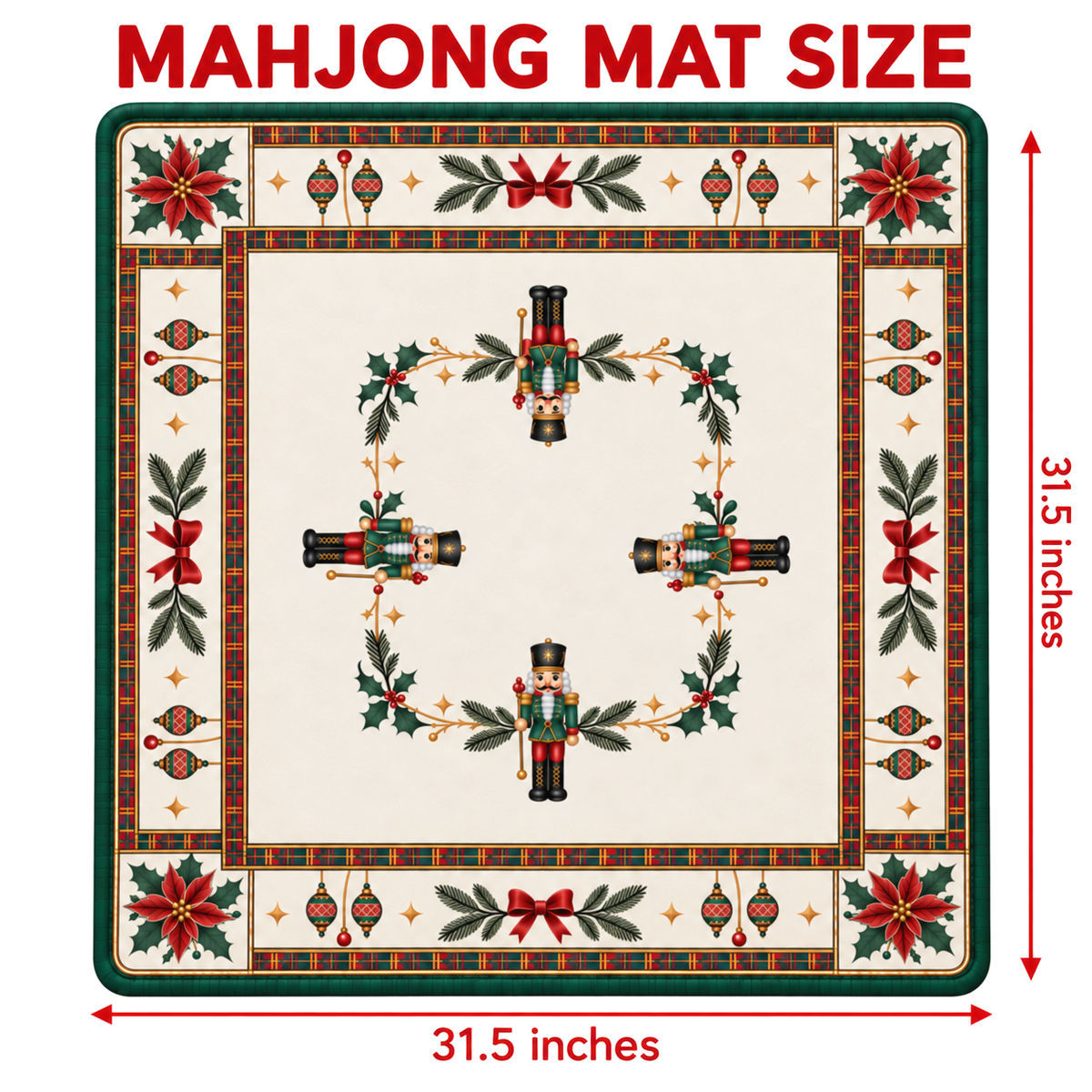
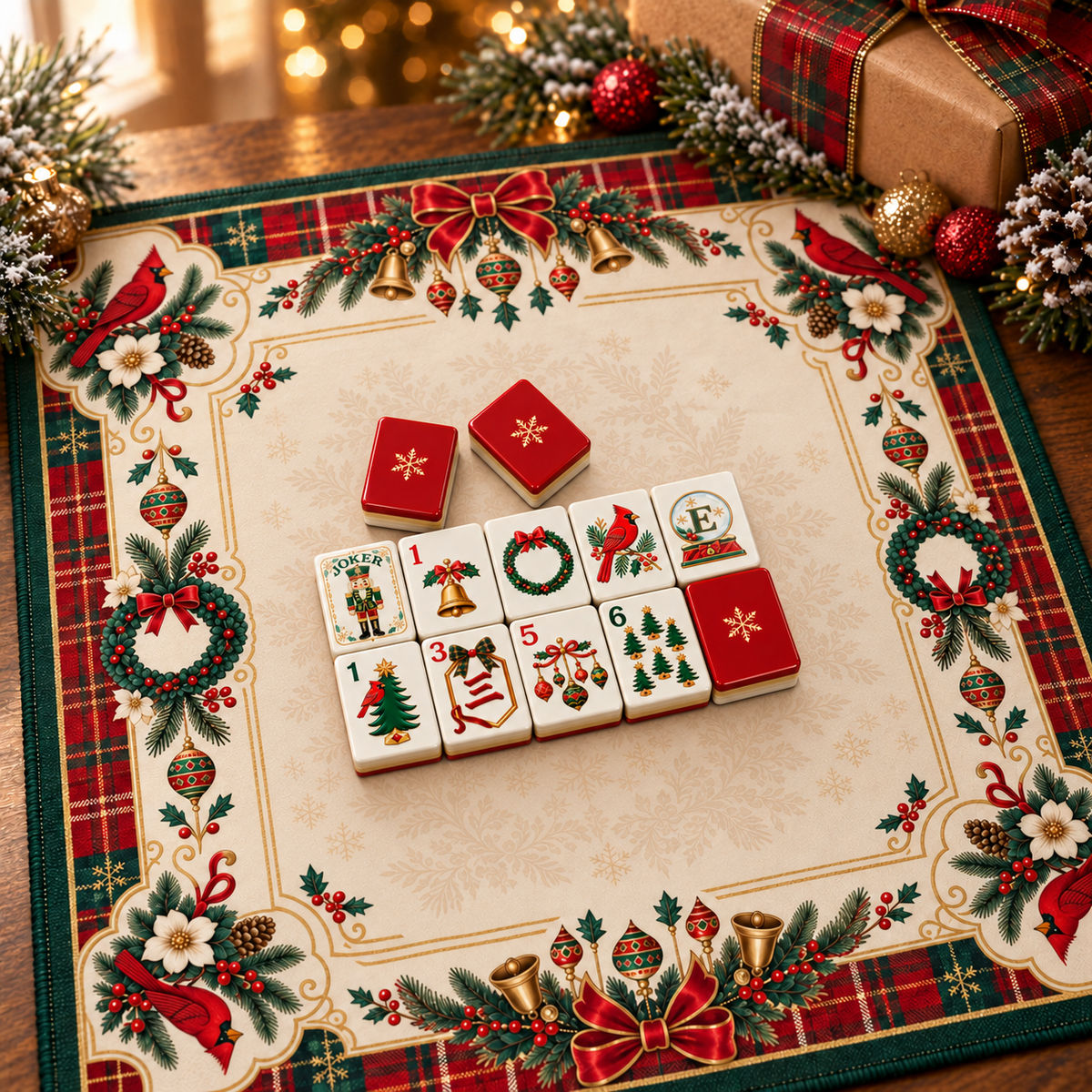
An expensive mahjong table (typically featuring a permanent playing surface, built-in racks, and cup holders) is worth the investment if you host weekly games in a fixed location and value setup speed and durability. Casual players or those with limited space usually do better with a quality mat laid over their dining table—which costs far less and packs into a closet. Mahjong tables range widely depending on wood, finish, and storage; browse our mahjong mats collection to see the mat-focused alternative. The real question isn't the price tag—it's whether your group plays often enough and your space accommodates permanent furniture. We'll walk you through the decision framework below so you buy once, not twice.
What actually separates a mat from a real mahjong table?
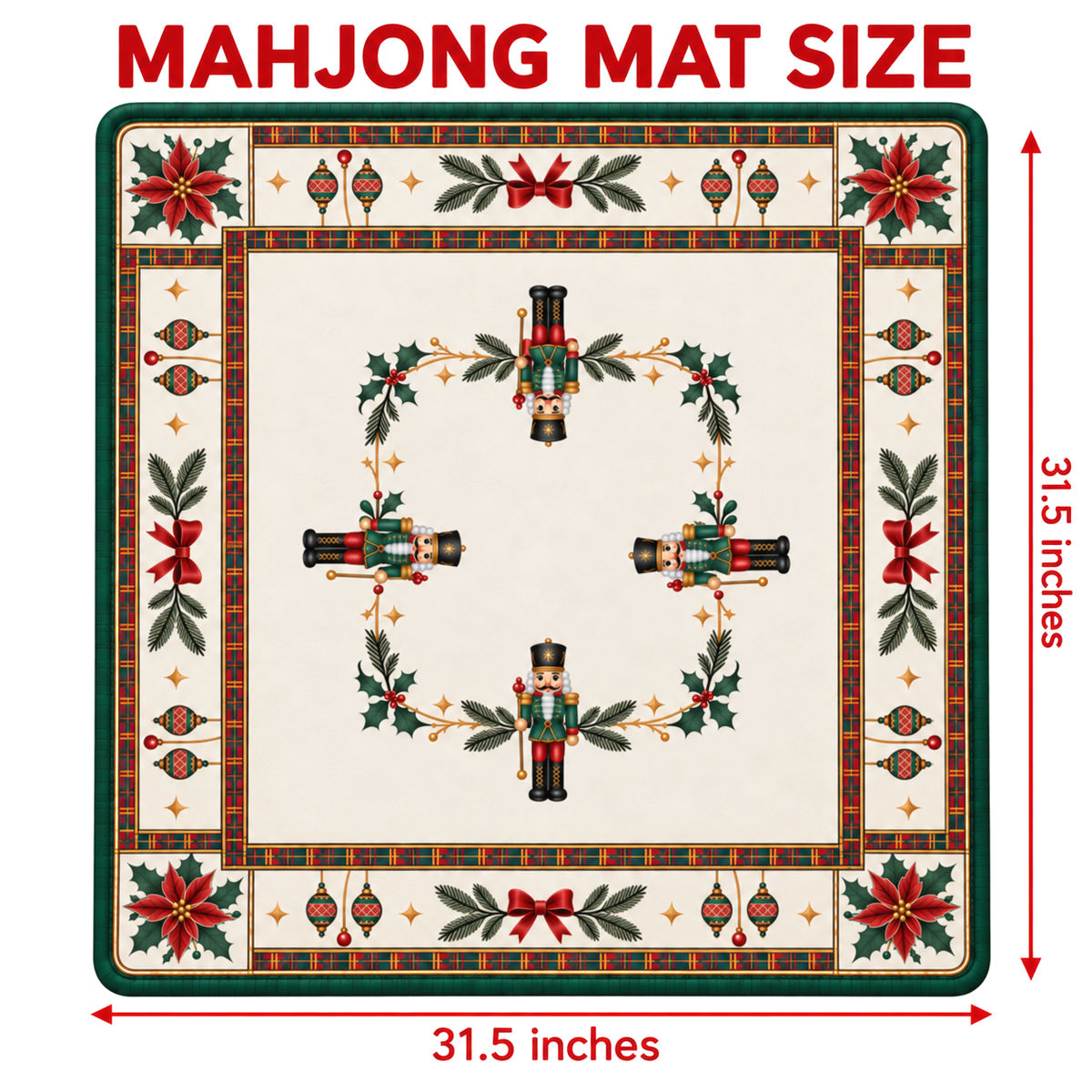
A mat is a padded or felted rectangle (typically 27 to 34 inches square) that rolls or folds up; you set it on an existing table and play. A table is furniture with a built-in recessed playing surface, sometimes with drawers, cup holders, and integrated tile racks below the rim. The mat lives in a bag between sessions. The table stays in your game room. The mat works anywhere. The table requires dedicated floor space—and an electrical outlet if it has lights.
Most groups we know started with a mat and upgraded later, or stuck with a mat for decades. Neither choice is wrong; it depends on your frequency, space, and budget.
How often do you actually play to justify a table?
If your group meets once a month, a mat works perfectly. If you host every Thursday night and tear down in 20 minutes, a table saves labor and setup frustration—but you're committing to that room. A table makes sense when weekly play is non-negotiable and you're tired of hunting a level surface, unrolling fabric, and centering everything by eye.
One practical test: count how many times you've played in the past year and divide by 52. If the number is less than one, a mat is your answer. If it's three or more, a table starts earning its keep through convenience alone.
What's the real cost difference and what does each include?
Mahjong mats range from basic felted rectangles to premium non-slip designs with stitched corners; see current pricing on the collection page. A quality mat typically includes a carrying bag, protecting your tiles and mat from dust. Mahjong tables vary enormously: basic folding models with a playing surface and no storage; mid-range tables with drawers and cup holders; high-end furniture with real wood, built-in lighting, and tile racks at each seat. Tables also differ by what you add: will you buy racks with pushers for each player separately, or does the table include them?
Choice | Who it's for | What you get | Why it matters |
Basic mat + carrying bag | Occasional players, travelers | Felted surface, portable | Plays anywhere, packs away |
Premium mat + bag | Weekly home games, apartment dwellers | Non-slip padding, reinforced edges, sturdy bag | Won't slide during fast play |
Folding mat-table hybrid | Casual weekly players, limited storage | Fixed playing surface, folds partially, basic setup | Faster than a mat, smaller than a full table |
Full furniture table | Dedicated game room, frequent host | Recessed surface, integrated racks, storage drawers, cup holders | Zero setup; tiles stay organized; professional feel |
What hidden costs do table owners discover too late?
Tables require space—not just for the table itself, but for four people to sit around it comfortably. You need clearance to push chairs back. If you later move, the table goes with you (or stays behind). A mat rolls into a closet. Tables also need maintenance: if the playing surface gets damaged or the cup holder breaks, you're paying for repair or replacement. Mats wear out too, but a worn mat costs less to retire. Some tables come with cheap lighting that burns out. Some have drawers that jam after a season of tile dust settling inside. We've heard players regret buying a table for the cup holders alone, only to discover the holders were too shallow for real glasses.
The hidden win: a mat paired with our best-selling mahjong sets gives you flexibility. You can upgrade your tile set without upgrading furniture.
How do you actually decide: table or mat?
Ask yourself these questions honestly:
Fixed location? Can the table stay in one room permanently, or do you move homes every few years?
Weekly or more? Do you play 50+ times per year in the same spot?
Setup time sacred? Does waiting five minutes to roll out a mat frustrate your group?
Space available? Do you have a room where a 3 × 3 foot or larger table won't block a walkway?
Budget for furniture? Can you spend the price of a quality table without guilt?
If you answer "yes" to at least three, a table is rational. If you answer "yes" to fewer than two, a mat wins. A mat also wins if you travel to multiple homes for games, play in restaurants or community spaces, or like to rotate hosting duties.
🀄 Shop mahjong mats and find the right fit →
What should you check before ordering—mat or table?
Before buying a mat:
Measure your dining or game table: is it at least 36 inches on each side? A mat overhang is fine, but too small a table makes it impossible to lay tiles.
Check the mat's thickness: thinner mats (under 1/4 inch) slide on smooth tables; thicker ones grip better but may need a non-slip underlay.
Confirm the carrying bag fits your car or closet. Some bags are bulkier than the mat itself.
Test whether the stitching or edges will curl up during storage (quality bags prevent this).
Before buying a table:
Verify the recessed playing surface dimensions match your tile set and the National Mah Jongg League card layout.
Ask if integrated racks are included or sold separately—and if they're removable (some players prefer none, or prefer our dedicated racks with pushers).
Inspect whether drawers have felt lining or bare wood (felt prevents tile chips; wood stains over time).
Check if cup holders have rubber bottoms or if glasses will slide during excited calling.
Confirm delivery and assembly: does the price include installation? Will they remove the packaging? Some tables arrive in pieces; can your household assemble them?
🎁 See our most-loved mahjong sets & accessories →
Real-world test: what do long-term players actually use?
We've hosted or attended games in apartments with mats rolled into closets, in basements with permanent tables, and in living rooms where a mat lived on a coffee table year-round. The mat players say they love the flexibility. The table players say they'd never go back—the recessed surface keeps tiles from sliding, and the integrated racks mean no fumbling with separate tile holders. Neither group regrets their choice, but each chose based on their life situation, not a single "best" answer.
One pattern we've noticed: groups that moved to a table after years with a mat almost never downgraded. But that's partly because by then they had a dedicated game room. Groups that stayed with mats did so happily because their priorities didn't align with permanence.
✨ Find your Mahstead set — free US shipping →

FAQ
Can I use a mahjong mat on any table, or does it need to be a certain size?
A mat works on any flat table at least 36 inches square, though larger is easier. Measure your table first. The mat will overhang smaller tables slightly, which is fine—the important part is that all four sides have room to reach and tiles don't fall off.
Do I need to buy racks with pushers if I have a table?
Some mahjong tables include built-in racks; check before buying. If not, or if you prefer separate racks, you'll add that cost. Some players actually prefer no racks—they hand-hold or rest tiles on the table edge.
What's the main advantage of a mat over a table for casual players?
Portability and cost. A mat packs into a bag, fits a closet, and moves with you between homes or group venues. You're not locked into one room or a large furniture expense.
If I buy a table, is it easy to store or move later?
It depends on the table design. Folding hybrid tables collapse and fit a car. Full furniture tables require a truck or moving service and are slow to disassemble. Think of a table as a semi-permanent choice, not temporary.
Do expensive mahjong mats last longer than cheap ones?
Quality mats have reinforced stitching, thicker padding, and better non-slip backing, so they resist wear and sliding over time. A cheap mat may curl at edges or thin out within a season. A premium mat from our mahjong mats collection typically lasts years with care.
What's included in a mahjong table, and what do I buy separately?
That varies widely. Some tables include cup holders and drawers but no racks. Others include fabric-lined storage but basic cup holders. Always confirm before buying: integrated racks, lighting, carrying handles, underside storage, and felt lining. If racks aren't included, budget for them separately.


View More
View More
View More
