
Is an Expensive Mahjong Table Cover Worth It?
Last updated: Nov 23, 2026
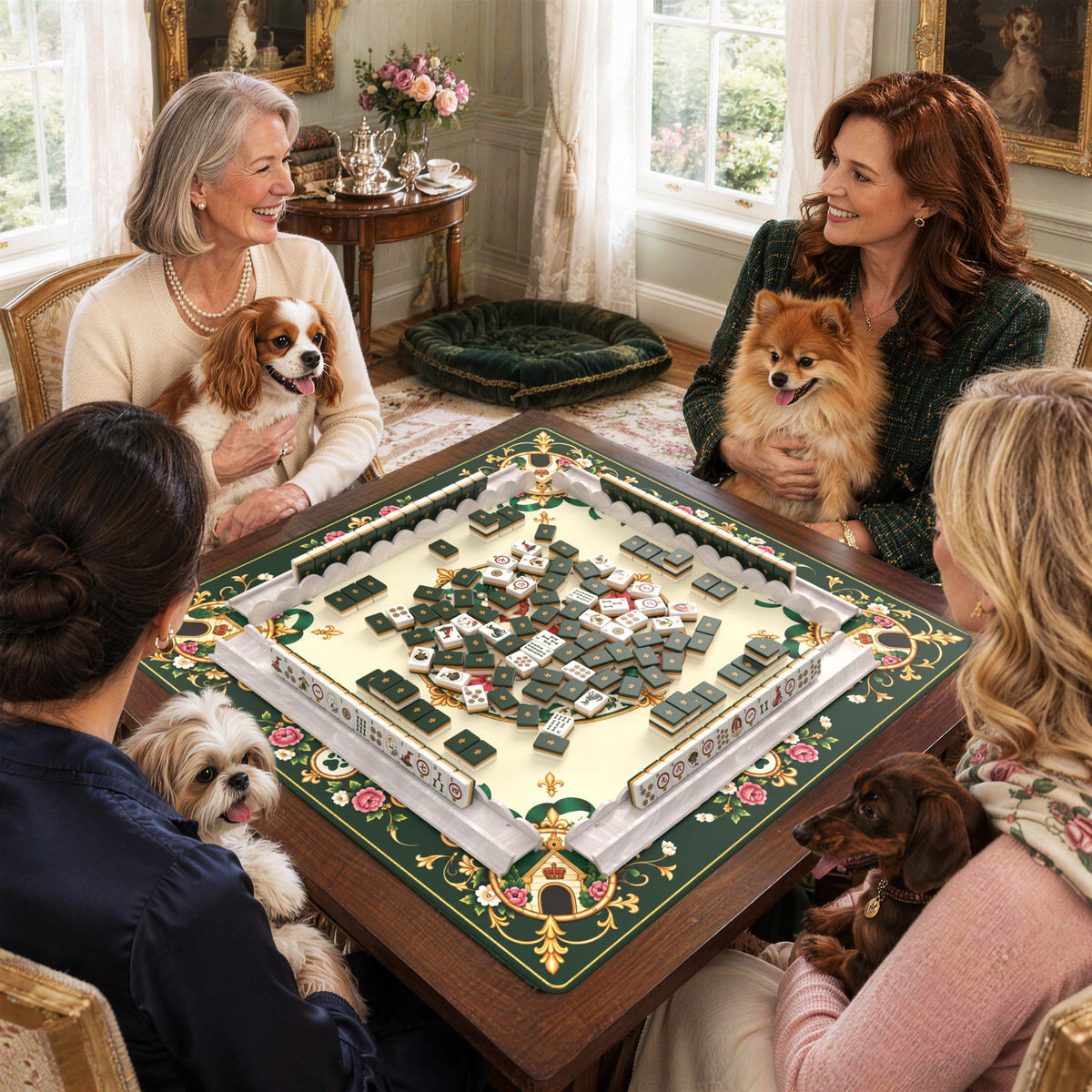
A mahjong table cover (or mat) sits on top of your dining or card table and provides a dedicated playing surface for tiles, racks, and pushers. Quality varies from lightweight fabric covers (most affordable, portable) to reinforced acrylic or felt-backed mats that last years of weekly play. The real value depends on your setup: a casual player hosting occasional games might use a basic cover; a serious weekly group benefits from a durable mat that protects felt or wood underneath and stays flat through hundreds of sessions. Mahstead offers mahjong mats in different sizes and finishes so you can match your table and play style. Cost increases with thickness, backing quality, and edge finishing, but the protection and comfort usually pay back within one season of regular use.
A mahjong table cover protects your furniture and creates a smooth playing surface—but price varies widely. We break down when to invest in a premium mat and when a basic cover does the job.
What exactly is a mahjong table cover versus a mat?
A table cover is any protective layer you place on a table before play. In mahjong, this ranges from a simple folded cloth to a purpose-built mat with precise tile-catching edges and a non-slip backing. The difference: a cover is temporary and often folds away; a mat is semi-permanent, usually stays in place, and is engineered to handle the friction and movement of racks, pushers, and shuffling. A true mat resists staining, flatness loss, and slipping—things a basic cover cannot guarantee after fifty games.
Who actually needs a premium mat instead of a basic cover?
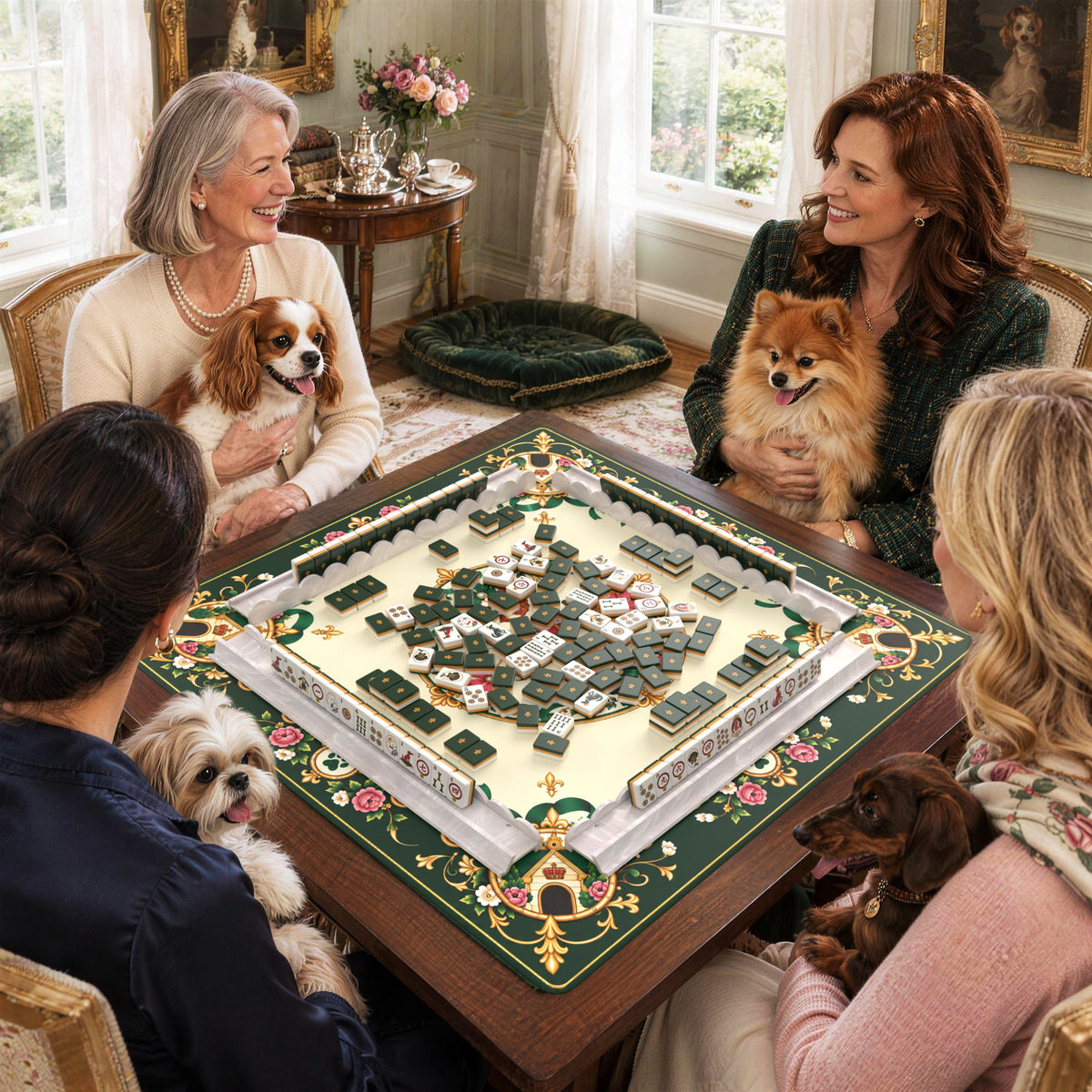
If you host weekly or monthly games, a premium mat pays for itself through durability alone. Casual players (one or two games per year) can use a lightweight cover. Serious groups—anyone playing 52+ times per season—see wear patterns emerge: felt pilling, color fading, edge curling. A reinforced mat with a felt or acrylic surface and backing resists all three. If your table is heirloom wood or you rent your space, a mat is insurance; if you own a beater card table, a cover is fine. How to choose a mahjong mat walks through size, finish, and longevity for each player type.
🀄 Shop best-selling mahjong sets →
What are the real durability differences?
A budget cover (basic fabric, no backing) shows wear in 20–30 games: flattening where racks sit, pilling from tile shuffling, color loss from spills. A mid-range mat (felt or acrylic with partial backing) lasts 200–300 games before showing creasing or edge fraying. A premium mat (thick acrylic, full non-slip backing, reinforced edges) survives 500+ games with minimal visible change. The reason: cheaper covers lack mechanical support under the playing surface. When your pusher drags a rack across a flimsy cover, the fabric underneath compresses and never bounces back. Premium mats distribute friction across a sturdier substrate—acrylic doesn't compress, and full backing grips the table so racks don't slide. If you play 100+ times per year, a premium mat costs roughly the same per-game as replacing a cheap one twice.
What's the hidden cost of a cheap mat failing mid-season?
A cover that curls or stains during a game interrupts play and feels unprofessional. If it slips, racks tip and tiles scatter—cleanup takes 15 minutes. If it absorbs liquid (spilled tea, wine), the stain sets and smells. A guest comments. You feel rushed to replace it. A mid-season replacement costs money and time, and you may not find the same size or color. Premium mats don't solve all spills (coasters and wiping still matter), but they repel stains and stay flat through a full evening. For groups, that's peace of mind worth the upfront cost. Our mahjong mats collection includes mats built for high-traffic games so your setup stays photo-ready season after season.
🎁 See our most-loved mahjong sets & accessories →
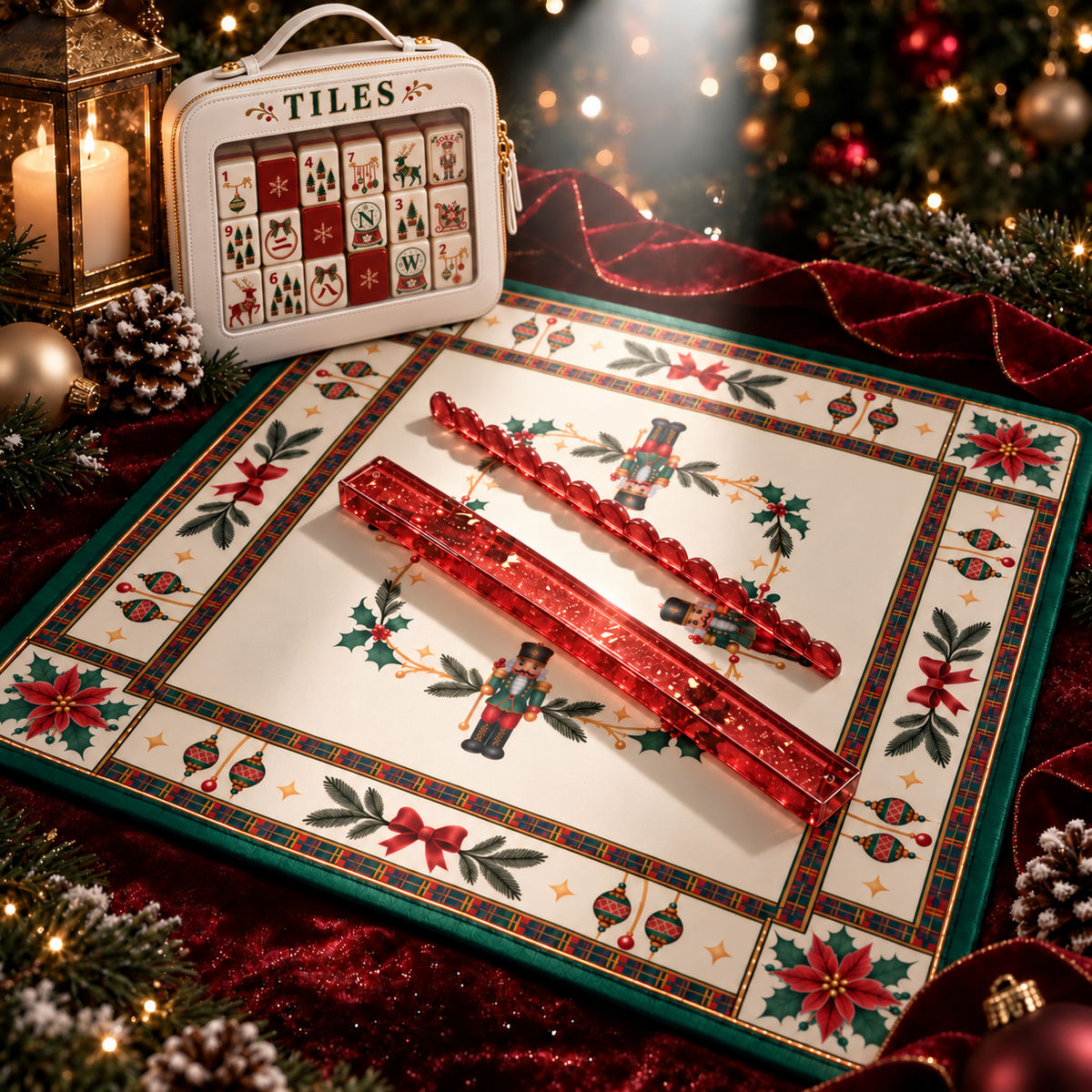
How do you compare mat options before spending?
Use Case | Best Choice | Key Feature | When to Buy |
Casual, 1–2 games/year | Lightweight fabric cover | Portable, easy storage | Once per season or on demand |
Regular host, 2–4 games/month | Mid-range felt or acrylic mat | Non-slip backing, 200+ game life | Spring before hosting season |
Serious weekly player or group | Premium acrylic mat, reinforced edges | 500+ game durability, stain resistance | Once; lasts 2–3 years |
Travel, swap between tables | Compact roll-up cover | Lightweight, fast setup/breakdown | As-needed for flexibility |
Use this table to match your play frequency, table type, and storage space. Count your actual games per season—many casual players overestimate and end up replacing a cheap cover in frustration. Serious groups should measure their table (most covers are 48–60 inches) and confirm non-slip backing before ordering.
What should you check before ordering a mat?
Before you buy, confirm three things: (1) Table size: measure length and width; most mats come in standard sizes (48×48, 54×54, 60×60 inches). An undersized mat slides; oversized mats overhang and catch racks. (2) Backing type: felt backing is affordable but can slip on lacquer or glass; non-slip rubber backing costs more but grips all surfaces. (3) Edge finish: reinforced or bound edges last longer than raw hems, which fray and curl after 50 games. Ask the seller: Does this mat stay flat after 100 games? Does the backing grip a wood table without sliding? If they can't answer, the mat is probably not premium-grade. Many players also ask whether they need a matching mahjong set with an engraved or titled design—a mat and a beautiful set together create a polished, intentional game space.
✨ Find your Mahstead set — free US shipping →
Is a mat worth it if you only play at other people's houses?
If you travel to games, a mat is less critical unless you're the host. A compact, lightweight cover fits in a mahjong travel bag and protects whatever table you find. If you host even once, a permanent mat makes you look prepared—guests notice. A premium mat also works on any table shape or surface (wood, glass, tile), so it's versatile across venues. For someone who plays 20–30 times per year at different locations, a mid-range portable mat is the sweet spot: lightweight enough to carry, durable enough to justify the expense, and professional enough to reflect your love of the game.
FAQ
Can I use a regular tablecloth instead of a mahjong mat?
A tablecloth is not ideal; it shifts under racks, doesn't provide tile gripping, and absorbs spills. A mat is designed for mahjong friction and tile handling. Tablecloths are decorative; mats are functional.
How do I know if a mat's backing will grip my table?
Rubber or non-slip backing grips wood and laminate best. Glass and high-gloss lacquer need full rubber coverage (felt alone slips on these). Ask the seller what table surface they tested on.
Does a mat come rolled or folded?
Most arrive rolled to avoid creases. Unroll and lay flat for 24 hours before use. Folded storage is fine; just don't crease the playing surface permanently.
What's the warranty on a premium mat?
We don't make warranties on wear; heavy use is normal. Premium mats should last 500+ games without visible damage. If a mat delaminates or tears from normal play, contact the maker.
Can I wash or clean a mahjong mat?
Wipe spills immediately with a dry cloth. For stains, use mild soap and a damp cloth, then air dry flat. Don't machine wash. Acrylic mats resist staining better than felt, so they need less cleaning overall.
Should I buy a mat at the same time as a new set?
Not required, but it's smart. A new set and a fresh mat together create a cohesive, ready-to-host setup. If you already have a good mat, you don't need to replace it for a new set.
Can I use a mat outdoors?
Most mats are designed for indoor tables. Outdoor sun fades color and weakens backing glue. If you host outdoors, use a lightweight cover and bring it inside after each game.


View More
View More
View More
