
How to Tell if Mahjong Tiles Are Plastic: A Player's Guide
Last updated: Nov 23, 2026
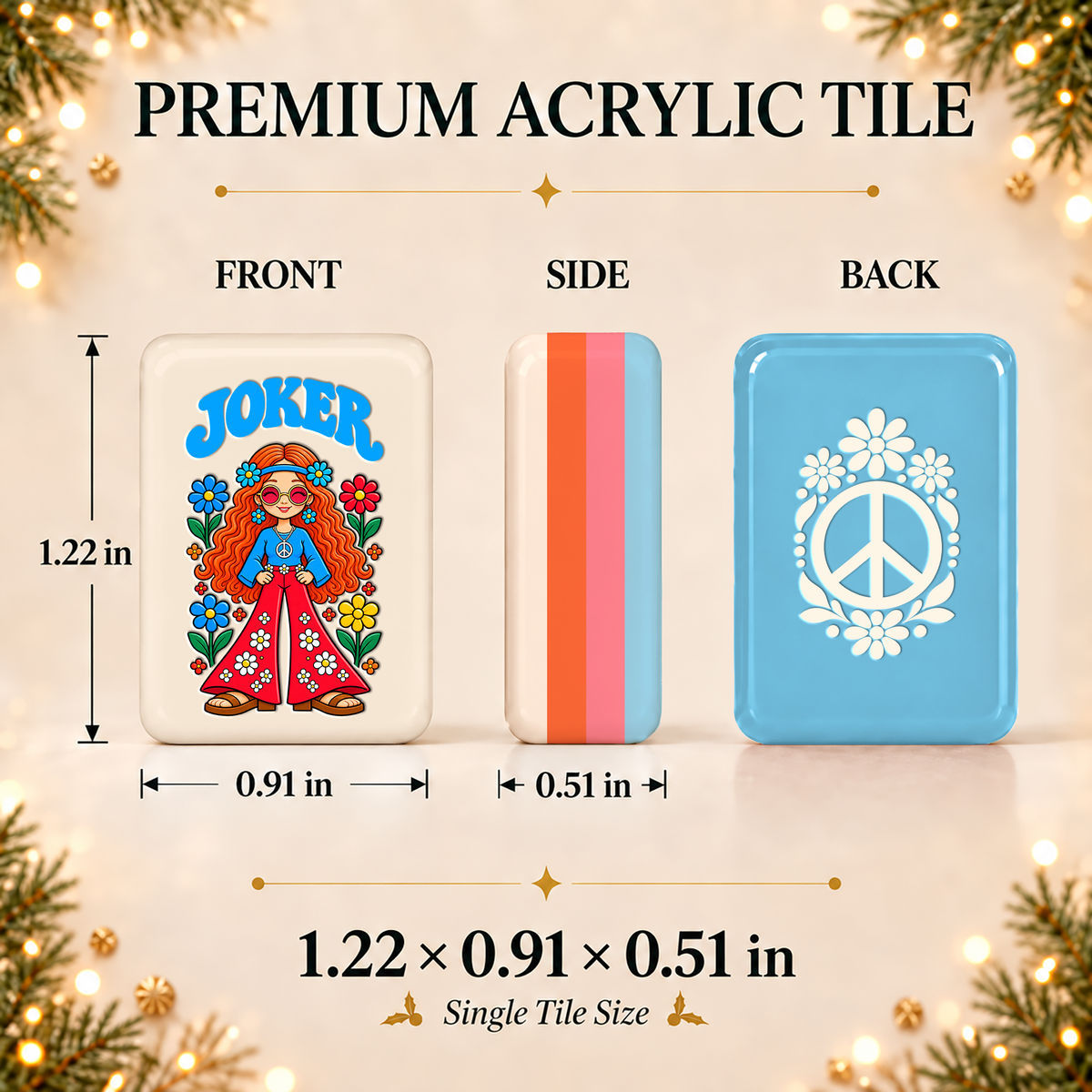
Plastic mahjong tiles fall into two camps: acrylic and injection-molded resin. Acrylic tiles (used in quality American sets) feel heavier, have crisp edges, and resist warping; the engraving stays sharp after thousands of shuffles. Cheap injection-molded tiles feel hollow, dull quickly, and develop cracks along seams. Check for weight first—genuine acrylic tiles have noticeable heft compared to flimsy alternatives. Look at the face: acrylic shows precise, deep engraving that catches light evenly; low-grade plastic has shallow, inconsistent marks that fade. Examine the edges under bright light for chips, rough seams, or gaps between layers—signs of poor molding. Tap two tiles together; quality acrylic produces a clean click, while cheap plastic sounds hollow or muted. Feel the surface texture: acrylic is smooth and slightly warm to touch, while low-grade resin feels slick or tacky. A 160-tile acrylic American mahjong set from a reputable maker will cost more upfront but outlast three sets of bargain tiles combined.
Real mahjong players know the difference between flimsy tiles and ones built to last through seasons of play. We'll show you exactly what to check.
Why Does Tile Material Matter for Your Game?
When you're shuffling 152 tiles twice a week for months, material directly affects enjoyment and cost per shuffle. Cheap tiles wear fast: engravings fade, surfaces crack, edges chip, and you'll replace them within a year. Quality acrylic tiles stay sharp and smooth for five years or more, even in humid climates. The difference isn't snobbery—it's the gap between a tool that feels good in your hand and one that frustrates you every time you play. Weekly players notice this within the first two hours; once you've held real acrylic, the hollow feel of injection-molded resin becomes impossible to ignore.

How Do You Spot Acrylic Tiles vs. Cheap Injection-Molded Plastic?
Acrylic tiles and low-grade injection-molded resin look similar from across the table, but feel completely different in play. Acrylic is homogeneous—the whole tile is one solid material, extruded or cast and cut to precise dimensions. Injection-molded resin is made in a mold, often with hollow sections or thinner walls to reduce cost; this creates seams, weak points, and inconsistent weight. Pick up three tiles from any set and stack them. Acrylic tiles weigh noticeably more and stack evenly without rocking; cheap tiles feel light and may rock slightly because corners are uneven. Look at the surface under a lamp: acrylic engraving is uniform in depth and brightness across every character; injection-molded tiles often show variations where the engraving looks shallower near the corners (a sign the mold wasn't filled evenly). The most reliable test is the edge. Run your thumbnail along the edge of an acrylic tile—it's smooth and beveled. Run it along cheap plastic—you'll feel micro-rough patches, tiny gaps, or edge peeling where layers separate.
🀄 Shop best-selling mahjong sets →
What Do You Feel When You Shuffle Quality vs. Poor Tiles?
In our weekly games, we shuffle tiles for 30–60 seconds every round. After two rounds with bad tiles, your hands get tired or frustrated; after 20 rounds with good ones, you forget you're shuffling at all. Quality acrylic tiles produce a clean, rhythmic click-click-click sound as they tumble. The noise is consistent because all tiles weigh the same and have identical smooth surfaces; the shuffle feels controlled and pleasurable. Poor injection-molded tiles rattle—some are heavier, some lighter, so the tumble is uneven. The sound is hollow or muffled, and often irregular, because the plastic isn't uniform. You also notice the feel: acrylic is cool and slightly slick, so tiles glide smoothly across a mat and separate easily when you draw from the wall. Cheap resin gets sticky (especially in humid rooms), tiles stick together, and drawing feels clunky. Tap two tiles together. Acrylic produces a crisp, clear ping—it's a satisfying sound that tells you the tiles are solid. Cheap tiles make a dull thud or a rattling echo inside, which is the hollow chamber moving. After one evening with bad tiles, experienced players will ask to borrow your set.
How Do Engravings Differ, and Why Does That Matter Long-Term?
The character engraved on each tile is where quality differences show up most over time. Acrylic engravings are cut or laser-marked at consistent depth (usually 0.8–1.2 mm) across every tile. The lines are sharp, the fill (if any) is even, and the whole design remains legible after years of play. Cheap injection-molded tiles often have engravings that are:
Shallow and inconsistent — the mold doesn't fill evenly, so depth varies across a single tile
Fuzzy or filled with micro-cracks — because the plastic is brittle and cools unevenly
Already fading after 50 shuffles — poor engraving adhesion causes ink or fill to lift
After three months of weekly play, you'll see the difference. A real Bam (the 1 Bam with the bird illustration) on acrylic remains crisp and detailed; on cheap plastic, fine lines blur or vanish. This matters because you read the tiles quickly in your hand—fuzzy engravings slow you down and cause misreads that cost you the hand. We've all played with borrowed sets where the Dots looked like blurs and the Dragons had pale faces; you spend the whole game squinting instead of enjoying play.
Compare this to a collection of engraved American mahjong sets designed for repeated heavy use: the engravings are meant to survive thousands of shuffles with zero fade.

What Physical Signs Tell You a Set Will Fail Soon?
Before you buy or accept a set, check these five things in a bright room:
Check | Quality Acrylic | Poor Plastic | What It Means |
Edge under lamp | Smooth, beveled, uniform | Rough, micro-cracks, gaps | Molding quality; poor edges crack fast |
Engraving depth | Consistent across all tiles | Varies; shallow in corners | Mold filling; inconsistency = early wear |
Surface texture | Matte or satin; uniform | Glossy, sticky, or uneven | Surface coating; cheap coats flake |
Weight per tile | All tiles identical weight | Varies noticeably (±5–10%) | Material consistency; variance = hollow spots |
Sound when tapped | Clear ping; no echo | Hollow rattle; muted thud | Interior structure; hollow = brittle |
Red flags that mean don't buy: visible seams on tile faces, tiles that feel warm to the touch even at room temperature (sign of unstable material), engravings that have already started to flake, or a set where not all tiles look the same color (indicates batch inconsistency or reuse of scrap plastic).
🎁 See our most-loved mahjong sets & accessories →
How Should You Care for Plastic Tiles to Extend Their Life?
The best tile material fails faster if you don't store and play correctly. Acrylic tiles are durable but not indestructible, especially against heat and direct sunlight. Store your set in a cool, dry place—not a car in summer or a damp basement. Use a protective mahjong bag or case to keep tiles from tumbling loose or being stepped on. Play on a proper mahjong mat (not a bare table), which cushions tiles and prevents edge chipping. After heavy shuffling, let tiles rest for 15 minutes before packing them away—they'll be slightly warm, and cooling gradually prevents warping. Never leave tiles in direct sunlight or near a heater. If you live somewhere very humid, consider a cloth bag with ventilation rather than a sealed case, since trapped moisture can cloud acrylic over years. Most importantly: don't mix sets. Once you've bought quality acrylic, don't borrow cheap plastic tiles for your regular games, and don't lend your good set to people who will leave it in a hot car. One set, one group, kept consistent—that's how acrylic tiles stay sharp for five years or more.
✨ Find your Mahstead set — free US shipping →
What to Check Before You Buy
Material: Ask explicitly. If the seller says "plastic" but can't specify acrylic vs. injection-molded, move on. Quality makers call their material type clearly (e.g., "acrylic 160-tile set").
Weight and feel. Request a sample tile or watch unboxing videos where someone handles tiles directly. Hefty, smooth tiles are the sign.
Engraving consistency. Look at photos of multiple tiles under bright light. Engravings should be identical in depth and darkness across all suits.
Edge finish. Photos alone won't show edges clearly, but ask the seller if edges are beveled or flat. Beveled edges suggest care in design.
Return or exchange policy. Buy from makers who stand behind their product—if a tile cracks within 30 days, they'll replace it.
Price relative to competitors. Quality acrylic sets cost more than injection-molded ones because the material and labor are real. If a price seems too good, the tiles probably are too.

FAQ
Can you tell if tiles are acrylic just by looking at a photo online?
Partially. Look for sharp, uniform engravings across all tiles and smooth edges. Photos showing inconsistent character depth or visible seams suggest cheap injection-molded plastic. Asking the seller directly is always fastest.
How long do acrylic tiles actually last with weekly play?
Quality acrylic tiles stay sharp and playable for 4–6 years with weekly use (150+ shuffles per year). Cheap plastic typically fails—engravings fade, edges chip, or tiles crack—within 12–18 months. Proper storage (cool, dry, in a case) adds 1–2 years to any set's lifespan.
Will cheap plastic tiles hurt your game or just your pride?
Both. Fuzzy engravings slow down tile recognition, which costs you seconds per turn. Uneven weight makes shuffles feel chaotic. Hollow tiles stick to mats or each other, messing with draw timing. Experienced players immediately notice the difference and won't enjoy borrowing or playing with bad tiles.
Is there a middle ground—good enough plastic that's cheaper than premium acrylic?
Not really. There's acrylic (good for years), and there's injection-molded resin (fails in 1–2 years). Many sellers brand resin as "premium plastic" to bridge the price gap, but it still fails faster. The actual middle ground is buying one good acrylic set and keeping it for 5+ years instead of replacing cheap sets twice.
How do you know if tiles are warped or damaged when you receive them?
Stack them flat on a table—they should align perfectly with no rocking. Tiles that are warped will pivot on a corner. Hold three tiles up to bright light and look at the edges; warping creates shadows or gaps. Tap all tiles on a hard surface; any sound different from the others may indicate cracking inside. If they arrived damaged, contact the seller right away for replacement.
What's the difference between matte acrylic and glossy acrylic tiles?
Matte (satin-finish) acrylic is more forgiving with fingerprints and reflects less glare under bright lights, making characters easier to read. Glossy acrylic looks more elegant but shows dust and oil marks. Both are equally durable; it's a comfort choice for your play style and room lighting.


View More
View More
View More
