
How to Tell if Mahjong Tiles Are Jade: A Player's Guide
Last updated: Nov 23, 2026
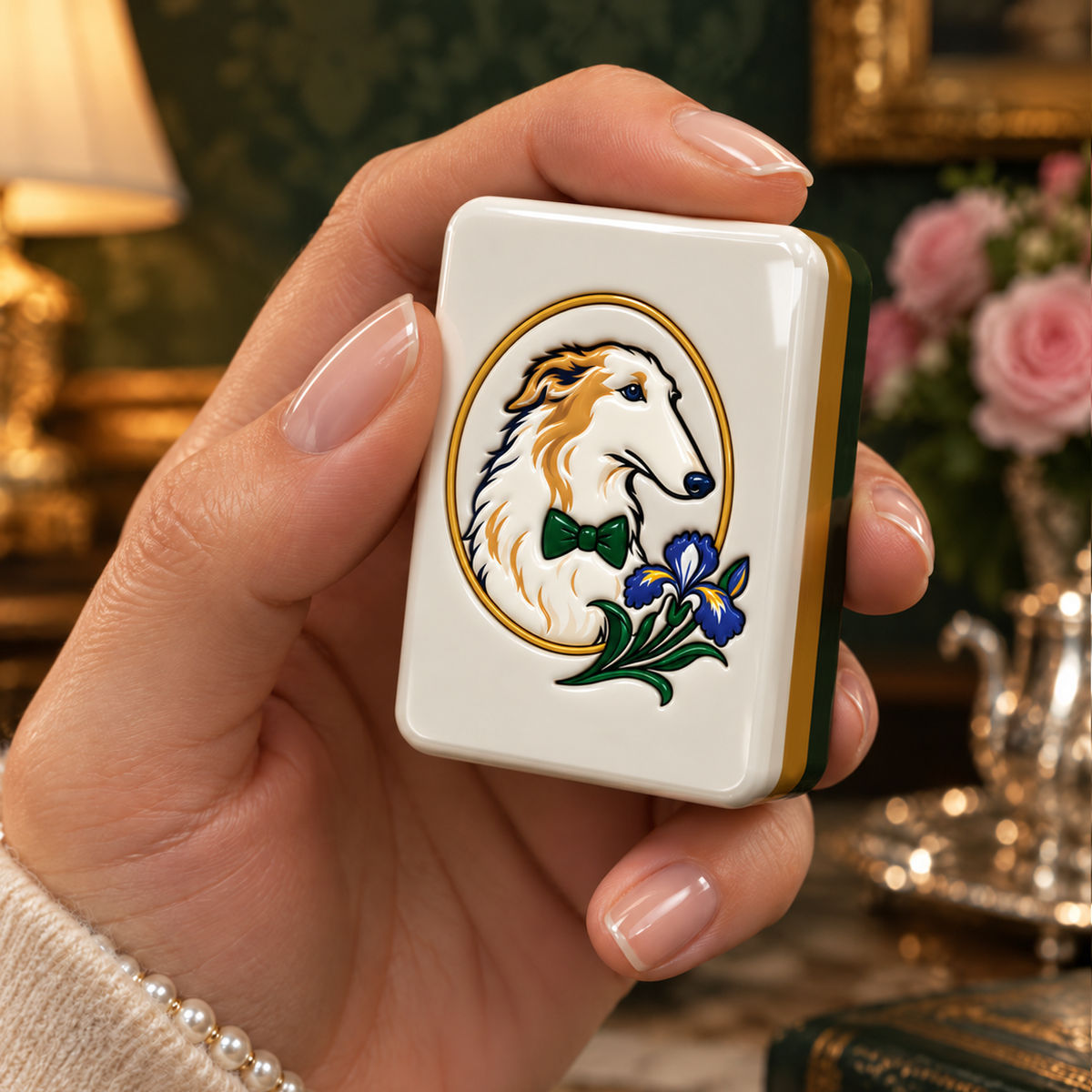
Real jade tiles are heavier than plastic (typically 8–12 grams per tile), feel warm to the touch, and emit a clear ring when struck gently against another tile. Authentic jade is translucent when held to light—you'll see a faint glow through the material—and never completely opaque. The surface has a subtle waxy sheen, not a high plastic gloss. Weight varies by jade type (nephrite is heavier than lighter varieties), but consistent density across a set indicates quality. Test tiles individually: knock two together; a dull thud suggests resin or cheaper stone, while jade produces a bell-like tone. Avoid tiles labeled "jade-colored" or "jade-effect"; these are almost always acrylic or synthetic composite. If you're unsure, buy from trusted players or reputable makers who provide material documentation. Our best-selling mahjong sets include transparent acrylic options that declare their material upfront, so you know exactly what you're getting.
Real jade mahjong tiles are heavier than plastic (typically 8–12 grams per tile), feel warm to the touch, and emit a clear ring when struck gently against another tile. Authentic jade is translucent when held to light—you'll see a faint glow through the material—and never completely opaque. The surface has a subtle waxy sheen, not a high plastic gloss. Weight varies by jade type (nephrite is heavier than lighter varieties), but consistent density across a set indicates quality. Test tiles individually: knock two together; a dull thud suggests resin or cheaper stone, while jade produces a bell-like tone. Avoid tiles labeled "jade-colored" or "jade-effect"; these are almost always acrylic or synthetic composite. If you're unsure, buy from trusted players or reputable makers who provide material documentation.
What does authentic jade feel like in your hand?
Genuine jade tiles warm quickly in your palm—they don't stay cold like plastic. Pick up a tile and hold it for thirty seconds; real jade absorbs and releases body heat gradually. The surface is slightly slick but not slippery, with a faint waxy texture. Plastic tiles feel inert and remain cool; resin or composite tiles often feel gritty or slightly tacky. Run your thumb across the engraved characters: jade holds detail sharply, with no fuzzing at edges. Fake materials often have micro-roughness or feel chalky where carved.

How do you test the sound of jade tiles?
Hold two tiles loosely between your fingers and tap them together gently—not a hard clang, just a controlled knock. Jade produces a sustained, bell-like note that rings for 1–2 seconds. Plastic makes a dull thunk that stops immediately. Resin or bone composite falls between the two: a shorter ring without clarity. Record the sound on your phone and compare tiles across the set; inconsistent tones within a single set often mean mixed materials or poor quality. Experienced players learn this test in their first few games and can identify a set's material across a noisy room.
What does light reveal about jade authenticity?
Hold a single tile up to a bright window or phone flashlight. Real jade allows light to pass through, creating a subtle glow—the tile is translucent, not transparent. You won't see through the whole tile, but you'll notice the stone is not solid dark. Degree of translucency varies by jade type and thickness, but some light always penetrates genuine material. Plastic tiles block light almost completely or are uniformly bright (if they're clear acrylic). Painted or stained resin tiles may glow unevenly or show the stain layer separately. Compare side by side: true jade has a uniform, warm glow; fakes show sharp light boundaries or no glow at all.
What weight should jade tiles have, and does it matter?
Standard jade tiles weigh 8–12 grams each; a full 152-tile set (playing tiles only, plus spares in a 160-tile package) would weigh roughly 1.2–1.8 kg. Nephrite jade is denser and heavier; lighter jade varieties or jade-bone blends weigh slightly less. Weight consistency across all tiles in your set is the real tell: if five tiles feel heavy and five feel light, you're likely holding a mix of materials or a poor casting. Pick up two tiles randomly and compare; they should feel nearly identical. Plastic sets are dramatically lighter—roughly 1–2 grams per tile. If your set feels like it could float, it's acrylic or resin, not jade.

How do you spot jade-colored fakes and marketing tricks?
"Jade-colored," "jade-effect," and "jade tone" tiles are marketing language for acrylic, resin, or dyed bone that look green or pale but are not jade. These materials are far cheaper and faster to produce. Real jade sellers use the word "jade" alone, often with a type: "nephrite jade," "light jade," or "jade-bone blend." Be suspicious of sets labeled only by color ("green tiles," "pale tiles") without material confirmation. Ask the seller directly: "What material are these tiles made from?" If they avoid the question or use vague terms, walk away. Our engraved American mahjong sets are made from acrylic or specific stone materials and list the material plainly so you're never guessing.
🀄 Shop best-selling mahjong sets →
Jade vs. acrylic vs. bone: what's the real difference?
Material | Weight per tile | Sound test | Light test | Cost basis | Best for |
Nephrite jade | 10–12 g | Clear, sustained ring | Translucent glow | Premium | Serious collectors; weekend games |
Lighter jade | 8–10 g | Slightly shorter ring | Faint glow | Mid-range | Regular players; mixed-material sets |
Acrylic | 2–4 g | Dull thud or muted click | Opaque or clear depending on color | Budget-friendly | Beginners; travel sets; durable all-weather play |
Bone composite | 6–8 g | Muted ring | Minimal translucency | Mid-range | Some traditional sets; uneven quality |
Jade tiles last decades and feel premium in hand, but acrylic sets are durable, ship well, and are easier to replace a broken tile. Bone is a middle ground but inconsistent. Choose based on your play frequency and budget, not just material name.
What should you check before buying jade tiles?
Before committing to a jade set, ask the seller for:
Material confirmation in writing: "These are nephrite jade" or "light jade," not just "jade-colored."
Weight and translucency details: Ask if they've weighed a sample tile and whether light passes through.
A sound test or recording: Request a short video of the tiles knocking together.
Return policy: Reputable sellers accept returns if tiles don't match the material description.
Provenance or origin: Where were they carved? By whom? Established artisans stand behind their work.
If the seller offers only photos and vague language, it's a red flag. Real jade sellers are proud to describe their material.
🎁 See our most-loved mahjong sets & accessories →
Common mistakes when shopping for jade tiles
Assuming green = jade. Many acrylic and resin tiles come in pale or forest green but are not jade. Material matters; color does not.
Buying based on price alone. If a "jade" set costs half what competitors charge, it's probably acrylic or composite. Real jade has a price floor.
Ignoring the sound. This is your fastest, most reliable test. A dull thud is almost always a sign of synthetic material.
Not checking consistency across the set. Five tiles may be jade, five may be acrylic—especially in older or mixed sets from unclear sources.
Confusing jade with other stone. Soapstone, aventurine, and other green stones ring differently and have different weights. Ask specifically for jade.
Players in our weekly games who rushed to buy "jade" sets online often ended up with acrylic and felt cheated. The players who asked questions first and did the weight and sound tests always got what they paid for.
✨ Find your Mahstead set — free US shipping →

FAQ
Can you tell if tiles are jade just by looking at them?
Not reliably. Color alone is not proof—many plastics and resins come in jade-like shades. Weight, sound, and translucency together confirm authenticity. Ask the seller for material documentation if you're unsure.
What's the difference between nephrite jade and other jade types?
Nephrite is denser and heavier than lighter jade varieties; it also rings longer when struck. Both are real jade, but nephrite is typically more expensive and durable. Sellers should specify which type you're buying.
Are acrylic tiles as good as jade for regular play?
Acrylic tiles are durable, ship without damage, and are easier to replace if broken. They're excellent for weekly games and travel. Jade tiles feel premium and last decades but are heavier and more fragile. Choose based on play frequency and comfort with replacement costs.
How much should jade mahjong tiles cost?
Price depends on jade type, carving quality, and where you buy. Compare sets side by side and always verify material in writing. Avoid sellers who won't specify the stone type or allow returns.
What's the easiest way to spot a fake jade tile?
Knock two tiles together. Jade rings clearly; plastic thuds dully. This one test catches most counterfeits. Follow up with a weight and light check to confirm.
Can jade tiles break if I drop them?
Yes. Jade is durable but not unbreakable—a hard fall onto tile or stone can chip or crack. Handle them gently, use a sturdy mahjong mat to protect them, and store them in a padded bag or case.


View More
View More
View More
