
How to Tell If Mahjong Tiles Are Ivory: A Player's Guide
Last updated: Nov 23, 2026
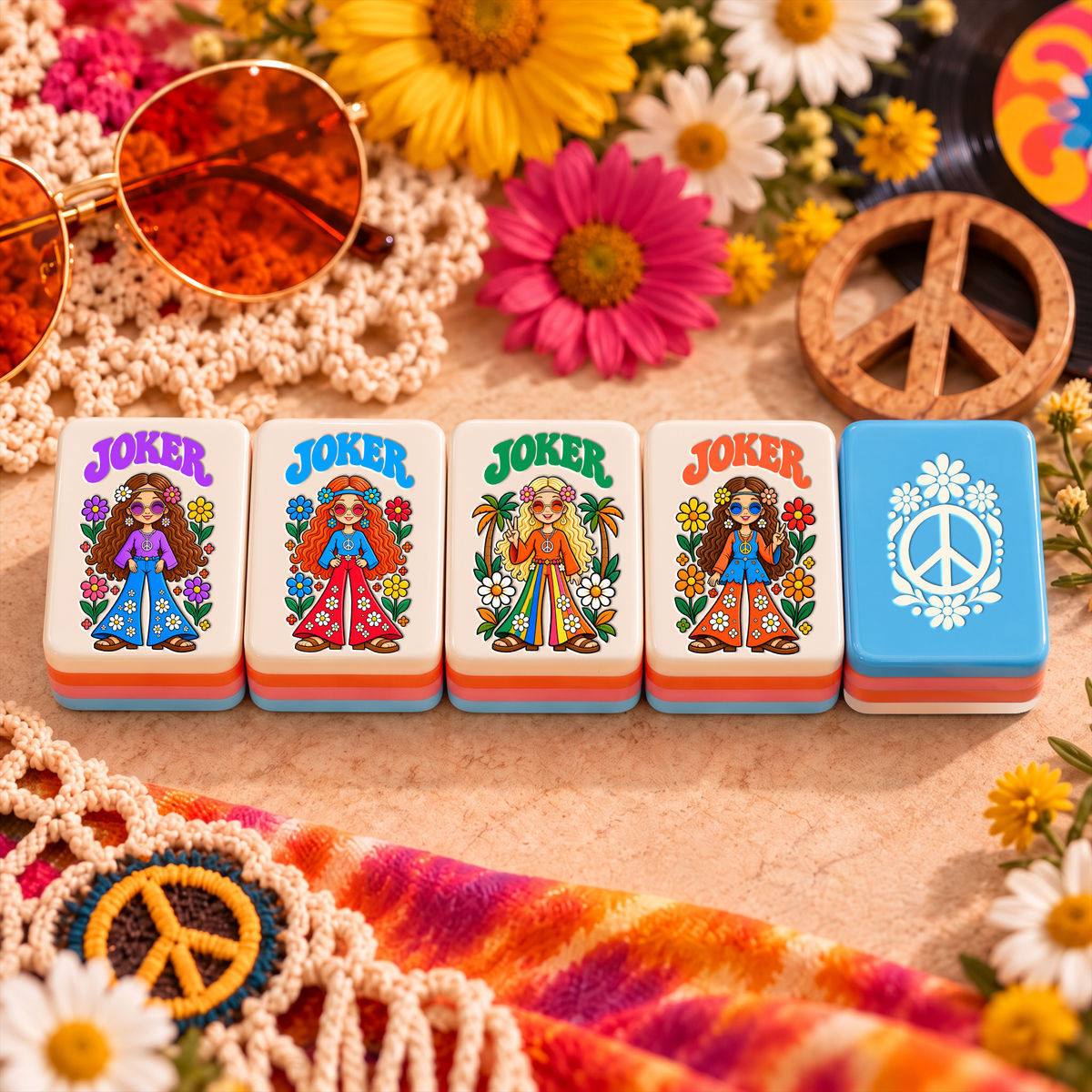
True ivory mahjong tiles are carved from elephant tusks and are now illegal to buy, sell, or import across most of the world under CITES regulations. You can identify vintage ivory tiles by their warm cream color, slight translucency when held to light, weight (heavier than bone or acrylic), and distinctive smell when heated or scratched. However, the vast majority of mahjong sets sold today—and all ethical sets—use bone (antique sets), resin (mid-range vintage), or acrylic (modern durable sets). Mahstead produces 160-tile acrylic sets, which are non-porous, easy to clean, and designed for weekly play without ethical concerns. If you're shopping now, focus on quality materials and craftsmanship rather than hunting for ivory; legal, beautiful alternatives perform better at the table.
Genuine ivory mahjong tiles are carved from elephant tusks and are now illegal to buy, sell, or import across most of the world under CITES regulations. You can identify vintage ivory tiles by their warm cream color, slight translucency when held to light, weight (heavier than bone or acrylic), and distinctive smell when heated or scratched. However, the vast majority of mahjong sets sold today—and all ethical sets—use bone (antique sets), resin (mid-range vintage), or acrylic (modern durable sets). If you're shopping now, focus on quality materials and craftsmanship rather than hunting for ivory; legal, beautiful alternatives perform better at the table.
Why are ivory tiles illegal to own or sell?
International law prohibits the trade of elephant ivory under the Convention on International Trade in Endangered Species (CITES), enacted in 1989. Possessing or selling ivory tiles violates customs law in the United States, United Kingdom, Australia, and most other countries. Even antique ivory sets face import restrictions; buyers cannot legally cross borders with them. If you inherit an ivory set, keep it as a family heirloom but do not attempt to sell it online or internationally. This legal reality has shifted the entire industry toward sustainable, durable alternatives.

What does real ivory look like vs. bone and resin?
Material | Color | Weight | Translucency | Wear over time ---|---|---|---|--- Elephant ivory | Warm cream, may yellow | Heavy (denser) | Slight glow at edges in bright light | Develops patina; may crack if dry Bone (carved) | Off-white, slightly grainy | Medium-heavy | Opaque; visible grain structure | Yellows; may chip at corners Resin (molded) | Uniform cream or white | Medium | Opaque; uniform finish | Discolors; can become sticky or dull Acrylic (modern) | Bright white or custom color | Lightweight | Opaque; high gloss or matte | Resists staining; lasts decades
Ivory tiles feel noticeably heavier in your hand than bone or acrylic—a full set weighs significantly more. When you hold ivory to a strong light source, the edges may show a faint warm glow because of the material's semi-translucent nature. Bone tiles display visible grain and striations; resin is smoother but duller. Acrylic tiles have the brightest, most uniform finish and are virtually impossible to scratch during normal play. Vintage players can tell the difference immediately by touch and sound—ivory and bone tiles "click" distinctly, while acrylic produces a sharper, higher-pitched sound.
How can you spot an ivory set in an antique shop or online listing?
Look for these red flags and confirming signs when evaluating a claimed ivory set. The seller should explicitly state age and origin—genuine ivory sets are 50+ years old, often from Hong Kong or Shanghai. Ask for a clear photo of the tiles' edge under bright light; ivory edges show translucency, bone does not. Request photos of the underside of tiles; ivory often bears maker's marks or faint tool marks from hand-carving. Bone tiles will show visible grain and sometimes small imperfections. Ask the seller if they have import documentation or a provenance certificate; legal ivory sales are extremely rare, and reputable dealers keep records. If the price seems too low for a claimed ivory set, it's likely bone or resin. True ivory sets from established dealers cost significantly more than acrylic sets—far beyond typical retail pricing for new games. Be cautious of sellers claiming "pre-1989 ivory"—CITES restrictions apply regardless of age.
Why should you choose acrylic tiles instead of hunting for ivory?
Modern acrylic tiles outperform vintage materials during weekly play. Acrylic resists staining from drinks and food oils; ivory and bone absorb liquids and discolor permanently. Acrylic tiles don't crack if left in a dry room or car—bone and ivory are prone to stress fractures after decades. Our best-selling mahjong sets use precision-molded acrylic with custom engravings, so every tile matches perfectly. Acrylic tiles are non-porous and sanitize easily, a major advantage for shared games. They're lightweight enough to stack and shuffle comfortably, yet durable enough to survive a drop. Acrylic also allows for vibrant colors, custom designs, and personalization—options unavailable in carved bone or ivory. If you host weekly games, acrylic is the practical, ethical, and beautiful choice.

What should you check before buying a vintage or antique mahjong set?
Before purchasing any vintage set claiming bone or ivory tiles, inspect these five elements on-site or request detailed photos and a return policy. Tile integrity: Look for cracks, chips, or warping on at least 10 random tiles from different suits; even one damaged tile compromises playability. Color uniformity: All tiles of the same number and suit should match—if ivory or bone yellows unevenly, it suggests storage damage or age-related deterioration. Character legibility: Engravings should be crisp and deep; shallow or faded marks indicate wear and may make the card unreadable during fast play. Completeness: Verify all 152 tiles are present plus jokers; missing tiles make the set unplayable and are expensive to replace. Smell test: If you can visit in person, scratch a tile gently with your fingernail and smell it—real ivory and bone have a distinctive organic scent, while resin and acrylic are odorless. Ask the seller to provide a signed receipt stating material composition and age; this protects you if the sale is later questioned. If any element fails inspection, walk away—a compromised vintage set is not worth the premium price or the ethical risk.
🀄 Shop best-selling mahjong sets →
Building your modern mahjong collection: what to prioritize
If you're starting a game group or replacing an old set, prioritize durability and ease of use over material mystique. Engraved American mahjong sets in acrylic offer custom designs, clear tile faces, and lifespan measured in decades, not years. Pair your tiles with a quality mahjong mat to protect the playing surface and reduce noise—especially important if you play on valuable furniture. Add racks with pushers to organize tiles and speed up play; pushers prevent fumbling and keep hands neat during fast rounds. For players who travel or store sets between games, a durable travel bag or case keeps tiles clean and protected. These investments last years, adapt to weekly play, and cost far less than hunting for or restoring vintage ivory sets. New players often ask: "Shouldn't I start with something old and authentic?" The honest answer is no. Vintage materials teach nothing about the game itself—skill and strategy do. Save authenticity for collecting; start with materials built for play.
✨ Find your Mahstead set — free US shipping →
The ethics and legality of ivory: what you need to know
Owning an antique ivory mahjong set is legal in most countries if you already possessed it before CITES took effect in 1989. However, buying, selling, importing, or exporting it is illegal in the United States and most of the world. Shipping an inherited ivory set across state lines or internationally is prohibited without an export permit, which is nearly impossible to obtain for civilian collectors. Museums and educational institutions may hold grandfathered collections under strict documentation. If you inherit an ivory set, photograph it, document the maker and date if known, and keep it as a family keepsake—but do not attempt to sell it or bring it into commerce. Instead, pass it on to family members with the same restrictions explained. The mahjong community has shifted wholesale toward ethical materials; no major modern set manufacturer uses elephant ivory. Choosing acrylic reflects not just legal compliance but respect for endangered species and the integrity of the game itself. Players who care about both history and the future choose modern materials without apology.
🎁 See our most-loved mahjong sets & accessories →

FAQ
If I own an old ivory mahjong set, can I play with it?
Yes, if you owned it before 1989. Playing with an inherited set is legal; selling, gifting, or transporting it across borders is not. Treat it as a precious heirloom and use it only at home with trusted players.
How do I tell if a vintage set is bone, not ivory?
Bone is opaque (no translucency), shows visible grain, and is lighter in weight. Ivory glows faintly at the edges under bright light and feels heavier. Bone may have small imperfections or tool marks; ivory is typically smoother and more uniform.
Are acrylic tiles really as good as bone or ivory for play?
Yes, and in many ways better. Acrylic resists staining, doesn't crack in dry climates, sanitizes easily, and produces consistent tile weight and sound. Bone and ivory develop patina and require careful storage; acrylic is built for decades of weekly play.
What's the actual cost difference between a vintage bone set and a new acrylic set?
Antique bone sets from established dealers typically cost two to three times more than modern acrylic sets, and require restoration or gentle handling. New acrylic sets offer better performance, custom designs, and no hidden maintenance costs.
Can I legally buy "pre-1989 ivory" mahjong tiles online?
No. CITES restrictions apply regardless of age. Online sales of ivory are illegal in most countries and are actively monitored by customs enforcement. Any seller claiming to ship legal ivory is misrepresenting the law.
Why do some players still hunt for ivory sets if acrylic works so well?
Nostalgia, collecting passion, and historical interest drive the antique market. Vintage sets carry stories and craftsmanship that modern tiles cannot replicate. However, for actual weekly gameplay, acrylic is the clear winner—collectors and players are two different audiences.


View More
View More
View More
