
How to Teach Mahjong to Friends: A Step-by-Step Guide
Last updated: Nov 23, 2026
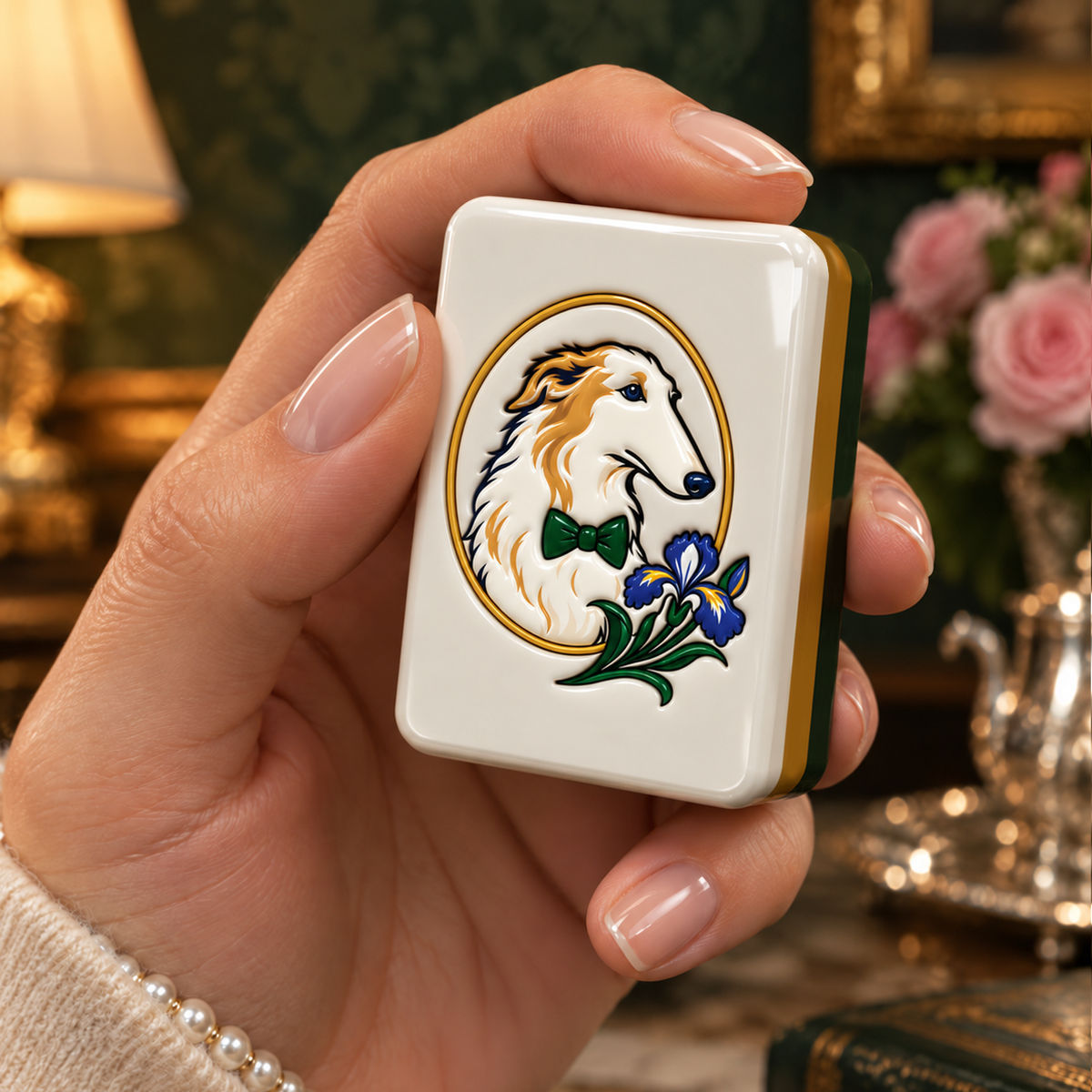
Teaching mahjong to friends takes 60–90 minutes for basics if you focus on tile recognition, hand-building patterns, and one complete practice round before scoring. Start by having everyone handle a full set—handling tiles makes learning stick far better than watching. Walk through the National Mah Jongg League card together as a group (not individual memorization), explain the Charleston tile-exchange ritual, then play one supervised hand with teaching pauses. Most groups benefit from keeping scoring light for the first session and playing 2–3 short rounds. The biggest mistake is overwhelming players with history, regional variants, or all-sixtets patterns at once; stick to common patterns, pungs (three identical tiles), and joker substitution. If you're hosting, invest in a quality set with readable tiles and consider a mat to keep the game visible and organized—these reduce confusion and speed up learning dramatically.
Why is teaching mahjong hard the first time?
Mahjong feels overwhelming because it combines tile recognition, pattern matching, and simultaneous hand-building—all unfamiliar to people raised on card games. Newcomers confuse the three suits (Bams, Craks, Dots), forget that jokers can replace any tile, and struggle to "see" patterns on the league card. The ritual of the Charleston (the tile-passing exchange) adds another layer before anyone plays. The fix: separate knowledge into blocks. Teach tile names and suits first (15 minutes), then hand patterns (20 minutes), then one live round with pauses. Never ask players to memorize the entire card.
🀄 Shop best-selling mahjong sets →

What's the fastest way to start playing?
Skip theory. Sit four players down with a full American mahjong set, lay out the 152 tiles face-up on a table or mat in their suit/number piles so everyone sees the complete picture, and name each suit out loud three times: "Bam, Crak, Dot." Have each player draw 13 tiles randomly—not a Charleston yet. Show them the current-year league card and point to one easy pattern (a pung—three identical tiles—or a simple sequence pattern). Play one hand, pause after each draw-discard cycle to verify everyone understands the turn order. By hand two, most players move without prompting. The first session should take 90 minutes total and feel like play, not school.
How do you avoid confusion during the Charleston?
The Charleston is the tile-passing ritual before each game: players pass their lowest 14 tiles to the left, then right, then across, in timed rhythm. New players forget which direction, pass in the wrong order, or panic under time pressure. Teach it standing up, with exaggerated hand motions: "Left. Hold. Right. Hold. Across. Hold. You're done." Do one Charleston slowly as a group, no timer. After that, use a quiet verbal rhythm: "Left (3 seconds), Right (3 seconds), Across (2 seconds)." Players who are nervous can watch the strongest player and copy. Never add a timer until everyone completes two Charlestons without hesitation. If someone passes the wrong tiles, stop, reset calmly, and continue—mistakes teach better than corrections.
Which mahjong patterns should beginners learn first?
Focus on three pattern types: pungs (three identical tiles, e.g., three 5 Dots), kongs (four identical tiles), and exposure sequences (3, 4, or 5 tiles in number order within the same suit, called "sequences" or "like numbers"). Skip the rarer sextets, quints mixed with flowers, and all-dragon hands until week three. On the league card, show them the visual rows that contain only these simple patterns—usually the top and second sections. Point to a single example: "This pung here (show 1 Bam, 1 Bam, 1 Bam). This one sequence here (show 4 Crak, 5 Crak, 6 Crak)." Tell them jokers can fill in any missing tile. Play one hand and let them experience finding one pattern naturally; that success sticks longer than a lecture.
🎁 See our most-loved mahjong sets & accessories →
What does a beginner's first session look like, step-by-step?
Step | Time | What to Do | Common Mistake |
1. Intro | 5 min | Name the three suits aloud three times while pointing to tiles. | Assuming players know Bam ≠ Dot |
2. Card walk | 10 min | Show the league card, point to two simple hands, explain pung + sequence. | Asking them to memorize patterns |
3. Hand setup | 10 min | Deal 13 tiles to each player; spread the unused tiles in view. | Rushing; let them hold and arrange tiles slowly. |
4. One draw-discard cycle | 15 min | East draws, shows a tile, discards one. Players watch and repeat. Pause after each turn. | Not stopping to verify everyone understands turn order. |
5. Two full hands | 30 min | Play two complete rounds. Keep a scorecard but don't emphasize scores. | Stopping to debate scoring; simplify to "someone won, keep playing." |
6. Debrief | 10 min | Ask: "What felt confusing?" Replay one confused moment slowly. | Skipping this—mistakes disappear into thin air unless named. |

What equipment makes teaching easiest?
A mat and a quality set with clear markings transform teaching. Here's why: a mat organizes the discard pile so all players can see what's been played, prevents tiles from sliding into laps, and creates a "play zone" that keeps the game contained. A set with large, legible numerals and bold suit colors—especially sets with engraved or printed titles—helps players speed past "Is this a 3 or 8?" and focus on strategy. Racks with pushers let players organize their own hand neatly, which reduces accidental reveals and confusion about what they're holding. For first-timers, these three pieces cut frustration by half. If you're hosting weekly, they're worth the investment; if this is one dinner, a mat and clear tiles borrowed from a friend will do.
✨ Find your Mahstead set — free US shipping →
How many practice hands does a beginner need?
Most players are comfortable by hand three or four. Hand one: confusion and pauses; the group moves slowly and you stop after each turn. Hand two: fewer pauses; players start recognizing tile patterns. Hand three: someone else may explain a pung rule to the newest player before you do—a sign they've internalized the basics. Hand four: the game moves at near-normal speed. Don't confuse comfort with mastery; after four hands, players still miss open scoring opportunities or misread the card. That's normal and fine. The goal of the first session is "they played and want to come back"—not "they won without mistakes." Schedule your teaching session to last 2–2.5 hours; that's enough for four hands, breaks, and debrief without fatigue.
What mistakes do teachers always make?
Over-explaining. A 20-minute lecture on tile origins and regional variants kills momentum. Stick to "Bam, Crak, Dot" and move on.
Teaching scoring first. New players can't follow scoring rules before they understand hand-building. Play the first session with simplified scoring (one point per hand) or no scoring at all.
Not letting players hold the tiles. If you deal and hold all the tiles, they feel passive. Have each player handle and arrange their own hand from the start.
Assuming they'll read the card. Newcomers can't decode the league card alone. Show them; don't send them to it. Point to specific rows and say, "These are the easy ones for today."
Playing too fast. Your instinct is to move briskly and avoid boredom. Resist it. New players need 5–10 seconds per draw-discard turn to process. Speed comes naturally in week two.
How long before friends are ready to play with real players?
After 4–6 sessions, most players can join a regular game group without requiring extra supervision. By session four, they understand the Charleston, recognize common patterns, and know when to discard. They'll still play slower than veterans and miss optimal plays—that's always true. By session six, they're competent enough that experienced players stop treating them as students. The real checkpoint: they ask to come back, they volunteer to host, or they suggest a game. Once that happens, they're past the beginner phase. Many people play weekly for years and still make small rule mistakes; mahjong is vast. Don't wait for perfect—start the next session as soon as the group shows up.
What should you check before you buy?
If you're buying a set to teach, verify three things:
Tile size and weight. Tiles should be at least 25 mm wide so everyone can read numerals from across the table without squinting.
Suit color contrast. Bam, Crak, and Dot should be visually different—not muddy or similar shades. Hold the set under normal room light (not a photo) and confirm you can distinguish them at an arm's length.
Complete 152 tiles. You need exactly 152 tiles for American mahjong play, plus the 8 jokers that come with every standard set. Confirm the package says "160-tile set" or lists "152 playing tiles."
Readable numerals. If tiles are engraved or printed, test readability. Cheap sets have faint markings that wear off.
Storage bag or case. For teaching, a durable bag keeps tiles organized between sessions and prevents loss.
🀄 Shop best-selling mahjong sets →

FAQ
Should I teach American mahjong or Chinese/Hong Kong mahjong to my friends?
Teach American mahjong if you play it or if your friends are in the US. American uses the National Mah Jongg League card, four-player format, and joker substitution—rules are identical every year for your group. Chinese and Hong Kong variants have fluid rules that differ by region; unless you or your players have Chinese heritage or prior experience, American is simpler and more standardized.
What if one person catches on quickly and gets bored while others struggle?
Pair that fast learner with the slowest player and ask the fast learner to explain their discards or hand-building logic aloud. Teaching others locks their own knowledge and occupies their brain. After two sessions, rotate pairs so the strong player plays alongside a different beginner each week. Avoid having one dominant teacher; spread knowledge across the group.
How do I keep the first game fun instead of frustrating?
Play without stakes (no money), keep scoring simple or off entirely, celebrate small wins ("You made a pung!"), and laugh at confusion. If someone discards a winning tile by accident, don't make them feel foolish—just reset and continue. First-session tone matters more than rule perfection; if they leave smiling, they'll come back.
Can I teach mahjong remotely or online?
Not effectively for beginners. Mahjong is tactile; shuffling, handling tiles, and seeing discard piles spread across a mat help players learn faster. Video calls make tile recognition harder, turns take twice as long, and the social rhythm breaks. Teach in person for the first 4–6 sessions; after that, experienced players can join online games if needed.
How do I know when to introduce the league card fully versus keeping it simplified?
After session three, hand each player their own copy of the current-year National Mah Jongg League card and walk through it together aloud. Point to rows one at a time; say, "This row has only pungs and sequences—let's try to make one of these." Let them search the card themselves during hand four or five. By session six, they'll instinctively flip the card and check hands without prompting—that's readiness.
What if someone learns mahjong but then plays with a different group that uses different rules?
American mahjong rules are standardized nationally under the National Mah Jongg League, but some regional clubs or private groups add house rules (non-standard patterns, different scoring, or variant hand lists). Before joining a new group, ask them: "Do you play from the current NMJL card?" and "Any house rules I should know?" If yes to house rules, ask for a written list. Your friends will adapt; the core hand-building logic stays the same. Most new players enjoy learning a group's flavor after they master the basics.


View More
View More
View More
