
Mahjong Lessons in Austin: Find Teachers & Learn American Mahjong
Last updated: Nov 23, 2026
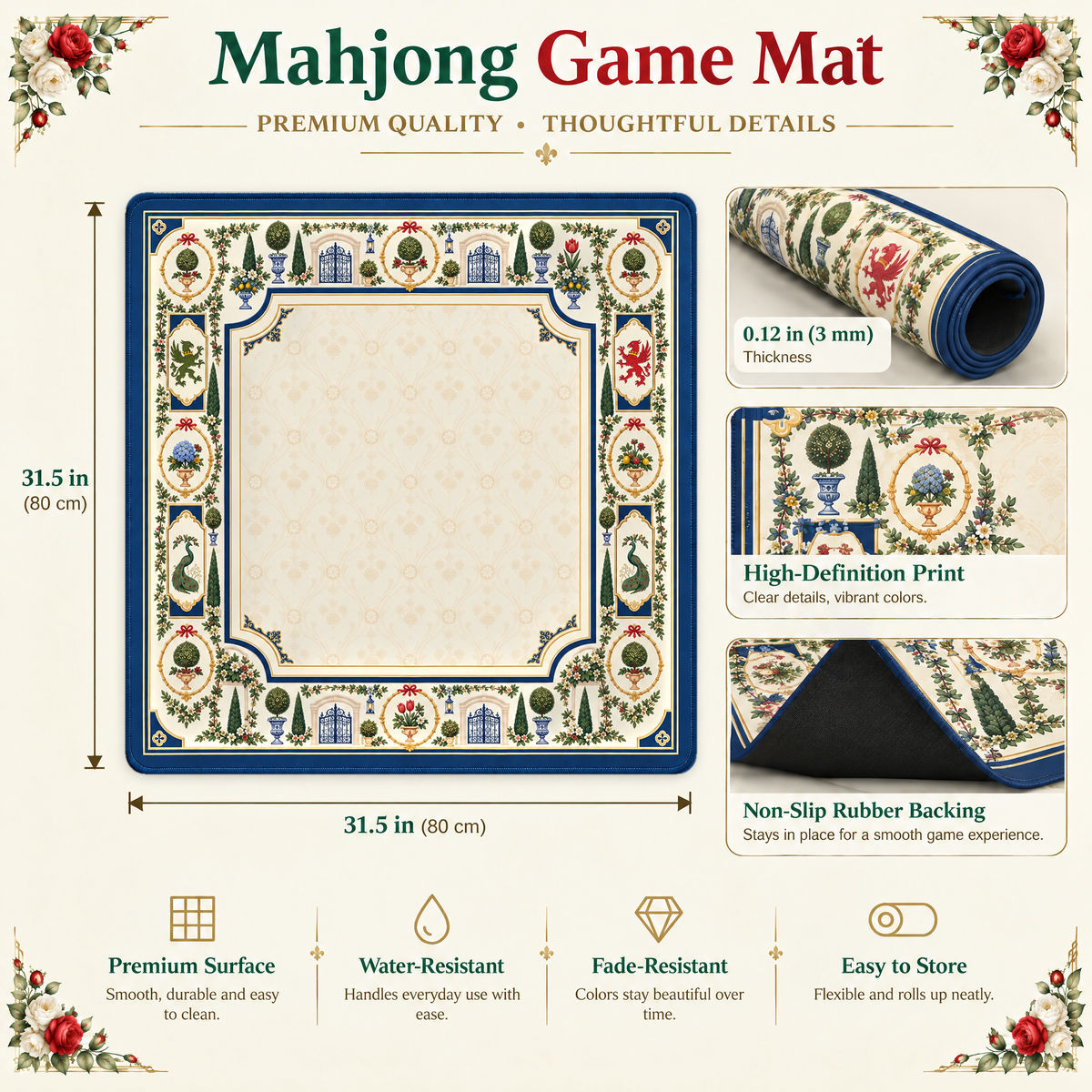
Mahjong lessons in Austin are available through public libraries, community centers, synagogues, and private instructors, with most teaching American mahjong (the most common variant in the US). Classes typically run 4–8 weeks at beginner level, meeting weekly for 1–2 hours, and cost varies widely depending on group size and instructor experience. Start by checking the Austin Public Library's program calendar, calling community centers on the city's south and north sides, and searching Meetup for active mahjong groups. Most instructors provide tiles during class; if you're serious about playing weekly, you'll want a personal 160-tile set and a mat before your first lesson. Mahstead offers best-selling mahjong sets that work well for learners because they're durable and come with clear tile faces.
Where can I find mahjong lessons in Austin right now?
Austin Public Library branches often host mahjong instruction through their adult education programs—call ahead or check their website for the current schedule. Community centers in South Austin and the North Austin area run seasonal classes, particularly in fall and spring. Check Meetup.com for "Austin mahjong" to find weekly game groups; many welcome beginners and teach while playing. Synagogues with active adult education programs sometimes offer lessons. The fastest way to find current classes is to call 2–3 library branches directly and ask if they're running beginner mahjong; instructors and venues change yearly, so a web search alone may give you outdated listings.

What's the difference between learning American mahjong and other variants?
American mahjong uses a card that changes every spring—the current year's card dictates which hand combinations win, replacing memory-based play in Chinese variants. You cannot call or expose sequences; only pungs (three identical tiles), kongs (four), and longer combinations allowed. The Charleston (a tile-passing ritual before each game) is unique to American play. Hong Kong mahjong uses sequences and a fixed hand structure. Chinese and Riichi variants each have their own suit counts and winning rules. Most Austin lessons teach American mahjong because it's the most standardized in the US and easiest for adult learners to start with. If an instructor doesn't specify, ask: American mahjong is the safe bet.
How long until I can play a real game?
Most beginners grasp the basic tile names, suits, and how to read a hand pattern after 3–4 classes (6–8 hours). Calling winning hands and understanding scoring takes another 2–3 weeks of weekly play. Speed comes after 2–3 months of regular games. A single lesson teaches you what to do; real learning happens when you play the same hand ten times in different games. Look for a class that commits to at least 6 weeks so you have time to see repeated patterns and muscle memory. Expect to feel clumsy your first real game—everyone does, and tables full of experienced players expect it.
What equipment do you actually need before your first lesson?
Your instructor will provide tiles during class, but after week two, bring your own 160-tile set so you practice tile recognition at home. A mahjong mat is not required for lessons but protects tiles during play and keeps them organized by zone—many Austin game groups use one at their table. Racks with pushers are optional; some players hold tiles in hand, others prefer a rack. A notebook to track scoring each hand is useful. A travel bag or case comes in handy if you're going to weekly games across town. Start minimal—set and mat—and add a rack or case only if you commit to regular play.
Item | Why get it | When to buy | Notes |
160-tile set | Home practice, tile recognition | After week 2–3 | Clear tile faces best for beginners |
Mat | Organization, tile protection | Week 4–6 if playing weekly | Makes setup and scoring cleaner |
Racks with pushers | Hand management (optional) | Month 2+ | Helps if you prefer not to hold tiles |
Travel bag | Transport to games | If joining a weekly group | Protects set during travel |
🀄 Shop best-selling mahjong sets →
How do I know if an instructor is worth signing up with?
A good mahjong teacher explains the Charleston first, teaches you how to read the current year's card (the spine of American play), and lets everyone win at least one hand in the first 3 classes—not because hands are easy, but because you need to see what winning feels like. Ask if they use the National Mah Jongg League card (the official American standard). Avoid instructors who claim mahjong is "easy" or "like poker"—it has a learning cliff. Check if the class size is 4–8 people; larger groups mean less hands per player. A trial class or audit session is a green flag. Ask one current student if they can play a real game yet; if they say no after 4 weeks, the pace is too slow or the instructor skips key concepts like scoring or the card structure.

What preparation helps you learn faster?
Study the current year's card (available free online from the National Mah Jongg League or from Mahstead's blog resources) for 10 minutes before each class—don't memorize it, just look at the hand patterns so your brain starts recognizing shapes. After class, shuffle a set at home and try to spot one hand pattern on the card without looking; this builds pattern recognition. Watch one hand play through three times in slow motion (deal, Charleston, draw phase, discard, call, win) before your first class. Bring a pen and small notepad to write down the tile names as the teacher calls them; repetition through writing sticks better than listening alone. Most important: expect to feel lost in week one. Every mahjong player does.
🎁 See our most-loved mahjong sets & accessories →
What should you check before you buy your own set?
If you're buying a set for home study before or during lessons, look for one with large, clear tile engravings so you can spot patterns on the card without squinting. Test-read a tile from across the table—if you can't, the set will slow you down in games. Make sure the set includes 160 tiles (152 for play + 8 jokers as spares); some sets online sell fewer. Acrylic tiles are lighter and quieter than bone-and-bamboo, which is nice in apartment games. If you're left-handed, a mat helps; right-handed players can play on a bare table. Once you know your instructor's preferred set type, buy the same one so you practice with what you'll see in class.
✨ Find your Mahstead set — free US shipping →
What else Austin mahjong learners wish they'd known
Mahjong nights in Austin are often hosted at private homes, so building friendships in your first class opens doors to weekly games faster than searching online. Many groups rotate who hosts, so you'll end up playing in 5–6 different living rooms—bring snacks, it's expected. Scoring is harder than tile recognition; ask your instructor to score one hand out loud three times in a row, then you score it. If your instructor doesn't use pushers, learn to hold tiles so others can't see them; this takes two weeks of practice and feels unnatural at first. Most Austin players are welcoming but competitive; don't take it personally if someone corrects your play—they're protecting the game's integrity. Finally, the National Mah Jongg League releases a new card every spring, so classes heavy in February–April are always cheaper because demand is high; summer classes are easier to get into.
What to check before you buy
Tile clarity: Can you read the suit symbol from three feet away?
Set completeness: Does it include 160 tiles (152 + 8 jokers) or spare tiles?
Material: Acrylic is lighter and quieter than bone; best for apartment play.
Instruction included: Some sets come with a beginner's guide; helpful but not essential if you have a teacher.
Shipping time: Free US shipping is standard; confirm arrival before your first class if timing is tight.

FAQ
Do I need to know the Chinese names of tiles before my first lesson?
No. Your instructor will teach Bam, Crak, Dot, and the winds (North, East, West, South) in English. Chinese names are optional and come naturally after 3–4 weeks of play.
Can I learn mahjong online instead of a local class?
Online lessons work if you have a set at home and a patient instructor; however, real games with 3 other players teach faster because you see different play styles and hand combos. Local Austin classes are worth the effort.
How much does a beginner mahjong set cost?
Prices vary widely based on tile material and set size. See the best-selling collection for current options and pricing; most beginner sets include a mat or case.
What if my Austin lesson teaches Cantonese (Hong Kong) mahjong instead of American?
Ask during signup which variant is taught. Hong Kong mahjong is fun but uses a different tile structure and sequence calls; if you want to play in American tournaments, ask for an American mahjong class instead.
Is mahjong harder than bridge or poker?
The learning curve is steeper for the first month because of the card-based hand structure, but the rules themselves are simpler than bridge. Most people play comfortably within 8 weeks of weekly games.
Should I buy a set before my first class?
No—attend one class first to confirm you like it. After week 2–3, when you're sure you'll keep playing, buy a set so you practice tile recognition at home. Instructors always have spares for the first few weeks.
What's the best tile material for beginners learning in Austin's heat?
Acrylic handles temperature changes better than bone-and-bamboo, which can warp or stick in humidity. Acrylic tiles are also more forgiving if dropped on tile floors (common in Austin homes).


View More
View More
View More
