
How to Store a Vintage Mahjong Set: The Complete Guide
Last updated: Nov 23, 2026
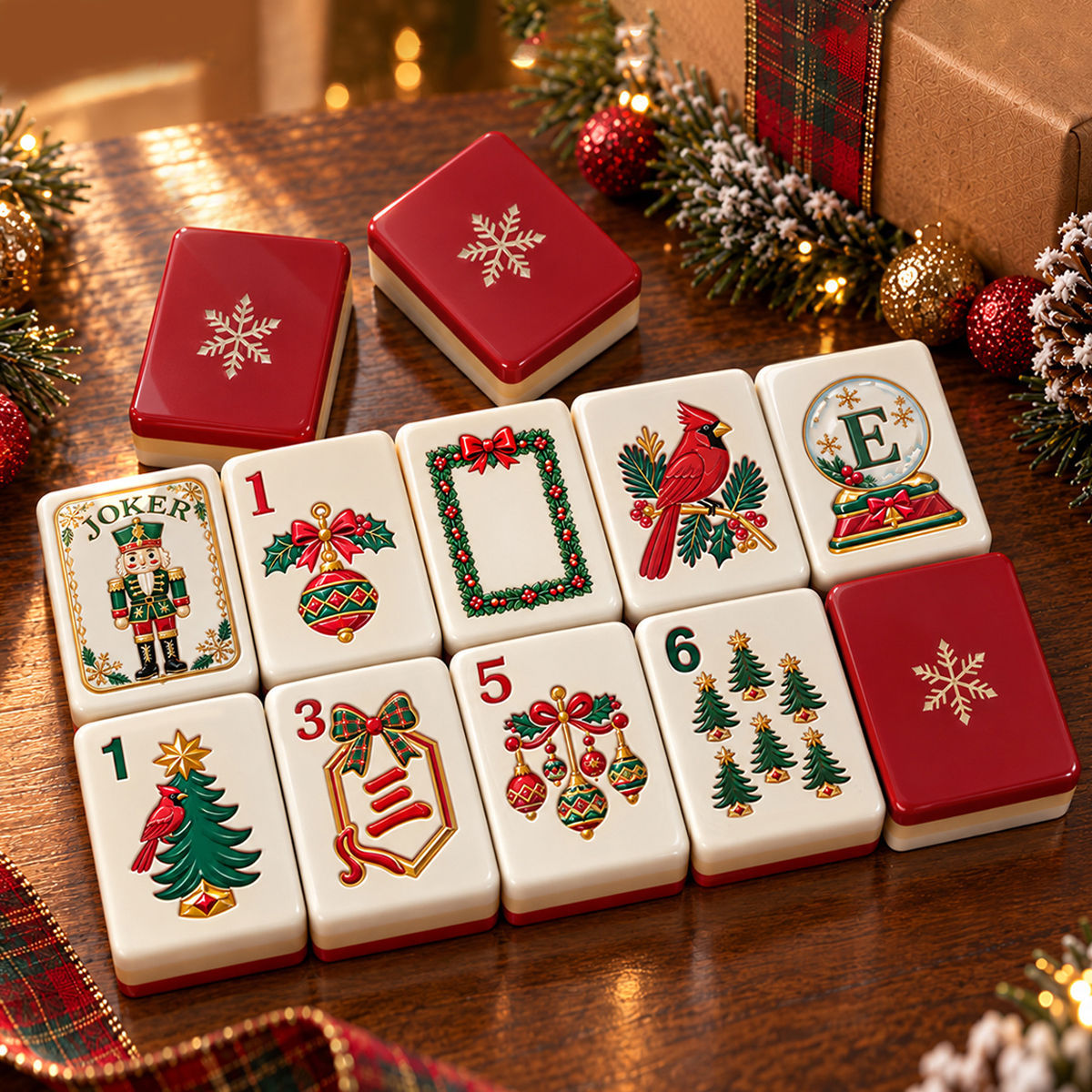
Vintage mahjong sets belong in a cool, dry, dark place (50–70°F, under 50% humidity) inside acid-free boxes or sealed acrylic cases, away from direct sunlight and heat sources. Store sets horizontally, never stacked, with tiles in original compartments or custom dividers; keep jokers separate to prevent loss. Use silica gel packets in sealed containers to manage moisture. Check every 6–12 months for mold, warping, or tile separation. A padded mahjong bag or hard case protects sets during moves and casual storage. Avoid basements (humidity and pests), attics (heat and UV), and open shelves (dust and light damage). Mahstead's travel bags and acrylic cases are designed to hold 160-tile sets securely; many collectors use them for long-term storage as well as transport.
Vintage mahjong sets are irreplaceable. Protect your vintage mahjong tiles from damage, humidity, and loss. Learn the safest storage methods and best containers for lasting preservation.
What temperature and humidity do vintage tiles need?
Mahjong tiles—whether bone, bamboo, ivory, or bakelite—are vulnerable to warping, cracking, and mold when exposed to swings in temperature or moisture. Aim for 50–70°F and relative humidity under 50%; ideally, 40–45% is safer. Fluctuation is worse than a steady cool state: tiles shrink and expand with each cycle, causing seams to fail and paint to crack. Avoid basements (high moisture, mold risk), attics (extreme heat and UV), and garages (temperature swings). A bedroom closet, interior cabinet, or climate-controlled storage room is ideal. If you live in a humid region, place acid-free silica gel packets in sealed containers and replace or dry them every three months.

Should vintage sets stay in their original boxes?
Original boxes offer aesthetic and historical value but often lack moisture control. If the box is well-made wood or sturdy cardboard, keep the set in it—but place it inside a larger, airtight plastic container with silica gel. If the box is fragile, damaged, or lined with acid paper (which yellows tiles over time), transfer tiles to acid-free archival boxes divided into custom compartments. Never store tiles loose or stacked flat in layers; they'll shift, chip, and become disorganized. Label the exterior with "Mahjong – 152 tiles + 8 jokers" and store date so you remember to check on it. Keep any original paperwork or provenance notes in a sealed ziplock bag inside the container.
How do you prevent joker loss and tile separation?
Jokers are the first casualty of careless storage. Count all eight before storage; keep them in a small sealed envelope or baggie inside the main container, separate from tiles. If your vintage set has loose tiles—common in older bakelite or bone sets—wrap each problematic tile in acid-free tissue, or secure it with a tiny acid-free band. Check the set every six months for new separation; if the glue has degraded, resist the urge to re-glue (it often makes restoration harder later). Document any damage with photos dated and filed digitally. Never store tiles in direct sunlight, which fades paint and accelerates deterioration.
What's the best container type for long-term storage?
Container Type | Best For | Pros | Cons |
Original wooden box + airtight plastic tub | Historical preservation | Protects aesthetics + moisture control | Bulk, may need custom dividers |
Acid-free archival box + dividers | Frequent access | Organized, stackable, protective | Less aesthetic appeal |
Hard-shell acrylic or polycarbonate case | Active collectors | Clear visibility, durable, portable | Can be pricey; UV risk if clear |
Padded travel bag (double-wall) | Hybrid use | Compact, easy to move, well-padded | Less protection than rigid case |
Silica-sealed plastic bin | Budget-conscious | Affordable, airtight, stackable | Generic (no tile organization) |
Choose based on how often you'll handle the set. If it's display-only, a hard case keeps it visible and protected. If you rotate it into play occasionally, a padded travel bag or divided archival box makes retrieval easy without exposing all tiles at once.
🀄 Shop best-selling mahjong sets →

How do you organize tiles inside the container?
Compartmentalized storage prevents tile loss and makes inventory checks fast. If the original box has molded sections for each suit, Bam, Crak, and Dot, use them. If not, buy or make custom dividers (small plastic boxes, cigar-box organizers, or foam card holders work well). Arrange tiles upright (standing on edge, not flat), sorted by suit and number within each compartment. Store jokers in a labeled pouch. Keep the mahjong card and any scoring sheets in a waterproof sleeve inside the container. Take a photo of the organized set before sealing; it becomes your reference if tiles shift during storage or moves. This approach also makes it easy to spot missing or duplicate tiles at a glance.
What about display storage—can you keep a vintage set visible?
Yes, but carefully. A closed glass cabinet in a room with stable temperature and no direct window light works well; UV-filtering glass or acrylic shelving helps. Never display sets on open shelves or in direct sunlight; the paint fades visibly within months. If your set is beautiful enough to display, consider a clear acrylic case that you can seal when not in use—it protects while keeping the design visible. Dust the case quarterly; don't open it frequently or humidity will spike and fall. For especially rare vintage sets, photograph them professionally before storage, so if damage occurs, you have a record for restoration or insurance.
🎁 See our most-loved mahjong sets & accessories →
What to check before you buy a storage solution
Airtight seal: Plastic containers must close completely and stay closed. Test the latch before purchasing.
Acid-free materials: Any tissue, dividers, or lining touching tiles should be archival-grade (labeled "lignin-free" or "acid-free").
Size: Measure your set's dimensions (most are roughly 10″ × 6″ × 3″ with box). Confirm the container fits without forcing.
Padding: If you plan to move the set, choose padded solutions; rigid cases without cushioning risk tile damage from impact.
Visibility: Can you see inside without opening it every time? Clear containers help you spot problems.
Stackability: If storing multiple sets, ensure containers don't crush each other when stacked.
✨ Find your Mahstead set — free US shipping →
Vintage-Specific Considerations
Older sets—especially pre-1980s bakelite or bone tiles—are prone to cellulose nitrate degradation (a yellowing, brittle condition). If your tiles show this, keep them even cooler (ideally 55°F or below) and as dry as possible; humidity accelerates the breakdown. Handle them minimally; each play session stresses aged glue. Store vintage-style sets using the same rules as modern sets, but check monthly rather than quarterly. If you suspect your vintage set is historically significant, consult a conservator before attempting any restoration.

FAQ
Can I store my vintage mahjong set in a plastic bag?
No. Plastic bags trap moisture and prevent air circulation, causing mold and tile warping. Use a sealed, rigid container with silica gel instead, or a padded case if you need portability.
How often should I check on stored vintage tiles?
Check every 6–12 months. Look for mold (white or black spots), warping (tiles don't stack flat), cracking, or loose glue. Refresh silica gel packs if they're discolored. Document any changes with photos.
Do I need to replace silica gel packets?
Yes. When silica gel turns pink or dark blue (depending on type), it's saturated. Replace or reactivate it every 2–3 months in humid climates, every 6 months in dry ones. Avoid opening the container unnecessarily; each open lets humidity in.
Is it safe to store a vintage set with the rack and pusher?
Yes, if they fit without forcing. Store the rack disassembled or flat to save space. Keep pushers with tiles so nothing gets lost. Wrap wooden racks in acid-free tissue to prevent moisture absorption.
Should I store my vintage set in the same room as modern sets?
Yes. If they're in separate sealed containers with proper climate control, they won't contaminate each other. Group them in a cool closet or cabinet to maintain consistent temperature and humidity.
Can I use regular storage boxes, or must they be archival?
Archival boxes (acid-free) are safer for long-term storage because regular cardboard releases acid as it ages, which yellows tiles and degrades glue. If cost is a concern, place regular boxes inside a sealed plastic bin with silica gel; the plastic barrier protects tiles.


View More
View More
View More
