
How to Store a Mahjong Table Cover
Last updated: Nov 23, 2026
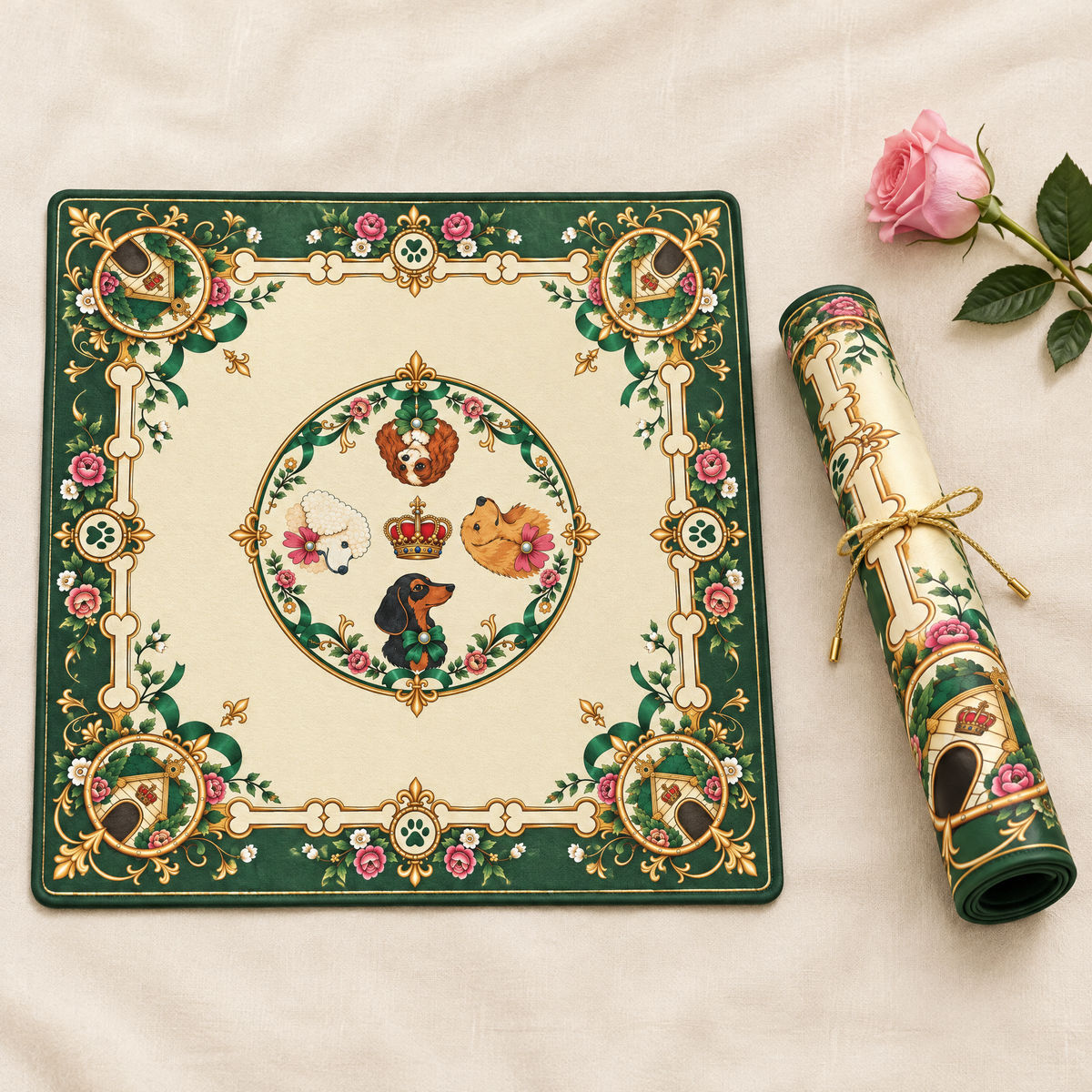
Store your mahjong table cover flat or loosely rolled in a cool, dry place away from direct sunlight, heat sources, and moisture. Rolled covers should rest horizontally on a shelf or under a bed; avoid folding creases, which can crack the mat over time. If your cover is rubber or neoprene-backed, protect it from extreme heat and humidity—both degrade the material. Keep it in a breathable storage bag or pillowcase rather than airtight plastic, which traps moisture and can cause mildew. For players who host weekly games, pairing your mat with a dedicated mahjong bag or case keeps everything organized and travel-ready. Check annually for damage or discoloration; a well-stored cover can last for years. Mahstead's mats are engineered for durability, but proper storage is key to maintaining their performance and appearance.
Why does rolling vs. folding your mahjong cover matter?
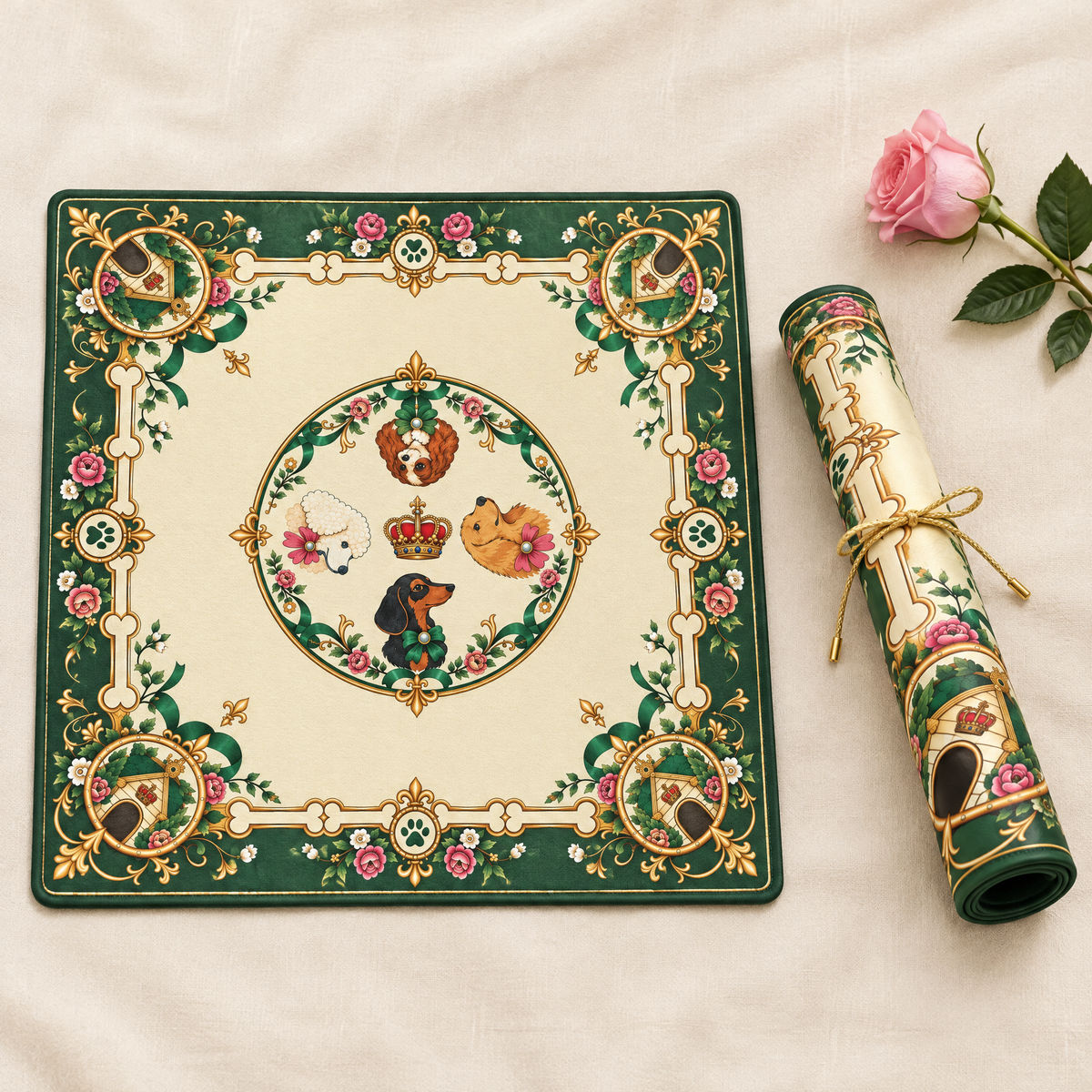
Folding creates permanent creases in acrylic, rubber, and felt surfaces that collect dirt, split under tile weight, and eventually crack. Rolling distributes stress evenly across the entire material. A mat rolled gently around a cardboard tube or stored flat under your bed stays supple and won't develop stress points. Crease damage can't be reversed, so prevention is everything. Use the roll method for long-term storage.
How does humidity damage a mahjong table cover?
Moisture seeps into felt underlays, neoprene backing, and foam cores, causing mildew, warping, and delamination where layers separate. Acrylic and rubber surfaces can discolor or become sticky in high humidity. Store your cover in a space below 60% relative humidity—basements and damp garages are risky. An unheated closet, bedroom shelf, or climate-controlled storage works well. If you live in a humid region, use silica gel packets inside your storage bag, replacing them every 6 months. Never seal your mat in airtight plastic; breathable bags let condensation escape.
What temperature range is safe for mahjong mats?
Extreme heat softens rubber backing and causes acrylic to warp; extreme cold can make materials brittle. Keep storage between 50–75°F if possible. Avoid hot attics, garages near radiators, or windowsills in direct sun. A bedroom or hall closet is ideal. If you store your cover in a car, remove it before a hot day—mat interiors can exceed 120°F in parked vehicles and permanently deform. Never store near a furnace or heat vent. Stable, mild temperatures preserve mat integrity year-round.
How should you pack a mahjong cover for travel or moving?
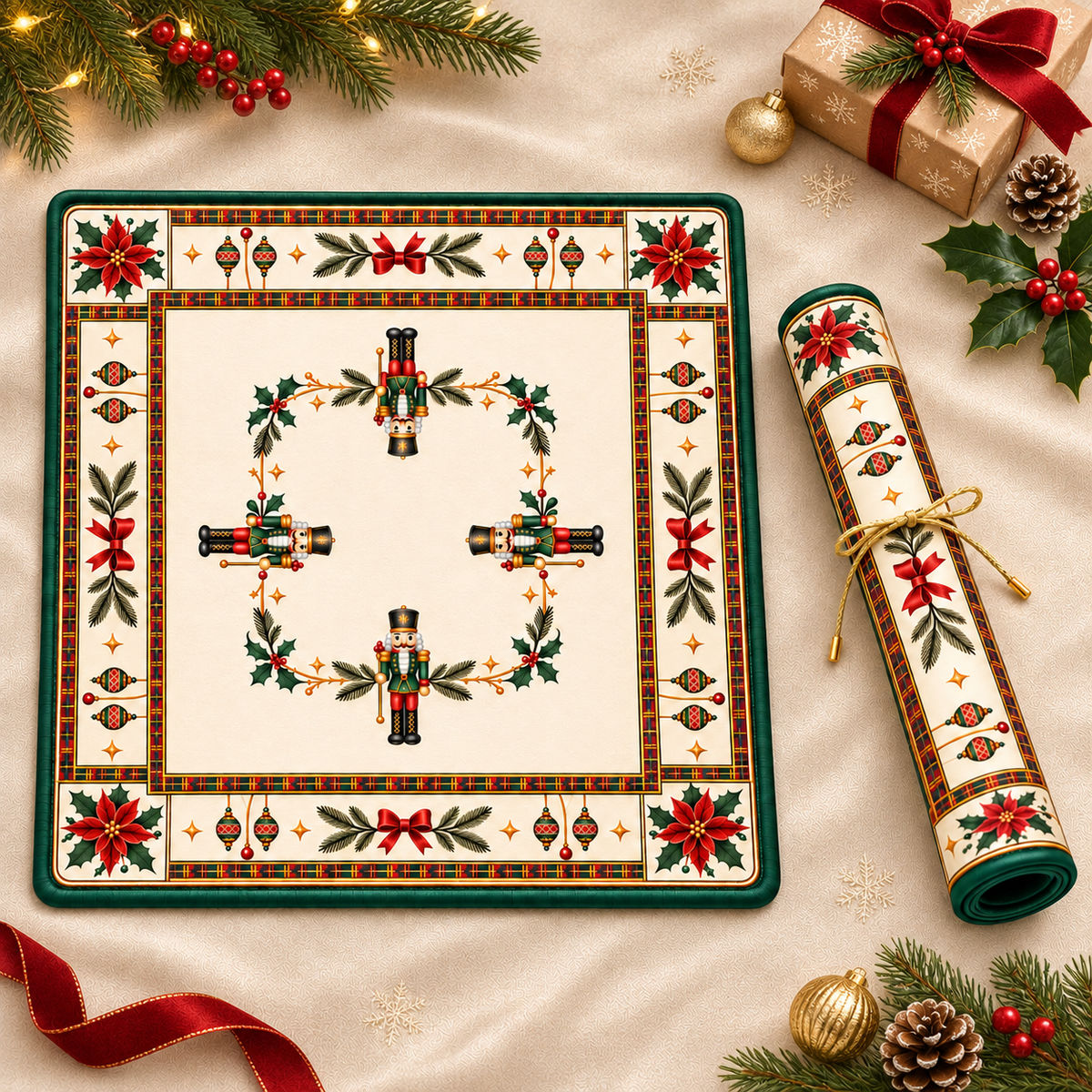
Lay your mat flat, slide it into a cloth storage bag or wrap it loosely in breathable fabric. If rolling, use a clean tube or PVC pipe as a core and secure gently with fabric ties—never plastic wrap. Place the bag in a sturdy box with 2 inches of padding (foam sheets, blankets) on all sides. Label "Mahjong Mat—Fragile" and keep the box level during transport. Avoid stacking heavy items on top. For regular transport to your weekly game, a dedicated mahjong bag with handles is worth the investment—it protects your mat and keeps tiles, racks, and accessories in one place.
🎁 See our most-loved mahjong sets & accessories →
What are the most common storage mistakes?
Mistake | Why it harms the mat | How to avoid it |
Folding cover in thirds | Creates permanent creases and stress fractures | Roll loosely or store flat |
Storing in unventilated plastic bag | Traps moisture; causes mildew and warping | Use breathable cloth bag |
Placing in hot attic or sunny window | Heat warps backing and acrylic; UV fades surface | Keep in cool, dark closet |
Stacking heavy items on top | Deforms mat and crushes backing layers | Store under bed or on flat shelf |
Storing wet or damp | Mildew grows; material delaminates | Air-dry completely before storage |
Leaving near pets or dust | Dirt, odor, and hair embed in felt and crevices | Store in sealed closet or cabinet |
What should you check before storing your mahjong cover?
Inspect your mat for tears, stains, or loose stitching before packing it away. Wipe the surface gently with a dry microfiber cloth—no liquids. Ensure the mat is completely dry; any dampness will grow mildew in storage. Check the rubber backing for cracks or separation from the acrylic. If you've spilled juice or debris on the mat, let it air-dry at room temperature for 24 hours. Never use heat to speed drying. Store only a clean, dry, undamaged mat; storing a problem mat gives mildew or bacteria time to spread.
✨ Find your Mahstead set — free US shipping →
If you're shopping for a new mahjong mat or upgrading from a worn cover, consider a design that matches your hosting style. Our best-selling collection includes mats with engraved titles and custom artwork that inspire weekly games. Pair your mat with matching racks with pushers to complete a polished table setup. A well-chosen mat, stored correctly, becomes part of your game tradition.
What to Check Before You Buy
Size fit: Measure your table (standard mats are 34" × 34" or larger). Confirm the mat fits comfortably with tiles, racks, and player reach.
Material: Rubber or neoprene backing is durable but heavier; felt backing is lighter and folds more easily (though flat storage is still better).
Thickness: Thicker mats (½ inch or more) resist wear but require flat storage and care during transport.
Design: Engraved titles and scorecard grids fade less than printed designs when exposed to sunlight during storage. Avoid storing printed mats in sunny spots.
Bag compatibility: If you travel, ensure your mat fits inside your mahjong bag or case.
🀄 Shop best-selling mahjong sets →
FAQ
Can I fold my mahjong cover to save space in a closet?
Temporary folding for a few weeks is acceptable if absolutely necessary, but permanent folding creates creases that crack under tile weight and invite dirt buildup. Roll loosely instead, or store flat under a bed. Creases cannot be repaired.
How often should I clean my mahjong mat during storage?
Check it every 6–12 months. Wipe the surface gently with a dry cloth only. If you spot dust, use a soft brush. Never use water or chemicals unless a spill has dried completely. Clean mats stay undamaged longer.
What's the difference between a mahjong mat and a table cover?
A table cover is usually a thin fabric cloth that drapes over a table; a mat is a thick, backed playing surface designed to stay in place. Mats last longer and provide better tile grip. Our mahjong mats are engineered for durability and are worth proper storage.
Is it safe to store my mahjong set inside the rolled-up mat?
Yes, if done carefully. Wrap your tiles and set in acid-free tissue, place them in a small box inside the rolled mat, and secure loosely. Never crush or press the roll. Better still, keep your tiles in a separate mahjong bag or case for protection and easy transport.
Can humidity damage the rubber backing of a mahjong mat?
Absolutely. Moisture causes mildew, discoloration, and delamination where the backing separates from the acrylic top. Store mats in spaces below 60% humidity—use silica gel packets if your climate is damp. Basements and garages are risky; closets and bedrooms are safer.
How long do properly stored mahjong mats last?
A well-maintained mat can last 10–15 years or more. Proper storage—flat, cool, dry, and dark—prevents most damage. Improper storage (folding, heat, humidity) can shorten lifespan to 3–5 years. Prevention is cheaper than replacement.


View More
View More
View More
