
How to Store a Mahjong Set: The Complete Guide
Last updated: Nov 23, 2026
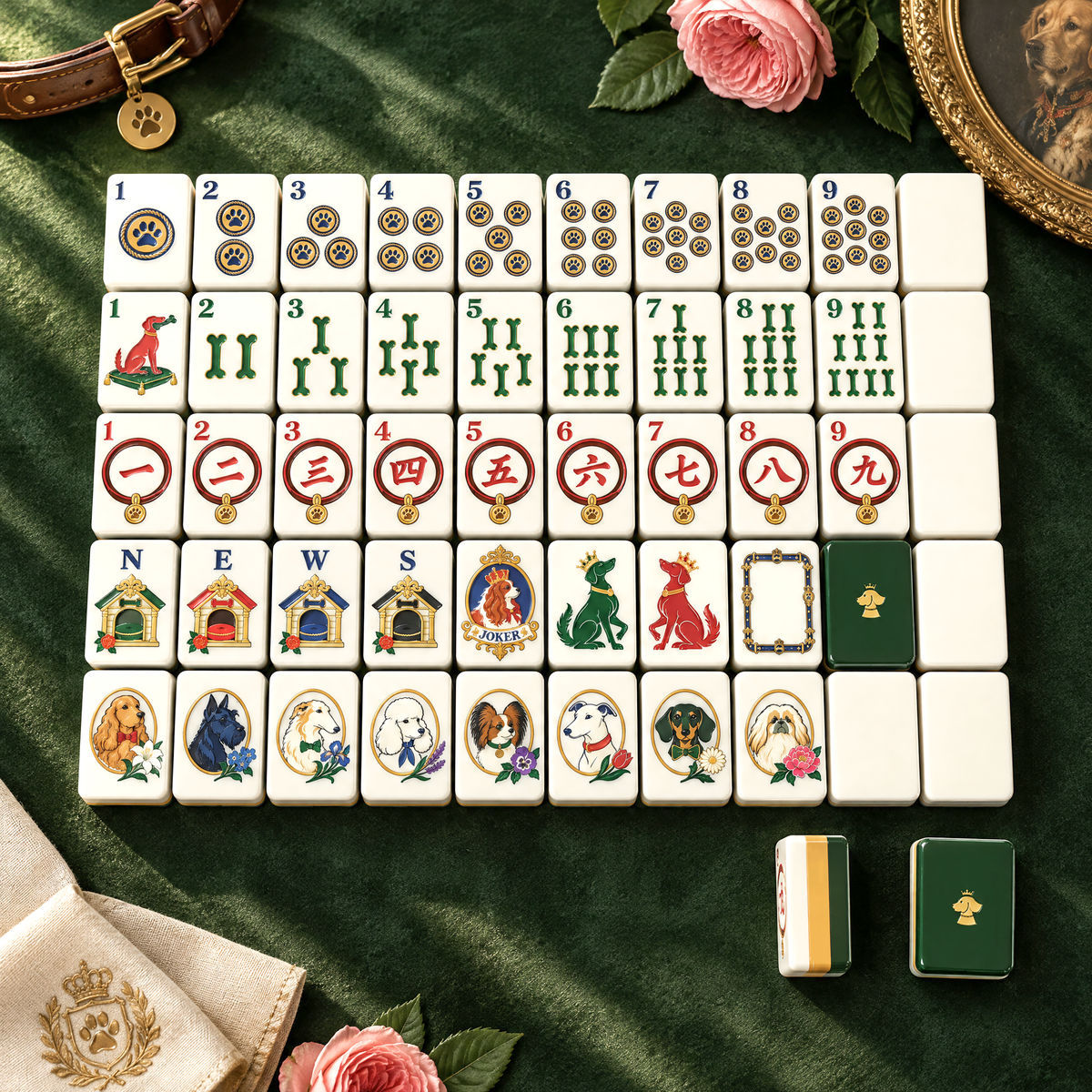
Store your mahjong set in a dedicated hard case, padded bag, or sealed plastic container in a cool, dry place—ideally between 40–50% humidity and room temperature. The 160 acrylic tiles (152 playing plus spares) are durable but can warp if exposed to direct heat, sunlight, or moisture. Keep the set in its original box inside a cloth drawstring bag for casual home storage, or invest in a travel bag and case if you transport it weekly to game nights. Never store loose tiles in a cardboard box without separation; tiles scratch and pile racks bend. A mahjong mat rolled with the set inside protects both at once. Check annually for humidity damage or missing tiles, especially if stored in basements, attics, or humid climates.
A mahjong set left loose or exposed will warp, chip, and scatter within months. We'll show you the right storage methods and containers—from cases to bags to climate control—so your tiles stay playable for years.
What happens if you store tiles the wrong way?
Acrylic tiles absorb moisture and expand unevenly, causing warping that makes them unplayable. Direct sunlight fades engravings and weakens tile integrity. Loose tiles in a cardboard box scratch each other and scatter easily. Humidity above 60% warps the mat and rots cardboard packaging. Extreme heat (above 85°F) can cause tiles to crack or bond. We've seen sets stored in garages, sheds, and near windows lose their playability within one season.

Which storage container works best for your setup?
Hard-sided luggage case: Ideal if you travel weekly or store the set in a vehicle. Protects against crushing, moisture, and UV. Fits a full set, mat, and racks. Takes up closet or under-bed space year-round.
Padded drawstring bag: Best for home storage and casual transport. Rolls down compactly, sits on a shelf, keeps dust off. Not crush-proof; not ideal for frequent car rides.
Original box + sealed plastic bin: Budget-friendly for stationary home storage. Box keeps tiles organized; plastic bin blocks humidity and dust. Stack in a linen closet or bedroom shelf. Check seal annually for moisture.
Rolled mat in a bag: Combines storage with setup. Roll the mat and slide the set (in its bag) inside the mat bag. One grab-and-go package for weekly games.
Storage Type | Best For | Durability | Space | Transport |
Hard case | Frequent travel | 5+ years | Bulky | Yes, rigid |
Padded bag | Home + monthly games | 3–4 years | Compact | Yes, flexible |
Original box + plastic bin | Casual home storage | 2–3 years | Tall | No |
Rolled in mat bag | Weekly hosting | 4+ years | Compact | Yes, one unit |
How do you organize tiles inside the container?
Keep tiles in the original compartmented tray or in a stackable plastic organizer with dividers. Label each section: Bams, Craks, Dots, Winds, Dragons, Flowers, Jokers. This prevents mixing suits and makes the Charleston faster. If your set came with a cloth bag, use it as a secondary layer inside the hard case for extra padding. Racks and pushers go flat or standing; never lay them on top of loose tiles. Dice sit in a small ziplock to prevent rattling and loss. Write your name or initials on a label inside the bag—sets look identical at game night.
What climate and location minimizes damage?
Store at 40–50% humidity and 65–72°F. Avoid:
Basements – Moisture rises from concrete; mold risk spikes above 60% humidity.
Attics – Heat and temperature swings warp acrylic; UV through roof vents fades tiles.
Garages and sheds – Uncontrolled heat/cold; pests; dust.
Windowsills and sunny spots – Direct UV fades engravings; heat warps tiles.
Next to heating vents or AC returns – Rapid humidity shifts cause warping.
Best locations: Bedroom closet, linen closet, hall cabinet, or interior living-room shelf. If you live in a humid climate (coastal areas, Florida, Louisiana), place a small silica gel pack inside your storage container and replace it every 3 months. If you live in a dry climate (Southwest), a sealed container alone is often enough.
🀄 Shop best-selling mahjong sets →

How often should you inspect and maintain your stored set?
Check your set every 6–12 months, even if not in use. Open the container and look for:
Warping or bowing in tiles—a sign of humidity. If mild, dry the set in a 70°F room for 48 hours with a dehumidifier.
Cracks or chips on edges—unavoidable with age, but count them. Missing tiles end games mid-round.
Musty or damp smell—mold is growing inside; dry immediately and replace the container seal.
Faded engravings—caused by UV; move the container away from light.
Loose or sticky pushers on racks—clean gently with a dry cloth; never use water.
If you store the set year-round without playing, rotate the storage container quarterly (turn it upside down, move it to a different shelf) to prevent pressure warping. When you return the set to active play after months in storage, play a warm-up game to ensure tiles still move smoothly and no grout has dried in the rack joints.
What about seasonal storage for game groups?
If your four-player group hosts weekly but pauses May–August, storage matters. Before the break, wipe tiles with a dry microfiber cloth (no water). Ensure the container seals fully; tape any gaps. Place a silica gel pack inside. Store in a cool closet, not in a vehicle or garage. One week before you restart, unpack the set and let it acclimate to room temperature for 24 hours. Shuffle tiles and run a practice hand to confirm no warping or sticking.
🎁 See our most-loved mahjong sets & accessories →
What to check before you buy a storage solution
Size: A travel bag and case must fit 160 tiles, a mat, and racks. Measure your mat when rolled (typically 20–24 inches) and bring a tape measure to the store or retailer.
Seal quality: Hard cases should latch firmly; padded bags should have a full drawstring, not just a partial closure. A loose seal means humidity creeps in.
Padding: At least ½-inch foam or felt lining prevents tile chipping during transport.
Compartments: Built-in dividers for tiles and racks beat a single open cavity; less shifting, fewer broken pieces.
Weight: If you carry the set to game venues weekly, a padded bag under 3 pounds (empty) is easier than a hard case weighing 5+ pounds.
Seams and zippers: Check for loose stitching or plastic zippers that catch; they fail after 1–2 years of weekly use.
✨ Find your Mahstead set — free US shipping →
For more on protecting your set, see our guides to choosing a mahjong mat and racks with pushers, and get started with the mahjong for beginners pillar.

FAQ
Can I store my mahjong set in a garage or outdoor shed?
Not long-term. Temperature swings, humidity, pests, and UV exposure will warp tiles and degrade the container within a year. Keep it indoors in a climate-controlled closet or room.
How do I know if humidity is damaging my set?
Tiles will bow slightly upward at the edges or feel tacky to the touch. A musty smell inside the container is a red flag. Use an inexpensive humidity meter (under $15) to monitor your storage closet monthly; keep it below 60%.
Should I store my mahjong set with the mat inside or separate?
Rolling the mat around the bagged set (inside a mat bag) saves space and protects both at once. If storing separately, keep the mat in its own sealed bag to prevent dust and humidity damage.
What's the difference between a padded bag and a hard case?
A padded bag is lightweight, flexible, and compact—good for monthly transport and home storage. A hard case is rigid, crushproof, and protects better during frequent travel or storage in crowded spaces, but weighs more and takes up permanent closet room.
Do I need a silica gel pack if I live in a dry climate?
No, unless you live near a coast or above 65% humidity. A sealed container alone is sufficient in the Southwest and other dry regions. Check your local humidity once per season to be sure.
Can I store my set in a attic or basement?
Avoid both. Attics heat and cool wildly, warping acrylic tiles. Basements are damp; mold and moisture will destroy tiles and cardboard within 6–12 months. A climate-controlled interior closet is always better.


View More
View More
View More
