
How to Restore a Vintage Mahjong Set: Tile & Case Care
Last updated: Nov 23, 2026
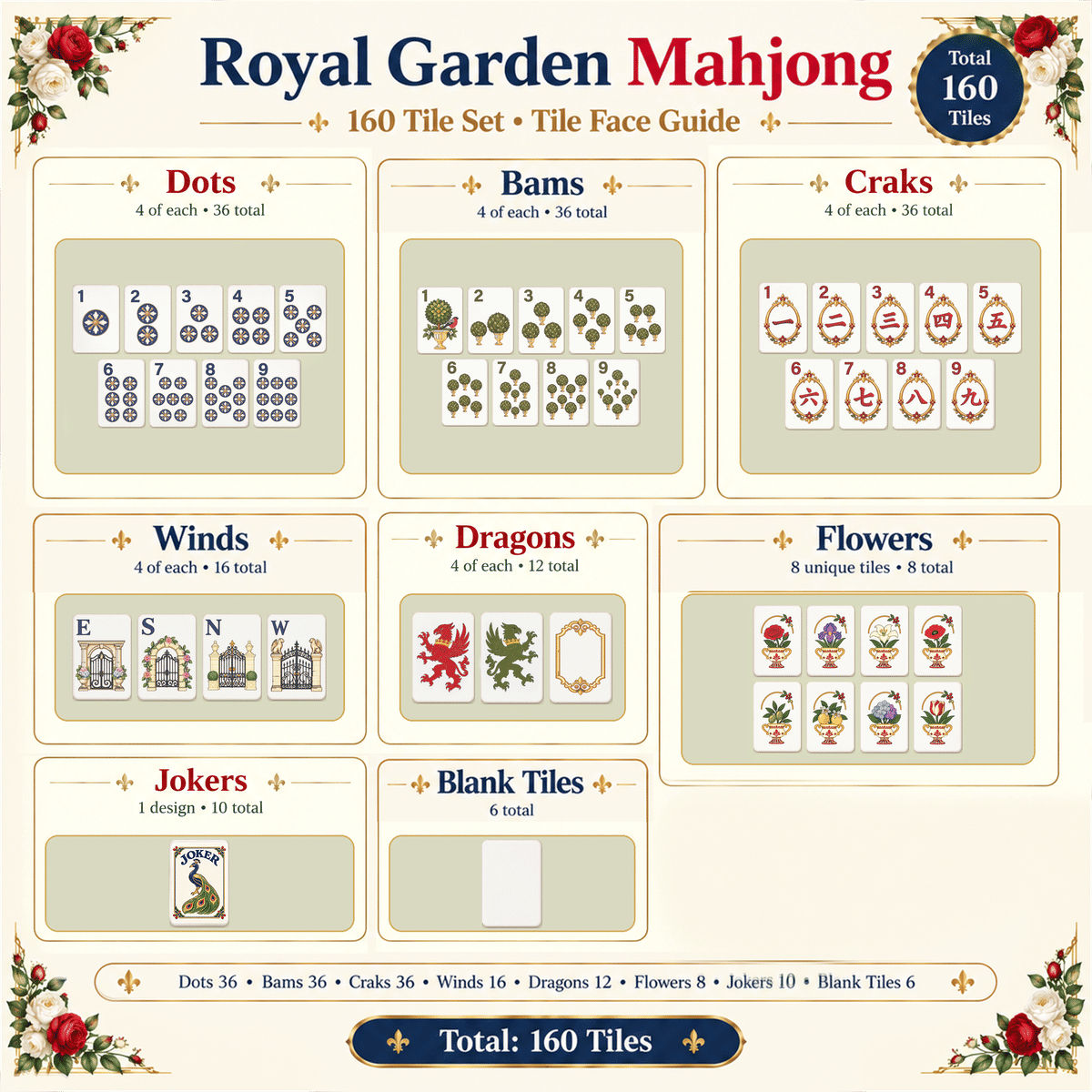
Restoring a vintage mahjong set depends on what's broken. Faded or stained bone/bamboo tiles can be gently cleaned with a soft, slightly damp cloth; deep cracks or chips may require professional repair or replacement of individual tiles. Wooden racks develop loose joints—tighten wood screws if present, or accept minor wobble as character. Aluminum cases oxidize and dent; light corrosion cleans off with a soft brush and distilled water, but structural damage is permanent. Most players decide: if more than 10% of tiles are unplayable, buy a new vintage-inspired or modern set. If the set has sentimental value and fewer than five bad tiles, source replacements from specialty sellers or retired sets.
What damage is worth fixing vs. replacing?
Not all age is worth saving. Inspect all 160 tiles: if more than one or two are cracked, chipped, or illegible, restoration costs exceed replacement. Racks and cases are replaceable; tiles are the heart. A single cracked Dragon or Bam is often ignorable in casual play (mark it mentally), but three loose Craks means your hand-reading falters. Check the case for cracks first—if the case is split, it won't protect the tiles during storage or transport, and repair is rarely worth the labor.

How do you clean aged tiles without damage?
Bone and bamboo tiles from the 1950s–1980s accumulate dust, nicotine stains, and fingerprint oils. Use a soft, lint-free cloth—microfiber or cotton muslin—barely damp with distilled water. Wipe each tile gently, never scrub. For stubborn stains, add one drop of mild dish soap to the water; test on a Flower tile first. Dry immediately with a second clean cloth. Never use acetone, alcohol, or abrasive sponges; these strip paint and craze the surface. Avoid soaking; wood and bone swell and warp in prolonged moisture. If a tile's paint has flaked off, cleaning won't restore it—accept the loss.
When should you replace individual tiles?
If fewer than three tiles are unusable, try to find a donor set. Online auctions, estate sales, and mahjong clubs sometimes sell incomplete older sets for parts. Match the size, material, and era as closely as possible; a modern acrylic replacement will look jarring in a vintage bone set. If you can't find donor tiles and the missing tile is not essential (e.g., a spare Flower), mark it clearly and keep playing—most home games tolerate one odd replacement. If a tile is vital and unfindable, that's the moment to retire the set and move to a new one. Our engraved acrylic sets won't yellow or crack over decades the way bone does.
How do you restore wooden racks and pushers?
Wooden racks loosen at the joints over time, especially along the mortise-and-tenon seams where the sides meet the base. Check each corner by gently pressing inward; if you hear a click or feel flex, the glue has failed. Tighten any visible wood screws with a Phillips head screwdriver—turn clockwise, gently (stripping the hole is easy). If there are no screws, the joint is glued; re-gluing requires disassembly and may damage the finish. Most home players live with minor wobble; it adds character and rarely affects play. Pushers (long sticks with notches) wear smooth and develop surface cracks. These are cosmetic; the pusher still functions. Sand lightly with 220-grit paper if the surface is rough, then wipe clean.

What's the difference between restoration and replacement?
Restoration = coaxing a 50-year-old set back into playable condition. Replacement = buying a new set because the vintage one is too far gone. The honest truth: vintage sets built before 1990 are rarely worth intensive restoration beyond gentle cleaning and minor repairs. Labor (whether yours or a craftsperson's) exceeds the resale value. Exceptions: a rare Bakelite set from the 1930s, a hand-carved bone set with provenance, or a set with deep sentimental family history. For everyone else, a new best-selling set plays better, travels safer in a padded case, and will outlast a restored vintage one by decades.
Restoration vs. Replacement: A Quick Comparison
Scenario | Restore? | Why | Next Step |
1–2 cracked tiles, intact case | Yes | Low cost, high nostalgia value | Source donor tiles or accept marking them |
5+ unplayable tiles, case intact | No | Sourcing multiple replacements is time-intensive | Buy a new set; save vintage for display |
Case cracked or shattered | No | Transport risk; repairs don't restore integrity | Replace the case or retire the set |
Tiles faded but playable | Yes | Gentle cleaning restores shine and legibility | Use distilled water + soft cloth |
Wooden rack loose but stable | Yes | Cosmetic issue; still functional | Tighten visible screws; accept wobble |
All tiles playable, case sound | Yes | Full restoration is worthwhile | Deep clean, tighten hardware, play |
How do you know when to stop and buy new?
We've all been there: a set your grandmother played with, or one you bought in the 1980s. You love it. But if you find yourself hunting for replacement tiles every other game, or if the case is too cracked to close safely, it's time. New sets don't require archaeology. A mahjong mat and fresh racks with pushers will feel more modern and ergonomic than salvaging a worn vintage set. And modern tiles don't stain, crack, or chip the way bone and bamboo do.
🀄 Shop best-selling mahjong sets →
What to check before you buy a vintage set to restore
If you're considering buying a vintage set hoping to restore it, inspect carefully first:
All 160 tiles present? Count the four of each number (1–9) in all three suits, plus 16 winds, 12 dragons, 8 flowers. Missing tiles = higher restoration cost.
Case latches secure? Open and close it five times. Broken clasps can't be trusted.
Racks wobble? Gently press the corners. Minor flex is okay; major movement means re-gluing.
Tiles legible? Hold each under light. Faded paint is cosmetic; illegible tiles are unplayable.
Any odor? Mildew, smoke, or mold smell signals moisture damage. These are hard to reverse.
Bamboo or bone? Bakelite or plastic? Older materials (pre-1960) are more fragile and expensive to repair.
If the asking price is less than half the cost of a new set and the damage is cosmetic (stains, loose racks), restoration may be worth it. Otherwise, start fresh.
🎁 See our most-loved mahjong sets & accessories →
We're practical players—we'd rather spend an hour refreshing a sentimental set than throw it away. But we're also honest: most vintage sets are best enjoyed as table decoration or teaching tools, not workhorses. If you restore one and love how it plays, that's a win. If you decide the effort isn't worth it, our collection offers modern sets that won't need restoration for decades.
✨ Find your Mahstead set — free US shipping →

FAQ
Can I use household cleaners on vintage mahjong tiles?
No. Avoid bleach, acetone, and alcohol—they strip paint and craze the surface. Distilled water and a microfiber cloth are safest. Test any solution on a Flower tile first.
How much does professional tile restoration cost?
We don't have pricing for third-party restoration services, so we can't say. Contact local antique restorers or conservation specialists for estimates. Many players find the cost approaches or exceeds buying a new set.
What if I'm missing just one or two tiles?
Source them from incomplete vintage sets online or from mahjong clubs. Match the material, size, and era. If that fails, mark the missing tiles clearly (a pencil dot) and keep playing—most home games tolerate one odd tile.
Should I store a restored set in its original case?
Yes, if the case is structurally sound. If it's cracked or the latches are broken, invest in a new protective case or padded bag to prevent damage during storage and transport.
Is it worth restoring a 1970s plastic set?
Only if you have strong sentimental attachment. Plastic doesn't age as gracefully as bone or bamboo—it yellows and becomes brittle. A modern acrylic set will outlast it and play better.
How often should I clean a restored vintage set?
After every four to six games, wipe the tiles with a dry cloth to remove dust and oils. Every few months, do a gentle damp-cloth clean if the set looks dull. Avoid frequent water exposure; it invites warping and mold.


View More
View More
View More
