
Best Mahjong Bags: Choose by Game Style & Travel Distance
Last updated: Nov 23, 2026
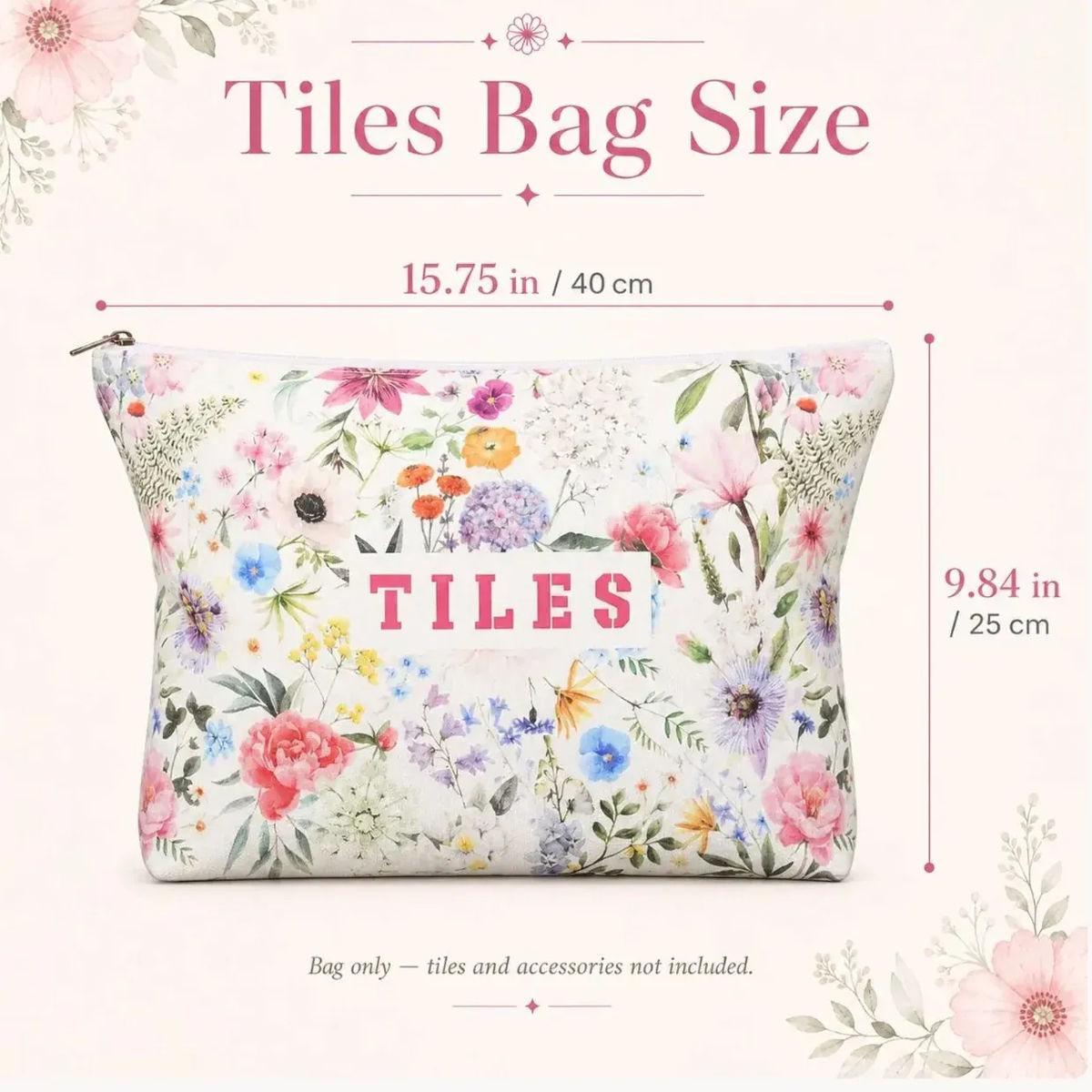
A mahjong bag is a protective carrier sized to hold a full American mahjong set (160 tiles plus accessories), mats, racks with pushers, and dice without crushing tiles or losing pieces. Bags range from compact nylon pouches for casual home games to padded hard-case carriers for tournament travel. The most common option is a semi-rigid or soft-sided bag with interior compartments, designed to fit standard acrylic tiles and keep them organized during storage and transport. Quality matters: cheap bags allow tiles to shift, cracking corners and damaging engraving; well-made bags use dense padding and reinforced seams. Most players who host weekly games choose bags that hold a full set plus one or two mats; tournament players often prefer cases with foam inserts. Prices and materials vary widely based on durability and capacity, so your choice depends on whether you're driving to a friend's house once a month or traveling several hours to competitions.
What size mahjong bag do I actually need?
Most American players need a bag that fits a 160-tile set, a standard nylon or felt mat (roughly 27"–30" folded), two racks with pushers, dice, and a card holder. A compact bag works if you're storing just the tile set; a medium bag handles one set plus mats; a large bag fits two sets or one set plus multiple mats and extras. Measure your folded mat and your tile box first—that's your baseline. Over-sizing wastes money and makes transport awkward; under-sizing forces you to cram tiles or leave mats behind. We recommend measuring your mat folded and your tile carrying case together, then adding 2–3 inches for padding and comfortable packing.

Soft-sided vs. hard case: which holds up longer?
Soft-sided bags (nylon, canvas, or padded fabric) are lighter, pack flat, and cost less than hard cases; they suit casual weekly home games where tiles stay relatively still during short drives. Hard cases with foam inserts protect tiles during airline travel, tournament transport over rough roads, or storage in damp basements; they prevent crushing and absorb impacts. If your set is engraved or high-value, or if you travel more than 30 minutes by car, a hard case or well-padded semi-rigid bag is worth the investment. For casual play within 15 minutes of your home, a soft-sided bag with reinforced seams and foam padding usually suffices.
Should I buy a bag designed just for mahjong?
Purpose-built mahjong bags include dividers sized for tile compartments, elastic pockets for racks and dice, and carriers fitted to standard mat dimensions. Generic duffel bags or craft cases can work if you add your own padding and organize tiles carefully, but you risk losing small pieces and mixing accessories. We've seen players lose jokers and flower tiles when they use unmarked toolboxes or camera bags. A mahjong-specific bag saves time at game night because everything has a designated home. If you host regularly, a purpose-built bag is a solid table investment; if you play twice a year, a generic padded case with careful packing may do.
🎁 See our most-loved mahjong sets & accessories →
Material comparison: what lasts through a season?
Material | Best For | Durability | Care | Weight |
Nylon with foam lining | Weekly home games | 2–4 years | Wipe clean | Lightweight |
Canvas with padding | Frequent car travel | 3–5 years | Hand wash, air dry | Medium |
Semi-rigid fabric + plastic frame | Tournament play | 4–6 years | Spot clean | Medium-heavy |
Hard ABS plastic case | Airline/long-distance | 5–8+ years | Wipe, lockable | Heavier |
Nylon is affordable and easy to clean but wears fastest at seams. Canvas breathes better and resists tears but shows stains. Semi-rigid bags split the difference: they protect tiles without the bulk of full cases. Hard cases win on longevity but cost more and don't fit in a car trunk as easily.
How do I pack tiles so they don't crack during transport?
Use interior compartments or dividers to keep tiles upright and prevent sliding. Place heavier items (mats, racks) on the bottom; stack tiles in the middle in their original rack trays or labeled pouches; tuck light items (dice, card holder, joker markers) on top or in outside pockets. Never dump loose tiles; they shift during braking and collide with bag seams, chipping corners. If your bag doesn't have dividers, use small ziplock bags or fabric pouches to group suits—Bams, Craks, Dots, winds, dragons, flowers, and jokers separate. When you arrive, unpack upright, not by pouring tiles from the bag. We've watched tournament players prevent tile loss entirely by spending 30 seconds organizing before they leave home.

What features prevent jokers and small tiles from getting lost?
Dedicated elastic pockets, mesh pouches with closures, and labeled compartments keep small tiles from sliding into corners or falling out during unpacking. Interior loops or clips hold racks in place; separate side pockets corral dice and card markers. Bags with a hinged or zippered top (rather than an open mouth) reduce spills during car acceleration or when setting the bag down. Some higher-end bags include a rain cover or waterproof inner lining—useful if you store your set in a garage or vehicle. Check that any closure (zipper, velcro, snap) is reinforced; cheap zippers jam or fail after a season.
✨ Find your Mahstead set — free US shipping →
Is an engraved set worth protecting with a better bag?
If your tiles are personalized or feature custom titles, they represent a gift or investment you'll use for years—cheap bags risk damaging that customization. Scratches to engraving are permanent and hard to repair; cracked tiles are costly to replace. Engraved sets from our collection are built to last, so protecting them with a semi-rigid or padded bag makes sense. Conversely, if you're buying a basic acrylic set for a newcomer or casual player, a simple nylon bag is fine until they're sure they'll play regularly. Match bag quality to set value and play frequency.
What should I check before ordering?
Interior dimensions: compare your folded mat + tile box height to the bag's depth and width. Compartments: count how many separate sections you need (tile box, mat, racks, dice, card holder). Padding thickness: 5–10 mm is standard; less than 3 mm offers little protection. Zipper & handles: test the weight you'll carry; cheap handles tear under strain. Weight limit: if you'll travel by air, check baggage rules (most bags with a full set weigh 15–25 lbs). Seal integrity: ensure closures don't leave gaps where dust or moisture enters. Return policy: buy from retailers offering exchanges in case the bag doesn't fit your set.
Our travel bag collection includes options ranging from compact utility pouches to tournament-grade cases, all tested by players who host regularly and travel for competitions. Prices vary; see current options on the product page. We ship free across the US, so you can order, test fit your set at home, and return within the stated window if the size isn't right.
Comparing bag types by game style
Casual weekly home game (5–15 min drive) A nylon or canvas soft-sided bag with basic padding handles one set plus a mat. You pack and unpack the same tiles every week, so compartments aren't critical. Budget option; lightweight.
Regular home host (1–2 hours total travel, multiple sets) Semi-rigid bags with divided interiors hold one full set, mats, and racks without shift-and-crack risk. If you store sets long-term, the frame protects against shelf warping. Mid-range; holds its shape.
Tournament or weekend travel (2+ hours by car or plane) Hard cases with foam inserts, reinforced handles, and wheels protect tiles through rough transport and damp hotel rooms. TSA-style locks optional for shared travel. Premium; heavier but insurance-grade protection.
Casual player (plays at others' homes, no storage burden) Compact nylon pouch designed for one set only. Ultra-lightweight; fits in a car door pocket. Entry-level; fine for occasional play.
Mixed collection (two or more sets, different designs) Dual-compartment hard case or two medium bags with color-coded labels prevent set mixing. Essential if you host with options or collect engraved titles.
What to check before you buy
Measure your set's footprint: length × width × height of your tile storage box or rack tray, both opened and packed.
Fold your mat: note its compressed size—that's often the limiting dimension.
List what travels with you: one mat or two, racks, dice, card holder, extra jokers—count items, not just volume.
Test the bag's interior pockets: can you fit a standard tile rack vertically, or must it lay flat?
Check zipper and handle durability: pull hard; look for reinforced stitching at stress points.
Read return details: confirm you can exchange size or material within 14–30 days.
🀄 Shop best-selling mahjong sets →
For players who host weekly games, a good mahjong bag becomes invisible—you pack once, unpack once, tiles stay safe. We've seen sets damaged by cheap bags come back dented, gouged, or with missing jokers; we've also seen the same engraved tiles protected in quality cases for five years without a scratch. Your bag is your set's first line of defense. Choose based on how far you travel and how often you play, not on the lowest price. Browse our complete travel bag selection to find the right fit, with free shipping across the US to anywhere in the country.

FAQ
Can I use a regular duffel bag for mahjong tiles?
Technically yes, but you risk losing small pieces (jokers, flowers) in corners and jostling tiles until they chip. A duffel lacks compartments and padding, so tiles collide during transit. A purpose-built or well-padded bag organized with pouches is safer and faster to pack.
What's the difference between a mahjong bag and a mahjong case?
Bags are soft-sided, often fabric-based, and fold or compress for storage; cases are rigid-sided or semi-rigid, with frames or plastic shells, and hold their shape. Cases protect better during travel but are bulkier and heavier. Bags are lighter and more portable for casual play.
Do I need a separate bag if I have two mahjong sets?
If both sets travel together regularly, a dual-compartment case or two labeled medium bags prevent mixing and keep tiles organized. If one set lives at home and one travels, you need only one bag. Some players buy two identical bags and keep one set in each.
How do I prevent tiles from smelling musty after storage?
Store bags in a dry room at room temperature, never a basement or unheated garage. A small sachet of cedar or silica gel inside the bag absorbs moisture. Unzip and air out the bag weekly if you live in a humid climate. Hard cases with sealed foam are more moisture-resistant than soft bags.
Is it worth buying an expensive hard case if I only play casually?
Only if you travel more than 30 minutes, play in competition, or store your set long-term. For weekly home games within 15 minutes, a padded soft-sided bag with reinforced seams is adequate and easier to stow. Upgrade if your set is engraved, high-value, or you travel frequently.
Can I fit mahjong mats in the same bag as my tiles?
Yes—fold the mat tightly and place it on the bag's bottom or outside, under a velcro strap or in a dedicated mat pocket. Don't roll it; fold it into thirds or quarters to avoid creasing. Some bags have exterior mat sleeves sized for standard 27"–30" mats folded compactly.


View More
View More
View More
