
How to Play Sichuan Mahjong: Rules, Strategy & Setup
Last updated: Nov 23, 2026
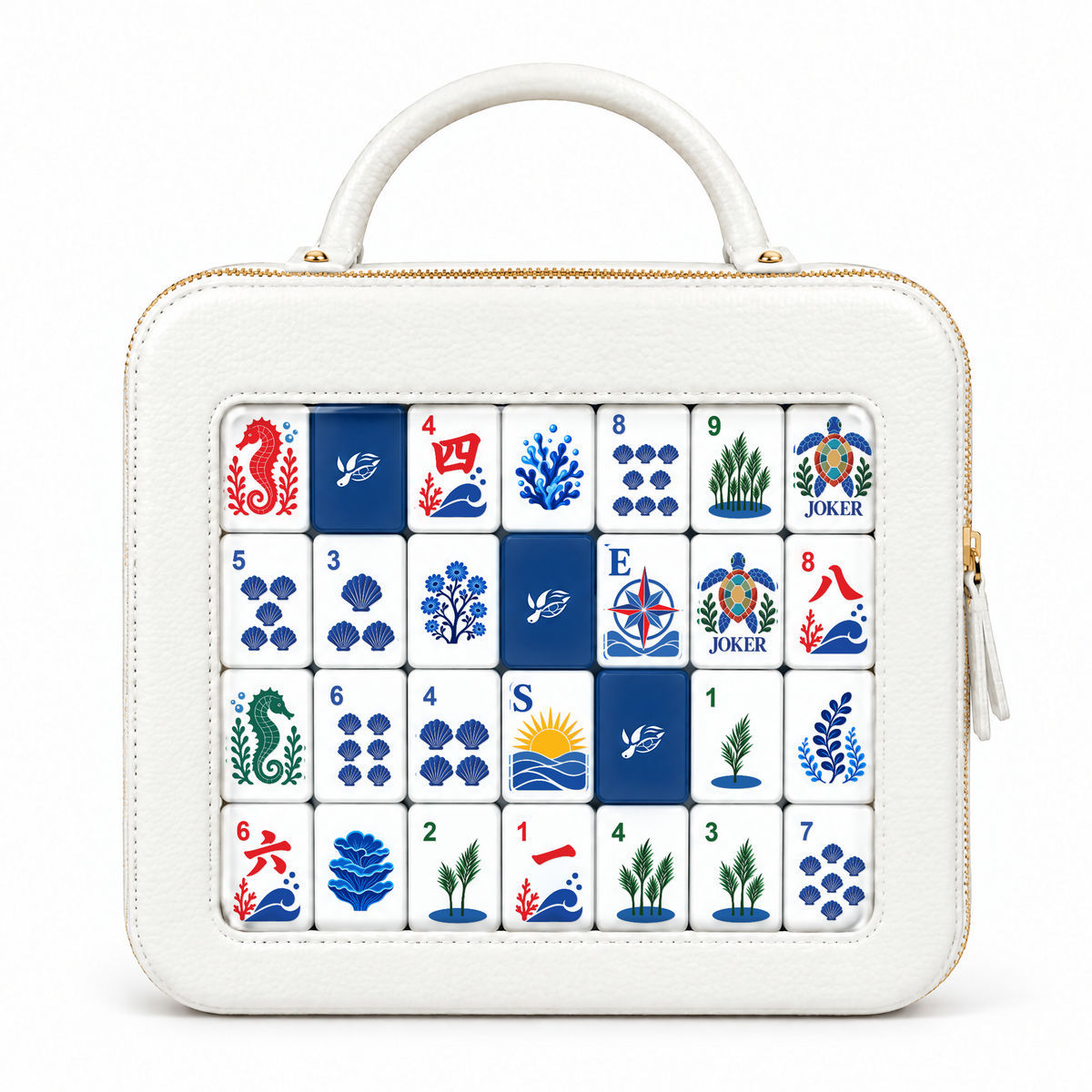
Sichuan mahjong (四川麻将) is a Chinese regional variant played with 108 tiles—the core three suits and honors only, no flowers or blanks. Games are typically fast-paced, lasting 30–60 minutes per round, with scoring based on combinations called "hu" (win patterns) that differ significantly from American or Cantonese variants. Players draw and discard in turn, building concealed hands of four melds plus a pair; winning requires a complete hand matching one of dozens of official patterns. The game is popular in Sichuan Province and neighboring regions, played recreationally and for stakes. Unlike American mahjong, Sichuan uses no Charleston, no exposed pungs, and no card—all legal hands are memorized or known by local convention. Jokers (if used at all) serve strictly as wild tiles in specific contexts. Newcomers should learn the core hand types first: pung-based patterns, sequences, and "all terminals" or "all honors" hands, then progress to rare patterns and scoring multipliers.
Sichuan mahjong demands a different mindset from the American game. There's no annual card, no long Charleston ritual, no tile racks with pushers—just four players, quick discards, and a race to complete a recognized pattern. If you've played American or Hong Kong mahjong, set aside those rules; Sichuan operates on speed, memory, and local convention.
What are the core hand patterns in Sichuan mahjong?
Sichuan mahjong recognizes dozens of winning hands, but they fall into a few recurring types. A basic win is four identical melded groups (melds) plus a pair—called "hu." Each meld can be a pung (three identical tiles), a kong (four identical), or a sequence (1-2-3 of the same suit, called a "chow"). The simplest hand is all pungs and a pair; slightly harder is mixing sequences and pungs. The game rewards rare patterns: all terminals (1s and 9s only), all honors (winds and dragons), no sequences, all one suit, all pairs, and patterns with no simple melds at all. Each of these combinations carries its own multiplier or flat score. Beginners memorize the most common 10–15 patterns, then gradually absorb rarer ones by playing. Local house rules often add unique hands—some regions recognize "all green," "all red," or specific sequences—so always confirm the pattern list before starting with new players.
🀄 Shop best-selling mahjong sets →

How does the draw and discard work?
Players sit in compass positions (East, South, West, North). East deals 14 tiles to themselves, 13 each to the others; play begins with East's discard. On each turn, you draw one tile from the wall, then discard one face-up for others to see. Any player can call ("pung" or "kong") an exposed discard to complete a meld, which you then lay open on the table. If no one calls, the next player draws and play continues. The key difference from American mahjong: once you discard, opponents may claim it immediately—you cannot retract. This forces faster decision-making. Many variants allow only the player after you (the next in rotation) to call a discard to complete a chow (sequence); a pung or kong can usually be called by anyone. If a player wins immediately after a discard (a "one-turn win" or "ho"), the discarder pays a penalty to everyone. Timing and tile tracking are crucial; you must watch what others discard, remember it, and adjust your hand. Games move quickly—a mediocre hand is often discarded mid-round rather than pursued to a slow win.
What tiles are in a Sichuan mahjong set?
A Sichuan set contains 108 tiles: 36 number tiles (Bams, Craks, Dots, 1–9, four copies of each), 16 winds (North, East, South, West, four copies each), and 12 dragons (Red, Green, White, four copies each). There are no flower tiles, no jokers as standard, and no blanks. Some sets add jokers for wild-tile rules in specific hands or as house variants; confirm with your group. Tiles are usually carved bamboo, bone, or plastic. The 1 Bam often bears a bird image. Suits are marked with symbols: circles (Dots), Chinese characters or lines (Bams), and cracked lines (Craks). Winds and dragons are also marked with traditional characters or symbols. Sichuan sets often come in smaller, travel-friendly sizes because the game is played in homes and teahouses without the bulky racks and mats that American players favor. If you're hosting Sichuan games and want a durable set that travels well, our best-selling mahjong sets collection includes compact options suited to regional play; many work equally well for American, Chinese, or mixed-variant games.
🎁 See our most-loved mahjong sets & accessories →

What are the scoring rules?
Scoring in Sichuan mahjong is pattern-based and local; there is no universal standard. A win typically earns points from other players—usually 1 point per player for a simple hand, 2 points for a meld-heavy hand, and multipliers (2×, 4×, 8×, or more) for rare patterns. An "all pungs" hand might pay double; an "all sequences" hand slightly less. "All terminals," "all honors," "all one suit," and "no sequences" (melds only) often carry 4–8× multipliers. Some variants award extra points for concealed wins (no melds laid openly) or one-turn wins (winning off the very next discard). If you bust (neither win nor discard legally), you pay a small penalty. Scoring is always negotiated before play starts; no two regions or even two tables play identically. The lack of a central authority (like the National Mah Jongg League in American mahjong) means house rules reign. Before your first game, ask: How many points for a basic win? What multipliers apply to which hands? Do we play ties (single vs. double discard payments)? Are ties split or replayed? Document answers so disputes don't arise mid-game.
How does strategy differ from American mahjong?
In American mahjong, you aim for one hand from the current year's card and adjust as tiles appear. In Sichuan, you play multiple viable patterns simultaneously and shift based on what's discarded. If you're pursuing "all pungs" but see three 5 Dots go by, you pivot to a pung-heavy "mixed pattern" or start a new hand entirely. Speed and flexibility are prized; hesitation costs time and telegraphs your hand to alert opponents. Concealment is critical—don't expose melds unless you must. Keep your hand hidden longer, and opponents guess slower. Discard defensively: if East is close to winning, don't discard tiles that complete their likely hands. Watch the discard pile; if 1 and 9 tiles dominate, someone's chasing "all terminals." Remove high-value tiles from danger by discarding them early. American mahjong rewards patience and card knowledge; Sichuan rewards snap decisions and psychology. Never play Sichuan as slowly as American—the game is designed for 30-minute rounds, and dwelling on a discard stalls everyone.
What setup and etiquette do I need?
Set up on a table with enough space for four players, tiles face-down, and a separate discard area in the center. Shuffle tiles thoroughly; some players "feed" (pass tiles to a central pile) to randomize before dealing. East deals 14 tiles to themselves, 13 to each opponent, arranged in front of each player in two columns of six or seven tiles. Remaining tiles form the "wall" (a reserve from which players draw). Keep your tiles hidden from neighbors. Discard tiles face-up in the center, clearly visible to all; announce melds clearly so no one misses a claim opportunity. Never reveal your hand until you win or the round ends. Don't discuss hands mid-game; any advice to another player is poor form. If a meld is claimed, pause briefly to confirm legality, then continue. Rounds should move fast; take no more than 5–10 seconds per turn. If disputes arise about pattern legality or scoring, consult the group's house rules or a player who taught the others. Sichuan etiquette is informal compared to organized American games—there's no arbiter or league—so clarity upfront prevents friction.
Variant | Tile Count | Melds | Hand Sources | Pace | Setup |
Sichuan | 108 | Pung, Kong, Chow | Memorized patterns | Fast (30–60 min) | No Charleston, no card |
American | 152 | Pung, Kong, Quint, Sextet (no Chow exposed) | Annual NMJL card | Moderate (60–90 min) | Charleston ritual required |
Hong Kong | 136 | Pung, Kong, Chow | Memorized + house variants | Moderate (45–75 min) | Flexible, fewer multipliers |
Cantonese | 108–136 | Varies locally | Local tradition | Variable | Often no card |
What to check before you buy:
Confirm your group plays classic Sichuan or a local variant (rules differ regionally).
Verify the set has exactly 108 tiles (Bams, Craks, Dots 1–9, Winds, Dragons; no flowers).
If playing for money, ensure tiles are identical size and weight (unsorted or chipped tiles invite cheating accusations).
Ask whether jokers are used; if yes, how many and in which hands.
Agree on hand list and multipliers in writing before the first game.
✨ Find your Mahstead set — free US shipping →

FAQ
Can I use an American mahjong set to play Sichuan?
An American set has 152 tiles including flowers and blanks; Sichuan uses 108 with no flowers. You can remove flowers and blanks and play, but the set is oversized for the game and lacks the hand-size optimization regional sets offer.
How long does a typical Sichuan game last?
A single round (East's turn through all four players) takes 10–20 minutes. A full session is usually 4–6 rounds, so 60–90 minutes total, depending on speed and disputes.
Is there a global Sichuan mahjong league or official rulebook?
No. Sichuan mahjong is governed by local convention and house rules. Each region, teahouse, and friend group may have slight variations in hand patterns, scoring, and etiquette. Always confirm rules before playing with a new group.
What's the best way to learn Sichuan hands?
Play regularly with patient, experienced players and ask for feedback after each round. Write down the 10–15 most common winning patterns and check them off as you see them. Many players learn by osmosis rather than formal study.
Do I need special tiles, a mat, or a rack to play Sichuan?
No. A standard 108-tile set, a smooth table, and a discard pile are all you need. Racks and pushers are optional and mainly used by American players for tile organization; Sichuan players often manage tiles by hand.


View More
View More
View More
