
Sichuan Mahjong Setup: Tiles, Rules & Table Guide
Last updated: Nov 23, 2026
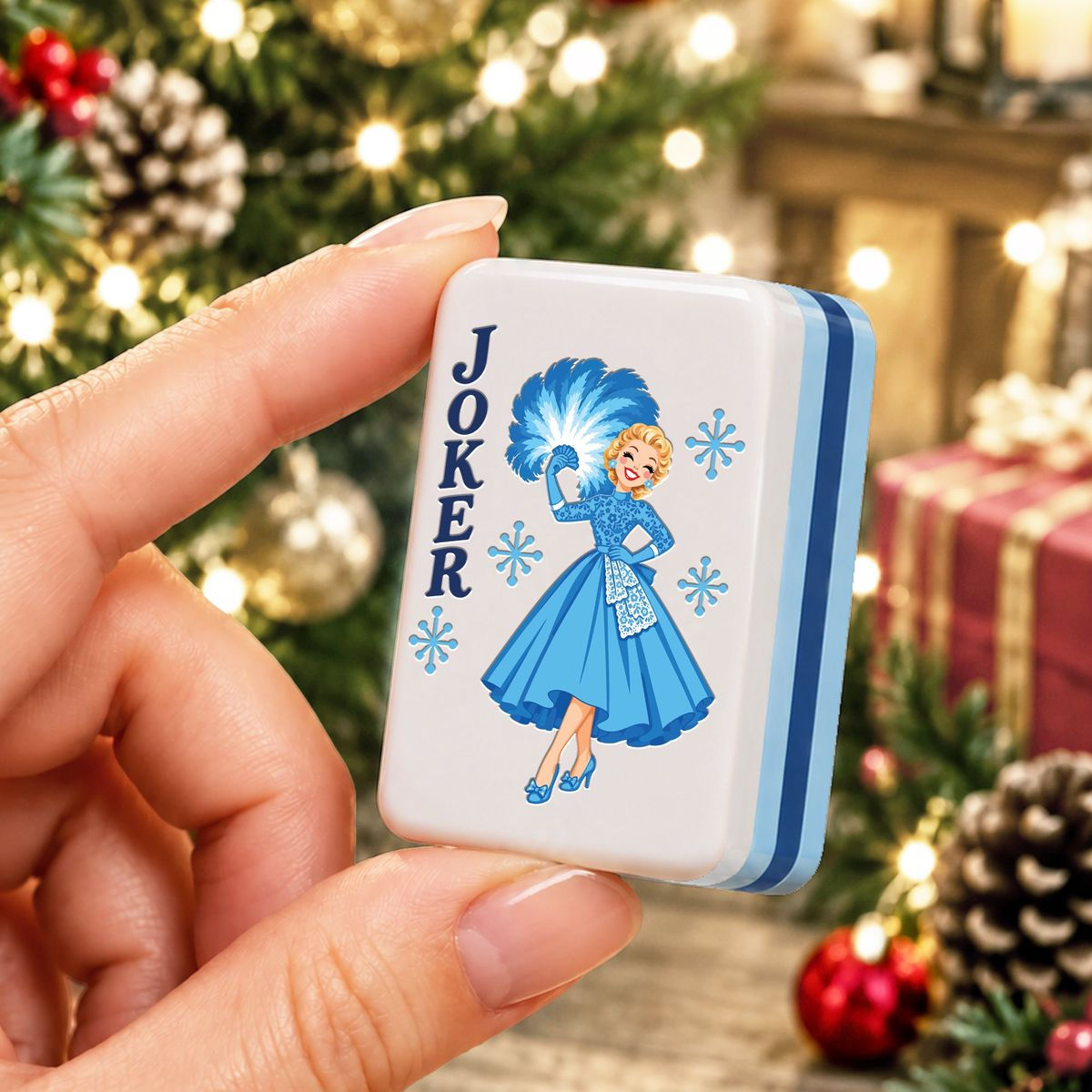
Sichuan mahjong uses 108 tiles—three suits (Bams, Craks, Dots) numbered 1–9, four copies each—plus flowers and no winds or dragons. Four players sit in a square; North deals first and draws from the right end of the wall. Each player receives 13 tiles, then North draws a 14th. The goal is to form melds (pungs, sequences/chows, or pairs) and declare a winning hand (hu) as soon as possible. Unlike American mahjong, which requires hands from the official card and bans sequences in exposed melds, Sichuan allows any sequence, plays without a hand guide, and discards extremely fast. A round takes 10–15 minutes. Setup takes less than five minutes: shuffle all 108 tiles face-down, build a wall, and deal.
Sichuan mahjong is one of China's most popular regional variants—faster and more intuitive than American mahjong, and played in casual settings from family rooms to teahouses. The game rewards speed, memory, and reading other players' intentions. If you've played American mahjong and want to try something looser and wilder, Sichuan is the jump-off point.
What tiles do you use in Sichuan mahjong?
Sichuan mahjong uses exactly 108 tiles: three suits (Bams, Craks, Dots) with numbers 1–9, four copies of each tile. That's 36 tiles per suit = 108 total. No winds, no dragons, no honors. Some regional variants add flowers or bonus tiles, but the core 108 is standard. The game feels minimal compared to American mahjong's 152-tile deck (before jokers).

How do you build the wall and deal?
Four players sit North, East, South, West around a table. All 108 tiles go face-down in the center and are shuffled thoroughly. The players collectively build a wall: each player arranges tiles into a 2-tile-high, 18-tile-long stack in front of them, forming a square. North (dealer) starts the game. North draws from the right end of their own wall (the end closest to East). Each player draws one tile per turn, starting with North. North draws twice on their first turn: once to receive their 14th tile, and again before discarding. East, South, West each draw once per turn. After North's opening draw, each player draws and discards in turn order (clockwise). Any player can claim a discard as a pung (three), chow (sequence), or kong (four identical tiles), or hold it as part of their hand. Claiming halts the turn; non-claimers skip that turn.
What are the hand-winning patterns?
A winning hand (hu) has 14 tiles (or 13 if you drew the winning tile yourself on your turn). Winning hands fall into patterns: all pungs (triplets), mixed sequences and pungs, all sequences, all one suit, or special hands (for example, all terminals and honors—though Sichuan variants often drop this because there are no honors). The most basic: four melds plus a pair. A meld is either a pung (three identical tiles: 5 Dot, 5 Dot, 5 Dot) or a chow (three consecutive tiles in one suit: 4 Craks, 5 Craks, 6 Craks). A pair is two identical tiles. So a hand might be: pung of 3 Bams, chow of 6–7–8 Dots, pung of 2 Craks, chow of 4–5–6 Bams, pair of 9 Dots. That's 14 tiles, organized as legal melds. Declare it immediately—you win that round.
How does Sichuan differ from American mahjong?
The biggest differences: American mahjong uses 152 tiles (plus jokers), requires hands from the official National Mah Jongg League card renewed each year, bans sequences in exposed melds, and plays 13–20 minutes per hand. Sichuan uses 108 tiles, has no hand card (any legal pattern wins), allows sequences freely, and resolves in 10–15 minutes. American players study the card before each hand; Sichuan players stay loose and reactive. American mahjong is more rigid and scored—points count toward tournaments. Sichuan is social, fast, and casual. If you've learned American mahjong, Sichuan will feel like releasing the handbrake: fewer tiles to track, no card to memorize, and instant gratification.

What equipment do you actually need?
A basic Sichuan game requires 108 tiles, a flat table, and four players. You don't need a mat (though one keeps tiles organized and quiet), racks (optional; many players hold tiles in hand), pushers (nice to have if using racks), or jokers. Most players invest in a set with clearly numbered suits and a carrying bag for portability. A mat becomes valuable if you're hosting regular games—it muffles shuffling, marks the wall boundary, and protects your table. Racks with pushers help if multiple players tire from holding tiles. Our best-selling mahjong sets include acrylic tiles that survive hundreds of games, and we offer mahjong mats and racks with pushers for comfort during longer sessions.
🀄 Shop best-selling mahjong sets →
Equipment | Why it matters | Optional? | Notes |
108-tile set | Core gameplay | No | Must-have; ensure clear suit markings |
Mat | Grip, noise, table protection | Yes | Recommended for frequent play |
Racks + pushers | Hand comfort | Yes | Useful if players have hand fatigue |
Carrying bag | Portability | Yes | Essential if traveling to games |
Scoring notepad | Tracking points (variant-dependent) | Yes | Some Sichuan variants keep score; some don't |
How do you actually play the first round?
Step 1: All four players sit down. Shuffle all 108 tiles face-down in the center and mix thoroughly for 30 seconds.
Step 2: Each of the four players builds their wall: take 18 tiles, stand them in a 2-high row in front of you (36 tile-faces total visible to others, standing stacked).
Step 3: Place the four walls end-to-end to form a hollow square in the table center.
Step 4: North (the dealer, chosen by prior agreement or dice roll) sits in the North seat. North draws from the right end of the North wall and distributes:
North draws and keeps the 1st tile (for North's hand).
East draws 1 tile (draws from the right end of East's wall).
South draws 1 tile.
West draws 1 tile.
This cycle repeats three times (each player now holds 3 tiles).
Fourth cycle: North draws 1, East draws 1, South draws 1, West draws 1 (each holds 4).
Fifth cycle: repeat once more (each holds 5).
Sixth cycle: all draw once (each holds 6).
Seventh cycle: all draw once (each holds 7).
Step 5: North draws one more tile directly from the wall for a 14th total. North now has 14 tiles; the other three have 13.
Step 6: North examines their 14 tiles and discards one (face-up, in the discard pool at the table center). This signals the first real turn.
Step 7: East's turn: draws one tile from the right end of East's wall, looks at all 14, and either:
Discards one (if not going for a win).
Declares a win/hu if holding a legal winning pattern.
Step 8: Any player can claim East's discard as a pung (exact three-of-a-kind) or chow (a three-tile sequence in the same suit). If claimed, the claiming player shows the meld, and the turn passes to the player after the claimer. If unclaimed, South draws from the right end of the South wall and continues.
Step 9: Play continues clockwise until one player declares a winning hand.
What to check before you buy: Ensure your tile set is complete (108 tiles for Sichuan). Verify the suit symbols and numbers are printed clearly on both faces; poor print fades fast and makes gameplay confusing. If you're buying used or untested, count the tiles: mix them in a bag or box and tally each suit. Check for cracks, chips, or warping—acrylic tiles are durable but can chip if dropped. If hosting regular games, buy a mat with raised edges so tiles don't slide off the table during shuffles. A carrying bag for mahjong sets protects tiles during transport and keeps them organized at home.
🎁 See our most-loved mahjong sets & accessories →
Common mistakes to avoid
Mistake 1: Misbuilding the wall. The wall must be exactly 18 tiles per side (36 tile-faces stacked 2-high), making a square that encloses the discard pool. If walls are too short or too long, the dealing ritual breaks. Count before building.
Mistake 2: Drawing from the wrong end. Each player always draws from the right end of their own wall (the end closest to their right neighbor's wall). Drawing from the left end inverts the turn order. Mark your wall ends with a pencil dot if you're unsure.
Mistake 3: Mixing up melds. A pung is three identical tiles, a chow is three consecutive tiles in the same suit. Don't claim a 3–4–5 Bam as a pung; it's a chow. Pungs look "flat" (all the same), chows look "flat" (all in a line, numbers rising).
Mistake 4: Discarding before drawing. Every turn: draw first, discard second. Draw breaks the wall and adds a tile to your hand; discard reduces your hand back to 13 (or 14 for North on their first turn, or 14 if you drew the winning tile). Reverse this order and the wall collapses.
Mistake 5: Slow shuffling. Sichuan relies on speed. Shuffle for 20–30 seconds, not one minute. If players are waiting for the shuffle, energy drops and mistakes creep in. Fast shuffles keep the pace lively.
The first game always feels slow—you're learning the rhythm. By the third or fourth hand, most players settle into a natural tempo. Sichuan is designed to be picked up in one sitting, not studied for weeks.
✨ Find your Mahstead set — free US shipping →

FAQ
Can I play Sichuan mahjong with an American mahjong set?
Technically yes, but it's awkward. An American set has 152 tiles including winds, dragons, and jokers—all excess for Sichuan. You'd have to remove 44 tiles and then sort the remaining 108 by suit and number. Stick with a dedicated 108-tile set; they're inexpensive and easier.
Do you have to announce chows and pungs when claiming a discard?
Yes. When you claim another player's discard, you must immediately show the meld (pung or chow) with that discard included. You expose it on the table so all players see what you took. Concealing a claimed meld is cheating. Melds you form from your own hand—not from discards—stay hidden until you declare a win.
What happens if two players want to claim the same discard?
Priority typically goes to the player claiming a win (hu) first. If both want a pung, the first to claim it wins. If neither claims fast enough, the discard is forfeit and play moves to the next player's turn. House rules vary; agree before the game starts. A common rule: winner always has priority, then pung, then chow by turn order.
How do you score in Sichuan mahjong?
Scoring varies wildly by region and house rules. Some games are simply "one point per win," others use multipliers based on hand pattern (all pungs = 2 points, all sequences = 1 point, mixed = 1 point). The winner collects points from all three opponents. Keep a notepad and agree on the scoring before starting. Most casual Sichuan games don't keep detailed points—the fun is the play.
Can I draw a tile from the wall if I haven't finished my hand yet?
No. You draw only after you've discarded (except North's opening 14-tile draw and when claiming a discard). If you still have 14 tiles in hand, you must discard before drawing. Holding excess tiles blocks the turn.


View More
View More
View More
