
How to Play Malaysian Mahjong: Rules & Setup Guide
Last updated: Nov 23, 2026
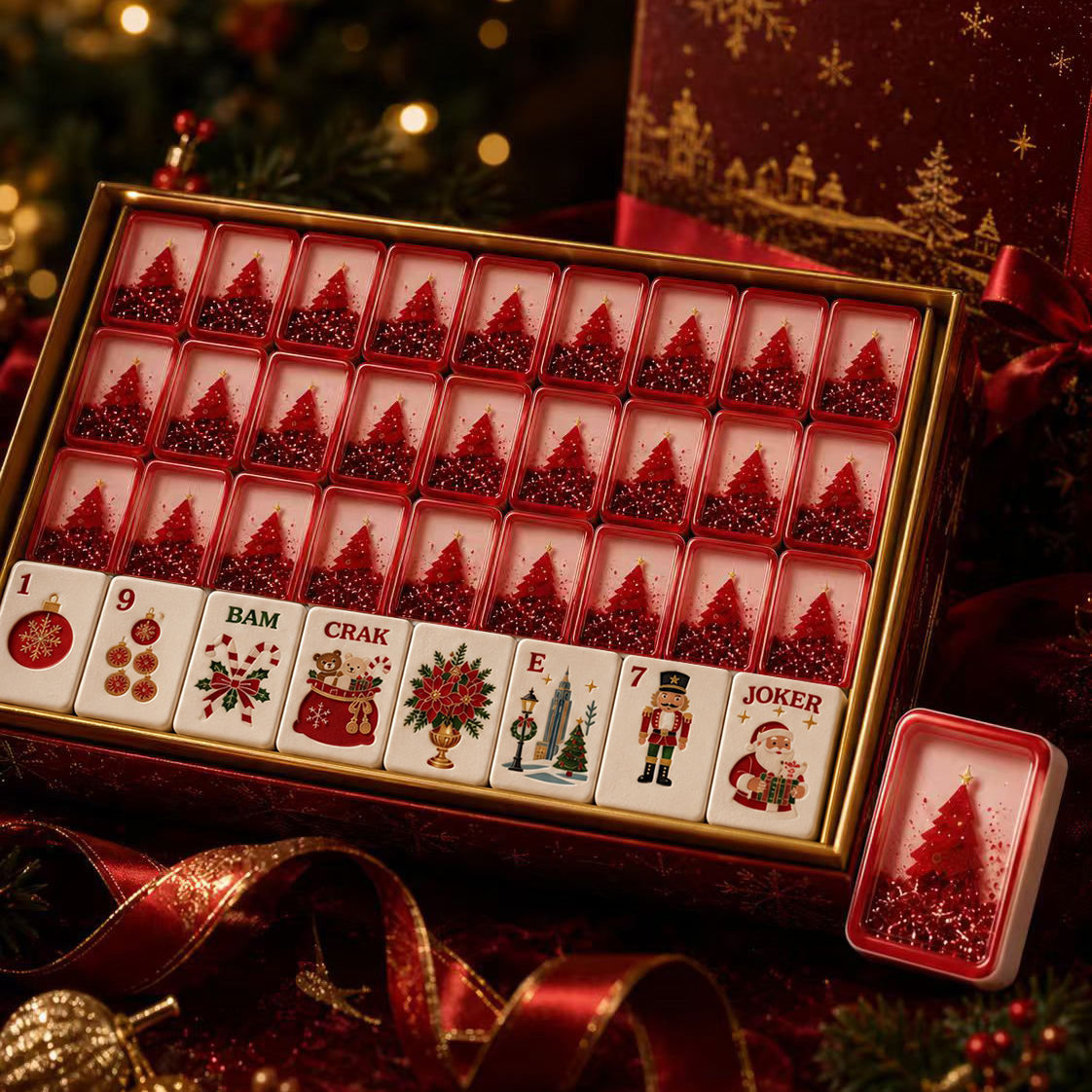
Malaysian mahjong uses 144 tiles (three suits, winds, dragons, flowers) with 16-tile hands instead of the American 13-tile format. Players draw and discard simultaneously in a precise order: East draws two, all players draw and discard one each, then South draws one. Hands are built from pungs, kongs, quints and sextets (melds of identical tiles), plus a pair—similar to American rules but without jokers or a pre-printed card. Flowers are free draws that replace your draw immediately. Games run 16 rounds minimum. Unlike American mahjong, Malaysian variants allow chows (sequences like 4-5-6 Bams) in many local rulebooks, though we focus on the tile-identical variant. No discard wall, no Charleston. The game plays in roughly 2–4 hours depending on table pace and rules house.
What's the difference between Malaysian and American mahjong?
American mahjong uses 152 tiles, 13-tile hands, a printed card of legal hands each year, eight jokers, and no chows—only melds of identical tiles. Malaysian mahjong plays 144 tiles, draws 16-tile hands, uses no jokers or annual card, allows flowers to be drawn free, and many versions permit chows. American play includes the Charleston (pre-game tile pass); Malaysian does not. American requires exposure of melds as you build them; Malaysian often keeps hands concealed longer. Both games share tile types and suit names, but the rhythm and strategy differ sharply.

How do you set up a Malaysian mahjong game?
Shuffle all 144 tiles face-down and arrange them into a wall eight tiles high and 18 tiles wide per side. Players sit at cardinal directions: East (dealer), South, West, North. The dealer sits East; players determine dealer by drawing tiles. Each player draws and discards in turn order. East draws two tiles and discards one (if not going out immediately). South, West, and North each draw one tile and discard one. Flowers drawn at any time are set aside and replaced by an additional draw. The game begins once all players hold 16 tiles. Set up your wall on a smooth surface—a mahjong mat keeps tiles from sliding and speeds play significantly.
🀄 Shop best-selling mahjong sets →
What is the correct draw and discard order in Malaysian play?
East (dealer) draws two tiles from the wall and must discard one. South draws one from the wall and discards one. West draws one and discards one. North draws one and discards one. Any player may call a discard to form a meld (pung, kong, or quint of identical tiles); when called, the discarding player stops, and play goes back to the player who called. If no one calls, play continues with the next player's turn. Each flower drawn immediately is replaced by an extra draw from the wall. This cycle repeats until someone declares a winning hand (all melds plus a pair, or in some rulesets, a special pattern). East goes out first if tied; if East does not go out on their turn, play passes left to South.
Can you explain flowers in Malaysian mahjong?
Each of the eight flowers (Plum, Orchid, Bamboo, Chrysanthemum, Spring, Summer, Autumn, Winter—or numbered 1–8 in tile form) counts as a bonus tile. When any player draws a flower, they immediately set it aside, count it toward their hand, and take an extra draw from the wall to replace it. Flowers are never melded or called; they belong only to the player who drew them. At scoring, flowers held count as bonus points. You may have zero to eight flowers by the end of a hand. Flowers are drawn whether you're trying to go out or not—you must replace the draw. This rule makes flowers a luck element and a source of hand value.

What are the winning conditions in Malaysian mahjong?
A winning hand consists of four melds (three or four tiles of identical suit/number) plus one pair (two identical tiles), totaling 14 tiles, plus two flower tiles, for 16 tiles total. Melds are: pung (3 identical), kong (4 identical), or quint (5 identical)—never sequences in the tile-identical variant. The pair must also be identical tiles (e.g., two 5 Bams). Some Malaysian tables allow flowers to substitute as wild cards (similar to jokers in American play), but the strictest versions do not. After going out, you stop and declare your winning melds. Other players check your hand for validity. Scoring varies widely by region and house rules—some tables use point charts, others play for straight chips per hand won.
Rule Element | Malaysian Play | American Play | Key Difference |
Tile count | 144 total | 152 total | American has 8 jokers |
Hand size | 16 tiles | 13 tiles + draws | Malaysian draws larger |
Legal melds | Identical tiles (no chows) | Identical tiles only | Both reject sequences |
Jokers allowed | No (flowers instead) | Yes, 8 per set | Malaysian uses free-draw flowers |
Annual card | None | Yes, current-year only | American relies on NMJL card |
Chows legal | Varies by house | Never | Major regional difference |
Flowers | Free draw, replace immediately | Not present | Unique to Malaysian |
Charleston | No | Yes, mandatory | American ritual ritual absent in Malaysian |
What mistakes do new Malaysian players make?
The most common error is forgetting to replace a flower draw immediately. If you draw a flower, you must pull another tile from the wall at once—not on your next turn. Beginners often hold a flower as their 16th tile, leaving them short. Another mistake: calling a discard out of turn or not understanding that a call resets play order back to the caller. Always wait for your turn unless someone discards and you have a meld for it. Players also confuse pairs with pungs—a pair is exactly two identical tiles; a pung is three. Writing down your melds or using notation helps avoid disputes. Finally, mixing American and Malaysian rules at the same table causes chaos—agree on your ruleset before you begin (chows yes/no, flower substitution yes/no, scoring method, number of rounds).
What equipment do you need to play Malaysian mahjong?
You need a set of 144 tiles (or 160-tile set with spares), a smooth playing surface, and ideally some way to track scores. A set from our best-selling collection designed for acrylic and durable enough for frequent play works well. Many players use mahjong racks with pushers to organize their hand without showing it to others—essential for serious play. A mahjong mat protects tiles from sliding and speeds sorting during play. A score pad or app tracks points across rounds. For travel or storage, a mahjong bag or case keeps your set organized and safe. Dice are optional but helpful for determining dealer and adding randomness to wall position.
🎁 See our most-loved mahjong sets & accessories →
How many rounds does a Malaysian mahjong game last?
A standard game runs 16 rounds: four rounds as East (dealer), four as South, four as West, and four as North. At the end, tallied points determine the winner. Some casual tables play fewer rounds (8 or 12) to shorten session time. Each round lasts 10–20 minutes on average, depending on hand complexity and table speed. A full 16-round game typically takes 2.5–4 hours. Some groups play a "best-of-three" format: three 16-round games with cumulative scoring. Always agree on round count before you begin so no one is surprised when the final hand ends.
What to check before you buy:
Does your set have exactly 144 tiles (or 160 with spares), not fewer?
Are all four suits represented, with winds and dragons complete?
Do tiles sit flush in your hand or rack without tilting?
Is the case or bag durable enough for weekly play?
Are tile faces clearly engraved (not printed or faded)?
✨ Find your Mahstead set — free US shipping →

FAQ
Do Malaysian mahjong players use jokers?
No. Malaysian play uses flowers as bonus tiles instead. Flowers are drawn free and replaced immediately; they are never melded or called like American jokers.
Can you play Malaysian mahjong with an American set?
Yes, if you remove the jokers and discard one flower (most American sets have eight flowers; Malaysian uses all eight, so a 152-tile American set becomes functionally compatible). However, American sets include a printed hand card that is useless in Malaysian play.
Is the Charleston used in Malaysian mahjong?
No. Malaysian play has no pre-game tile pass (Charleston). All players draw directly from the wall once the wall is built, starting with the dealer (East) drawing two tiles.
How do you score in Malaysian mahjong?
Scoring varies by local rules and region. Common methods: points per hand won (flat rate), bonus for flowers held, bonuses for certain hand patterns, or payment from losers. Always agree on scoring before the game starts.
What happens if two players go out on the same hand?
The player whose turn it is wins (East goes out first if tied). If an earlier player called a discard that would win, they may win instead, depending on your house rules.
Can flowers be held face-down in your hand like other tiles?
No. Flowers are immediately set aside, visible to all players. They are not part of your 16-tile meld group—they sit separately and are counted toward winning and scoring.


View More
View More
View More
