
How to Host a Tea Party Mahjong Party
Last updated: Nov 23, 2026
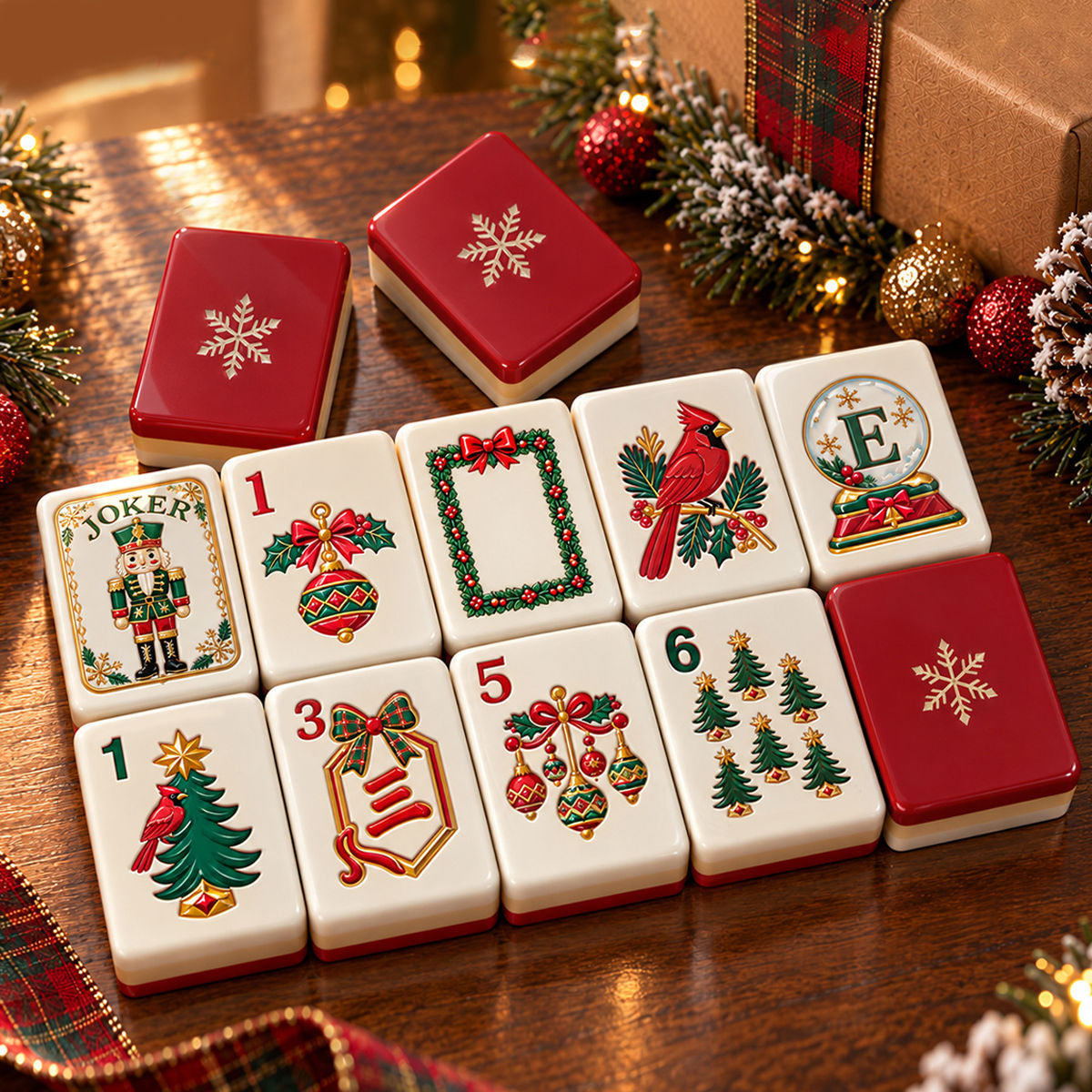
A tea party mahjong party is a four-player American mahjong game hosted during late morning or early afternoon, typically paired with light refreshments—tea, pastries, sandwiches. You'll need one 160-tile acrylic set, a mat to protect the table surface, racks and pushers for each player, the current year's National Mah Jongg League card, and a designated scorekeeper. Plan for 2–3 hours; each hand lasts 10–20 minutes once players know the rules. The ritual includes the Charleston (tile exchange before play), dealing from the wall, and matching 14 tiles to a pattern on the card to win. Hosts often seat by wind direction, refresh teacups between rounds, and set a friendly tone that prioritizes socializing over speed. Common mistakes: buying mismatched tiles, forgetting to rotate the dealer, or rushing players who are still learning. Mahstead's best-selling sets are acrylic, durable through hundreds of games, and ship free across the US.
What makes a tea party mahjong different from casual play?
A tea party mahjong gathering is formal in dress and table manners, yet relaxed in rule enforcement. Players wear nice casual or business casual attire; the host provides a printed agenda of hands to play, assigned seating by wind (North, East, South, West), and a score sheet posted visibly. You pause between rounds for tea service, conversation, and snack refills—not a rapid-fire tournament. The key: hospitality is the real game; mahjong is the vehicle. Everyone plays the current year's card, the same as in league play, so no house rules about chows or wild jokers. The social rhythm matters as much as winning. A friendly host calls out dealer changes, reminds players of the 8 jokers in play, and celebrates each winner warmly.

How do you set up a tea party mahjong table correctly?
Start with a sturdy, level surface—a dining table or card table works well. Lay a mahjong mat in the center to cushion tiles and define the wall. Position racks with pushers in front of each player so tiles stand upright and don't slip. Place the current year's card holder (or printed card) where all four can see it. Set out scorecards, pencils, and a teapot with cups at a side table—never on the mahjong surface. The discard area (center of mat) stays clear of tea and food. Before guests arrive, open the set, count to confirm 152 tiles plus jokers present, and shuffle well on the mat to avoid scratches. A cloth napkin under teacups prevents spills onto tiles. Small mistakes: cramped seating, glare on the card, or a shaky table that jiggles tiles loose during the wall-building phase.
What's the step-by-step order of a tea party round?
Before any tiles touch the table:
Assign winds using a dealer die or rotation (North plays first that round).
Brew fresh tea; seat players by position.
All four players shuffle tiles face-down on the mat for 1–2 minutes.
Wall building:
Each player builds a wall of tiles (14 face-down stacks × 2 high) in front of their rack, right to left.
Dealer picks from the right end of their wall, clockwise.
The Charleston:
Before dealing, players pass tiles left, right, and across per set rules (consult the Charleston explained for exact steps). Each pass is 3 tiles; jokers count as any tile passed.
Play begins:
Dealer exposes 14 tiles (one at a time); others expose 13 each. All check the card for a matching hand.
Dealer discards first face-up. Clockwise play: each player draws one tile from the wall, checks for a match, then discards one.
Winning:
First to match 14 tiles (and declare "Mahjong!") wins; score keeper notes the hand and calculates points per the card.
Rotate dealer, shuffle all tiles, repeat 1–2 more times during the tea party (typical format: 3–4 hands total).
Pour tea between hands; celebrate every winner, even if it's the same person twice.

How do you choose the right gear for hosting?
Gear type | Best for | Why it matters | Real-game example |
160-tile acrylic set | Beginners, tea parties | Durable, loud clicks signal discards; easy to clean | Best-selling Mahstead sets last 100+ games |
Mat (non-slip, felt back) | Every table | Protects surface, defines wall clearly, feels ceremonial | Guests see the mat and know it's a real game |
Racks + pushers | All players | Holds tiles upright, prevents cheating, easier to read hands | Less fumbling; tea party stays relaxed |
Bag or case | Host | Protects set on travel to a venue; keeps pieces organized | Guests feel the host is serious and prepared |
Printed card holder | All tables | Card visible to all; no squinting, no disputes | Speeds play; builds trust |
Acrylic tiles stay bright and don't absorb tea spills like bamboo. A good mat is 1/4-inch felt or rubber, large enough for the wall and discard pile. Mahstead bags and cases keep sets safe if you host at a venue like a community center or country club.
🀄 Shop best-selling mahjong sets →
What food and drink pairings work best?
Serve tea (hot or iced, herbal or black) as the anchor—hence "tea party." Pair it with small finger foods that don't stain or crumb into tiles: scones with jam, shortbread, cucumber sandwiches cut into quarters, pastries, fresh berries. Avoid chocolate (melts on hands, marks tiles), red wine (stains), and nuts (crumbs lodge between tiles). Use coasters and cloth napkins; a side table for refreshments is far better than keeping cups near the play area. Many hosts prep a simple baked good the morning of; others bring pastries from a local bakery. The ritual of pausing to refill cups between rounds is intentional—it's when players talk, laugh, and bond. Offering variety (herbal, decaf, iced) shows respect for guests' preferences. A good host never rushes the tea service.
🎁 See our most-loved mahjong sets & accessories →
What do you need to know before your first hosting day?
Checklist before guests arrive:
[ ] Set and tiles counted (152 + jokers).
[ ] Mat laid flat, no wrinkles or spills.
[ ] Racks and pushers in place for four players.
[ ] Current year's card printed (or holder ready).
[ ] Scorecards, pencils, and score keeper assigned.
[ ] Tea service (pot, cups, napkins) on side table.
[ ] Food prepped and plated away from the table.
[ ] Seating chart (optional, but helps first-timers).
[ ] Bathroom and coat area clear and accessible.
[ ] Phone on silent; distractions minimized.
Common hosting mistakes to avoid:
Playing last year's card or house rules (use the current NMJL card only).
Forgetting to rotate the dealer after each hand (ruins the balance).
Mixing tile sets (each set has 152 tiles; don't combine sets).
Letting tea spill on tiles; use coasters always.
Assuming everyone knows the Charleston; walk through it step-by-step once.
Skipping the shuffle before wall-building; biased draws feel unfair.
What to check before you buy gear:
Tile material: acrylic is best for tea parties (easier to clean, quieter than bamboo).
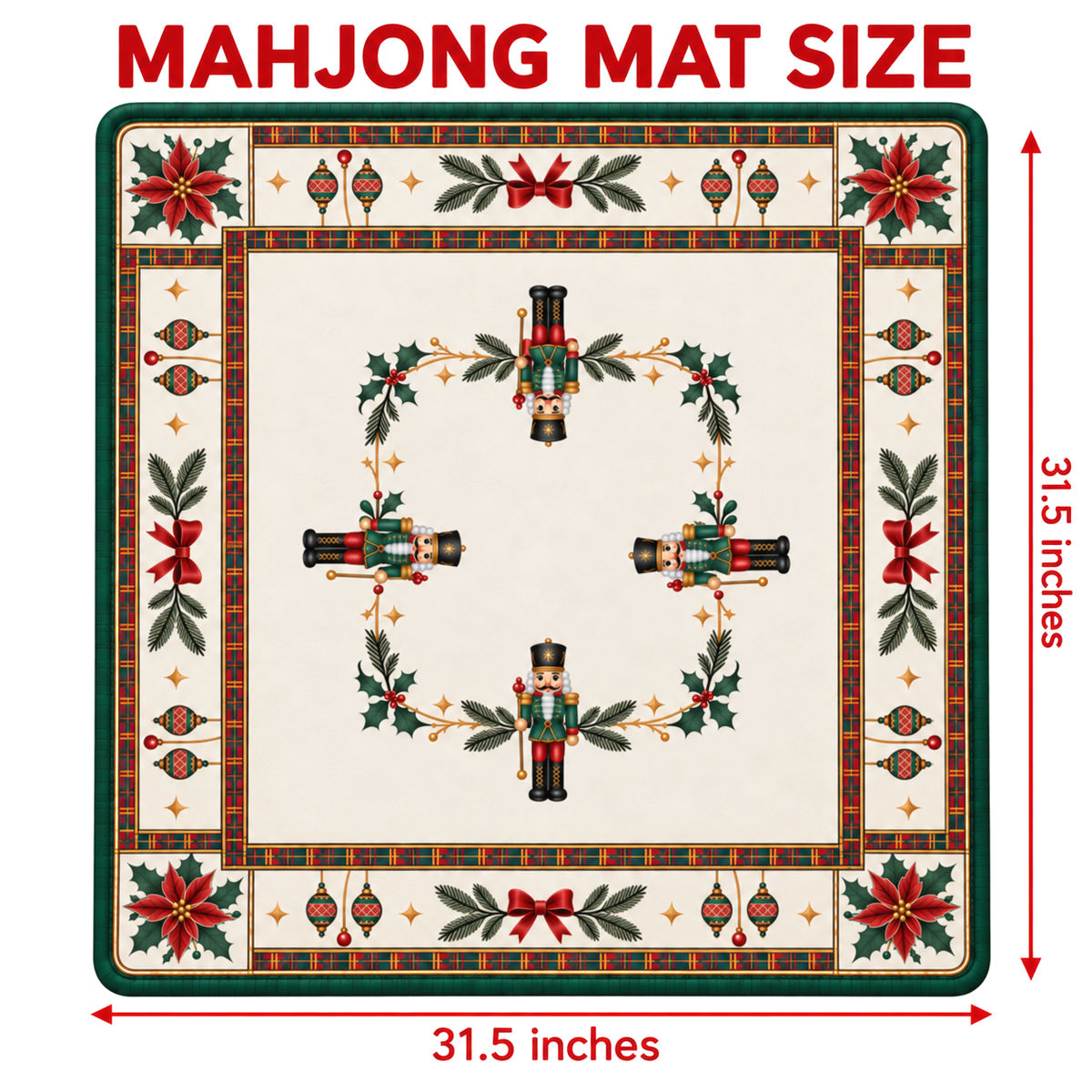
Mat size: should fit a 4-player wall plus discard area (about 30" × 30" minimum).
Rack height: players should see over their tiles without leaning.
Bag durability: handles should feel reinforced; interior padding keeps tiles safe during transport.
Card readability: printed card should be large enough for all four to read from the table.
✨ Find your Mahstead set — free US shipping →
FAQ
Do all four players need to know the rules before the party starts?
No. A tea party welcomes mixed skill levels. Assign one knowledgeable player as "rules keeper" for the first round; they answer questions quietly without halting play. Beginners learn fastest by playing; pausing to explain every hand kills the flow. Provide each guest a printed one-page summary of the Charleston and basic winning conditions the day before.
What's the difference between a tea party and a league game?
A tea party is social, hosted at home or a venue, and focuses on hospitality and relaxation. League play is competitive, follows strict tournament rules, and rank-badges winners. Both use the same tiles and card, but league games are faster and more serious. A tea party is perfect for introducing new players; league is for players who play weekly.
How many hands should we play during a tea party?
Play 3–4 hands per tea party session (90–120 minutes total play). This gives everyone a chance to win, keeps energy high, and leaves time for tea and chat. If guests are learning, 2 hands is fine; experienced groups may play 5–6.
Can you host a tea party mahjong with fewer than four players?
Officially, American mahjong needs four players for full gameplay (each player is one wind). Two or three players need house rules or a modified card. If you have only three, consider inviting a fourth or hosting a different format. Many hosts keep a substitute player on standby for tea parties.
What if someone wins twice in a row—is that unfair?
No. Winning depends on tile draws and card luck; skill matters less in casual play. If the same person wins all hands, it's just the shuffle and dealer order. Celebrate every winner equally. Competitive tea parties sometimes play for points, but friendly parties play for fun and the story you'll tell later.
Should I buy a fancy set or an everyday set for hosting?
Buy one durable set you'll use weekly. An acrylic best-selling Mahstead set looks elegant at a tea party, survives spills, and lasts years. Fancy bamboo sets are beautiful but fragile; save those for personal collections or display. A reliable set builds guest confidence.


View More
View More
View More
