
How to Host a Mardi Gras Mahjong Party
Last updated: Nov 23, 2026
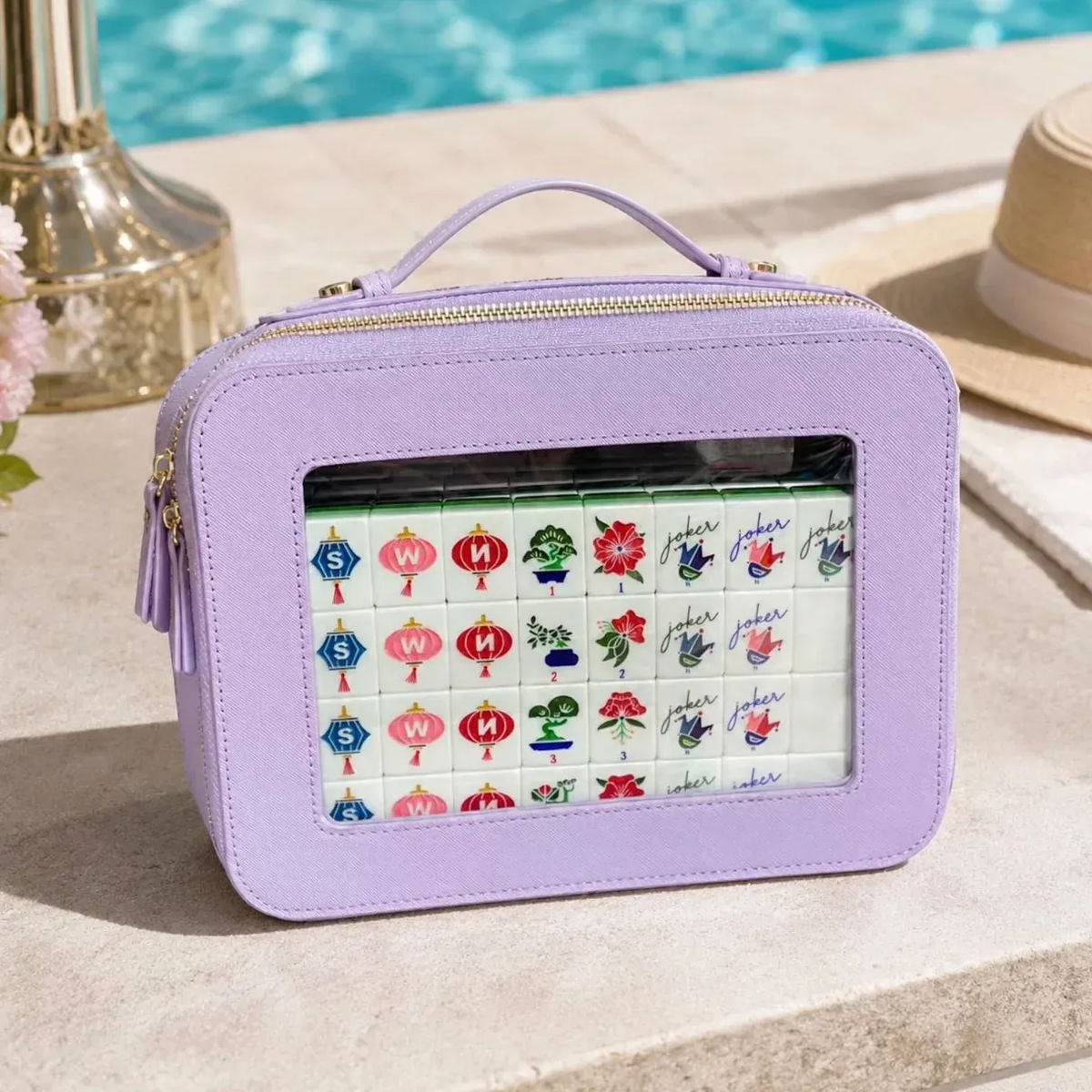
A Mardi Gras mahjong party combines the colors and energy of Carnival with a full American mahjong night. Host 4 players in 2–4 hours using a 160-tile acrylic set, a padded mat, and the current year's National Mah Jongg League card. Invite friends, assign seats (East, South, West, North), conduct the Charleston tile pass, and play hands until someone calls "Mah Jongg." Theme your space with purple, green, and gold décor; ask guests to wear Carnival colors. Set a snack spread, play festive music softly in the background, and keep scorecards handy. Your set should have durable acrylic tiles, clear suit markings, and built-in jokers—Mahstead's best-selling mahjong sets come with a padded mat and racks included, shipped free across the US, so you're ready to deal the first hand immediately.
What is a Mardi Gras mahjong party—and how is it different from a regular game night?
A Mardi Gras mahjong party is a regular American mahjong game dressed in Carnival spirit. The rules, setup, and hand-winning conditions stay identical to any American mahjong night: four players, 152 tiles, the National Mah Jongg League card, and standard scoring. The difference is thematic—purple, gold, and green decorations; themed snacks (King Cake, beignet-inspired treats, crawfish boils); upbeat New Orleans jazz in the background; and players in Mardi Gras colors or masks. The game itself plays exactly the same. This format works because mahjong already requires a few hours and a table full of friends, so layering festive décor and themed food turns a regular game night into an event worth remembering.
How do you set up the table and room for a Mardi Gras mahjong night?
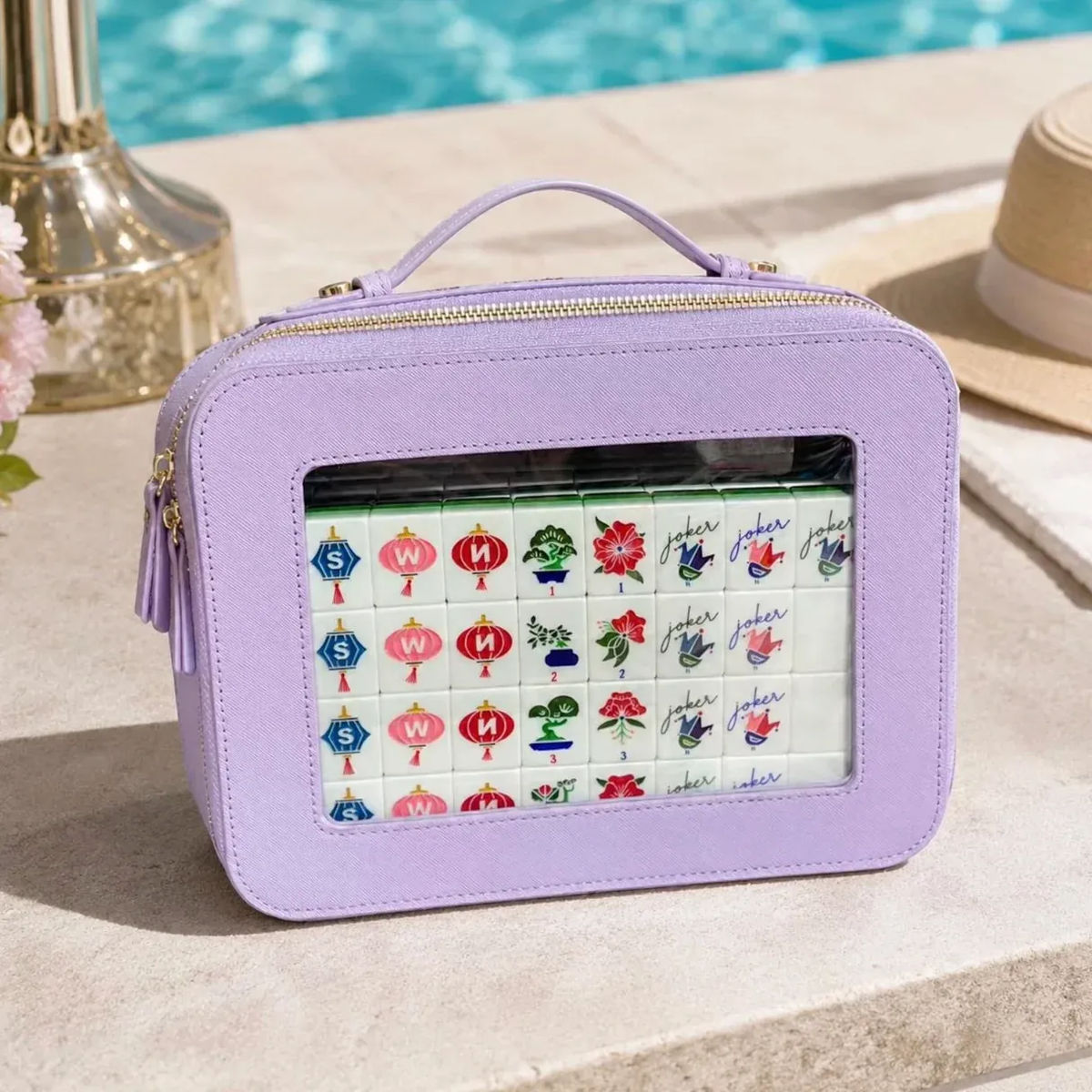
Start by claiming a dining table or card table large enough to hold four place settings, tile racks, a central mat, scorecards, and snacks comfortably—at least 48 inches square. Place a padded mahjong mat at the center; this protects tiles and gives everyone clear sight lines. Position a rack with pusher at each player's seat so tiles stand upright and secure. Hang purple, green, and gold streamers or garland around the room. Set out a small side table with snacks (chips, cheese, King Cake slices, soft drinks). Use battery-powered fairy lights or candles to create ambient Carnival warmth without heat. Keep a printed copy of the current year's hand card at the table so all players can reference it during play. Dim the overhead lights slightly—the mat and tile colors pop better in softer, warmer light. Assign seats before guests arrive so the game starts smoothly.
What tiles and setup rituals make the party feel authentic?
Choose tiles that speak to your group's style. If your friends enjoy clever wordplay, engraved mahjong sets with witty titles add personality and make the night feel like a celebration just for them. Acrylic tiles in jewel tones (deep purples, emerald greens, gold accents) match Mardi Gras aesthetics perfectly and are durable enough for casual play and easy cleanup. The American mahjong ritual of the Charleston—a three-round tile pass before the first hand—is your opening ceremony. It builds anticipation and ensures fair randomization. Seat players East, South, West, North in the order they'll play; East deals first. The Charleston takes 5–10 minutes and becomes part of the party's energy. After the Charleston, East discards to start the first hand, and all players draw and discard in turn until someone completes a winning hand from the current year's card. This ritual is unchanged, but framing it as "the ceremonial tile swap" or "shuffling the spirit of Mardi Gras into your hand" adds theater.
Party Element | What to Do | Why It Works | Setup Time |
Tile choice | Acrylic sets, jewel-tone or engraved designs | Durable, themed look, conversation starter | 0 min |
Table setup | Mat + racks + 4 chairs + 48″ table | Clear lines, organized tiles, professional feel | 15 min |
Charleston ritual | 3 rounds of tile exchanges before play | Fair, traditional, sets the game's mood | 10 min |
Décor | Streamers, candles, Carnival colors | Transforms a regular night into an event | 20 min |
Snacks | King Cake, beignets, seafood, drinks | Keeps energy and hunger balanced for 3–4 hours | 30 min prep |
Music | Jazz, funk, soft festive playlist, low volume | Ambient, thematic, doesn't distract from play | 0 min |
How do you score and keep energy up over a 3–4 hour game?
American mahjong scoring depends entirely on the hand you win. The National Mah Jongg League card lists every legal hand, and each has a fixed point value—nothing more, nothing less. A player calling "Mah Jongg" announces their hand; everyone checks the card; if correct, they win the round's points from all three opponents. If they miscall, they pay those points to each opponent. Keep a running score on paper for each player, tallying round by round. After 12–16 rounds (one per East dealer position), whoever has the highest score wins. To keep energy high during a 3–4 hour session, take a 10-minute snack break between rounds 6 and 7. Use this time to refresh drinks, reset tiles, and let people stand and chat. Rotate the dealer position clockwise so each player gets a chance at East; this keeps the game fair and gives each person moments in the lead. Celebrate each "Mah Jongg" call with a small cheer or clap—it builds camaraderie. If a player falls far behind, remind them that one big win can shift the whole game; mahjong is volatile enough that a single round can swing the standings.

What should you check before guests arrive—and what do you buy to make hosting easier?
Before guests arrive, confirm:
Your set has all 152 tiles plus extra jokers (a 160-tile set ensures spares if a tile gets lost).
The mat is clean and flat (inspect for wrinkles or damage that could trip tile placement).
Each rack has its pusher and stands securely at its seat.
You have paper and pen for scorecards.
The current year's National Mah Jongg League card is printed or accessible on a phone.
Snacks are prepped and arranged away from the table to avoid spills.
Bathroom is clean and stocked.
To make hosting effortless: A complete mahjong set from Mahstead's best-selling collection arrives with the tiles, mat, racks, pushers, and often a carrying bag—everything in one box, ready to unpack. If you're hosting at a venue or traveling with your set, a mahjong bag or case keeps tiles organized and protected; no tile hunting during setup. High-quality acrylic tiles don't chip or fade, so your set looks fresh after years of parties. Buy scorecards or use a blank notebook. Consider dice if your group plays with them for betting (though American mahjong doesn't require this). Check the product page before ordering to confirm what's included in the set; most include the mat and racks, but phrasing varies.
🀄 Shop best-selling mahjong sets →
How do you find and invite the right players for a Mardi Gras mahjong night?
You need exactly four players—no more, no fewer, for the standard game. American mahjong is built for four; the tiles, winds, and scoring balance perfectly with this count. If someone can't make it last-minute, the game can't begin fairly. Start by inviting friends, family, or colleagues who've played before or have expressed interest. If no one in your circle knows mahjong, local community centers, libraries, synagogues, and senior centers often host drop-in mahjong days or can point you toward clubs—search "[your city] mahjong" online or ask at a library reference desk. Meetup boards and Facebook groups for your area sometimes list casual game nights. Send invitations 2–3 weeks ahead so people can block the date. In the invitation, say how long it will last (2.5–4 hours), what to wear (Carnival colors, optional mask), and whether there's an entry fee (or cost-share for snacks). Confirm headcount the week before. If someone is brand-new to mahjong, offer a 15-minute rules walk-through beforehand, or send them the link to a beginner's guide so they arrive comfortable.
🎁 See our most-loved mahjong sets & accessories →
What common hosting mistakes should you avoid?
Inviting too many or too few players. American mahjong only works with four. With three or two, the wind positions and tile distribution break down. With five, someone sits out—unfair and awkward. Confirm all four seats are filled before the game starts.
Not having a printed hand card. The current year's National Mah Jongg League card is essential—every legal hand and its value are on it. Without it, you can't verify wins or settle disputes. Print it, laminate it if possible, and keep it at the table.
Underestimating tile setup time. Shuffle and deal 152 tiles into four racks in under 5 minutes sounds easy until tiles scatter or someone's rack tips. Use organized racks with pushers and leave 20 minutes for initial setup.
Overlooking the Charleston. The tile pass before the first hand matters. It ensures randomness and fairness. Skipping it or rushing it sets a careless tone.
Forgetting to rotate the dealer. In American mahjong, the dealer position cycles clockwise each round (East → South → West → North → East). Not rotating means one player deals all night, which is unfair and makes the game feel one-sided.
Not having backup tiles. A 160-tile set includes spares. If a tile cracks or gets lost during the night, you have replacements. A 152-tile set doesn't; you're stuck.
Letting food and drinks onto the table. Greasy fingers and spilled liquid ruin tiles and mats instantly. Use a side table for snacks and drinks. Remind guests to wipe hands before touching tiles.
Starting late or ending without closure. Begin the Charleston on time. Know in advance how many rounds you'll play (typically 12–16, roughly one per dealer). Announce the final round so everyone plays seriously—not as a free-for-all afterthought.
What to check before you buy
Set completeness: Does it include tiles, mat, four racks with pushers, and jokers? See the product page—most Mahstead sets do.
Tile clarity: Are the numbers, suits, and wind symbols clearly printed and easy to read from across the table?
Durability: Acrylic tiles resist chipping and discoloration better than plastic or bone. Check the material before ordering.
Mat quality: Is it padded and washable? Does it lie flat, or does it wrinkle?
Shipping: Mahstead ships free across the US. Confirm there are no hidden charges.
Extras: Does the set come with a carrying bag or case? Useful if you'll transport it to parties.
✨ Find your Mahstead set — free US shipping →

FAQ
Do I need to know how to play before hosting?
No, but you should learn the basics and have a few friends who already know how to play. Teach newcomers the goal (build a winning hand from the current year's card), how to draw and discard, and what makes a legal call. A 15-minute rundown before the first hand works. If no one at your party knows mahjong, watch a beginner's video together or read the rules beforehand so you're all learning at the same pace.
Can I use a regular dining table instead of a mahjong mat?
Yes, but tiles will slide around when players draw or discard, and the wood surface can damage them. A padded mahjong mat prevents both problems and gives everyone a clear, organized play area. It's worth the small investment if you're hosting regularly.
How much money should I ask guests to contribute for snacks?
That's up to you. If you're hosting as a gift to friends, cover costs yourself. If you want to share expenses, ask $10–20 per person ahead of time and use it for King Cake, drinks, and small seafood platters. Be clear in the invitation so no one is surprised at the door.
What if someone calls "Mah Jongg" and I don't believe they've won?
Have them point to their tiles on the mat and read their hand against the card. Check the hand name, the tile count (14 tiles for American mahjong), and that all tiles match the pattern exactly. If someone has cheated, they pay the points to all three opponents. Keep the tone light and assume mistakes over malice.
Can we play while eating King Cake at the table?
Crumbs and frosting on tiles are a no. Use a small side table or buffer zone 2 feet from the play area. Enforce a "clean hands before tiles" rule and have napkins handy. Most groups take a break, eat, refresh drinks, then return to play—keeps the tiles safe and lets everyone socialize between rounds.
Is Mardi Gras mahjong played differently than regular American mahjong?
No. The rules, hand values, and winning conditions are identical. The only difference is décor, music, and festive snacks. You're playing standard American mahjong in a Carnival-themed setting, not a variant.
Where do I find the current year's mahjong card?
The National Mah Jongg League publishes a new card every spring. Buy a printed copy from game shops, order online, or check if your local library has a copy. Some groups share one card at the table; others print one per player so everyone can reference it. A laminated copy lasts longer and resists spills.
What's the ideal number of rounds to play in one night?
Twelve to sixteen rounds takes 2.5–4 hours depending on how quickly players decide and discard. One round per dealer position (East, South, West, North, repeat) feels natural and fair. Announce before you start: "We'll play four rounds per dealer position, so 16 rounds total, done by 9 p.m." People appreciate knowing the end time.


View More
View More
View More
