
How to Fix Sticky Mahjong Tiles: Clean & Prevent Clumping
Last updated: Nov 23, 2026
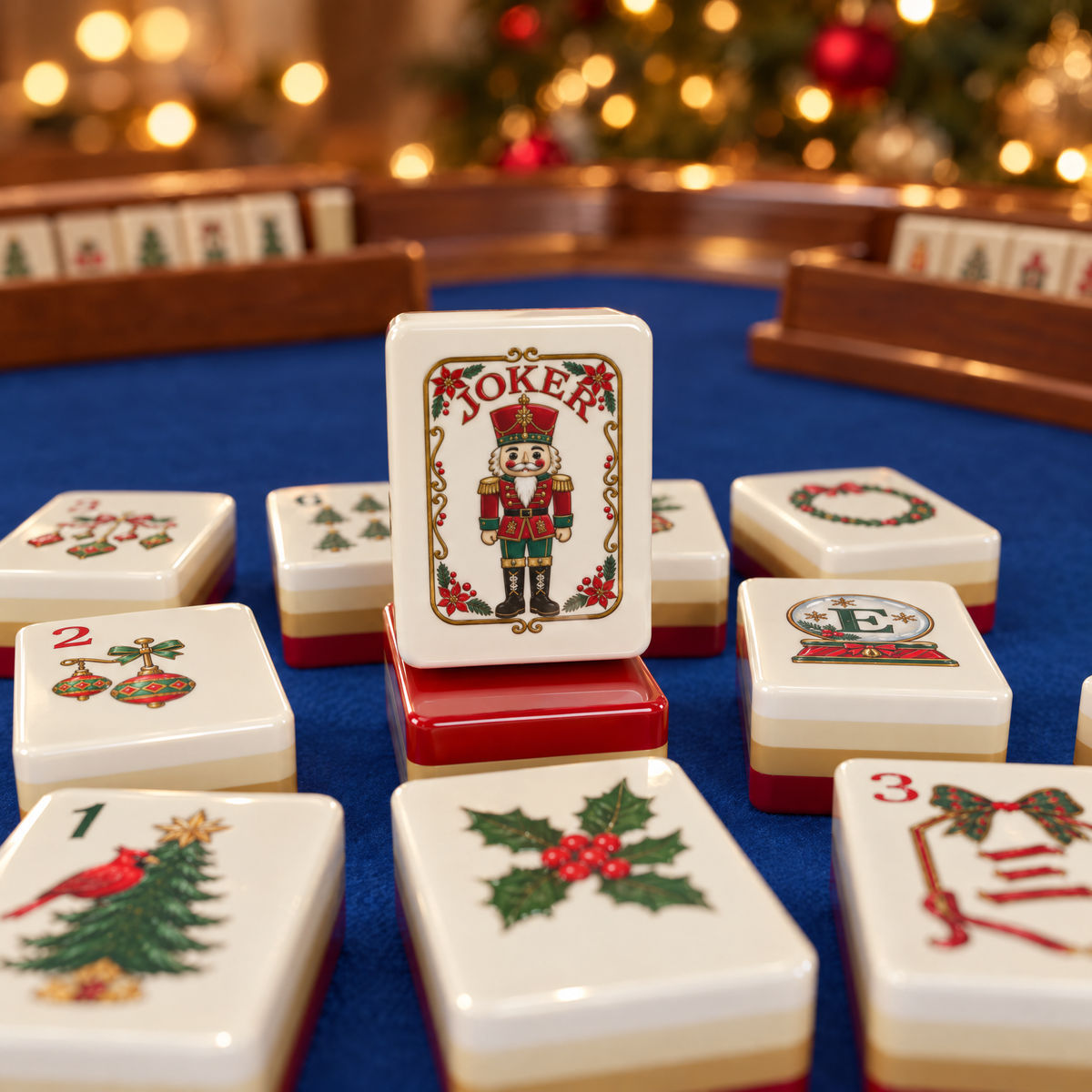
Sticky tiles result from dust, skin oils, humidity, or manufacturing residue trapped on acrylic faces. To fix: soak tiles 10–15 minutes in lukewarm water with a drop of mild dish soap, gently wipe each tile with a soft cloth, dry immediately with a microfiber towel, and lay flat to air-dry completely before storage. Prevent recurrence by storing tiles in a cool, dry place (not sealed in humid bags), handling them with clean hands, and wiping the playing surface monthly. If one tile remains sticky after cleaning, set it aside—it may have a manufacturing defect. A quality acrylic American mahjong set from the start reduces this problem; Mahstead sets ship clean and are designed for smooth play during weekly games.
Sticky mahjong tiles happen when dust, skin oils, humidity, or manufacturing residue builds up on acrylic surfaces. To fix: soak tiles 10–15 minutes in lukewarm water with a drop of mild dish soap, gently wipe each tile with a soft cloth, dry immediately with a microfiber towel, and lay flat to air-dry completely before storage. Prevent recurrence by storing tiles in a cool, dry place (not sealed in humid bags), handling them with clean hands, and wiping the playing surface monthly. If one tile remains sticky after cleaning, set it aside—it may have a manufacturing defect. A quality acrylic American mahjong set from the start reduces this problem; Mahstead sets ship clean and are designed for smooth play during weekly games.
What causes tiles to stick in the first place?
Sticky tiles come from five main sources: airborne dust settling on acrylic, skin oils and sweat from repeated handling, humidity absorbed into the tile material, residue left over from manufacturing or storage, and condensation from rapid temperature changes. Acrylic tiles attract dust because of their electrostatic charge. If your hands are damp or oily during play—common after eating snacks or dealing on a warm evening—that moisture transfers directly to tile faces. Long storage in a sealed plastic bag or humid garage (especially in spring or summer) causes tiles to absorb moisture, creating a tacky film. We've found that tiles stored in cool, dry conditions with occasional air circulation stay smooth season after season.

How do you clean sticky tiles safely?
Step one: gather supplies—lukewarm water, one drop of mild dish soap, a soft microfiber cloth, and a dry cotton towel. Step two: fill a shallow bowl and submerge tiles for 10–15 minutes; this loosens dust and residue without soaking acrylic too long. Step three: lift tiles one or two at a time and gently wipe both faces with the damp cloth, using light circular motions—never scrub hard or use abrasive sponges. Step four: rinse under cool running water or with a second damp cloth to remove soap. Step five: dry each tile immediately with the dry towel and lay all tiles flat on a clean surface to air-dry for 30 minutes before returning them to storage. Never use hot water, bleach, alcohol, or harsh solvents—these can crack or dull acrylic. We rotate which tiles we clean first to avoid re-contaminating already-clean ones with wet hands.
How often should you clean your set?
Clean your tiles monthly if you host weekly games or play in dusty environments; every two to three months for casual monthly play; and before storing for the season. Quick surface wipes between games (dry cloth only) prevent buildup. If you notice stickiness mid-game, pause, dry your hands with a clean towel, and continue—the problem usually improves once humidity settles. We keep a microfiber cloth in our mahjong mat or case as part of our game kit so we're ready to wipe tiles anytime. Sets used in air-conditioned rooms stay cleaner longer than those in humid basements or outdoor patios. Store cleaned tiles in a breathable bag (canvas or mesh, not sealed plastic) or in their original packaging with loose silica packets to absorb stray moisture.
What's the difference between dust and manufacturing residue?
Problem Type | Appearance | Cause | Fix | Prevention ---|---|---|---|--- Dust | Fine gray or white film, visible under light | Airborne particles settling on acrylic | Warm soapy water + gentle wipe | Monthly wiping; store covered loosely Humidity stickiness | Smooth, slick feel; tiles clump together | Moisture absorbed into or condensed on tiles | Air-dry completely; place in dry, cool space | Store in cool room; avoid sealed bags Oil residue | Shiny patches, fingerprints, slow shuffle | Skin oils, cooking grease, food residue | Soap and water, then thorough dry | Clean hands before play; wipe mat weekly Manufacturing film | Uniform slight tackiness on new tiles | Protective coating or mold release compound | First-time cleaning with soap; may need 2–3 washes | Buy from reputable makers; Mahstead sets arrive pre-cleaned
Manufacturing residue feels evenly sticky across all tiles and usually clears after one thorough washing. Humidity stickiness develops over weeks and clusters tiles together; dust feels gritty and wipes away easily. Oil residue shows fingerprints and appears on tiles played most. We've noticed that sets cleaned when first unboxed and then stored correctly rarely develop any of these problems long-term.

What equipment helps prevent sticky tiles?
A dedicated mahjong mat reduces dust exposure during play and provides a designated clean surface. A padded travel case with a breathable interior keeps tiles protected from humidity and airborne particles while you transport them. Mahjong racks with pushers minimize finger contact during the game—you move tiles by pushing, not grabbing, so oils transfer less frequently. Store tiles in a room-temperature, low-humidity space away from kitchens (grease) and bathrooms (steam). Silica packets or a small dehumidifier in your tile storage area work well if you live in a humid climate. We keep our sets in a cool bedroom closet with a loose-fitting cloth cover. Before buying a new set, check that it's acrylic and arrives clean; Mahstead's best-selling mahjong sets are designed with smooth finishes that shed dust and resist stickiness.
🀄 Shop best-selling mahjong sets →
When should you replace a tile instead of cleaning it?
If a tile remains sticky after two full cleanings (soak + dry cycle), it likely has a manufacturing defect—a bubble in the acrylic, a coat imperfection, or internal moisture. If a tile shows cracks, deep scratches, or discoloration after cleaning, retire it; playing with damaged tiles affects shuffle feel and can scratch others. If a tile's engraved symbol has worn away or become illegible, it's still playable but cosmetically compromised. Most Mahstead sets ship with spare tiles included (as part of the full set count), so you can swap out a defective one without replacing the entire set. Label any spare tiles with a marker on the back so your group knows they're reserves. We recommend keeping extras in a small pouch separate from your main game kit. If you've lost tiles over the years and need replacements, contact the set's maker directly with photos—many craftspeople maintain inventory of spare tiles for their designs.
🎁 See our most-loved mahjong sets & accessories →
What to check before you buy
Before purchasing a mahjong set, verify that it's solid acrylic (not plastic-coated), inspect photos for a smooth, even tile surface, and confirm it ships clean and ready to play. Ask whether spare tiles are included and whether they're the same material and finish as the main set. Choose sets from makers who test tiles for dust attraction and humidity resistance. Avoid sealed packaging or sets stored in damp warehouses. If you're gifting a set, include a microfiber cloth and a note about proper storage to set the recipient up for success. Engraved American mahjong sets from Mahstead arrive factory-cleaned and are made to withstand years of weekly play without stickiness if cared for properly.
✨ Find your Mahstead set — free US shipping →

FAQ
Can I use vinegar or alcohol to clean sticky tiles?
No. Vinegar and alcohol can degrade acrylic over time and dull the tile finish. Warm soapy water and a soft cloth are safest and most effective for regular cleaning.
Why do tiles stick together after sitting in a case for months?
Humidity trapped inside sealed storage causes tiles to absorb moisture and develop a tacky surface. Store in a breathable bag or open container in a cool, dry room instead.
Is stickiness a sign the tiles are lower quality?
Not always. Even high-quality acrylic tiles become sticky if exposed to humidity or dust. Proper storage and monthly wiping prevent the problem regardless of tile cost.
Should I ever soak tiles longer than 15 minutes?
No. Prolonged soaking risks moisture seeping into hairline cracks or the tile edges, causing internal damage. Ten to fifteen minutes is the safe window for cleaning acrylic tiles.
Can I use a dishwasher to clean mahjong tiles?
Never. Dishwashers use hot water and harsh detergents that crack and dull acrylic. Hand-wash tiles in lukewarm water only.
What humidity level is best for storing mahjong tiles?
Aim for 30–50% relative humidity, similar to a comfortable indoor living space. Basements and attics often exceed 60% humidity in warm months, which promotes stickiness.


View More
View More
View More
