
How Many Tiles in Malaysian Mahjong?
Last updated: Nov 23, 2026
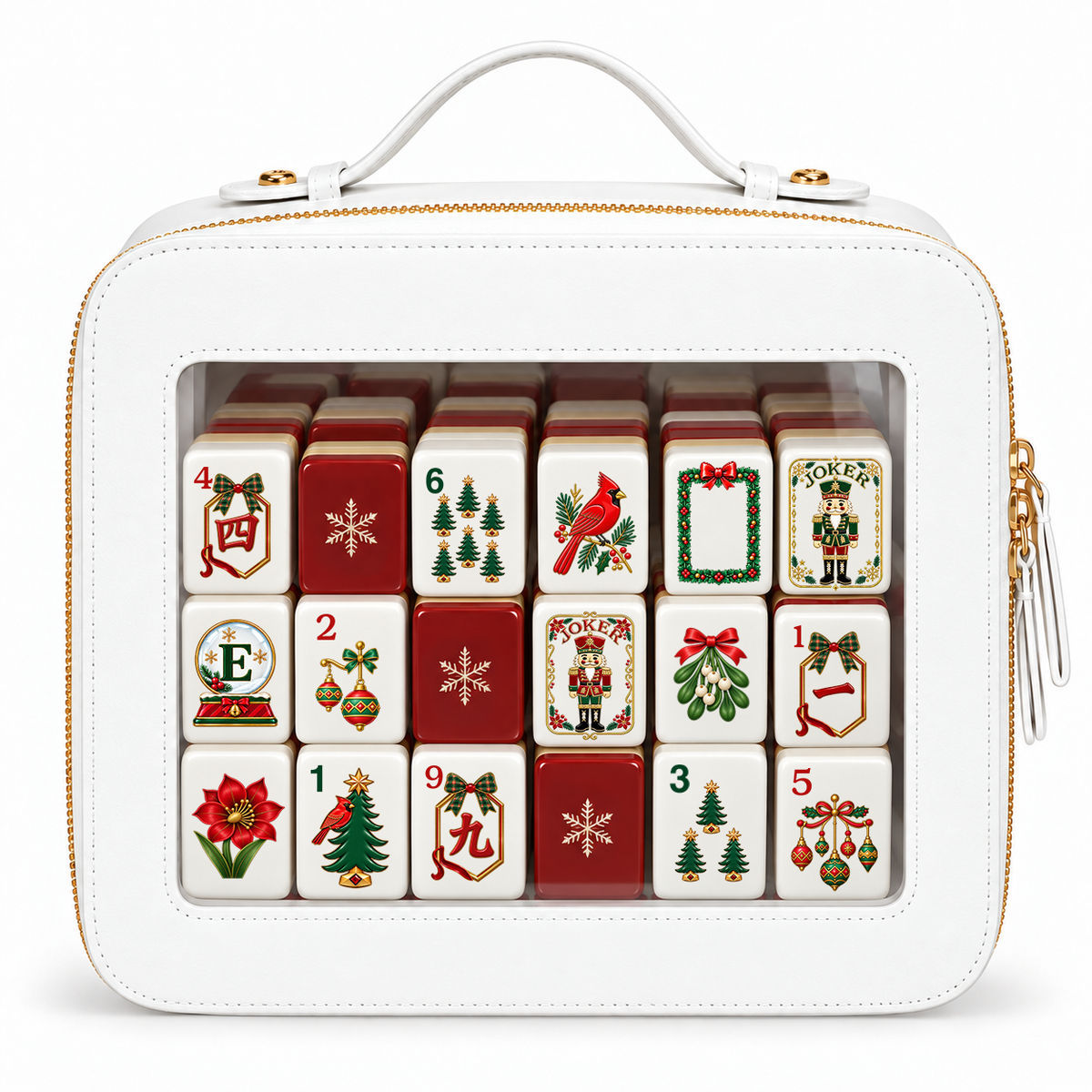
Malaysian mahjong uses exactly 144 tiles—three suits (Bams, Craks, Dots) numbered 1–9 with four copies each (108 tiles), plus 16 winds, 12 dragons, and 8 flowers. No jokers appear in Malaysian play. The 144-tile count is standard across Hong Kong, Malaysian, and traditional Chinese mahjong, and it's smaller than the American format, which requires 152 tiles plus 8 jokers. Malaysian players follow Hong Kong-style sequences (chows), allowing three consecutive numbered tiles to be called and exposed—a rule that doesn't exist in American mahjong. This structural difference affects hand-building rhythm; Malaysian games tend to move faster because players can form and discard sequences more fluidly. If you've learned American rules, switching to Malaysian play requires relearning which combinations are legal and how to read a different hand chart.
What's the difference between Malaysian and American tile counts?
American mahjong sets contain 160 tiles (152 for play plus spares), while Malaysian uses 144 with no jokers. American players can only expose pungs (3 identical tiles), kongs (4), quints (5), and sextets (6); jokers may be used as wild substitutes in exposed melds. Malaysian players form and call chows (three consecutive numbered tiles) plus pungs and kongs, and no wild tiles exist in the core game. The jokerless format means Malaysian hands are stricter—every tile must match exactly. This makes Malaysian play feel more rigid and fast-paced; there's no flexibility to substitute a missing tile with a joker. If you own an American set from our best-selling collection, it cannot be used for Malaysian mahjong without removing all jokers and learning entirely different hand patterns.

How are Malaysian tiles distributed at the start?
Each of the four players receives 13 tiles; the dealer (East Wind) draws one more, making 14. The remaining 108 tiles form the wall. Players then draw and discard in turn, aiming to complete a winning hand of 14 tiles: four melds (pungs, kongs, or chows) plus a pair. The 144-tile wall shrinks quickly because players draw singly and discard continuously—no Charleston passing ritual precedes play, unlike American mahjong. Winning hands resolve by wall draw or by claiming a discard (chow, pung, or kong). The fast tile circulation means Malaysian games often end in 20–40 minutes, faster than American play. Beginners sometimes miscalculate the tile distribution; always verify that 13 + 14 + (4 × 4 melds on the table) never exceeds 144 tiles in play.
🀄 Shop best-selling mahjong sets →
Why do Malaysian and American mahjong use different tile counts?
American mahjong evolved in mid-20th-century Dallas and added jokers to speed play and reduce dead draws. The 152-tile base plus 8 jokers gave players more flexibility—a missing tile could be substituted. Malaysian and Hong Kong mahjong retained the classical 144-tile format, preserving the older rule set where chows are legal and no jokers exist. This historical split means the games are mechanically different, not just regional variants of the same game. American jokers fundamentally change hand probability; without them, Malaysian hands are statistically harder to complete, raising the skill ceiling. If you play both variants, keep separate sets and reference cards—mixing rules causes confusion and resets.

Can you use a 144-tile set to play American mahjong?
No. American mahjong requires exactly 152 tiles plus 8 jokers. A 144-tile Malaysian or Hong Kong set is missing both the extra tiles and the jokers that American hands depend on. American hands from the National Mah Jongg League card assume jokers are present; without them, many legal hands become impossible to form. Additionally, American play uses flowers, winds, and dragons in ways that may not match Malaysian hand charts. If you're learning American mahjong, purchase a proper American 160-tile set that includes jokers; if you want to play Malaysian mahjong, source a 144-tile set separately and learn from a Hong Kong–style reference card.
What happens if you're short tiles mid-game in Malaysian mahjong?
A shortage indicates a counting error or a tile was removed before play started. Stop and recount: verify 13 tiles per player (excluding the dealer's extra draw), confirm all four melds on the table, and check the wall. If a tile is confirmed missing, the hand is void—discard all tiles and start over. Common mistakes include miscounting the wall at setup, accidentally discarding a tile face-up before drawing, or removing a cracked or damaged tile without a replacement. Malaysian play is tile-strict; jokers can't substitute for missing pieces. If you host weekly Malaysian games and tiles wear out, replace the entire set rather than filling gaps with tiles from another set—mixing old and new tiles introduces counting confusion and breeds disputes over tile authenticity.
Variant | Total Tiles | Jokers | Sequences Allowed | Draw Style | Game Speed |
Malaysian (144) | 144 | None | Yes (chows) | Single draw | 20–40 min |
Hong Kong (144) | 144 | None | Yes (chows) | Single draw | 20–40 min |
American (152+8) | 152 + 8 | 8 | No sequences | No Charleston; draw from wall | 30–50 min |
Chinese classical | 144 | None | Yes (chows) | Varies by rule set | 30–60 min |
🎁 See our most-loved mahjong sets & accessories →
What to check before you buy a Malaysian mahjong set
Before purchasing, verify the tile count matches 144, confirm the set includes all four copies of each tile (no missing pieces), and check that the hand reference chart is labeled for Hong Kong or Malaysian rules, not American. Open the case and count tiles in each suit; a reliable set includes 36 tiles per suit, 16 winds, 12 dragons, and 8 flowers. Inspect tiles for cracks, uneven paint, or loose numbers—these faults accelerate wear and cause disputes during scoring. If you're hosting regular Malaysian games, consider a durable travel bag or case to protect tiles from dust and spilling. Store in a cool, dry place; mahjong tiles degrade if exposed to humidity or heat, and replacement tiles are often unavailable. Never mix tiles from two sets; the weight, thickness, or ink shade may differ, making unbalanced tiles obvious to players and spoiling fair play.
✨ Find your Mahstead set — free US shipping →

FAQ
Is Malaysian mahjong the same as Hong Kong mahjong?
Malaysian and Hong Kong mahjong share the same 144-tile format, chow rules, and core hand logic. Minor regional differences exist in scoring, flower/season bonuses, and settlement amounts, but tile composition and basic gameplay are identical. Both differ fundamentally from American mahjong, which uses 152 tiles plus jokers.
Can I learn Malaysian mahjong if I only know American rules?
Yes, but you must relearn which hand combinations are legal. American players cannot call chows and must unlearn joker substitution. Study a Hong Kong or Malaysian hand reference card, practice a few rounds without betting, and ask experienced Malaysian players for guidance. The mental shift takes 3–5 games.
Do Malaysian mahjong sets ever include jokers?
No. Classical Malaysian and Hong Kong sets contain exactly 144 tiles with no jokers. Modern commercial sets sold in Malaysia may add jokers for novelty or marketing, but traditional play never uses them. Always verify the set tile count before purchase.
How long does a Malaysian mahjong game typically last?
20–40 minutes per hand, depending on player skill and wall tile distribution. Faster draws and sequence-calling speed up games compared to American play. A full Malaysian session (4–6 hands) typically takes 2–3 hours.
What if a Malaysian mahjong set is missing one tile?
The set is incomplete and unsafe for fair play. Do not use it. A single missing tile introduces statistical bias and breed disputes. Purchase a replacement set or contact the manufacturer; mixing tiles from two sets creates inconsistencies in weight and appearance that alert players.
How does Malaysian mahjong scoring differ from American?
Malaysian scoring is entirely separate from American calculations. Malaysian hands assign points based on melds, flowers, wind position, and bonuses; American scoring uses the National Mah Jongg League card and counts open/closed melds and hand type. Use the correct reference chart for your variant—they are not interchangeable.
Is a 144-tile set suitable for teaching beginners?
Yes, if teaching Malaysian or Hong Kong mahjong. If teaching American play, no—beginners need a 152-tile set with jokers to practice legal American hands. Using the wrong tile count teaches incorrect hand patterns and rules, confusing new players.


View More
View More
View More
