
How to Clean Your Mahjong Travel Bag
Last updated: Nov 23, 2026
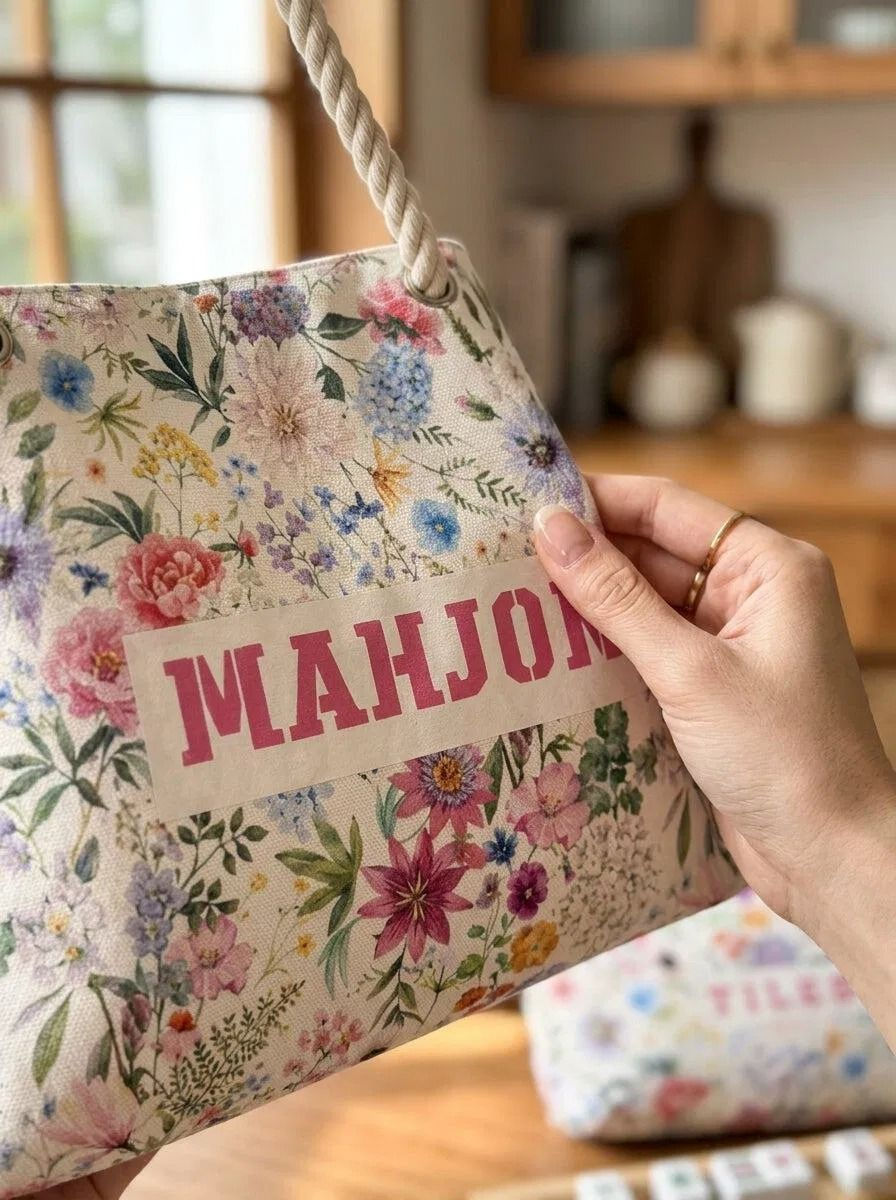
Mahjong travel bags—whether canvas, polyester, or nylon—need surface cleaning every 4–6 weeks if used weekly, and a deep clean once or twice yearly. For most bags, vacuum the exterior and interior with a handheld brush, wipe seams with a damp cloth and mild soap, air-dry flat for 24 hours, and spot-treat stains before they set. Never machine-wash or tumble-dry; heat and agitation damage fabric and zippers. For heavy soiling, use a soft brush and white vinegar solution (1:3 ratio with water) on canvas or poly blends. Mahstead bags ship with care instructions matching their material, which we recommend reviewing before your first clean to avoid voiding any longevity.
Travel bags are workhorses. They carry tiles, mats, racks, dice—everything that makes a Thursday-night game happen—and they absorb every crumb, spill, and bit of wear in the process. Unlike a bag you use once a year, a game-night bag lives in cars, closets, and under tables. Regular cleaning extends its life and keeps your tiles protected.
What debris actually collects in a mahjong travel bag?
The culprits aren't exotic—they're everyday: tile dust (acrylic sheds a fine powder), snack crumbs, beverage residue, lint from mats, pet hair, and the occasional piece of grit from a zipper. If your bag sits in a car trunk, dust and humidity accelerate wear inside seams and on velcro closures. Mold can form in damp climates if the bag is stored wet. The longer you leave a spill—juice, wine, or condensation—the more it sets into fabric and can stain permanently or weaken fibers.

Which cleaning method matches your bag's material?
Canvas, polyester, and nylon require different approaches. Canvas (thick, breathable, often used in travel bags for mahjong sets) tolerates water and mild scrubbing; use a damp cloth and a soft brush. Polyester (synthetic, lightweight, often blended with nylon) is water-resistant but can pill if over-scrubbed; wipe gently with a barely damp cloth. Nylon (stretchy, sleek, prone to snagging) dries fastest but is most sensitive to heat and abrasion; use only a soft cloth or sponge. Always test any cleaner on a hidden seam first. Air-dry every material flat or hanging—never in direct sunlight, which fades dye and weakens synthetic fibers.
What's the step-by-step process for a weekly surface clean?
Step 1: Empty the bag completely and shake out loose debris outdoors. Step 2: Vacuum the interior with a handheld brush or crevice tool set to low suction (high suction can catch fabric threads). Step 3: Wipe down seams and corners with a soft, barely damp cloth. Dry immediately with a lint-free cloth. Step 4: Check the exterior for dust or marks; use the same damp-cloth method. Step 5: Leave the bag open to air-dry for 2–4 hours in a well-ventilated space before repacking. Step 6: Inspect zippers, velcro, and handles for debris; manually remove any stuck fibers.
This takes about 10 minutes and keeps grime from building up. Doing it weekly prevents the need for heavy-duty deep cleans.
How do you remove stains and odors without damage?
Stain Type | Cause | Solution | Material | Drying Time |
Beverage (wine, juice) | Spill during game | Blot immediately; mix 1 tbsp white vinegar + 3 tbsp water; dab with soft cloth; air-dry flat | Canvas, poly blend | 6–8 hours |
Tile dust (gray/white coating) | Acrylic shedding | Vacuum first; wipe with damp cloth; no scrubbing | All | 2–3 hours |
Mold/mildew (dark spots) | Damp storage | Mix 1:1 white vinegar + water; apply with soft brush; air in sunlight if possible | Canvas | 12+ hours |
Ink or marker | Accidental mark | Dab with isopropyl alcohol (70%) on a cloth; test on seam first | Canvas, nylon | 4–6 hours |
Food/snack residue | Dropped crumbs | Wipe with slightly soapy water (1 drop dish soap per cup); rinse with plain damp cloth | All | 3–4 hours |
Key rule: Blot, don't rub. Rubbing pushes the stain deeper and can pill synthetic fabrics.
For odor, sprinkle baking soda inside, seal overnight, vacuum it out, and air-dry. Never use fabric freshener spray or essential oils directly on the bag—they can stain or leave sticky residue.
🀄 Shop best-selling mahjong sets →
How often should you deep-clean, and what does that involve?
Deep cleaning happens 1–2 times per year, depending on use frequency and storage conditions. It's more thorough than weekly maintenance but still hands-on and gentle.
Deep-clean process:
Empty and vacuum thoroughly, including all pockets and the bottom seam where debris collects.
Mix a cleaning solution: 1 tbsp mild laundry detergent (like Woolite) in 1 quart of warm (not hot) water.
Dip a soft-bristled brush or old toothbrush into the solution and gently scrub the entire exterior and interior, seams first.
Rinse by wiping with a clean cloth dampened in plain water only, going over each section twice.
Wipe down zippers and handles separately to avoid water pooling.
Lay flat or hang in a warm, dry, well-ventilated space for 24–48 hours, opening all compartments and pockets.
Once fully dry, inspect for any lingering odor; if present, leave open overnight with baking soda sprinkled inside.
Don't rush drying. Moisture left inside creates mold, especially if the bag is repacked damp. If you live in a humid climate, consider a small silica-gel packet or breathable storage container.
What should you avoid to prevent damage?
Never machine-wash, hand-wash by submerging, or tumble-dry your travel bag. Heat warps zippers, adhesive backing on velcro separates, and agitation tears seams and thins fabric. Don't use bleach, fabric softener, or harsh chemicals—they fade color and weaken fibers. Avoid high-pressure water or scrubbing hard at a single spot; you'll create pilling or worn patches. Don't store the bag wet or in direct sunlight; both cause mold and UV damage. Keep it away from direct heat sources like radiators and car vents.
If a zipper sticks or breaks, don't force it; instead, gently rub it with graphite pencil (draws out moisture and rust) or apply a tiny dab of silicone lubricant. If velcro no longer grips, you can replace it with adhesive-backed industrial velcro from a hardware store—apply to a clean, dry surface and let set for 24 hours before use.
🎁 See our most-loved mahjong sets & accessories →
What to check before you buy a new travel bag
If your current bag is beyond cleaning or you're shopping for your first one, look for these features to make maintenance easier:
Washable lining: Bags with removable or treated linings shed debris into a pocket rather than coating the tiles.
Reinforced seams: Double-stitched or taped seams collect less dust and resist unraveling.
Metal or coated zippers: They resist rust and grit better than plastic zippers; they cost slightly more but last longer.
Interior compartments: Separate pockets keep tiles, mats, and accessories from rubbing together, which reduces dust transfer.
Exterior material match to your climate: Canvas breathes and resists mold in dry climates; polyester blends with water-resistant coating suit humid or wet climates better.
Our collection of travel bags for mahjong includes options designed for weekly players and travelers. Each is built to hold a full set, mats, racks, and dice without crushing them—a solid bag absorbs the cost savings of not replacing a set mid-season.
✨ Find your Mahstead set — free US shipping →

FAQ
Can I use a washing machine on the gentle cycle?
No. Even gentle cycles apply agitation, heat, and spin force that damage zippers, seams, and synthetic fabrics. Hand-spot-cleaning with a damp cloth is safe; machine washing voids durability.
How do I know if my bag has mold inside?
Look for dark spots or discoloration, especially in seams and corners. Smell for a musty odor. If you find either, apply a 1:1 white vinegar and water solution with a soft brush, air in sunlight if possible, and fully dry before use.
What's the best way to store a travel bag long-term?
Keep it in a cool, dry place away from direct sunlight and heat. Leave zippers open slightly and store it unfolded or loosely rolled to prevent permanent creases. Place a small silica-gel packet inside if your climate is humid, and inspect every 2–3 months for mold.
Can I use a dryer sheet or fabric refresher spray?
No. Residue from either can stain the fabric, stick to zippers, or transfer to your tiles. Baking soda and air-drying are safe alternatives for odor control.
My zipper is stuck. Is it ruined?
Usually not. Rub the zipper gently with a graphite pencil to draw out moisture and debris, or apply a tiny drop of silicone lubricant and work it in slowly. If the slider is broken or permanently separated, you can replace it with a universal zipper slider from a fabric or hardware store, or contact a local tailor for a repair.


View More
View More
View More
