
How to Clean Printed Mahjong Tiles: A Player's Guide
Last updated: Nov 23, 2026
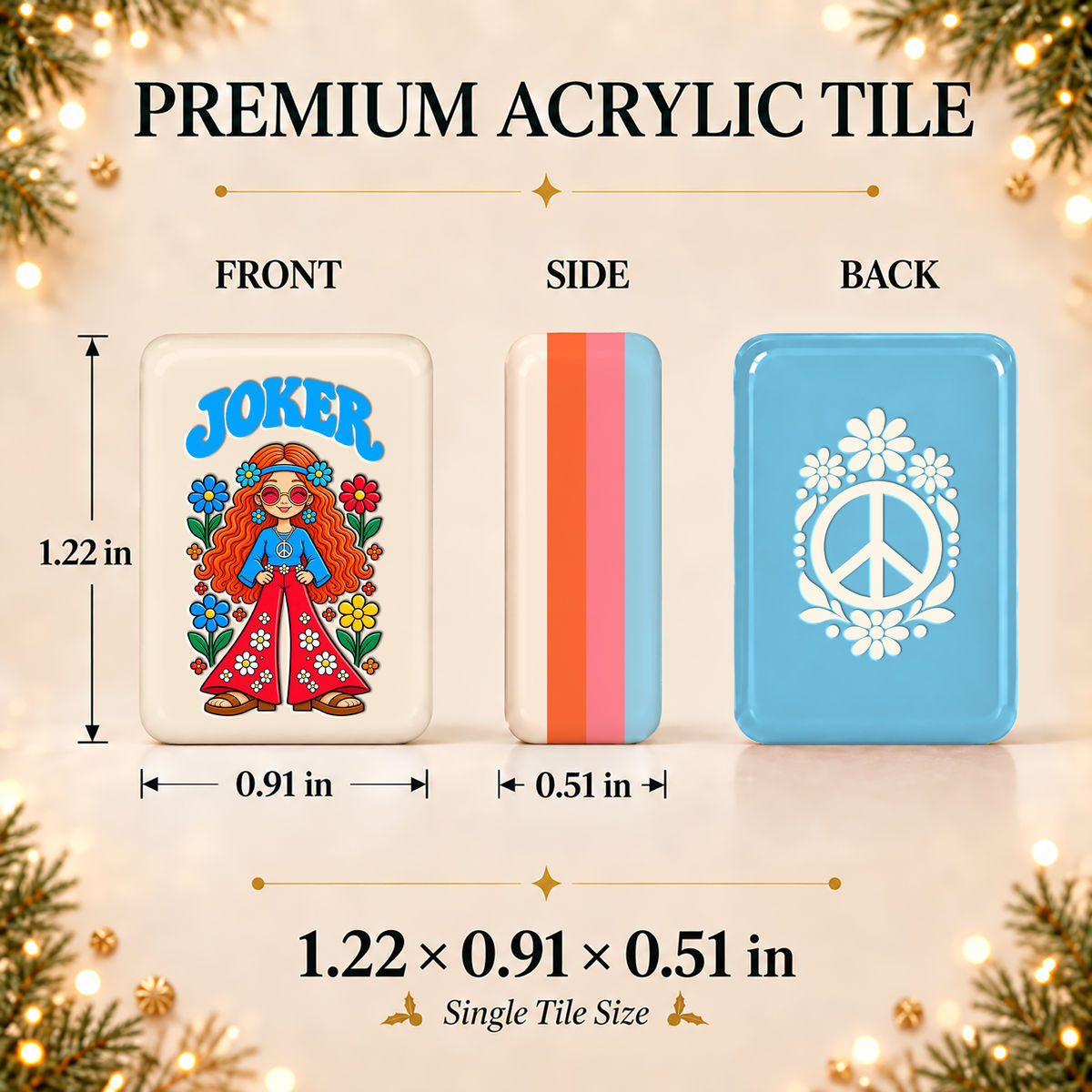
Printed mahjong tiles should be cleaned gently with a soft, dry microfiber cloth after each game session to prevent dust buildup and oil transfer. For light soiling, wipe each tile with a barely damp cloth—never soak or submerge tiles. Avoid alcohol, bleach, and abrasive scrubbers; they strip engraving and fade designs. For stubborn marks, use a barely wet cloth with one drop of mild dish soap, then immediately dry. Store tiles in a cloth-lined container away from direct sunlight and heat to prevent fading and warping. We recommend preventive care: wash hands before play, use a padded mat, and rotate jokers into storage to reduce wear on high-use tiles.
Printed mahjong tiles—especially those with custom engraving—are an investment in your game. Unlike bamboo or bone sets, acrylic tiles with printed designs require specific care to keep artwork sharp and tiles structurally sound through seasons of weekly play.
Why do printed tiles get dirty faster than solid-color ones?
Printed and engraved tiles have texture and micro-ridges in the design layer that trap dust, hand oils, and environmental particles. Solid-color tiles shed debris more easily because their smooth surface offers nowhere for grime to lodge. Over six months of regular play, a printed tile's design can appear dull or faded if oils and dust settle into the engraving, even though the ink itself is still vibrant. Preventive cleaning—not deep scrubbing—is your best defense.

What's the safest everyday cleaning method?
Use a dry microfiber cloth immediately after each game session. Fold it to a clean section for each tile, wiping in one direction rather than circular motions. Microfiber's fine fibers lift oils and dust without scratching acrylic or disturbing engraving. Store the cloth in a sealed bag so it stays clean between sessions. For tiles played frequently (jokers, wind tiles, dragons), rotate them into a separate storage pouch for a few weeks to reduce cumulative wear. This single habit extends tile life by years.
When should you use water, and what will damage tiles?
Use water only for visible spots: a barely damp cloth with distilled water (tap water leaves mineral spots). Never soak tiles or use running water. Alcohol—including hand sanitizer—dissolves acrylic and fades printed inks; bleach and vinegar are equally harmful. Abrasive sponges, scouring powders, and erasers scratch the surface and blur engraving. Heat damages acrylic's structural integrity, so never use a hair dryer or leave tiles in direct sunlight for extended periods. If a tile has sticky residue, apply one drop of mild dish soap to the cloth, wipe gently, and immediately dry with a separate clean cloth.
🀄 Shop best-selling mahjong sets →
How do you store printed tiles to prevent fading and warping?
Store tiles in their original or a padded fabric-lined case, placed in a cool, dry room away from windows and heating vents. Acrylic expands and contracts with temperature changes; a stable environment prevents warping and stress cracks. Keep tiles in a cloth bag or lined box rather than loose in a drawer; they'll absorb less dust and won't knock against each other. Store cases on a flat shelf, never standing upright, to prevent tiles from shifting and creating pressure points. Check storage occasionally—if you notice any tiles feeling slightly tacky or sticky, it signals humidity exposure; move storage to a different location and increase air circulation.

What's the difference between cleaning printed acrylic and other tile materials?
Printed acrylic tiles are more forgiving than bone or bamboo—they won't absorb water and swell, and they resist cracking from minor temperature shifts. However, the printed design layer is thinner and more sensitive than solid carving; aggressive cleaning damages it irreversibly. Bamboo sets tolerate slightly firmer scrubbing because the design is carved deep. Bone tiles are delicate in a different way: they absorb moisture and can split or warp. If you own tiles from the best-selling mahjong sets lineup—most of which are acrylic with engraved or printed designs—follow acrylic-specific care: gentle, dry-first, water-only for spots, heat-free storage.
Tile Type | Best Cleaning | Water Safe? | Heat Risk? | Engraving Durability |
Acrylic (printed/engraved) | Dry cloth, barely damp for spots | Yes, minimal | High | Excellent if protected |
Bamboo | Dry cloth, gentle damp cloth | Limited; avoid saturation | High | Good; deep carving resists wear |
Bone | Dry cloth only | No; absorbs moisture | Moderate | Good; susceptible to splitting |
Jade/Stone | Dry or barely damp cloth | Minimal | Low | Excellent; very durable |
🎁 See our most-loved mahjong sets & accessories →
What do you check before you buy or store a printed tile set?
Before purchasing, verify the tile material on the product page—acrylic is most common and beginner-friendly. Look for sets with cloth-lined storage, which reduces dust exposure during off-weeks. If you're buying for a gift or a weekly game group, confirm the set includes a padded mat to minimize tile-to-tile friction during play. Before first use, wipe all tiles with a dry microfiber cloth to remove manufacturing dust. Set a reminder to clean tiles after each game—a 60-second wipe prevents months of buildup. Store the set in a temperature-stable location (avoid basements, attics, and sun-facing shelves). If tiles live in a high-humidity environment or near a kitchen, relocate storage and increase air circulation around the case.
✨ Find your Mahstead set — free US shipping →
How often should you deep-clean printed mahjong tiles?
Most players never need a deep clean if they do preventive wipes after each session. If tiles haven't been maintained and show light dust or a hazy film after several months of play, do a gentle refresh: lay tiles on a clean towel, wipe each one with a barely damp cloth, then dry immediately with a fresh section of microfiber. Don't do this more than once or twice per year. Deep cleaning—which some players imagine as soaking or vigorous scrubbing—actually damages acrylic tiles and should be avoided entirely. The goal is prevention through consistent, light maintenance.
What's the best storage setup to protect printed tiles long-term?
A padded case with individual tile compartments or fabric lining is ideal because it holds tiles stable and keeps them dust-free between games. Store cases on a flat shelf in a closet, cabinet, or shelf unit with stable temperature and low humidity. Avoid cardboard boxes, which absorb moisture and invite pest activity. Keep mahjong bags and cases designed with cloth interiors; they're manufactured to reduce friction and dust transfer. If you play weekly in a group home or club, leave the case closed and sealed between sessions. If tiles travel in a car or across climate zones, allow 30 minutes for acclimation to the new environment before opening the case; rapid temperature changes can stress seams and tiles.
For regular players hosting weekly games, the simplest system is: dry microfiber cloth, game-day wipe, sealed storage in a cool room. Over years, this routine keeps tiles looking new. Engraved sets with custom designs deserve the same care—their artwork is part of the appeal and longevity.

FAQ
Can I use Clorox wipes or hand sanitizer on printed mahjong tiles?
No. Alcohol in sanitizers and bleach in disinfectant wipes dissolve acrylic and erase printed designs permanently. Stick to distilled water only, and only barely damp.
Will dust from storage affect my game or tile integrity?
Dust doesn't harm tile structure but makes designs look dull. A brief dry-cloth wipe before play restores clarity. Store tiles in sealed cloth cases to minimize dust accumulation.
Should I use a toothbrush to clean engraved grooves?
No; even soft toothbrush bristles scratch acrylic and can dislodge ink from grooves. Dry microfiber cloth removes dust from grooves safely. For stubborn spots, use a barely damp cloth.
How do I know if my tiles are warping, and is it reversible?
Slight warping appears as a subtle curve or soft edges when stacked. Minor warping isn't reversible and usually doesn't affect play. If severe, it signals heat or humidity exposure; move storage to a climate-stable location.
Do I need special cleaning products designed for mahjong tiles?
No. Distilled water and a microfiber cloth are all you need. Generic "tile cleaner" or "acrylic polish" products risk damaging printed designs; plain and simple is safest.
What humidity level is safe for long-term tile storage?
Aim for 30–50% relative humidity, typical of most homes. Humidity above 60% risks mold and warping; below 20% can dry acrylic and cause microcracks. A sealed closet usually maintains safe levels.
Can I clean tiles right before a game to make them look sharp?
Yes, a quick dry-cloth wipe 10 minutes before play is fine and won't harm tiles. Never use water immediately before; moisture can make tiles slightly tacky and affect shuffling.


View More
View More
View More
