
How to Clean Mahjong Table Cover: Step-by-Step Care Guide
Last updated: Nov 23, 2026
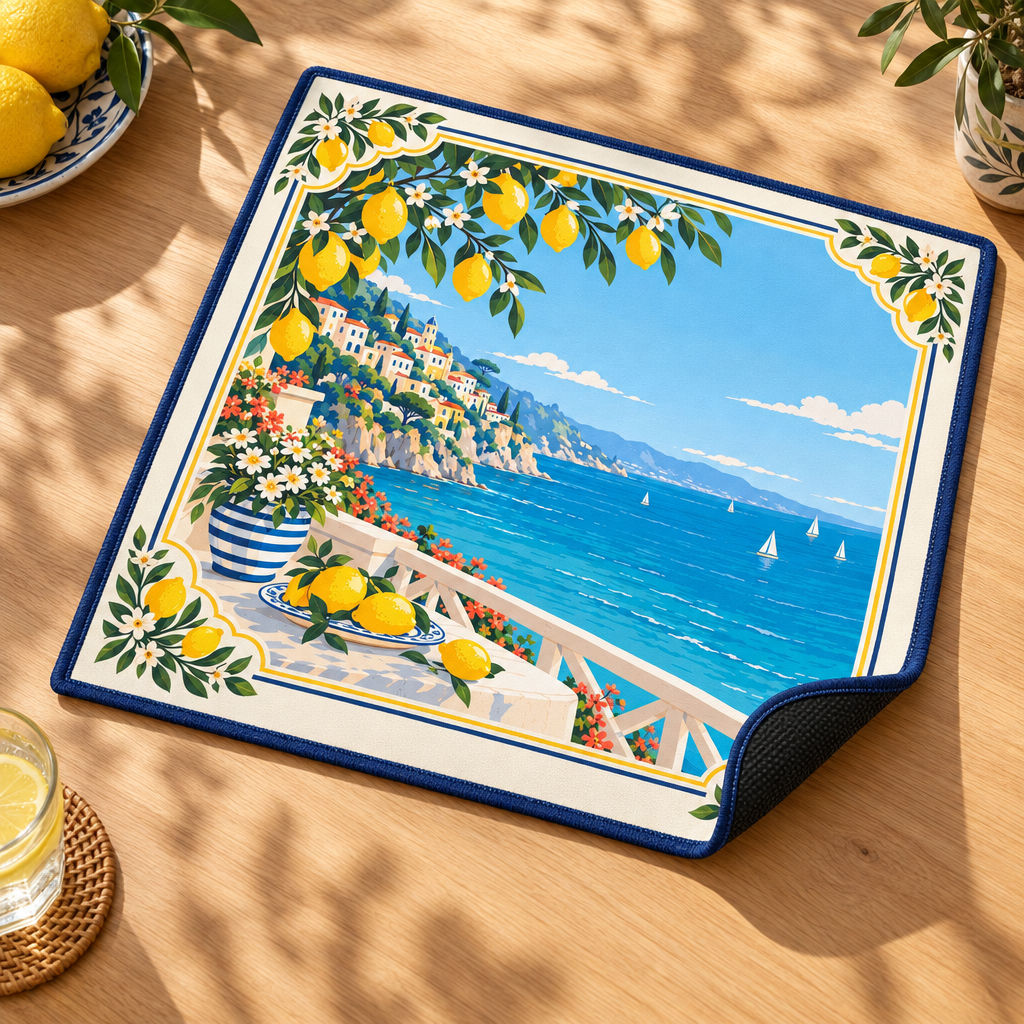
Most mahjong mats fall into two categories: felt-backed fabric (common on neoprene or rubber-backed designs) and laminated non-fabric surfaces. For fabric mats, vacuum gently, spot-clean with cool water and mild soap, and air-dry flat—never wring or machine wash. For non-fabric mats, wipe with a damp microfiber cloth and mild detergent, then dry immediately to prevent water marks. Avoid bleach, abrasive scrubbers, and heat. If your mat lives in a game bag between sessions, a light vacuum or lint roller before storage prevents dust buildup. Most players deep-clean their mats monthly and replace them every 2–4 years depending on use; sun exposure and pet hair accelerate wear.
What type of mat do you actually have?
Before cleaning, identify your mat's material—it determines which method works. Flip the mat over and look at the backing: if it's soft felt or napped fabric, you have a fabric mat. If the underside is smooth rubber or sealed plastic, it's non-fabric. Check the product listing or packaging; most vendors note fabric content. Knowing this takes 30 seconds and prevents using water on a mat that shouldn't get wet, which causes swelling and permanent water marks. When in doubt, test your method on the mat's edge first.
How do you clean a fabric mahjong mat safely?
Fabric mats need gentleness—they're not dish towels. Start by vacuuming with a handheld brush attachment on low suction, working in one direction to avoid pulling fibers. For stains (spilled coffee, food, pen marks), mix room-temperature water with a drop of dish soap and dab the spot with a white cloth, never scrubbing. Blot from outside the stain inward to prevent spreading. Rinse the same spot with a cloth dampened in clean water only, then blot dry. Lay the mat flat to air-dry completely—this takes 4–12 hours depending on humidity—before rolling or storing. Never hang a wet fabric mat or use a heat source to speed drying.
What's the right way to maintain a non-fabric mat?
Non-fabric mats (laminated or rubber-surface designs) tolerate water better than fabric. Wipe the playing surface with a damp microfiber cloth and a 1:10 dish soap–to–water ratio. Work in small sections and dry each section immediately with a separate dry cloth to prevent pooling. For stubborn marks (dried glue, ink, mineral deposits), let the soapy cloth sit on the spot for 30 seconds, then wipe gently. Never soak the mat or use a mop—excessive water seeps into edges and can degrade the backing over time. Once monthly, wipe the mat's underside (where dust and debris collect) and dry it too. This prevents grit from scratching your table and keeps the non-slip backing effective.
What mistakes ruin a mahjong mat fastest?
Common errors we see among weekly players: using hot water (weakens adhesives and can warp the mat), scrubbing with a stiff brush (frays fabric or scratches non-fabric surfaces), machine washing (destroys the seal and backing), bleach or harsh cleaners (fade colors and degrade material), and storing the mat damp (promotes mold and odor). A fourth mistake is leaving spills overnight—tile residue, food, or moisture sits and sets into fibers, making removal much harder. Act quickly on fresh spills, and always finish by drying the area. One more: rolling a damp mat into a travel bag traps moisture and encourages mildew.
When should you replace your mahjong mat?
A mat's lifespan depends on play frequency, storage, and care. Heavy weekly players might replace one every 2–3 years; occasional players, 4–5 years or more. Watch for these signs of wear: permanent discoloration from spills that won't lift, fraying or peeling edges, non-slip backing turning slippery, wrinkles or buckles that won't flatten, and fading from sun exposure. If tiles don't glide smoothly anymore or catch on rough patches, cleaning won't restore surface feel—that's replacement time. A worn mat degrades gameplay because tile movement becomes unpredictable and hands take longer to draw. Investing in a new mat from the best-selling mahjong sets collection (many include premium mat options) or the mahjong mats page refreshes your game setup and often feels like a new hobby altogether.

Cleaning supplies: what you actually need
A cleaning kit costs almost nothing:
Item | Why it works | Where to find |
Microfiber cloth (2–3) | Absorbs water without shedding lint | Dollar store, grocery chain |
Soft-bristle brush or handheld vacuum | Removes dust gently, won't shred fibers | Hardware store, most homes |
Mild dish soap | Cleans without harsh chemicals | Your kitchen sink |
Spray bottle (optional) | Dispenses water control—avoids over-wetting | Dollar store |
Lint roller | Clears dust and pet hair between games | Laundry aisle, drugstore |
White cloth (old t-shirt) | Shows whether stain is gone; no dyes transfer | Fabric scrap, old towel |
Don't buy specialty "mat cleaner"—it's often overpriced and harsh. Room-temperature water and mild soap outperform expensive products. If your mat lives in a bag, add a lint roller to your table setup to refresh it before storing.
✨ Find your Mahstead set — free US shipping →
Storage: the invisible part of maintenance
How you store your mat between games matters as much as washing it. Once the mat is completely dry, roll it (don't fold) with the playing surface facing outward to protect fibers from creasing. Store it in a cool, dry place away from direct sun—heat and UV fade colors and weaken material. If you use a mahjong travel bag, lay the mat flat at the bottom, jokers and pushers on top, and skip rolling to minimize creases. Never store a damp mat; wait until it's fully dry to the touch. In humid climates, a breathable storage bag (not plastic) or open shelf is safer than a sealed container. Excess moisture encourages mold and odors even in clean mats. Check your mat's storage spot seasonally and rotate it occasionally so one side doesn't compress from weight.
🀄 Shop best-selling mahjong sets →
Comparison: fabric vs. non-fabric mat care at a glance
Trait | Fabric Mat | Non-Fabric Mat |
Water tolerance | Low—use sparingly | Moderate—tolerate wipes |
Cleaning method | Dab, blot; air-dry flat | Wipe, dry immediately |
Drying time | 4–12+ hours | 30 minutes–1 hour |
Stain ease | Harder; set-in risk | Easier; surface sits |
Durability under wear | 2–3 years (weekly play) | 3–5 years (weekly play) |
Best for | Soft tile feel, lower cost | Low maintenance, durability |
Risk if mishandled | Mold, water marks, fraying | Edge delamination, cracking |
Choose based on your play style: if you prioritize softness and cost, fabric works; if you host frequent games or have pets, non-fabric wins.
🎁 See our most-loved mahjong sets & accessories →
What to check before you buy a new mat
If your current mat is near end-of-life, replacement time is here. Before ordering, confirm mat size (most are standard 27"–30" square, but check your table), backing type (felt vs. rubber), and whether your set's bag accommodates the new mat's thickness. Read customer feedback or product notes about grip—some non-fabric mats are too slippery for fast tile draws. Decide if you want a mat with engraved titles or artwork: many players enjoy personalized designs, but plain mats hide stains better and match any set. Check free US shipping applies to your order. Browse mahjong mats to compare options, and test-drive your new mat during your next game before deep-cleaning; sometimes a mat feels different than expected, and you'll want to know early.
FAQ
Can you machine-wash a mahjong mat?
No—never. Machine washing destroys the backing seal, warps fabric, and weakens adhesives. Hand-clean only, using cool water and gentle blotting.
What if your mat smells moldy?
It likely stayed damp after cleaning or storage. Air it outdoors in sunlight for several hours; UV kills surface mold. If odor persists, the mat's backing may be compromised and replacement is best.
How often should you vacuum a mahjong mat?
Before and after each game session, a quick lint roller or light handheld vacuum (low suction) keeps dust minimal. Monthly deeper vacuum is fine for storage mats.
Does bleach remove stains from a mahjong mat?
No—avoid bleach entirely. It fades colors, weakens fibers, and doesn't lift set-in stains better than soap and water. Bleach causes permanent damage.
Can heat dry a mahjong mat faster?
No. Avoid heat (hair dryers, radiators, direct sun indoors). Heat warps the mat and weakens material. Air-dry flat, which takes longer but preserves integrity.


View More
View More
View More
