
How to Clean Mahjong Pushers: Keep Yours Like New
Last updated: Nov 23, 2026
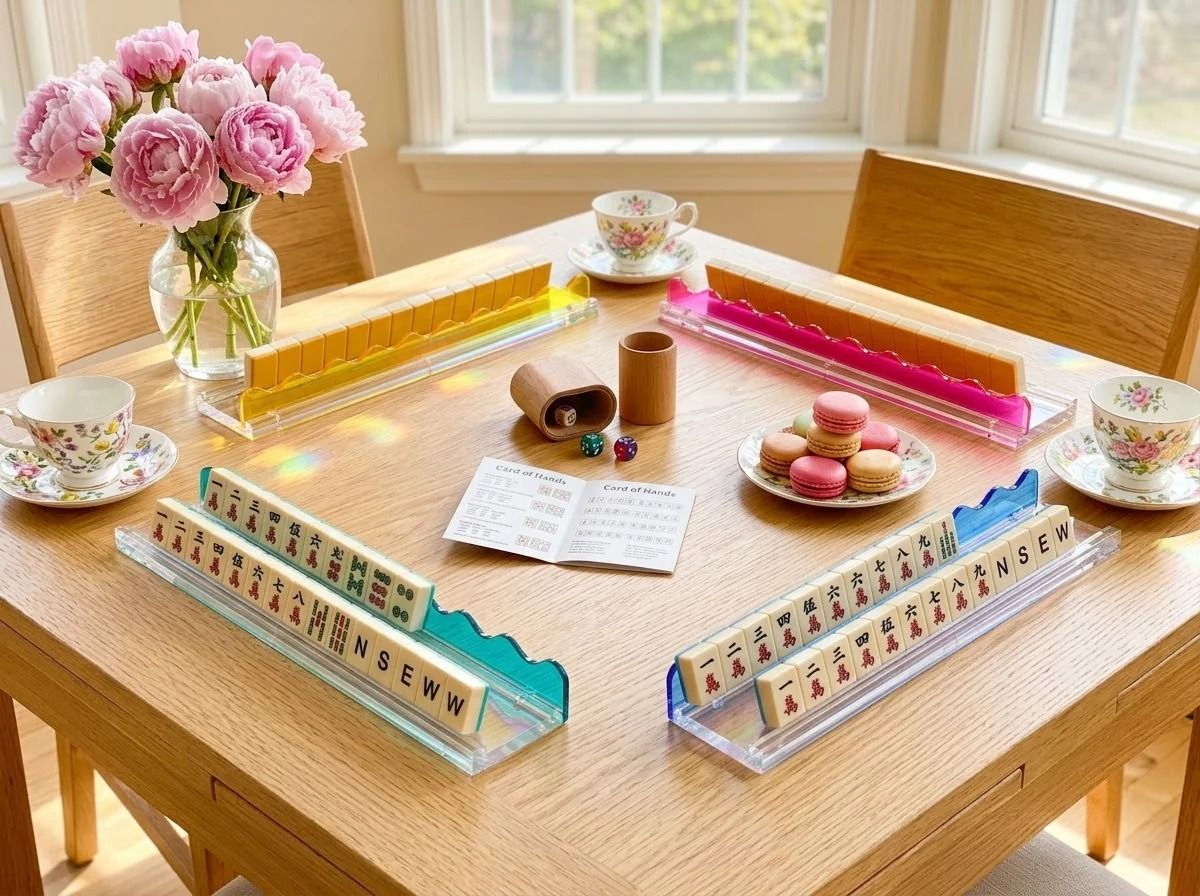
Acrylic mahjong pushers are best cleaned with a soft, dry microfiber cloth after every game; for stubborn dust or dried residue, lightly dampen the cloth with distilled water and wipe gently, then dry immediately with a second cloth. Never use harsh cleaners, abrasive sponges, acetone, or alcohol, which scratch or cloud acrylic. For the pusher's working surface (the face that touches tiles), a quick swipe prevents buildup; for the handle, a slightly damp cloth removes hand oils. Store pushers in a cool, dry place—heat and direct sunlight can warp acrylic over time. If a pusher becomes permanently clouded or develops deep scratches that slow tile movement, replacement is more practical than restoration; our mahjong racks with pushers are designed to last through hundreds of games when cared for properly.
Why do pushers get dirty so fast?
Every tile your pusher touches leaves behind dust, ink residue from tile printing, and oil from your fingertips. Over weeks of weekly games, these layer up and dull the acrylic's finish—and worse, create friction that slows the pusher's glide. A cloudy pusher also signals to your tablemates that you've been neglecting your gear, which in American mahjong culture reads as a casual player. Catching buildup early means ten seconds of weekly maintenance instead of a deep clean later.

What's the safest daily cleaning method?
Use a soft, lint-free microfiber cloth—the same type that cleans eyeglasses or camera lenses—and wipe both the working face and the handle after your game ends. Microfiber grabs dust and oils without scratching acrylic, which is why we recommend keeping one in your mahjong racks with pushers bag or your tile case. A dry cloth is always your first choice; most grime comes off without water. Take five seconds per pusher, and you're done. This habit alone prevents 90% of cleaning headaches. Store the cloth in a small zippered pouch so it stays clean itself.
When should you use water, and when should you avoid it?
A lightly dampened microfiber cloth (not wet, just barely moist with distilled water) works if dust won't budge or you see dried tile-printing ink stuck to the pusher surface. Dampen the cloth first, never spray water on the pusher directly—water pooling in the handle joint or seams can warp the plastic or leave watermarks. Wipe gently in one direction, then immediately dry with a second dry cloth. This method is safe once every few months; don't do it weekly or you risk trapping moisture. Never use tap water; minerals in it leave visible spots on acrylic. And never soak a pusher or run it under a faucet—that's how handles crack or seams separate. The rule: dampen cloth first, one light wipe, dry instantly.
Which cleaners and materials will ruin your pushers?
Here's what breaks acrylic pushers, and why:
Cleaner / Material | Why It Damages Acrylic | What Happens |
Rubbing alcohol or hand sanitizer | Dissolves acrylic polymers | Cloudiness, brittleness, permanent damage |
Acetone (nail polish remover, some degreasers) | Chemical solvent for plastic | Pushers become warped, sticky, unusable |
Abrasive sponges or steel wool | Scratches the surface | Deep gouges slow tile movement; looks terrible |
Bleach or window cleaner (ammonia) | Harsh oxidizer breaks the finish | Discoloration, cracking, loss of transparency |
Dishwasher or hot water | Heat warps acrylic; soap leaves residue | Handle may bend; cloudiness and buildup return fast |
Every player we know has made one of these mistakes once. Learn from them: stick to dry microfiber, distilled water on the cloth only, and gentle motions. Your pushers will outlast your set.

How do you clean stubborn buildup without damaging acrylic?
If a pusher has visible grit or ink stuck to it, make a soft paste: mix one teaspoon of baking soda with just enough distilled water to form a thick paste (not runny). Apply a tiny amount to a soft cloth—not directly onto the pusher—and gently rub the affected area in circular motions for five to ten seconds. Rinse the cloth with a fresh, damp cloth (distilled water only), wipe the pusher clean, and dry completely. Baking soda is mildly abrasive but won't scratch acrylic; it's alkaline, not acidic or solvent-based, so it won't chemically attack the plastic. Never apply baking soda paste to the pusher's seams or joints; keep it on the flat work surfaces only. If buildup still won't budge, the pushers are likely worn enough that replacement makes more sense than aggressive scrubbing. Test this method on one pusher first—if the acrylic stays clear and smooth, you're safe to use it on others.
When should you replace pushers instead of cleaning them?
Pushers that become permanently clouded, scratched deeply enough that you can feel the gouges, or that no longer slide smoothly across tiles should be retired. Acrylic clouding is not reversible; once the plastic's surface has been compromised by chemical exposure or heavy scratching, cleaning won't restore clarity. A sluggish pusher also frustrates players and slows the game. Rather than spend time troubleshooting an old pusher, invest in a new mahjong racks with pushers set. Replacement pushers are affordable and will perform like new for years if you follow the care steps above. Many players keep a backup pusher in their travel bag just in case one fails mid-game.
🀄 Shop best-selling mahjong sets →
What storage conditions keep pushers in peak condition?
Heat and sunlight degrade acrylic over time, making it brittle and prone to discoloration. Store your pushers in a cool, dark place—ideally in your mahjong bag or a dedicated container inside a closet or cabinet. Avoid leaving them on a sunny windowsill or in a hot car, even for an afternoon. Humidity is less of a threat to acrylic than heat, but extremely humid environments can trap moisture in seams and cause warping. If you live in a very humid region, keep a small silica gel packet in your storage bag to absorb excess moisture. Also keep pushers away from direct contact with other hard objects; acrylic scratches if it bumps against tile edges or wooden racks repeatedly. Many players toss pushers loose into their gear bags and wonder why they get damaged—a simple cloth or foam sleeve around each pusher prevents accidental scratches.
✨ Find your Mahstead set — free US shipping →
What to check before you buy replacement pushers
Before ordering new mahjong racks with pushers, confirm:
Compatibility: Your pushers must fit your tile size. American mahjong tiles are standard; if your set is from overseas or a non-standard variant, the pusher length or handle height may not align properly.
Acrylic quality: Higher-quality acrylic resists cloudiness and scratching better. Look for pushers described as "premium acrylic" or "heavy-duty." Cheaper pushers cloud faster and wear out in one or two seasons of weekly play.
Handle comfort: A pusher's handle should feel balanced in your hand and not too wide or narrow. If you're ordering online, read descriptions carefully to judge grip size.
Seam and joint durability: Pushers with reinforced joints last longer. Weak seams can separate with normal use, especially if the pusher is ever exposed to temperature changes or stored improperly.
Finish: Matte finishes show fingerprints less than glossy finishes but can be harder to clean. Glossy pushers look sleek but require more frequent wiping to avoid streaks.
FAQ
Can I use Windex or other glass cleaners on acrylic pushers?
No. Ammonia-based glass cleaners (like Windex) are harsh on acrylic and will cloud or crack it over time. Stick to distilled water on a damp microfiber cloth only.
How often should I clean my pushers?
A quick dry wipe with a microfiber cloth after each game is ideal. A deeper clean with a damp cloth is only necessary every few months, or when you see visible buildup or film.
Why did my pusher get cloudy even though I barely used it?
Cloudiness usually results from chemical exposure (harsh cleaners, alcohol), heat exposure, or storage in direct sunlight. Check your storage location and cleaning habits. If it's still new and cloudy, the acrylic may have been defective—contact the seller.
Can I use a hair dryer to dry my pushers after cleaning?
Avoid direct heat from a hair dryer; acrylic can warp if exposed to sustained heat above room temperature. Air-dry with a soft cloth instead. Only use a hair dryer if it's on a cool, low setting and held several inches away.
My pusher's handle is cracked. Is it worth repairing?
No. Acrylic cracks cannot be reliably glued or sealed and will only worsen with use. Replacement is safer and more cost-effective. A cracked pusher can also splinter and scratch your tiles.
Should I polish my pushers with furniture polish or car wax?
Not recommended. These products leave residue and can alter the acrylic's transparency. Microfiber cloth and distilled water are all you need. If you want extra shine, a light buffing with a dry microfiber cloth is enough.


View More
View More
View More
