
How to Clean Bone and Bamboo Mahjong Tiles
Last updated: Nov 23, 2026
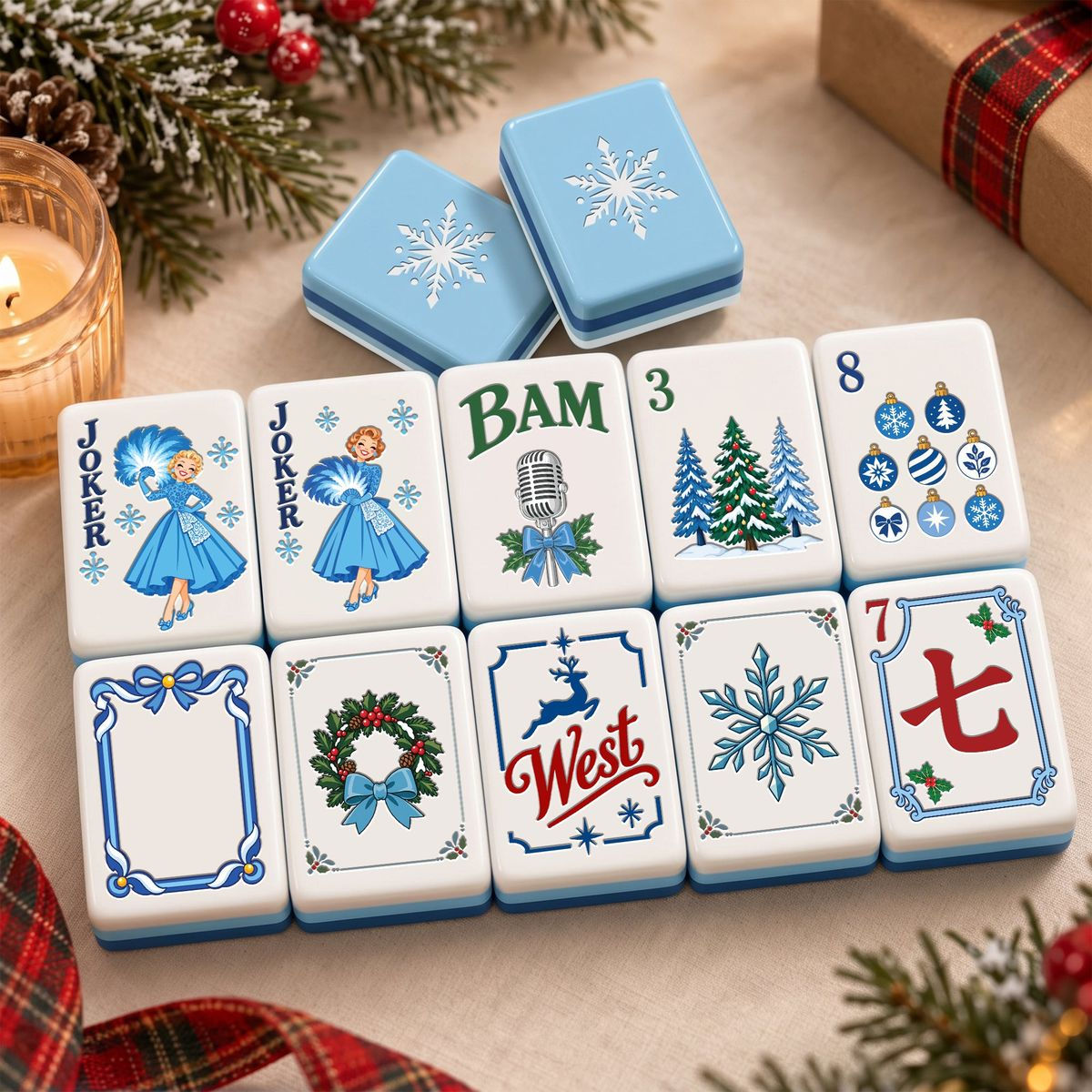
Bone and bamboo mahjong tiles are built to last decades if handled well. Unlike acrylic sets, which tolerate aggressive wiping, natural materials absorb moisture and shed finish under harsh treatment. We clean our own sets after every few seasons—not every game—and have learned what works and what destroys tiles. This guide walks you through safe, real-world cleaning practice so your tiles stay smooth and legible.
Why do bone and bamboo tiles need special care?
Bone and bamboo are hygroscopic: they absorb moisture from air and hands. Bone can yellow or develop surface cracks if exposed to extreme humidity or temperature swings. Bamboo is a veneer glued to plywood; water penetrates the glue line, causing the veneer to bubble and peel away from the base. Acrylic tiles have none of these vulnerabilities. If you own natural-tile sets, storage and preventive care matter more than cleaning frequency.

What is the safest cleaning method for bone and bamboo?
Use a microfiber cloth, barely dampened with distilled water—not tap water, which contains minerals that leave visible residue. Wipe one tile at a time, following the grain pattern if bamboo. Never soak tiles or leave them wet. Dry each tile immediately with a dry portion of the cloth. For engraved designs or indented suit markers, use the corner of the cloth to reach crevices, but do not scrub in circles; stroke along the tile surface instead. This method removes dust, minor fingerprints, and table residue without risk.
What cleaning products should you avoid?
Do not use vinegar, lemon juice, or any acidic cleaner—these etch bone and dissolve bamboo glue. Avoid all soaps and detergents; they leave a film and can destabilize the finish. Never use paper towels, tissues, or sponges; they are abrasive and shed fibers. Do not apply wood oils, linseed oil, or furniture polish; they make tiles slippery and are difficult to remove. Avoid commercial tile cleaners designed for ceramic or stone; they are far too harsh. Stick to distilled water and a soft microfiber cloth. This simplicity protects your investment and ensures tiles remain playable for decades.
How often should you clean bone and bamboo tiles?
Most weekly players clean their sets once or twice per year. If tiles live in a travel bag or case and are handled only during games, they accumulate little dust or grime—a light wipe per year suffices. If tiles sit in a humid room or are handled frequently between games, clean every three to four months. Never clean out of habit; clean only when tiles visibly need it. Excessive cleaning wears the finish faster than normal play. Keep a small, lint-free cloth in your tile bag so you can spot-clean one or two tiles if needed before a game.
What storage prevents damage between games?
Store tiles in a dedicated mahjong bag or rigid case—never loose on a shelf or in a drawer. Cases protect from dust, humidity spikes, and temperature swings. Keep tiles away from direct sunlight, which fades bone and can warp bamboo. Avoid attics, basements, and garages where humidity and temperature fluctuate daily; a climate-controlled closet or cupboard is ideal. Do not store tiles near heating vents, radiators, or air conditioners. If you live in a humid climate, a small silica gel packet in the case helps. The best-selling mahjong sets typically ship with basic storage, but upgrading to a padded case extends tile life significantly.
🀄 Shop best-selling mahjong sets →
When is it time to replace a tile?
A tile is beyond cleaning if it exhibits any of these signs: deep cracks, delaminated bamboo veneer (peeling), permanent discoloration that does not wipe away, illegible engraving, or staining from mold or rust. Bone tiles that are discolored, yellowed unevenly, or cracked in the glaze layer are cosmetically compromised but often still playable; it depends on house rules. Bamboo tiles with a peeling edge or soft spot are no longer safe to play; they may crumble or separate mid-game. Do not attempt to glue, refinish, or chemically treat a damaged tile; discard it. American mahjong requires exactly 152 tiles; one bad tile means you cannot form a legal hand. If multiple tiles fail, consider replacing the set.
Damage Type | Cause | Is It Cleanable? | Is It Playable? |
Surface dust, fingerprints | Normal handling | Yes | Yes |
Light scratches | Age, play | No, but acceptable | Yes |
Yellowing (bone) | Sunlight, age | No | Yes |
Peeling veneer (bamboo) | Moisture, humidity | No | No |
Deep cracks | Impact, temperature shock | No | No |
Mold or green staining | Poor storage | No | No |
Illegible engraving | Extreme wear | No (cannot read tile) | No |
🎁 See our most-loved mahjong sets & accessories →

What mistakes ruin bone and bamboo tiles fastest?
Soaking tiles to "deep clean" them is the single biggest mistake. Water penetrates the bone, causes delamination in bamboo, and loosens the glue holding engraved inlays. Storing tiles in a damp basement or humid garage worsens the problem daily. Using tap water (hard water) leaves mineral deposits and speeds corrosion of any metal hinges or fasteners in a tile case. Rubbing tiles with paper towels or abrasive cloths wears the finish and exposes the raw material beneath. Leaving tiles in a hot car or direct sunlight causes bamboo to warp and bone to crack. Stacking heavy objects on top of a tile case compresses bamboo veneers and can crack bone tiles. Handling wet hands near the table is a common culprit; moisture wicks into tiles faster than most players realize. Each of these errors is invisible at first but compounds over years.
What is the right equipment for safe storage and cleaning?
Keep a dedicated microfiber cloth in your mahjong bag—one that lives nowhere else. A small bottle of distilled water in your kit lets you clean tiles at the table if needed without hunting for it. A rigid case with a padded interior, divided into sections for racks and tiles, is the best long-term investment. Do not store tiles loosely in a soft fabric bag; tiles will rub against each other and accumulate debris. If you play weekly or more, a case with a removable rack organizer keeps tiles sorted and prevents tile-on-tile friction. For travel, a padded case fits in a car trunk without shifting and protects tiles from impact. Mahstead's mahjong bags and cases collection includes options designed for bone and bamboo sets, with interior dividers and moisture barriers.
What does "preventive care" mean for bone and bamboo?
Preventive care is the effort you put in before tiles show damage. Store tiles in a dry, climate-controlled space. Use a protective mat when playing to shield tiles from table moisture and spills. Wipe your hands dry before handling tiles. Keep tiles away from food and drinks. Never expose tiles to temperature changes (e.g., moving from a cold car into a warm house) without allowing them to acclimate for an hour. Handle tiles gently—never throw them or drop a rack. Keep a humidity log if you live in a seasonal or tropical climate; if humidity exceeds 60% indoors, add a small dehumidifier to your storage space. These small habits cost almost nothing but add years to the life of a set. Players who neglect storage lose tiles to mold and cracking within three to five years. Players who follow these steps enjoy sets for twenty years or more.
✨ Find your Mahstead set — free US shipping →
What is the honest truth about professional tile restoration?
Professional restoration of bone and bamboo mahjong tiles is rare and often not worth the cost. A damaged tile cannot be "fixed" in a way that restores it to original condition or playability. Gluing a delaminated bamboo veneer back down may work temporarily but will fail again once humidity changes. Refinishing bone changes its color and texture and costs more than a replacement tile. Attempting to re-engrave a faded tile requires custom work and loses the original font. The most practical approach: accept that bone and bamboo tiles have a lifespan. A well-cared-for set lasts fifteen to thirty years. At the end of that life, you retire it, donate it to a museum or library if it is vintage, and buy a new set. If you love your current set but a tile fails, consider buying a modern acrylic replacement set for active play and retiring your natural-tile set to display.
What to check before you buy a bone or bamboo set
Tile thickness and weight: Heavier, thicker tiles (bone especially) are more durable and resist cracking.
Veneer quality (bamboo): Look at the edge grain; a tight, consistent seam means strong glue. Loose or gaps mean early delamination.
Case and storage: Does the set include a padded case or bag, or just a box? A good case is half the longevity battle.
Engraving depth: Deep, clean engravings last longer than shallow ones. Run your fingernail across the tile; you should feel the engraving.
Finish: A matte finish hides scratches better than glossy. Glossy finishes are easier to clean but show every fingerprint.
Source and warranty: Buy from a known maker. Ask whether replacement tiles are available if one fails.

FAQ
Can I use alcohol or hand sanitizer to clean mahjong tiles?
No. Alcohol evaporates slowly, wicks into tile seams, and can soften bamboo glue. It also leaves a residue. Stick to distilled water only.
My bamboo tiles have a sticky feel. What does that mean?
Stickiness usually signals mold or fungal growth, often from humid storage. Do not clean; discard the affected tiles. Inspect your entire set for other signs and move storage to a drier location immediately.
How do I remove a water stain from a bone tile?
If the stain is on the surface only, try a cloth barely dampened with distilled water and wipe gently. If the stain is deep or permanent, it has penetrated the bone; no cleaning method will reverse it. Accept it as a mark of age.
Should I oil or wax my bamboo tiles to protect them?
No. Oil and wax make tiles slippery, attract dust, and are nearly impossible to remove without damaging the surface. The best protection is proper storage and minimal handling.
Can I play with tiles that are visibly cracked?
Not safely. A cracked bone tile will fracture further during play, and pieces may fall into the game. A cracked bamboo tile may separate or splinter. Retire the tile and replace it if possible.
How do I know if my set is bone, bamboo, or acrylic?
Weight and feel are the first clues. Bone is heavy and warm to the touch. Bamboo is lighter, slightly flexible, and has visible wood grain. Acrylic is light, cold, and uniform in color and texture. Tap two tiles together; acrylic makes a hollow click, bone makes a dull thud.


View More
View More
View More
