
How to Clean an American Mahjong Set: Tiles, Mat & More
Last updated: Nov 23, 2026
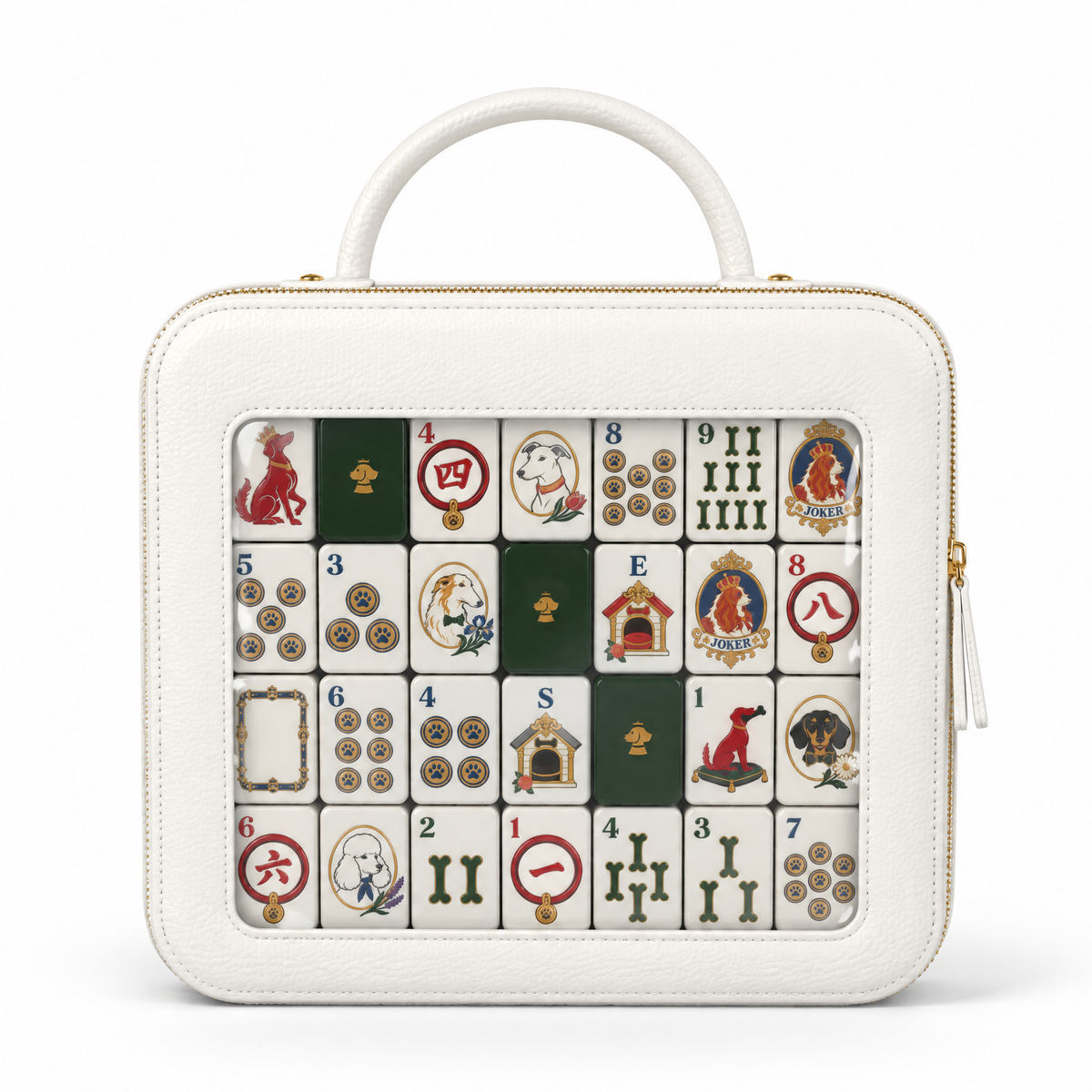
Acrylic American mahjong tiles need gentle, dry cleaning most of the time: use a soft microfiber cloth or soft brush to dust tiles weekly, especially after a game when they've been shuffled and handled. For stubborn spots or oils, wipe with a barely damp (not wet) cloth, then dry immediately; never soak tiles or use harsh chemicals like bleach, alcohol, or abrasive scrubbers, which can crack acrylic or fade engraving. Clean your mat by vacuuming or brushing debris away, spot-cleaning spills with a damp cloth and drying flat. Store your set in a dry case or bag—humidity and temperature swings warp tiles and fray felt. Most players at Mahstead recommend a quick monthly deep clean: lay tiles in rows, brush each side gently, let air dry for an hour, then pack away. The entire process takes 20–30 minutes and extends set life well beyond casual play.
Why does my mahjong set get so dirty so fast?
Acrylic tiles are porous at the microscopic level—they attract dust, skin oils, cooking grease, and humidity. Every time you shuffle, push tiles across felt, or pass them during the Charleston, you're adding friction and microscopic particles. After a few games, a white or light-colored tile looks gray; dark tiles get dull. Unlike ceramic or bamboo (used in other variants), acrylic doesn't develop a glossy patina—it just shows every fingerprint. The mat and racks trap crumbs and dust too. Keeping up with cleaning prevents buildup that makes tiles stick, slow down play, and look shabby.

What's the safest way to clean acrylic tiles?
Start dry: use a soft microfiber cloth (the kind for eyeglasses or screens) or a soft natural-bristle brush. Gently wipe or brush each side of every tile, paying extra attention to engraved faces where dust hides. For oil marks or sticky spots, dampen the cloth slightly—water only, no soap—and wipe one or two tiles at a time, then dry immediately with a separate dry cloth. Never leave water sitting on tiles; it seeps into the acrylic and causes clouding or warping. Avoid:
Rubbing alcohol (dissolves acrylic adhesive)
Bleach or harsh cleaners (cracks tiles, fades engravings)
Dishwashers or soaking (catastrophic)
Paper towels or rough fabrics (scratch the surface)
Compressed air (blasts debris into cracks)
Most of us keep a best-selling mahjong set and a dedicated cleaning cloth in the same storage case so we remember to wipe tiles before and after every session.
🀄 Shop best-selling mahjong sets →
How do I clean the mat, rack, and bag?
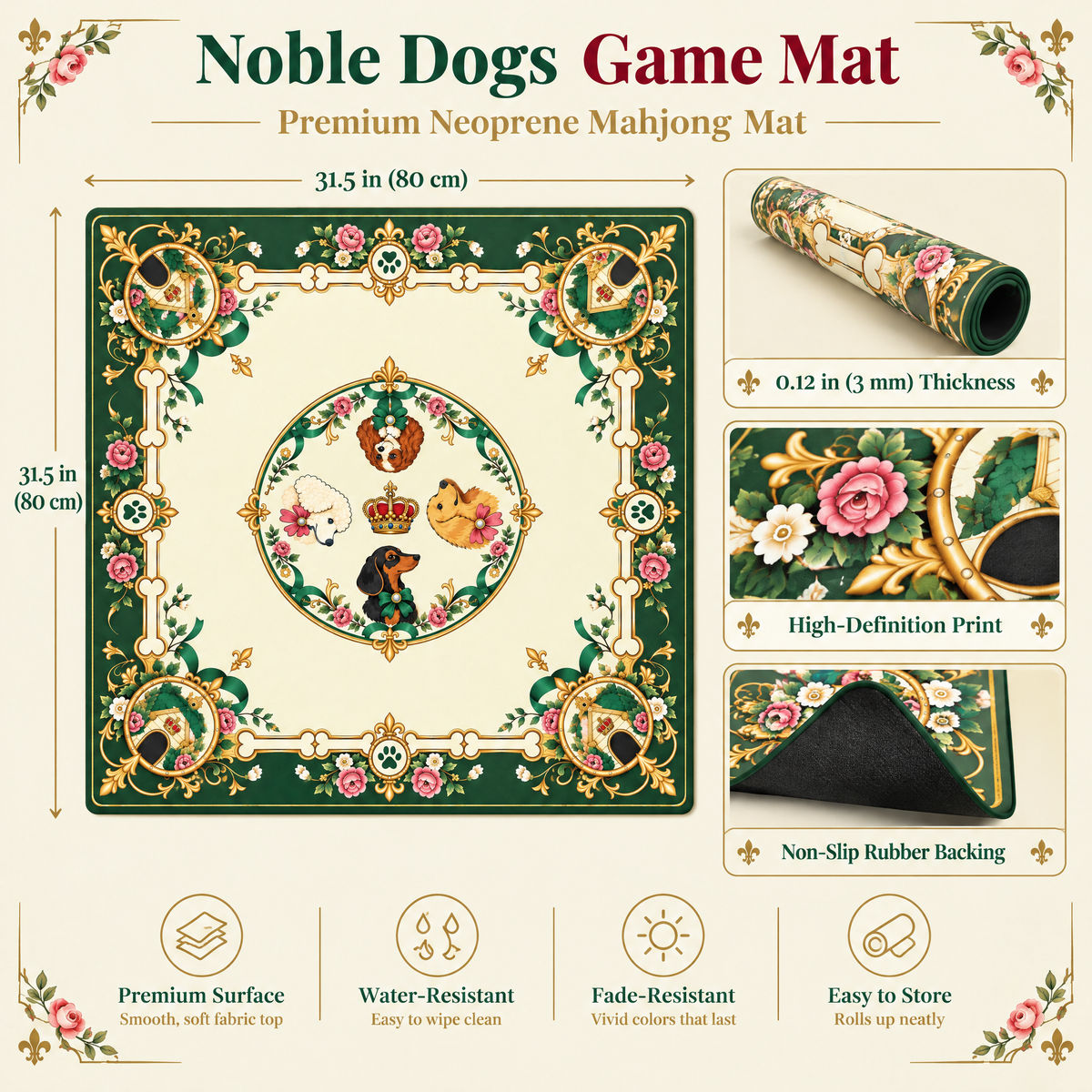
Mat: Vacuum or brush away loose debris first. For spills, blot immediately with a barely damp cloth—don't rub. Air-dry flat; never roll a wet mat. If the felt is stained permanently, gentle spot-cleaning with a tiny drop of mild dish soap in water, followed by thorough drying, is your last resort. Store mats flat or loosely rolled in a dry closet, not a basement or attic where humidity fluctuates.
Racks & pushers: Dust with a soft cloth. If felt insides are sticky, vacuum gently or use a soft brush. Wipe wood or acrylic frames with a barely damp cloth and dry immediately.
Bag or case: Empty and shake out debris. Wipe inside with a dry cloth monthly. Never store a damp set inside; let tiles air dry for at least an hour first. A quality mahjong bag or case keeps dust out between games and is worth the investment if you host weekly.
When should I do a full deep clean versus quick maintenance?
Cleaning Level | When | How Long | What You Do |
Quick (weekly) | After every game | 5 min | Microfiber cloth dust, tiles stay in bag |
Maintenance (monthly) | Before a tournament or big game | 20–30 min | Brush all tiles individually, wipe mat, let dry 1 hour, repack |
Deep (twice yearly) | Spring & fall, or if set looks dull | 45 min | Lay tiles in rows on clean cloth, brush both sides, air dry, inspect racks/bag, wipe case interior |
Emergency (as needed) | Spill, staining, visible grime | 15 min | Spot-clean affected tiles immediately, do not delay |
Quick maintenance keeps tiles playable. Deep cleans restore shine and catch early signs of warping or damage. If your set travels to tournaments or hosts 2+ games per week, deep clean every 8–10 weeks.
What damage should I watch for, and how do I prevent it?
Cloudiness or crazing (fine cracks on the surface): caused by temperature swings, humidity, or water exposure. Prevention: store in a climate-controlled closet, never in a car or garage. Use a mahjong bag rated for temperature control if you travel frequently.
Chipped edges or corners: caused by rough shuffling or dropping. Prevention: shuffle gently, always use racks with pushers to handle tiles instead of grabbing them raw, and pack your set in a padded case for transport.
Faded or worn engravings: inevitable over decades of play, but accelerated by harsh scrubbing or chemical exposure. Prevention: use only water and soft cloth; never bleach or sand tiles.
Sticky or warped tiles: caused by humidity and poor storage. Prevention: store in a dry room, never a basement. If tiles feel slightly tacky, spread them on a clean cloth in a dry room for 6–12 hours to off-gas.
Mat felt matting down or tears: caused by moisture and heavy foot traffic. Prevention: vacuum instead of walking on the mat, keep spills off it, and store flat or loosely rolled.
The good news: if you follow these steps, acrylic tiles last 10–20+ years and look great. We've seen sets from the 1990s in active play because their owners treated them right.
What products help keep a set clean and protected?
Investing in protective gear prevents most cleaning headaches:
Microfiber cloths: Buy a pack of 2–3 and keep one in your set bag. Cotton or flannel works too if you're careful; avoid anything fuzzy or textured.
Soft brush: A small soft-bristled shoe brush or baby brush is gentler than your hand and reaches between tiles during storage.
Padded bag or case: Protects tiles during shuffling and transport; felt interior keeps dust in, damage out. A travel bag or hard case is especially useful if you move sets between venues or travel.
Mat underlay or tablecloth: A thin felt or rubber liner under your mahjong mat prevents dirt from underneath and reduces wear on table surfaces.
Humidity control: A small silica gel packet in your storage case (replaced quarterly) keeps moisture stable and is worth far more than its cost.
🎁 See our most-loved mahjong sets & accessories →
What to check before you buy a replacement set
If your current set is beyond repair (widespread crazing, many chipped tiles, lost jokers), or if you're upgrading for tournament play, inspect any new set before committing:
Tile weight and feel: Heavier acrylic (3–4 mm) holds engravings better and resists warping longer than thin acrylic.
Engraving depth: Run a fingernail across the face; deep engravings last longer and don't blur as fast.
Case or bag quality: Does it have padding and felt compartments, or just cardboard? Felt-lined cases protect tiles much better.
Joker count: Standard American play uses exactly 8 jokers. A 160-tile set includes spares; check the contents list so you know what you're getting.
Felt mat surface: Is it smooth and durable, or thin? A quality mat reduces tile slipping and wear.
A set you maintain well beats a fancy set you neglect every time. Choose based on durability and storage, not just looks.
✨ Find your Mahstead set — free US shipping →
FAQ
Can I use Windex or glass cleaner on acrylic tiles?
No. Alcohol-based cleaners dissolve acrylic cement and fades engravings permanently. Stick to water on a barely damp cloth, dried immediately. If tiles are very greasy, one small drop of mild dish soap in distilled water is acceptable—but test on a spare tile first.
How often should I replace my mahjong mat?
With proper care, a quality mat lasts 5–10 years. If felt matts down, won't vacuum clean, or tears, it's time to replace. Store flat and keep moisture away to extend life. A new mat is far cheaper than a new tile set.
My tiles stuck together after I cleaned them. What happened?
You likely left them wet or stored them before they dried completely. Acrylic swells slightly when damp and shrinks as it dries, causing sticking. Solution: lay tiles in a single layer on a clean cloth in a dry room for 6–24 hours. This usually separates them. Prevention: always air-dry tiles for at least an hour after cleaning, and never seal them in a bag while damp.
Is it safe to clean joker tiles the same way as number tiles?
Yes. Jokers are acrylic too. The blank joker (called "Soap") may look different but cleans identically. Wipe gently; don't soak. If jokers are warped or damaged, they affect shuffle and play—replace the whole set if several are compromised.
Can I use a dishwasher or sonic cleaner on my tiles?
Absolutely not. Dishwashers subject tiles to extreme heat, moisture, and agitation that will crack, warp, and separate acrylic layers. Sonic cleaners vibrate tiles against each other, chipping edges. Hand-cleaning with a cloth is the only safe method.
What's the difference between mat care and table cover care?
A mat is felt backed and sits on top of a table; keep it dry, vacuum it, and store flat. A tablecloth or plastic cover protects the table underneath; wash or wipe it per fabric instructions, but don't use it as a playing surface because tiles slip and wear it unevenly. For more guidance, see our mat vs. table cover guide.


View More
View More
View More
