
How to Choose a Mahjong Table Cover: Mats, Material & Setup
Last updated: Nov 23, 2026
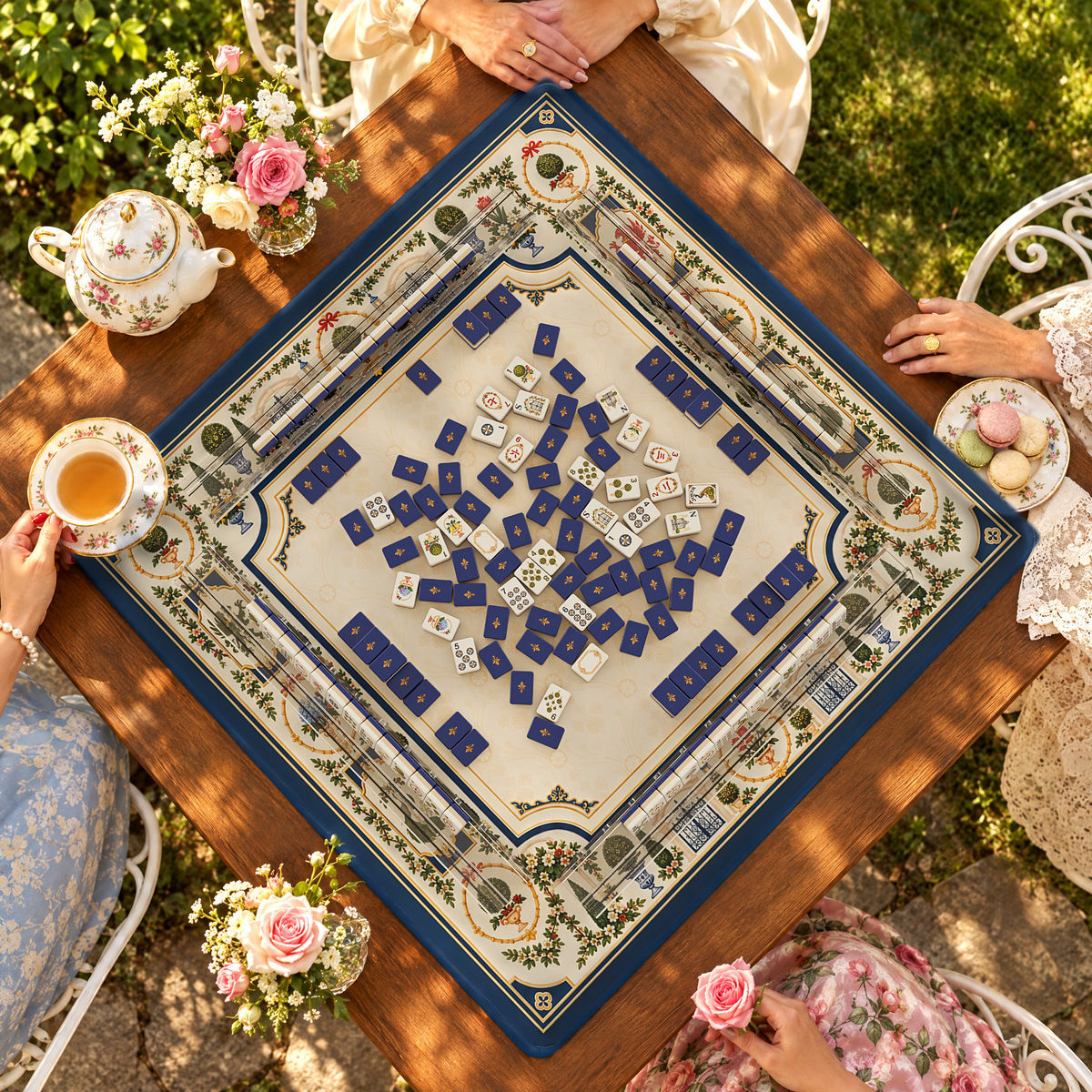
A mahjong table cover or mat is a fabric or vinyl playing surface that protects tiles, provides grip, and organizes the game layout. Mats typically rest on top of an existing table (usually 36–48 inches square), while covers drape over the entire surface. American mahjong players use them for every serious game—they reduce tile noise, keep tiles from sliding during the Charleston, and make dealing and organizing hands cleaner. The best-selling mahjong sets on our shelves usually ship alongside a mat or cover because most players buy them together. Prices vary by size, material (cotton, microfiber, vinyl, felt-backed), and whether you want engraved branding or seasonal themes. Choose based on your table dimensions, storage space, portability, and whether you host at home or travel to games.
What's the difference between a mat and a table cover?
A mat sits on top of your table; a cover drapes over all four sides. Mats are lighter, easier to store rolled up, and work on any table size. Covers need a fitted or elastic edge and turn your dining table into a permanent mahjong station. For weekly home games, a mat is faster to set up and pack away. For a dedicated game room, a cover transforms the whole table.
🀄 Shop best-selling mahjong sets →
How do you size a mat for your table?
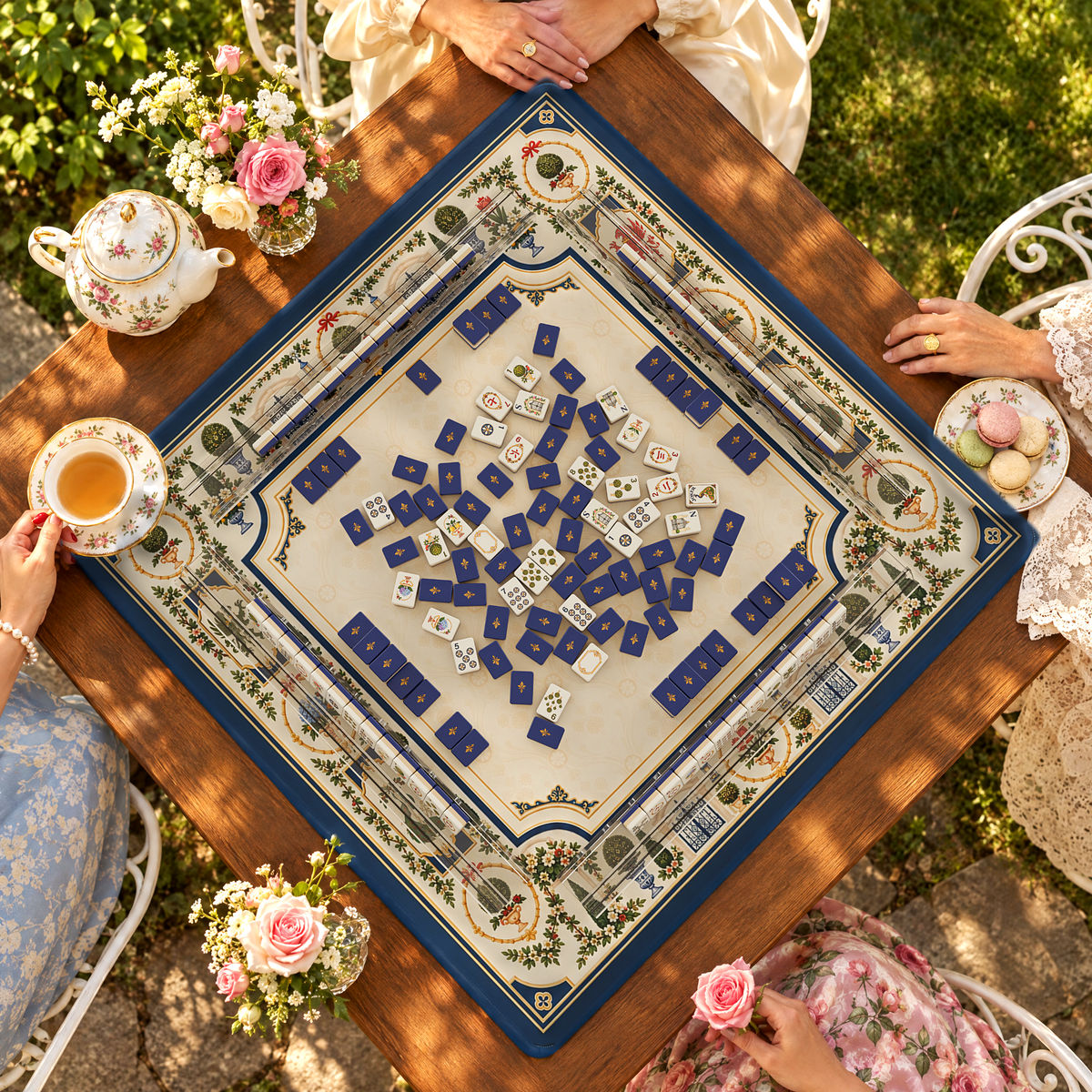
Measure your table's playing surface—the flat top where tiles sit. American mahjong needs roughly 36 inches square minimum; a 48-inch mat is ideal for four players who each want arm room. Add 2–4 inches on all sides if your table is slightly smaller; the mat will hang over a little and still grip. If your table is 30 inches square, a 36-inch mat will bunch slightly but work; anything smaller than 30 inches forces players too close. Check your table dimensions first, then order the next size up.
Which material holds up best in weekly play?
Cotton canvas mat linings grip tiles but absorb spills; wash by hand. Microfiber dries fast and resists staining; tumble dry or air dry works. Vinyl with felt backing won't grip tiles as well but cleans with a damp cloth in seconds. Felt-backed mats stay put on polished tables but slide on laminate without a nonslip base. For humid climates or frequent spills, vinyl wins. For groups that play indoors year-round in stable conditions, cotton or microfiber outlast vinyl by feel.
Material | Best for | Care | Grip on tiles | Longevity |
Cotton canvas | Home games, hand-washing habit | Hand wash, air dry | Excellent | 3–5 years |
Microfiber | Busy hosts, spill-prone tables | Machine wash warm, quick dry | Very good | 4–6 years |
Vinyl + felt back | Portable, low-maintenance play | Wipe clean, fold flat | Good | 2–4 years |
What color and design should you pick?
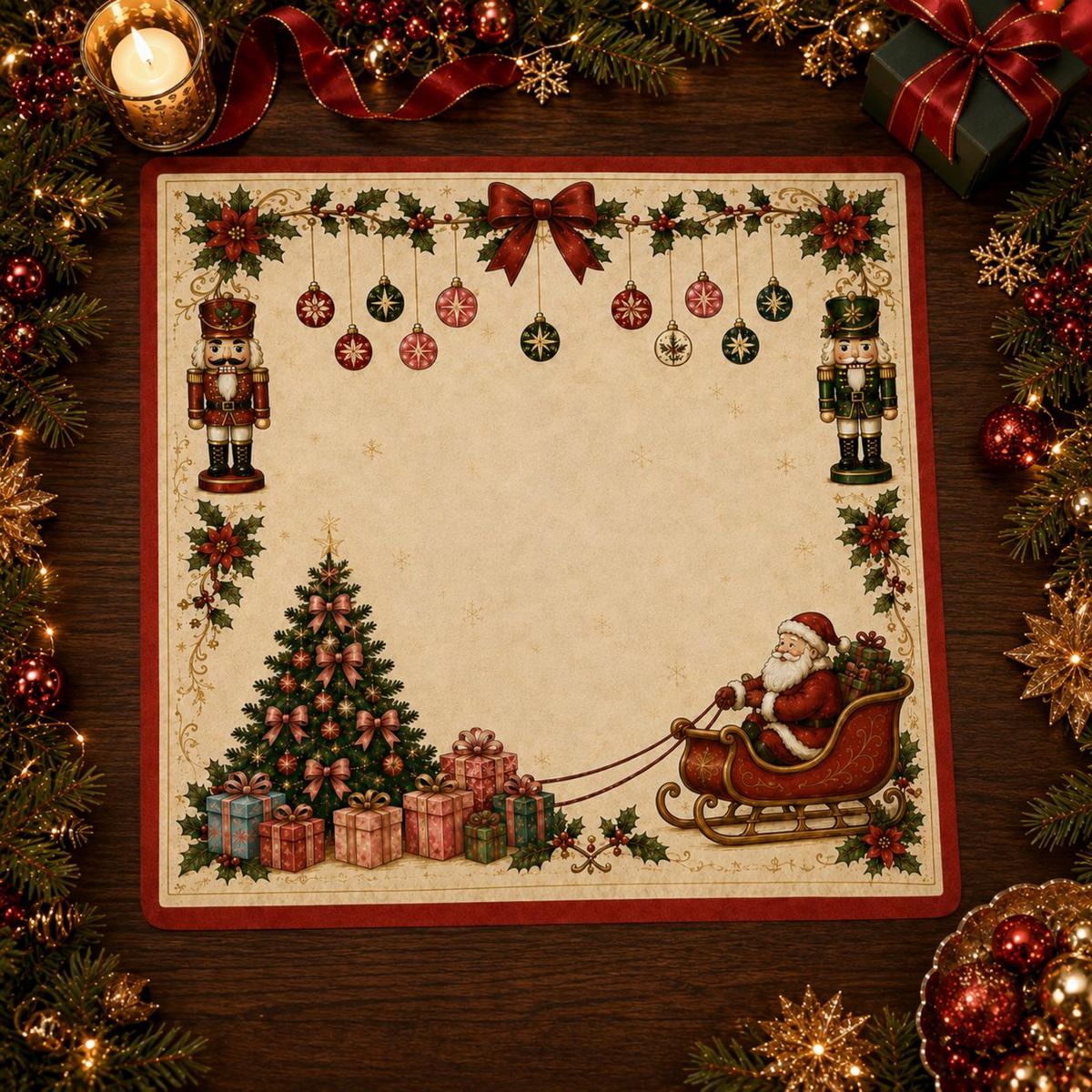
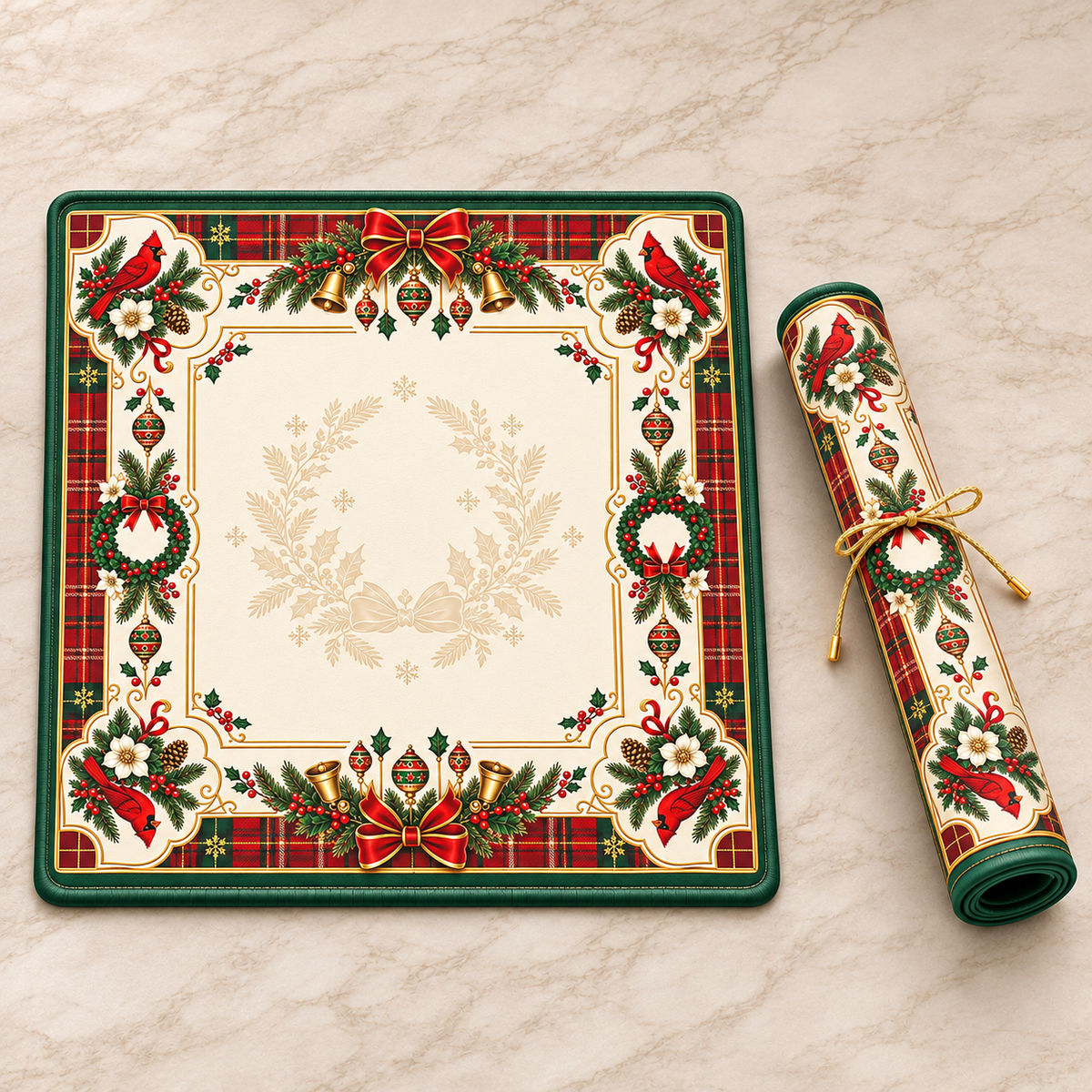
Solid green, burgundy, or black is timeless and doesn't distract. Engraved designs—like mahjong tile symbols, lucky phrases, or your group's name—add personality without glare. Seasonal or holiday themes (red for luck, silver for winter) work if you host multiple times yearly. Avoid bright white or glossy finishes; they reflect light and tire eyes. A mahjong mat collection includes both classic and custom designs—choose one that matches your table's décor and your group's vibe.
🎁 See our most-loved mahjong sets & accessories →
How do storage and portability fit the decision?
A rolled mat takes up a 12-inch-diameter tube; a 48-inch mat weighs 2–3 pounds rolled. Table covers need a flat storage shelf or closet rod because folding creases the vinyl or fabric. If you rotate hosting or travel to neutral venues, a mat in a travel bag with your set and racks with pushers fits in a car easily. If you host in the same place every week, a cover stays on the table and requires zero setup. Frequent travelers: choose a mat. Permanent home-game hosts: a cover is worth the space.
What to check before you buy
Size: Measure your table's top surface, then pick the mat size that equals or exceeds those inches. Material: Cotton and microfiber grip better; vinyl cleans easier. Choose based on your play style and climate. Edges: Confirm the mat or cover won't bunch or shift when tiles are pushed across it. Felt-backed or nonslip bases prevent sliding. Thickness: Thicker mats (¼ inch or more) dampen tile noise better and last longer under heavy use. Portability: A mat rolls; a cover folds or needs a bag. Pack it into your weekly game routine. Design: Pick a color and finish that won't glare and that matches your group's aesthetic. Compatibility with accessories: Make sure your mat fits under your tile racks and pushers without bunching.
✨ Find your Mahstead set — free US shipping →
We host weekly games in Dallas, and the right mat changed how our table feels. We started with a bare Formica tabletop—tiles slid around, the Charleston took forever, and the noise was loud. After we added a 48-inch cotton mat, the game tightened up: tiles stayed put, dealing was quieter, and setup took half the time. When we travel to friends' houses, we roll the mat into a bag, and it's ready in seconds. A mat or cover isn't luxury; it's infrastructure. Pair it with best-selling sets and racks and your game scales from casual to serious without replacing anything else.
FAQ
Can I use a yoga mat or tablecloth instead of a mahjong mat?
A yoga mat is too thick and bounces tiles; a regular tablecloth slides and bunches. A mahjong mat is specifically weighted and textured to grip tiles and stay flat under play. It's a small investment that protects your tiles and your table.
How often do I need to replace a mahjong mat?
With weekly play and hand washing, a cotton or microfiber mat lasts 3–5 years. Vinyl lasts 2–4 years. If tiles start marking the surface or the backing peels, it's time to replace it. Most players upgrade every 4–6 years.
Do I need a mat if I have a dedicated mahjong table?
If your table has a built-in felt surface, a mat isn't necessary. If your table is wood, laminate, or Formica, a mat or cover protects it from spills, scratches, and tile wear. It also improves grip during the Charleston.
Can I use the same mat for 152-tile and 160-tile sets?
Yes. A 36- or 48-inch mat accommodates any standard American mahjong set. Tile count doesn't change table size; the mat's playing surface is the same.
What's the best mat size for a 36-inch table?
A 36-inch mat fits perfectly but leaves no overhang; a 40-inch mat is better if you have extra space. If your table is 36 inches, order a 40-inch mat so it won't shift or curl at the edges under play.
Should I buy a mat with my mahjong set or separately?
Buy them together. A set, mat, and racks with pushers form a complete game system. Ordering separately often costs more. Check if your set retailer bundles them.


View More
View More
View More
