
How Many Tiles in Sanma Mahjong: Variant Rules Explained
Last updated: Nov 23, 2026
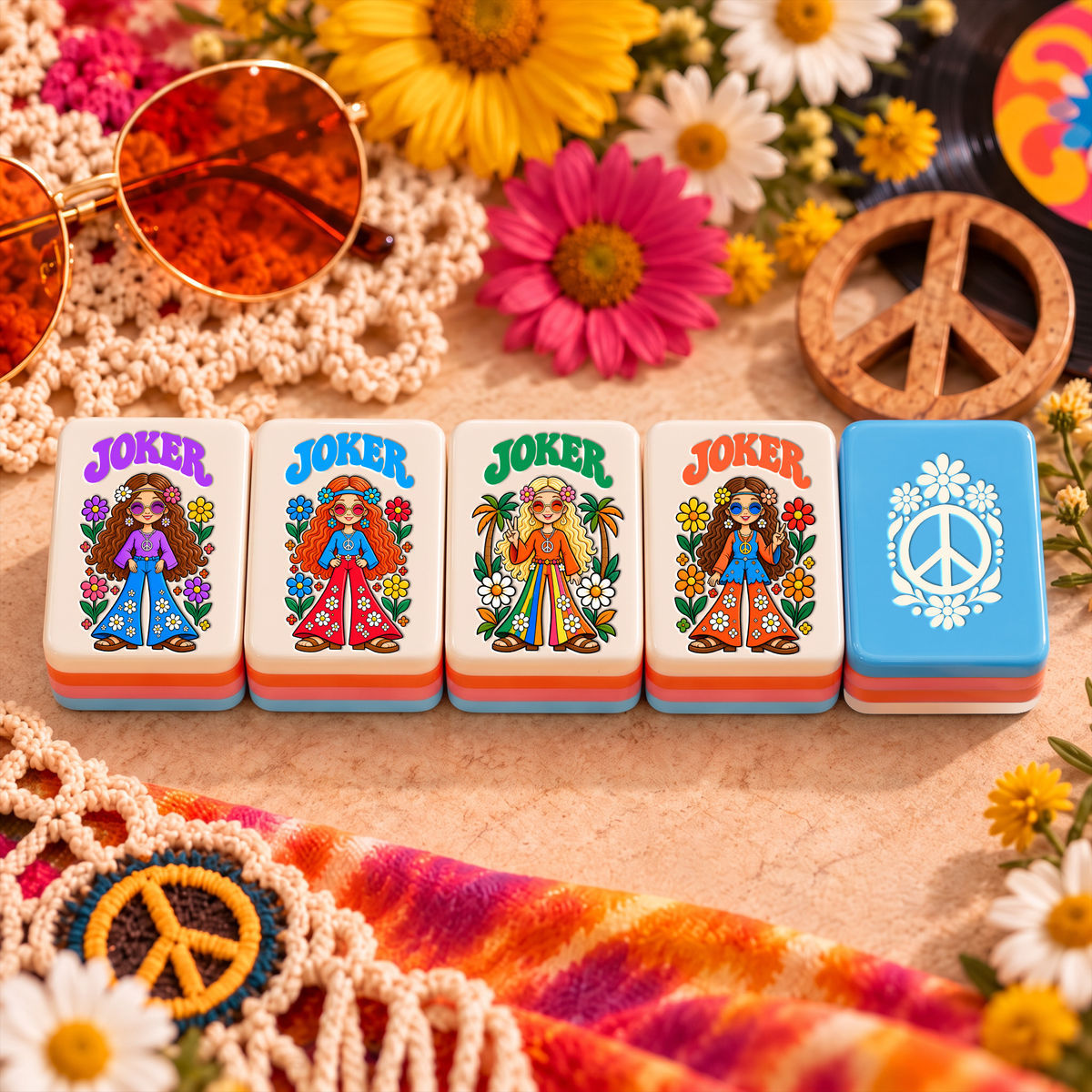
Sanma mahjong uses exactly 108 tiles: the three suits (Bams, Craks, Dots) in numbers 1–9, with four copies of each, giving 36 tiles per suit. No winds, dragons, flowers, or jokers appear in sanma. The name means "three ma"—it's played by exactly three people, each drawing 16 tiles at the start and playing to win a hand within one tile type (no mixed suits as in American mahjong). Sanma is faster and simpler than four-player variants, popular in Japan and among players who want a quicker round. If you own a standard best-selling mahjong set, you have more than enough tiles—just set aside the 108 suited tiles and ignore honors. Sanma teaches hand-reading and tile probability quickly; many players use it as a teaching tool or casual filler game between full rounds.
Sanma mahjong strips the traditional game down to 108 tiles, removing all winds and dragons. We explain the rules, tile count, and how to play this faster three-player variant with the right equipment.
What tiles does sanma mahjong actually use?
Sanma uses only the three number suits: Bams (1–9), Craks (1–9), and Dots (1–9), with four copies of each number. That's 36 tiles × 3 suits = 108 tiles total. No terminals, honors, dragons, flowers, or jokers enter play. The 1 Bam shows a bird, and the 5 Crak traditionally features a special image, but they function as normal numbered tiles. If you own a standard 160-tile acrylic American set, the honor tiles and jokers simply remain unused during sanma rounds.

How many players, and what's the deal structure?
Sanma is always three-player—never four, never two. The dealer draws 16 tiles, the other two players draw 16 each (48 tiles dealt). The wall holds the remaining 60 tiles. Each player starts with a 14-tile hand plus the draw pile; winning requires a hand of all one suit (a "flush" or "all melds from one family"). No mixed-suit hands exist in sanma, and no honors to fill gaps—it forces tight, focused play and teaches tile efficiency fast.
How does sanma play differ from American or Chinese mahjong?
American mahjong requires four players, uses 152 tiles including honors and jokers, and winning hands mix suits with specific patterns from an annual card. Sanma uses 108 tiles, three players, and one simple winning rule: all melds from one suit only. Chinese mahjong (Cantonese or Mandarin) also seats four and allows chows (runs like 1-2-3); sanma forbids them entirely. Hong Kong mahjong uses four players and includes a wider tile set. Sanma is the shortest learning curve and fastest round—perfect for a lunch break or teaching newcomers hand structure and probability without the complexity of multiple suits.
Why do players choose sanma for weekly games?
Sanma rounds finish in 15–25 minutes versus 45–90 minutes for American or Chinese four-player games. The three-player format removes the "dead seat" problem (waiting for your turn when far from the dealer). Because only one suit counts for a win, reading the board and tracking what's safe becomes transparent and exciting—new players grasp it in one demo hand. Veterans use sanma to sharpen their tile-reading and speed judgment. Many groups play sanma as a warmup or breaker between longer American rounds, or as a teaching game for recruits who aren't ready for the National Mah Jongg League card yet.

What equipment do you actually need to play sanma?
You need exactly 108 tiles (the three suited tiles from any standard set), a flat surface, and a way to shuffle and keep score—pen and paper work fine. You don't need racks, pushers, jokers, dragons, or a printed card. However, many sanma players appreciate a mahjong mat to define play space and protect the tiles, and racks with pushers help three players organize hands neatly and call tiles faster. If you play sanma regularly at home or a club, a travel bag or case keeps your 108 tiles and mat portable. A best-selling acrylic set covers all bases: keep the honors bagged as spares, and you're equipped for sanma, American, and teaching variants.
Setup | Player Count | Tile Count | Suit Types | Winning Rule | Game Length |
Sanma | 3 | 108 | Bam, Crak, Dot only | One suit only | 15–25 min |
American | 4 | 152 | Bam, Crak, Dot + Honors | Card-based patterns | 45–90 min |
Chinese | 4 | 144 | Bam, Crak, Dot + Honors | Chows + pungs allowed | 30–60 min |
Hong Kong | 4 | 136–152 | Bam, Crak, Dot + Honors | Chows + special hands | 45–75 min |
🀄 Shop best-selling mahjong sets →
Common mistakes in sanma and how to avoid them
Mistake 1: Mixing suit rules. In sanma, a winning hand is all Bams, or all Craks, or all Dots—never a blend. New players often try to mix suits like they would in American mahjong and get confused. Solution: before the first hand, clearly state the suit for the round. Mistake 2: Using honor tiles by accident. Keep winds and dragons in a pile off the table so no one draws them by mistake. Mistake 3: Forgetting the 16-tile starting hand. Sanma differs from four-player Chinese mahjong (typically 13 start + 1 draw). Confirm your house rule before play—most sanma groups use 14 start + 1 draw, not 16 + 0. Mistake 4: Playing without pushers when three people share a small table. Hands cluster, tiles slip, and calls get missed. A simple rack-and-pusher set prevents chaos and speeds up tile management.
🎁 See our most-loved mahjong sets & accessories →
Sanma scoring and settlement
Most sanma groups use a simple point system: winner scores a fixed amount per loser (e.g., 1 point per player), or they score based on hand difficulty (a quick all-pair pung win vs. a slower drawn-out win). Some groups use a "payment pot"—each player antes before the hand, winner takes the pot. Unlike American mahjong, which uses the National Mah Jongg League card's detailed point scale, sanma scoring is set by house rule and is typically much faster. Agree on points before the first hand and write them down. If you play sanma weekly, a simple scorecard kept with your travel case will help you track league standings.
What to check before you buy a set for sanma
Tile count: Sanma requires only 108 tiles, so a full 160-tile set is overkill—but it works, and gives you flexibility to play American or Chinese games too.
Tile size and weight: Check that tiles feel comfortable to shuffle and hold in one hand for all three players. Acrylic tiles are durable and quiet.
Readability: Sanma relies on fast tile recognition. Make sure numbers and suit symbols (bird for Bam, character for Crak, dot for Dot) are clear and large enough for your eyesight.
Storage: If you play sanma only, you might store just the 108 suited tiles. A small pouch inside a travel bag keeps them separate from spares.
Table space: Three players need less table space than four, but a mat helps define zones and prevents tiles rolling onto laps. A mahjong mat sized for three players (roughly 30–36 inches square) is ideal.
✨ Find your Mahstead set — free US shipping →

FAQ
Can I play sanma with a standard American mahjong set?
Yes. Use only the 108 suited tiles (Bams, Craks, Dots 1–9 × 4 each). Set aside the winds, dragons, flowers, and jokers—you won't need them. A standard 160-tile Mahstead set gives you more than enough.
Do I need to use the National Mah Jongg League card for sanma?
No. Sanma has one winning rule (all melds from one suit). The card is only for American four-player mahjong. Sanma is simpler and doesn't require a card.
How many tiles does each player draw at the start of sanma?
The dealer draws 16, each other player draws 16, then the dealer draws 1 more to start their hand at 14. Total dealt = 48 tiles; wall = 60 tiles. House rules vary—always confirm before you play.
Is sanma faster than American mahjong?
Yes. Sanma rounds typically finish in 15–25 minutes versus 45–90 minutes for American four-player games. The single-suit winning rule and three-player format make sanma quicker and more transparent.
What's the best way to store a sanma-only tile set?
Keep the 108 suited tiles in a small pouch or inside a travel bag or case. If you own a full 160-tile set, separate the suited tiles from honors and jokers to avoid accidental use during play.
Can three people play American mahjong?
Not by the official rules. American mahjong is designed for exactly four players. If you have three people, sanma or a house-rule variant of two-player mahjong is a better choice. See 2 and 3 player mahjong rules for alternatives.


View More
View More
View More
