
How Many Tiles in Changsha Mahjong: The Complete Guide
Last updated: Nov 23, 2026
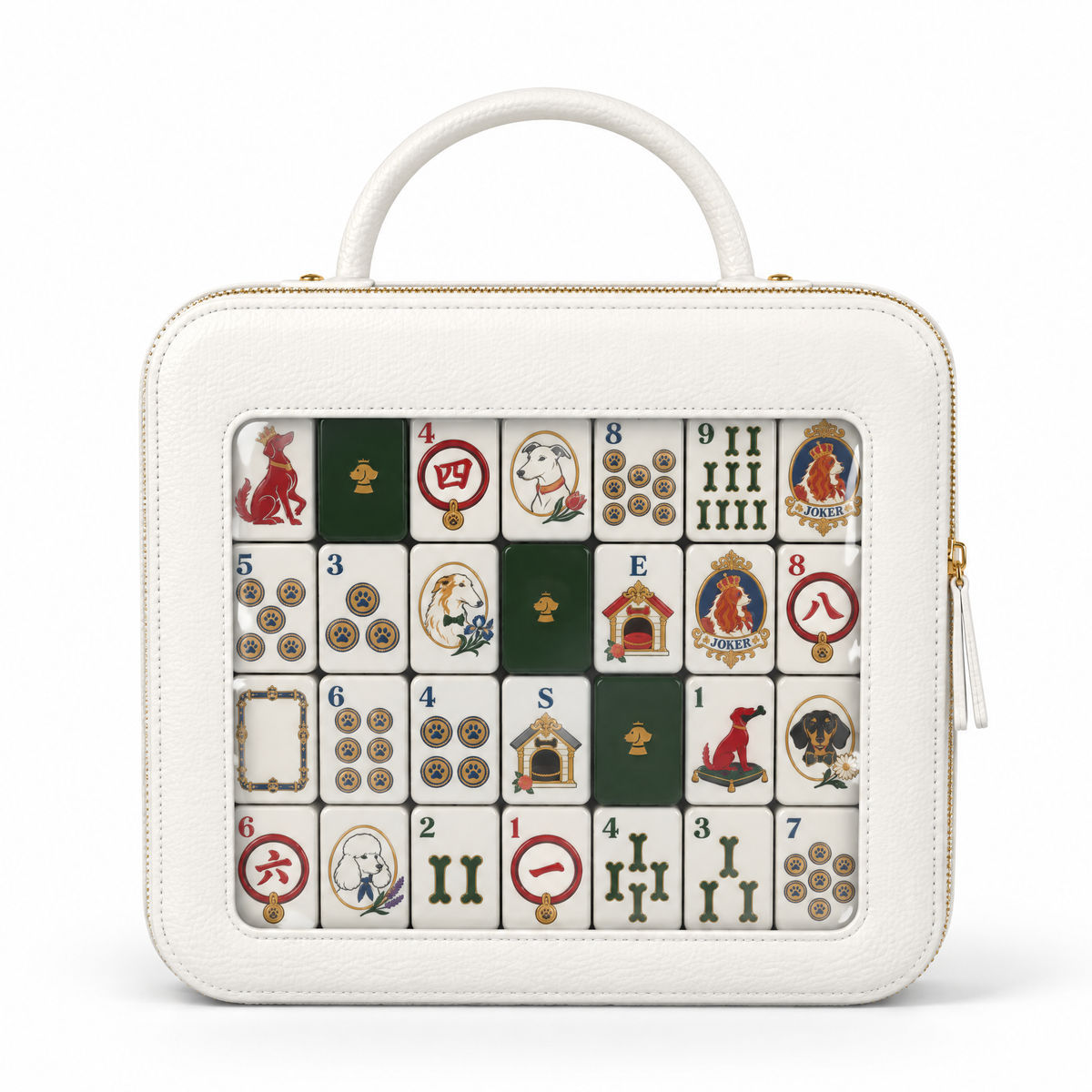
Changsha mahjong uses 108 tiles total: 36 Bam tiles (1–9 in four copies each), 36 Crak tiles (1–9 in four copies each), and 36 Dot tiles (1–9 in four copies each). There are no wind or dragon tiles in the base set. Some regional variants add flower or season tiles, but the core 108-tile set is standard across Changsha play. The game draws from a shuffled wall of 108, with players holding tiles and discarding to a discard pile. Unlike American mahjong, Changsha allows chows (sequences like 1–2–3) and melds can be called directly from the discard pile. Most players use plastic or bamboo tile sets designed specifically for Chinese variants—very different from the acrylic American sets with built-in pushers and jokers that we stock at Mahstead.
Changsha mahjong—rooted in Hunan province and played widely across central China—operates on a streamlined 108-tile system. We'll walk through exactly what tiles you need, how the game flows, and the key differences from American mahjong rules.
What exactly goes into a Changsha mahjong set?
A Changsha set contains three suits of tiles numbered 1–9, with four copies of each tile. That's 36 Bam tiles (often showing a bamboo stick), 36 Crak tiles (a symbol or character), and 36 Dot tiles (circles). No wind tiles (North, East, West, South), no dragons, no flowers, no jokers—just the three number suits. Some regional versions include flower or season tiles for bonus points, but those are optional. The deck is shuffled into a wall, tiles are drawn, and play begins.

How does the tile count differ from American mahjong?
American mahjong uses 152 tiles: three number suits (36 tiles each), 16 wind tiles, 12 dragon tiles, 8 flower tiles, and 8 jokers—all designed to support the rigid hand patterns printed on the annual National Mah Jongg League card. Changsha uses 108 tiles because melds are called dynamically during play; there's no pre-printed hand card, and no jokers to substitute. The entire game logic shifts: you can form chows (consecutive runs), exposed melds come directly from discards, and points are calculated on the fly based on what you meld and how you win. A Changsha player learning American mahjong often finds our 152-tile structure baffling; an American player picking up Changsha feels the rules are more fluid and faster-moving.
Which tiles are used most—and which cause confusion?
The most-called tiles in Changsha are the middle-rank number tiles (4, 5, 6 across all suits) because they sit in the center of the numeric range and form chows easily: 3–4–5, 4–5–6, 5–6–7. Terminal tiles (1 and 9) and honor combinations matter less in Changsha than in Hong Kong or Taiwanese variants. Confusion usually arises when American players expect jokers (which don't exist in Changsha) or when someone assumes wind tiles are in play—they aren't. Another common mistake: assuming a chow is impossible. In Changsha, you can claim a discard to extend a sequence; American mahjong forbids sequences entirely. If you're switching between variants, the tile list is a good anchor: write down "108, three suits only" before you start.
Can you actually use an American mahjong set to play Changsha?
Technically, yes—but you'd waste most of the set. An American set includes winds, dragons, flowers, and jokers that Changsha doesn't use. You'd need to sort out 108 tiles (the four copies of 1–9 in each suit) and leave the rest in the box. You'd lose the rack pushers and mat designed for American layouts. Many players do this for travel or experimentation, but it's inefficient. If Changsha is your primary game, seek a set made explicitly for the Chinese variant. Our best-selling collection focuses on American mahjong sets with acrylic tiles and built-in pushers—not ideal for Changsha—but if you play both variants, storing both sets is practical.

What rules do you actually play differently in Changsha?
Changsha has no jokers, so substitution doesn't happen the way it does in American mahjong. Melds (pung, kong, and chow) are called aloud and exposed in front of you as they're claimed from discards. You cannot form a closed quint or sextet the way American players can. Winning hands are rarely "prepared" the way they are on an American card; instead, you declare a win when you complete a legal combination. The Charleston (American mahjong's tile-passing ritual) doesn't exist in Changsha. Wall-breaking, drawing, and discarding proceed at a brisk pace. Scoring is often simpler: a win is worth base points plus bonuses for melds or special conditions, with no reference to a printed card. If you're hosting players from both worlds, spell out the ruleset clearly and keep a rules sheet on the table.
Quick comparison: Changsha vs. American tile composition
Aspect | Changsha | American |
Total tiles | 108 | 152 |
Number suits | 3 (Bam, Crak, Dot) | 3 (Bam, Crak, Dot) |
Wind tiles | None | 16 (4 each direction) |
Dragon tiles | None | 12 (Red, Green, White) |
Flower tiles | Optional | 8 (2 sets) |
Jokers | None | 8 |
Chows allowed | Yes (called and exposed) | No |
Rules reference | Regional tradition | Annual League card |
🀄 Shop best-selling mahjong sets →
What should you check before buying a Changsha set?
Look for sets labeled explicitly as "Changsha mahjong" or "Chinese mahjong 108 tiles." Verify the tile count on the box or product description—some sellers mix Changsha with other Chinese variants and don't specify. Check whether the tiles are plastic (light, fast-moving) or bone/bamboo (traditional, heavier feel). Confirm whether flower or season tiles are included; if you play a specific house rule that uses them, you need to know. Examine the tile size; Changsha tiles are often smaller than American acrylic tiles, so hand fit and comfort matter. Make sure the set includes a rack or carrying case if you travel to games. Test the tile faces for clarity—characters or symbols must be easy to read across the table.
🎁 See our most-loved mahjong sets & accessories →
Where do you find players and games in your area?
Changsha mahjong thrives in Chinese cultural centers, community centers in neighborhoods with large Hunan or Chinese populations, and informal home games. Search community boards, WeChat groups, or local library bulletin boards for "mahjong" plus your city name. Many cultural associations and senior centers host weekly or monthly games; call ahead and ask about the house ruleset—some groups play Changsha, others play Taiwanese or Hong Kong variants. Online platforms also exist for video mahjong, though nothing beats in-person play with tiles and pushers. Once you locate a group, watch a few rounds before joining; each region has its own point system and meld scoring, and house rules vary.
Is Changsha worth learning if you already play American mahjong?
Yes, if you enjoy the strategic flexibility of real-time meld calling and sequences. American mahjong is rigid and pattern-dependent; Changsha is dynamic and reactive. You'll develop faster tile-reading skills and learn to spot chows and pungs on the fly. The learning curve is gentler than you'd expect—if you know the three suits and how to count, you can play a basic game within an hour. The main mental shift is giving up the "find it on the card" mentality and trusting your judgment on legal hands. Many players who master both variants say Changsha keeps them sharp and American mahjong keeps them patient. If you host both games, keep tiles, mahjong mats, and racks separate so players know which variant is running.
✨ Find your Mahstead set — free US shipping →
What to check before you buy
Tile count: Confirm 108 tiles, not 144 or 152.
Suit composition: Verify all four copies of 1–9 in Bam, Crak, and Dot; no winds, dragons, or jokers.
Optional tiles: Clarify whether flowers or seasons are included and whether your game rules use them.
Tile material: Choose plastic for speed, bone/bamboo for tradition and weight.
Set size: Check that tiles fit in your hand comfortably and that any carrying case or rack is included.
Readability: Ensure symbols and numbers are clear and not worn.
Regional variant: Ask the seller or players in your area which specific Changsha house rules apply (point scoring, meld bonuses, winning conditions).

FAQ
Is Changsha mahjong played competitively, or just casually?
Both. Casual home games dominate in Hunan, but regional tournaments and organized clubs exist across China. Most Western players encounter it socially. House rules vary widely, so competitive play relies heavily on agreement before the first hand.
Can I play Changsha mahjong with three or two players instead of four?
Yes, but you'll need to adjust wall-breaking and hand sizes. Most three-player versions use 90 or 99 tiles and remove specific tiles to balance. Two-player Changsha is rare; most players switch to other variants for that setup.
What's the fastest way to learn Changsha if I already play American mahjong?
Forget the card, memorize the 108-tile list, and watch five hands live. Learn one meld at a time (pung, then kong, then chow). Play with patient teachers who call out melds and explain scoring. Muscle memory builds faster than rule reading.
Do you need special pushers or racks for Changsha tiles?
No. Changsha tiles are smaller and lighter than American acrylic tiles, so American racks with pushers don't fit well. Most Changsha players hold tiles in a long row and sort by hand. Some use simple plastic racks without pushers.
Where can I buy authentic Changsha mahjong tiles in the US?
Online Chinese retailers, Amazon marketplace sellers, and specialty import shops. Search "Changsha mahjong 108" or "Chinese mahjong set." Verify the tile count and material in the description before purchasing. Prices range widely based on material and finish.
How do points work in Changsha compared to American mahjong?
American mahjong uses complex card-based point spreads; Changsha awards base points for a win plus bonuses for concealed melds, self-drawn tiles, or special combinations. Most Changsha games settle per-hand or per-round. House rules determine exact scoring.


View More
View More
View More
