
How Long Does a Mahjong Game Last?
Last updated: Nov 23, 2026
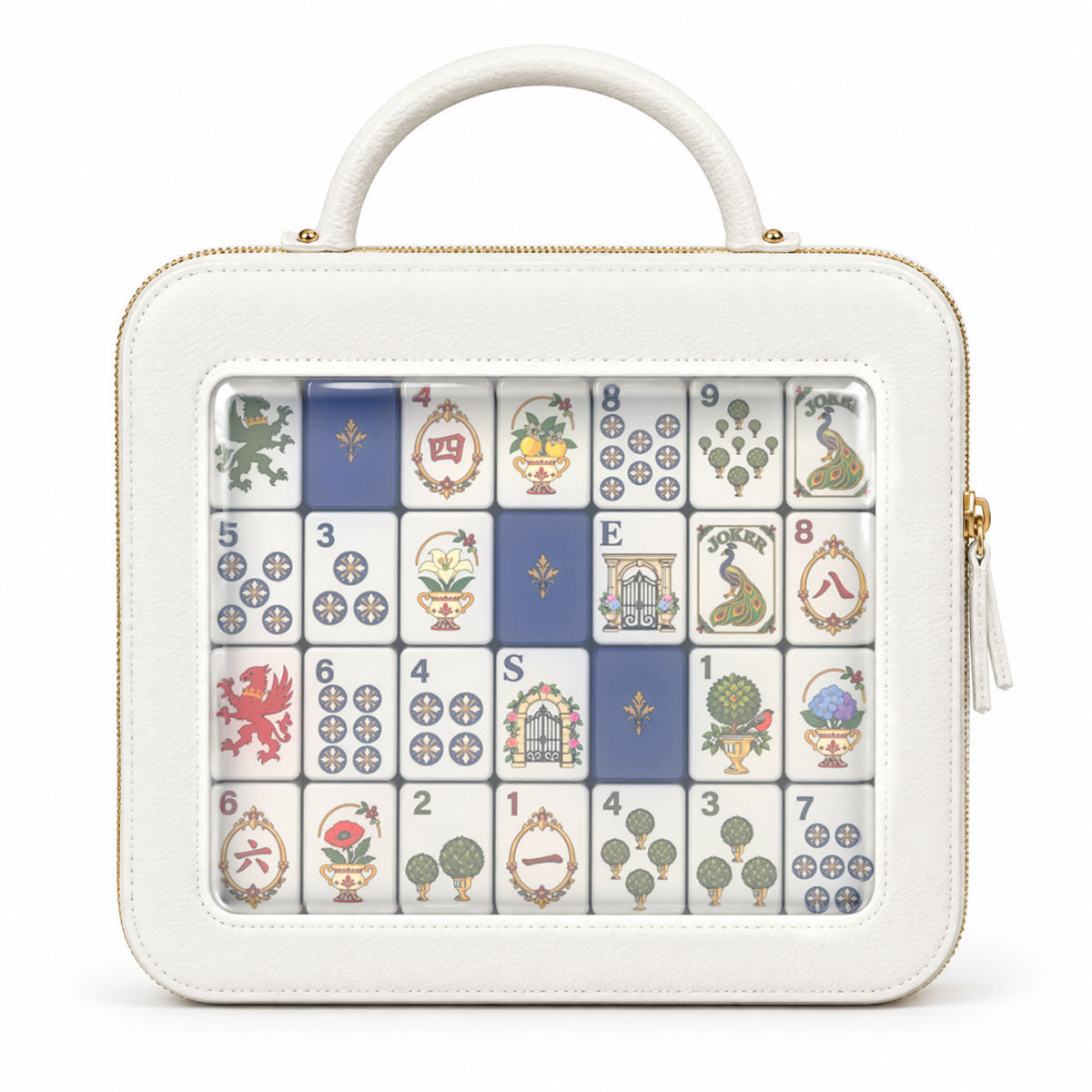
A single hand of American mahjong typically lasts 30 to 90 minutes for four players of mixed experience. Most hands resolve in 45–60 minutes once players understand the National Mah Jongg League card and tile draws. Game length depends on player skill (beginners add 15–30 minutes per hand), how quickly tiles are recognized, whether jokers appear early (which shortens play), and how many hands you plan to complete. A typical weekly session runs 3–4 hours and includes 4–6 hands. We use a standard 160-tile set with eight jokers; faster recognition of patterns reduces dead time between draws. Allow 10–15 minutes for the Charleston (the tile-passing ritual before the first hand begins) and reshuffle breaks between hands.
Why do beginner hands take longer?
Beginners spend 10–20 minutes per hand simply reading the current year's National Mah Jongg League card, comparing tile combinations to valid hands, and deciding which tiles to discard. Experienced players glance at the card and make decisions in 3–5 seconds. New players also take longer turns: they hesitate before placing a tile, uncertain whether a discard helps opponents. Once you've played 20–30 hands, your card fluency jumps dramatically and hand length shrinks to 40–50 minutes.

What slows down the mid-game phase?
The middle 4–8 draws involve the most deliberation because nobody has a clear hand yet and the discard pile contains only a few tiles to track. Players study multiple card sections, reevaluate their strategy with each draw, and count remaining tiles. If the game stalls (no one can claim a discard for 5–8 rounds), this phase alone can stretch 20–30 minutes. Jokers drawn early break the log jam: a joker in hand lets you use it as a wild tile in your pung, kong, or other exposure, accelerating hand completion and ending the round faster.
How does hand complexity affect duration?
A hand requiring five or six matching groups from the card takes longer to construct than a simple 3-3-3-3-3 pattern (three identical tiles in each of five groups). Hands with mixed suits, honors, terminals, and only one or two joker slots demand careful tile counting and strategic thinking. We reference the current year's card structure, not past years' patterns. Hands with six joker slots resolve in 25–35 minutes because the joker flexibility means fewer exact tiles must match. A hand with zero joker slots can stall for 45–90 minutes if tiles are poorly distributed among the draw pile.
How many hands fit in a typical session?
Most of us play a 3–4 hour weekly session and complete 4–6 hands. A casual evening with snacks and conversation yields 3–4 hands. A focused tournament-style session does 6–8 hands in the same time. Each hand ends when one player says "mahjong" (having completed a legal hand using the current year's card), then the tiles are reshuffled. A reshuffle takes 3–5 minutes if players are organized; expect 8–10 minutes if tiles are scattered or the bag or case isn't handy. The Charleston happens only before the first hand of the session, saving time in subsequent rounds.
What's the difference across mahjong variants?
Variant | Typical hand length | Why it varies ---|---|--- American (NMJL card) | 45–75 min | Card-based hands; joker flexibility Chinese classical | 20–40 min | Fixed hand patterns, fewer combinations Hong Kong | 15–30 min | Rapid discards, fewer valid terminal hands Riichi (Japanese) | 40–60 min | Hand declaration mid-game speeds play Taiwanese | 30–50 min | Simpler hand structure than American
American mahjong's hand duration is longest because the yearly card introduces 100+ legal patterns and players must match exactly against the card each round—no improvisation allowed. Chinese and Hong Kong variants rely on memorized pattern sets, making tile recognition instant. If you learn only American mahjong, expect the 45–90 minute norm; mixing variants in a single session will confuse timing.
🀄 Shop best-selling mahjong sets →

How does player experience compress game time?
We've timed dozens of hands at our weekly tables and found this pattern:
First 5 hands: 80–90 minutes per hand (card learning, tile hesitation)
Hands 6–20: 50–65 minutes (card sections memorized, discard rhythm set)
Hands 20+: 35–50 minutes (instant pattern recognition, confident plays)
A new player sitting with three experienced players often extends the game by 15–20 minutes because the three experienced players speed up but pause for the newcomer's turn. A table of four new players: 90–120 minutes per hand. Teaching moments also add 5–10 minutes if someone asks "why can't I use that hand?" (answer: it's not on the card this year). The mahjong for beginners guide covers card basics; drilling those 10–15 key hand patterns before your first session cuts game time by 20 minutes.
Can you speed up a hand without rushing?
Yes. We've found these honest tactics cut 10–15 minutes per hand:
Pre-session card review (5–10 min): each player scans the card alone for their two strongest hand patterns before play starts.
Discard pile visibility: keep discards in clear rows of four, not scattered. This lets you count "how many 3 Bams have been thrown" in one glance instead of two.
Tile recognition: choose a set with clear tile design and large numerals; small or faded characters add 2–3 seconds per draw decision across a full hand.
Decide before your turn: when you're not drawing, study the card and decide your next discard now, not later.
Joker discipline: if you hold a joker, know exactly which tile it's standing in for so you don't re-evaluate it four times.
Rushing leads to misreads (playing a tile you can't—game stops), disputes over what's on the card, and frustration. These five methods keep the game smooth and decision-heavy but not dawdling.
🎁 See our most-loved mahjong sets & accessories →
How do sets and mats affect pacing?
A well-designed mahjong mat with clear zones for discard piles and hand racks cuts confusion and speeds turns. Flimsy tiles that stick or don't stand upright add 1–2 seconds per draw. Worn or discolored tiles force players to hold them close to read them, adding hesitation. An acrylic set with crisp numerals and distinct suit markers means players recognize tiles 2–3 seconds faster than bamboo or bone sets with artistic calligraphy. Racks with pushers let you organize tiles by suit and number during the Charleston, reducing sort-time by 3–5 minutes before hand one. Over a 4-hour session, the right equipment saves 20–30 minutes total and removes friction that makes the game feel long or tedious.
What to check before you buy
Tile clarity: numerals and suit symbols should be visible from 18 inches away without squinting.
Tile weight and stand: tiles should stand upright reliably; soft or light tiles collapse, disrupting play and wasting draw time.
Set completeness: ensure you have exactly 152 playing tiles (108 suit tiles, 16 winds, 12 dragons, 8 flowers, 8 jokers) plus spare tiles in the set.
Mat size: a mat should accommodate four racks, a draw pile, and a discard zone; undersized mats force compressed play that feels rushed.
Carrying case or bag: if your group rotates hosting, a sturdy bag or case keeps tiles organized and ready, cutting setup time from 10 minutes to 3.
✨ Find your Mahstead set — free US shipping →

FAQ
How long does a single tile draw take?
A single draw and discard (one player's full turn) averages 8–15 seconds for experienced players, 20–35 seconds for beginners. With 16–24 total draws per hand, turn time alone adds 4–14 minutes to game length.
Do jokers shorten a game?
Yes. Jokers drawn in the first 10 tiles often shorten play by 15–25 minutes because they act as wild tiles in pungs, kongs, or other groups. A hand with zero early jokers can stall an additional 20–30 minutes.
Why does the Charleston add 10–15 minutes?
The Charleston is the mandatory tile-passing ritual before the first hand: each player passes 14 tiles across the table in three stages. New players hesitate during passes; seasoned players complete it in 8–10 minutes, beginners in 12–15.
Can you play a hand in under 30 minutes?
Rarely. A hand with six or eight joker slots, drawn by four experienced players, can finish in 25–30 minutes. Standard play is 45–60 minutes; treating 30 minutes as a realistic lower bound, not an average, keeps expectations honest.
Does one beginner at the table really add that much time?
Yes. One new player typically adds 12–18 minutes per hand because experienced players pause during their turns (to avoid confusion), and the beginner takes 2–3 times longer to recognize patterns and decide discards.
Why isn't American mahjong as fast as other variants?
American mahjong requires players to match hands exactly to the current year's National Mah Jongg League card—no improvisation. Chinese and Hong Kong mahjong use fixed memorized patterns that experienced players recognize instantly, making those variants 10–40 minutes faster per hand.


View More
View More
View More
