
How Long Do Plastic Mahjong Tiles Last?
Last updated: Nov 23, 2026
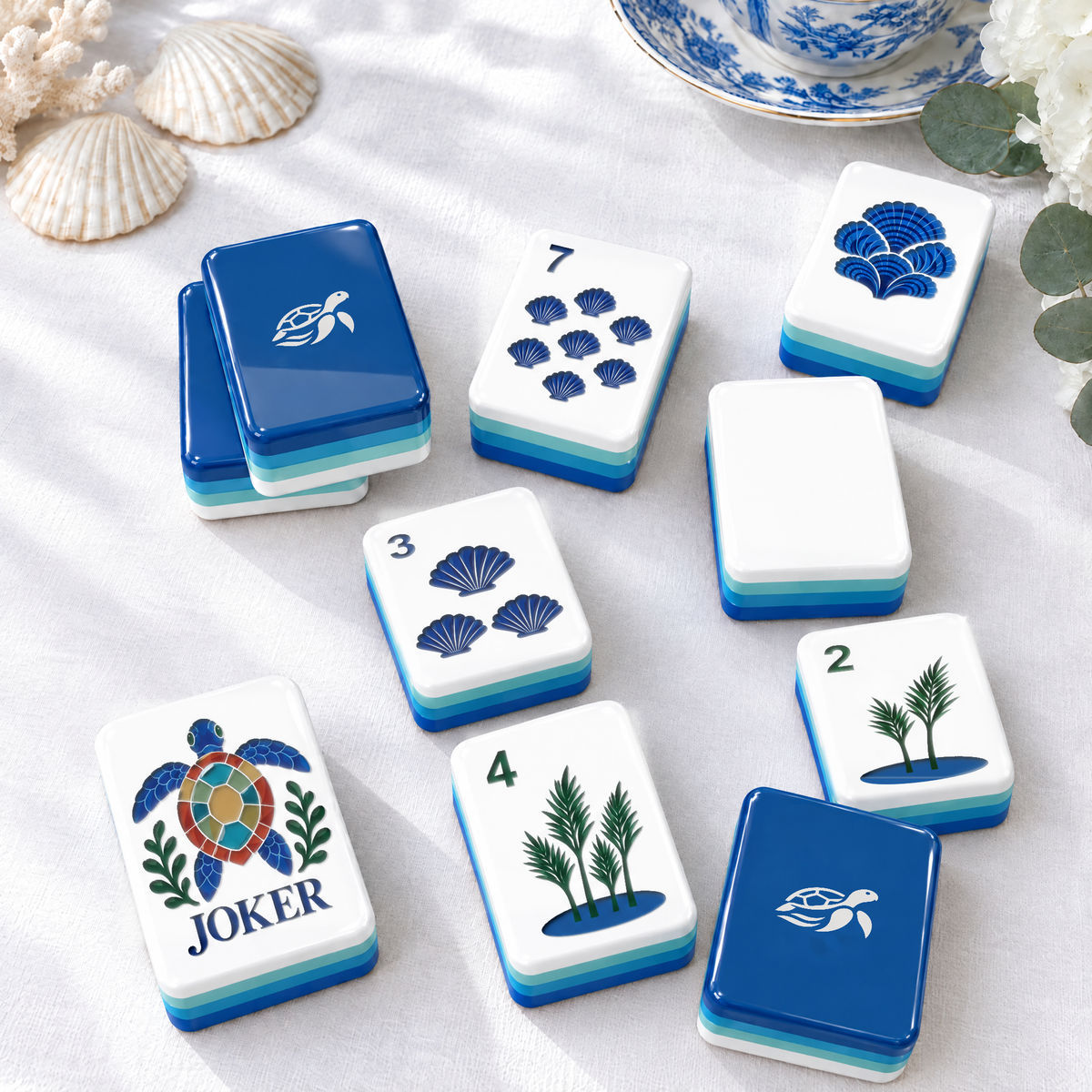
Quality acrylic American mahjong tiles last 10–20 years under typical weekly play—far longer than bamboo or bone sets from decades past. Lifespans vary by material (cast acrylic outlasts injection-molded), humidity control, and how often tiles are shuffled. Heavy daily games see surface wear and edge chipping after 5–7 years; casual monthly players report sets lasting 30+ years. Jokers—the most-handled tile in play—wear fastest. Storage in a climate-controlled bag or case slows fading and brittleness. Modern engraved American mahjong sets from quality makers hold detail and integrity far better than mass-market imports. Replacement typically becomes necessary when tile faces fade, edges crack, or jokers become unreadable—not because play fails, but because scorekeeping and strategy rely on instant visual recognition.
Acrylic American mahjong tiles are durable but not indestructible. Lifespan depends on play frequency, storage, and material quality.
We've hosted weekly games for years and watched a range of sets age very differently. Some tiles stay crisp after a decade; others cloud and chip after three seasons. The difference isn't luck—it's material, care, and how hard they work.
What makes acrylic tiles wear out?
Acrylic breaks down under friction, sun exposure, humidity swings, and impact. Every shuffle stresses edges; every tile stack risks a corner chip. Dryer climates preserve sets longer than humid ones, because moisture can make acrylic slightly softer and more prone to chipping. Jokers wear fastest—players handle them constantly during setup, the Charleston, and when swapping discards. A set played indoors weekly will show surface marks and possible edge wear within 5–10 years; the same set stored in a cool, dry closet might look nearly new after 20.
Direct sunlight fades tile faces and yellows whites and reds. Heat from a sunny window or car can warp acrylic slightly. Cold doesn't typically damage tiles, but rapid temperature swings (moving a set from a heated car into a cold house) can cause stress cracks, especially in older acrylic formulations.

How do you know when tiles are nearing end of life?
A tile is done when it no longer serves the game reliably. Early signs: faded engraved numbers or suit symbols (you squint to read them), small whitish cracks at corners, or a milky haze on surface. Jokers become unreadable fastest. If you've played the set 1–2 times per week for 8+ years, expect some visible aging; that's normal and doesn't mean the set is unplayable—it means you've gotten real value.
Play fails only if tiles crack deeply, faces become illegible despite good light, or jokers start sticking in a rack due to warping. At that point, shuffling frustrates scorekeeping and strategy suffers. We've seen sets hit this threshold between year 7 (heavy daily play) and year 25 (monthly casual play). A few sets we know have gone 30+ years without replacement, but those live in climate-controlled homes and see light play.
How does material type affect lifespan?
Cast acrylic (solid, poured into a mold) is denser and more durable than injection-molded acrylic (melted plastic forced into a mold under pressure). Cast tiles feel heavier and hold detail crisper; they resist yellowing longer and rarely warp. Injection-molded tiles are cheaper to produce but can feel slightly waxy and become brittle faster, especially in dry air. The best modern engraved American mahjong sets use cast acrylic with screen-printed or laser-engraved faces; these last noticeably longer than budget sets.
Bamboo and bone tiles, by contrast, last decades but are heavier, prone to cracking, and harder to sanitize. Composite or mixed-material tiles often fail sooner because different materials expand and contract at different rates, leading to separations and delamination. If your tiles have a laminated or bonded face (visible seams or layers), they're more fragile than solid-color cast acrylic.
Material | Typical Lifespan (Weekly Play) | Durability | Best For |
Cast acrylic, engraved | 15–20 years | Very high; resists fading & warping | Long-term, serious players |
Injection-molded acrylic | 8–12 years | Moderate; can yellow & become brittle | Casual, light play |
Bamboo/bone (vintage) | 20–50+ years | High; but heavier, cracks possible | Collectors, low-play storage |
Composite/laminated | 3–7 years | Low; layers separate, faces peel | Short-term use or gift |

What storage practice extends tile life the most?
Store tiles in a climate-controlled case or bag out of direct sunlight and away from heat sources. A padded mahjong bag or case protects edges, prevents moisture ingress, and keeps tiles at a stable temperature. Keep the set indoors in a room that stays 50–70°F and 30–50% humidity year-round. Avoid garages, attics, and damp basements.
Before storing, wipe tiles lightly with a dry microfiber cloth to remove dust and oils—don't use water or solvents, which cloud acrylic. Store the set in its original box inside a sealed bag if the closet temperature fluctuates. Never leave a set in a car, even in a protective bag; interior temps can spike well above 100°F and cause warping or joint stress in multi-piece tile assemblies.
Jokers are most at risk in storage; stack them flat rather than standing, so they don't warp from their own weight over years. We also recommend rotating which joker you use in play—holding a few in reserve slows wear significantly.
🀄 Shop best-selling mahjong sets →
When should you replace a set—and why it matters?
Replace tiles when faces become unreadable under normal table light or when edge cracks start to spread. If jokers are illegible, scorekeeping and game flow suffer immediately. If tiles stick in a rack due to warping, play becomes frustrating. A set that's cosmetically aged but fully readable and smooth is not ready for replacement; it can serve 5–10 more years.
Consider a replacement set before the old one fails completely—this prevents game cancellations and gives you time to learn a new set's feel. Many of us keep a worn set as a spare or backup for extra tables. A fully failed set (faces faded, jokers unreadable, edges chipped) can be repurposed as decoration or teaching tiles if the faces are still somewhat visible.
New sets from quality makers retain their sharpness and colors for decades. If you play weekly, expect to buy a set roughly every 15 years; casual players may buy one new set in a lifetime.
✨ Find your Mahstead set — free US shipping →
What to check before you buy a replacement set
Before ordering a new set, verify it's cast acrylic (not injection-molded or composite), check that faces are screen-printed or laser-engraved (not painted or stickered), and confirm the set includes a protective bag or case. Read close-up photos of tiles to see edge finish and face clarity. A set that costs more upfront typically outlasts a cheap set by 5–10 years, making it better value over time.
Avoid sets shipped in tissue paper without padding; they may arrive chipped or cracked, cutting lifespan immediately. Request a set packed in a protective bag or box. Our best-selling mahjong sets ship with packaging designed to prevent transit damage and arrive ready to play.
If you're a weekly player, invest in a cast-acrylic set and a padded mahjong mat to minimize surface contact wear. Paired with good storage, you'll likely never need to replace tiles again in your mahjong lifetime.
🎁 See our most-loved mahjong sets & accessories →

FAQ
Can I repair chipped tile corners?
Small chips don't affect play, but deep cracks will spread. Epoxy won't hold long in a frequently shuffled tile. Replacement is more cost-effective than repair.
Do laser-engraved tiles last longer than screen-printed ones?
Both last well if applied to quality cast acrylic. Laser-engraving is slightly more durable against oil and fading, but screen-printed tiles on good acrylic easily last 15+ years.
Why do some tiles become cloudy or milky?
UV exposure, humidity, or minor stress fractures cause haze. Moving a set from hot to cold quickly can trigger internal clouding that's irreversible.
Should I rotate my jokers to slow wear?
Yes. Jokers are handled most during setup and play. Keeping 2–4 in reserve and rotating them into the deck slows per-joker wear and extends overall set life.
How does humidity damage acrylic tiles?
High humidity (above 60%) softens acrylic slightly, making it more prone to cracking under impact and compression. Dry air (below 30%) can make acrylic brittle but doesn't cause warping.
What's the cheapest way to extend tile life?
Store in a padded bag in a cool, dry closet; wipe tiles dry after play; avoid shuffling on rough surfaces; and minimize direct sunlight. Cost: one bag, massive lifespan gain.


View More
View More
View More
