
How Long Do Engraved Mahjong Tiles Last?
Last updated: Nov 23, 2026
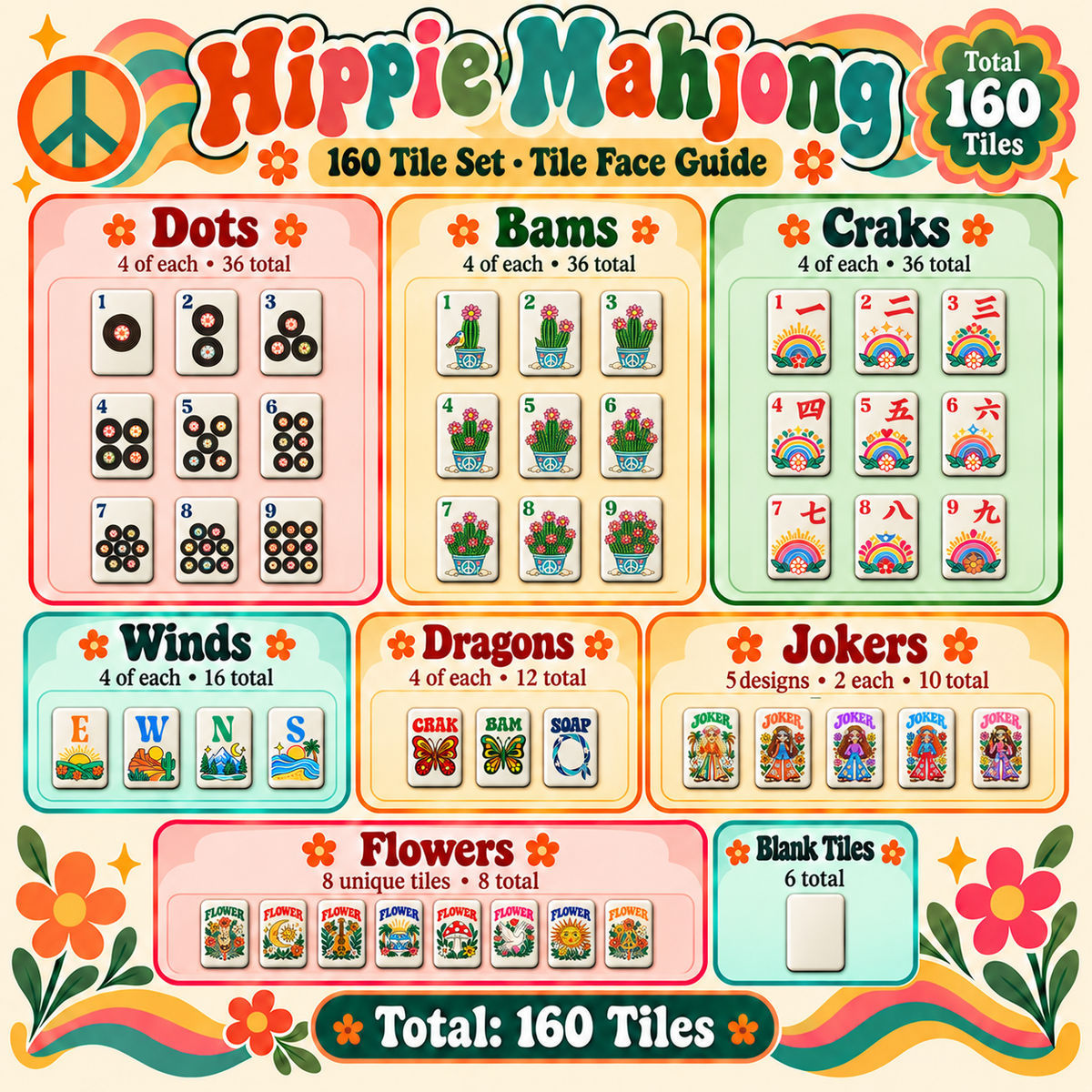
Engraved acrylic mahjong tiles typically last 10–15 years of regular weekly play before engravings noticeably fade or tiles show visible wear. Longevity depends on storage (cool, dry, sealed), playing frequency, mat surface, and whether you use a protective mat underneath. Acrylic is more durable than paper-faced bamboo tiles but softer than bone; engravings on acrylic don't chip as easily, though they do wear smooth over time. Quality matters: sets from reputable makers use UV-stable pigments and uniform tile thickness, reducing uneven wear. We've seen Mahstead sets hosted in regular games for 12+ years with legible engravings. Avoid stacking tiles loose in boxes, exposure to heat or humidity, and rough playing surfaces. A dedicated mat and protective case extend life significantly. Replacement cost and sentimental value typically justify proper care over years of use.
What wears down engraved tiles first?
The top surface of each tile bears the most stress. Shuffling—the weekly pushing and mixing of tiles face-down on the playing mat—causes friction that gradually smooths engravings. Repeated picking up, stacking, and reshuffling accelerate this wear. Tiles at the center of the wall (where players draw most often) show softer engravings than corner tiles. Humidity and temperature fluctuations cause acrylic to expand and contract microscopically, loosening pigment bonds and dulling engraving clarity over years. Rough or textured mat surfaces speed wear; smooth, padded mats like felt or cork reduce friction. We recommend storing sets in sealed cases indoors at 60–75°F and 40–50% humidity for longest life.

How does acrylic compare to other tile materials?
Acrylic tiles are mid-range for durability. Paper-faced bamboo tiles (common in vintage sets) show faded faces within 2–4 years of regular play because the paper layer peels or yellows. Bone tiles, the luxury standard, resist wear far longer—20+ years—but cost significantly more and scratch more visibly. Plastic tiles (the cheapest option) become brittle in sunlight and often have shallow engravings that vanish within 5 years. Acrylic strikes a practical balance: engravings stay legible 10–15 years, tiles don't yellow, and production is consistent. The trade-off is that acrylic does show wear eventually, whereas bone almost seems to age gracefully. For a set you'll play weekly with friends, acrylic offers reliable durability without premium pricing.
When should you replace worn engravings?
You don't need to replace the entire set the moment engravings fade slightly. Test legibility under normal table light: if you can still read all tiles without squinting during active play, keep using them. Most players continue for 12–15 years. Replacement becomes necessary when engravings blur so much that you misread tiles during quick draws, or when confusion slows the game. A few tiles wearing faster than others is normal; it doesn't justify replacement. However, if your set is a cherished heirloom or you host frequent tournaments, repainting engravings or retiring the set earlier makes sense. Some players refresh beloved sets after 10 years; others play the same set for 20+ years and enjoy the patina. The decision is personal—durability rarely becomes a hard deadline.
🀄 Shop best-selling mahjong sets →

How storage and care extend tile life
Sealed storage is the single biggest factor. Acrylic tiles stored in humid environments (basements, garages) absorb moisture and can warp or develop clouding within years. Keep sets in the case they ship in—airtight, indoors, away from direct sunlight. Avoid storing near radiators, air vents, or windows. Play only on a padded mahjong mat, never bare tables or rough surfaces. Felt and cork mats minimize friction during shuffling. After play, return all tiles to their slots immediately; don't leave them loose or stacked flat. For sets you host weekly, store in a protective bag or case that cushions tiles and shields them from dust. We've observed sets stored in climate-controlled homes with zero exposure to direct sun last visibly longer than those in temperature-swinging kitchens or sunrooms. If you live in a hot, dry climate, add a small silica pack to your storage case to buffer humidity swings.
Engraved design durability: what's most resilient?
Some engraving styles wear more evenly than others. Simple line engravings (numbered suits, wind/dragon symbols) stay crisp longest because the design has no fine detail to blur. Ornate designs with intricate flourishes or shading fade noticeably after 8–10 years because wear targets thin lines first. Solid-fill engravings (where the entire design area is scored) show wear more visibly than recessed engravings (where the design sits in a shallow groove). Choose clear, bold designs if you plan to play heavily for 15+ years. Custom engravings—initials, dates, jokes, or club names—follow the same rules: simple text outlasts elaborate script. We offer engraved sets with designs chosen for legibility and wear resistance. Reflect on your playing frequency: casual players (monthly) can use fancier designs; weekly hosts benefit from simpler, bolder engravings that stay readable for years.
Scenario | Typical Tile Life | Storage Strategy | Best Practice |
Casual, monthly play | 15–20 years | Standard case indoors | Basic care sufficient |
Weekly host game | 10–12 years | Sealed case, padded mat | Replace or retire gracefully |
High-traffic club setting | 6–8 years | Climate-controlled storage | Refresh engravings or retire early |
Heirloom or display | 20+ years | Sealed case, no play | Minimal wear, sentimental durability |
🎁 See our most-loved mahjong sets & accessories →
What to check before you buy
Before committing to an engraved set, ask yourself:
Do I play weekly, monthly, or occasionally? (Frequency drives wear.)
Will I host the same game regularly? (Yes = invest in protection.)
Do I prefer simple bold designs or intricate custom art? (Simple lasts longer visibly.)
Can I store the set indoors, climate-controlled? (Essential for 10+ year life.)
Am I buying as a gift or for myself? (Gifts benefit from robust designs.)
Will the engraving still matter in 10 years? (Sentimental value justifies early replacement.)
If you're a casual player, standard engraved tiles easily last your lifetime. If you host weekly, treat storage and mat choice as seriously as the tiles themselves—they're the true protection. We recommend keeping a padded mat and protective case on hand to preserve your set beyond the decade mark.
✨ Find your Mahstead set — free US shipping →

FAQ
Do all engraved acrylic tiles fade at the same rate?
No. UV-stable pigments, tile thickness consistency, and storage conditions vary by maker. Sets stored indoors away from sunlight fade much slower than those exposed to windows or temperature swings. Quality production reduces uneven wear across a single set.
Can worn engravings be re-engraved or repainted?
Professionally repainting is expensive and rarely worth the cost. Some craftspeople offer touch-ups for sentimental sets, but results vary. Most players simply retire or gift aging sets rather than refresh them.
What's the difference between tile wear and engraving fade?
Tile wear is physical degradation—corners rounding, surfaces scratching. Engraving fade is the smoothing of the design line itself from friction. Both happen together over years, but engravings fade first because they're surface-level.
If I play mahjong only twice a month, how long will tiles last?
Casual players often see 15–20 years of legible engravings or longer. Lower play frequency means less friction. Storage quality matters more than usage frequency at this level.
Does playing on a bare table versus a mat measurably shorten tile life?
Yes, significantly. Bare tables accelerate engraving wear by 30–40% per anecdotal observation among frequent hosts. A padded mat is the single cheapest protection you can add to your setup.
Are custom engravings less durable than standard suit symbols?
No, durability is identical. Legibility depends on design complexity—simple initials last as long as Bam symbols; intricate script or shading fades faster visually, though the engraving depth is the same.


View More
View More
View More
