
Housewarming Mahjong Tablescape: Hosting Your First Game
Last updated: Nov 23, 2026
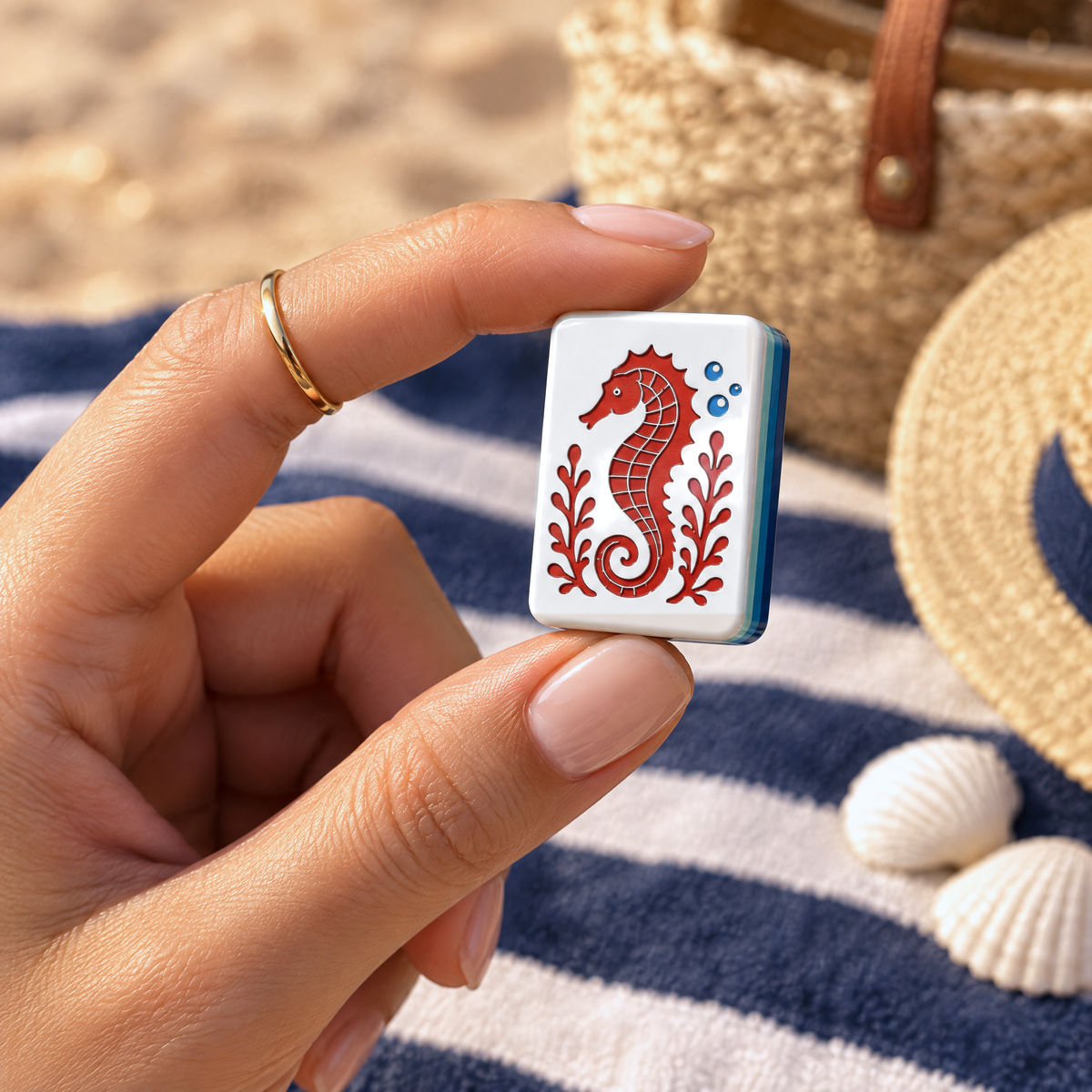
A housewarming mahjong tablescape is the physical setup—tiles, mat, racks, lighting, and décor—that welcomes guests to their first game at your table. It centers on an acrylic American mahjong set (160 tiles), a padded mat to protect furniture and dampen sound, bamboo or wood racks with pushers to keep tiles upright and organized, and enough elbow room for four players. Good lighting matters: overhead or task lights prevent squinting. The cost varies by material (plastic sets are cheaper; engraved acrylic sets cost more) but starts modestly. Avoid cluttering the table—leave the mat and set as the main visual focus—and never mix jokers from different sets, which confuses play. Mahstead's 160-tile sets are shipped complete with spares, so you're ready to deal immediately. 🀄 Shop best-selling mahjong sets →
Why does a mahjong tablescape matter for a housewarming?
A welcoming tablescape tells guests you take their comfort seriously—it signals the game is organized, the tiles are protected, and you've thought about their ease of play. A bare, cramped table creates friction; a thoughtful setup removes barriers to fun and makes newcomers feel like pros. Your tablescape sets the mood: a polished mat, clearly arranged racks, and good lighting say "I've planned this" and reduce anxiety for players learning the game.

What's the ideal table size and layout?
A standard American mahjong table is 36 by 36 inches (or larger), ideally square, so all four players sit equidistant and can reach the center comfortably. If your dining table is smaller, use a padded mat that fits snugly and sits on top—it gives you a dedicated game surface without damaging the wood below. Arrange the four players so the dealer sits at "East" (traditionally South in American play), and leave about 6 inches of mat space behind each player's tiles for their discard row. Never place the tile wall or racks directly on the mat's edge; keep a small buffer to prevent tiles from tumbling.
Which mat should you choose for a tablescape?
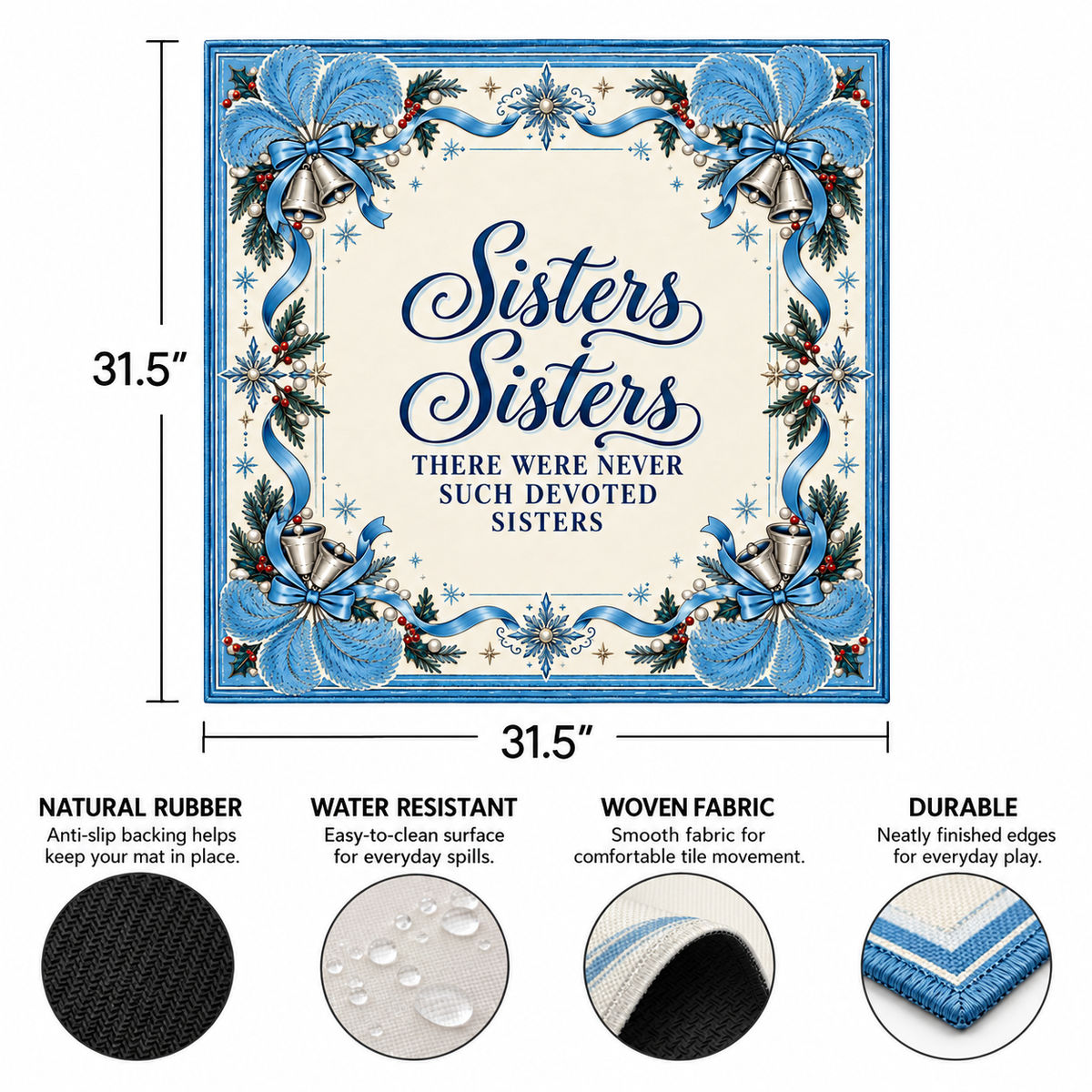
A mahjong mat is essential for any housewarming setup: it protects your table, dampens the click of tiles (a surprisingly loud sound), and defines the play zone visually. Choose between quilted cotton (soft, quiet, traditional) and neoprene (washable, durable, modern). A mat at least 28 inches square fits a standard tile wall and player racks without crowding. Thicker mats (½ inch or more) absorb noise better and feel more stable. For a housewarming, a mat signals intentionality and makes guests feel like they're in a proper game space, not an improvisation.
How do racks and pushers fit into the décor?
Bamboo or wood racks with pushers are both functional and beautiful: they hold tiles upright, let players push to reveal their hidden hand, and look far more polished than tiles splayed flat. Place each rack perpendicular to the mat edge, about 4 to 6 inches away, so players can reach them easily. Racks also double as design elements—natural wood tones complement most tablescapes. Pushers (flat tiles or sticks that slide under tiles) keep the hidden hand concealed and prevent accidental tile reveals, which matters when new players get excited or distracted. A tablescape without racks feels casual; one with racks feels intentional and professional.
Element | Why it matters | What to look for | Hosting tip |
Mat | Protects table; defines play zone; dampens noise | ≥28" square; ½"+ padding | Choose a neutral color to complement your décor |
Racks + pushers | Keep hands organized and hidden; look polished | Bamboo or wood; smooth finish | Set them up before guests arrive; verify all four are present |
Set (160 tiles) | Tiles, winds, dragons, flowers, jokers complete | All tile types present; no cracks | Count tiles before play; keep spares in the original bag |
Lighting | Prevents squinting; reduces eye strain during long play | Overhead or task light ≥400 lumens | Position light above the mat, not behind players' heads |
Discard space | Room for each player's discards without crowding | ≥6" behind each rack on the mat | Enforce the discard row so plays stay visible |
🎁 See our most-loved mahjong sets & accessories →

What lighting and décor choices work best?
Good lighting is non-negotiable: position a task light or overhead fixture directly above the mat so all players can see tile details without glare. Avoid backlighting (light behind players' heads) and shadows across the mat. For décor, keep the tablespace itself minimal—the tiles and mat are the stars. Add a centerpiece to the side of the table (not in the play area), a small dish of snacks, and water glasses on a side table, not on the mat itself. Colors matter: a neutral or jewel-toned mat (deep blue, forest green, burgundy) complements any home. Avoid bright white or busy patterns that distract from the tiles. For a housewarming, this restraint signals respect for the game and makes guests feel they're part of something refined, not a casual afternoon.
How do you set up tiles and walls before guests arrive?
Before your guests arrive, lay out the mat, position all four racks, and place one complete set of tiles in a pile near the mat—not yet shuffled. Have the current-year National Mah Jongg League card visible (printed or digital) and a pen for scoring. Shuffle tiles face-down in the center of the mat using a gentle, circular motion (never slap them) so they don't chip. Have all four players build their walls (line up 19 tiles per player, facing inward), then rotate the East wind tile to indicate the dealer. This setup takes 3–5 minutes and should be complete before play begins. For newcomers, walk through this ritual slowly; it's part of the experience and sets the tone. Place the joker pile and the spare tiles in a small dish nearby so players can grab one if needed during play. Never leave the set loose on the table between rounds; return tiles to the mat's center and re-wall after each hand.
What to check before you buy your tablescape set
Tile count: American mahjong always uses 152 tiles plus 8 jokers. A 160-tile set includes spares; never add extra jokers to the game itself.
Mat dimensions: Measure your table and confirm the mat fits comfortably without overhang or gaps.
Rack smoothness: Test pushers by hand; they should glide without resistance and not scratch tiles.
Set completeness: Verify all four winds, three dragons (Red, Green, White), all Bams, Craks, Dots, flowers, and jokers before play.
Lighting angle: Position light above, not behind, and test glare before guests arrive.
Spare tile storage: Keep extra jokers and blanks in the original bag; don't mix with the play set.
✨ Find your Mahstead set — free US shipping →
FAQ
Can I use a regular tablecloth instead of a mahjong mat?
A tablecloth doesn't protect tiles from bouncing or dampen sound, and it doesn't define the play zone visually. A mat is worth the investment for a housewarming—it signals that you've prepared properly and makes the game feel more intentional.
Do I need a special mahjong table, or will any table work?
Any sturdy, flat table 30+ inches square works, especially with a mat on top. A dedicated mahjong table is beautiful but not essential; a dining table with a mat is perfectly fine for a housewarming.
What's the best way to store tiles between rounds?
Return all tiles to the center of the mat, face-down, in a loose pile. Never stack them in a box mid-game or leave them scattered; keep spares in the original bag. This protects tiles from chipping and makes re-dealing fast.
Should I buy engraved tiles or plain acrylic?
Both work equally well for play. Engraved tiles (with characters) offer a traditional, personal touch—ideal for a housewarming gift to yourself. Plain acrylic is simpler and less expensive. Choose based on your décor and budget.
How do I prevent tiles from sliding on the mat?
A good-quality mat has a textured bottom that grips the table and a slightly grippy top that holds tiles in place. Avoid glossy mats. If tiles still slide, you may need a thicker mat or slightly different pushing technique—this takes one round to master.
Can I use a mahjong tablescape for other games or hobbies?
A mat and racks are mahjong-specific, but they work beautifully as a base for any tile-based game or tabletop hobby. The setup signals organization and care, so guests will appreciate it for any tabletop activity.


View More
View More
View More
