
Housewarming Mahjong Party Decorations & Setup Ideas
Last updated: Nov 23, 2026
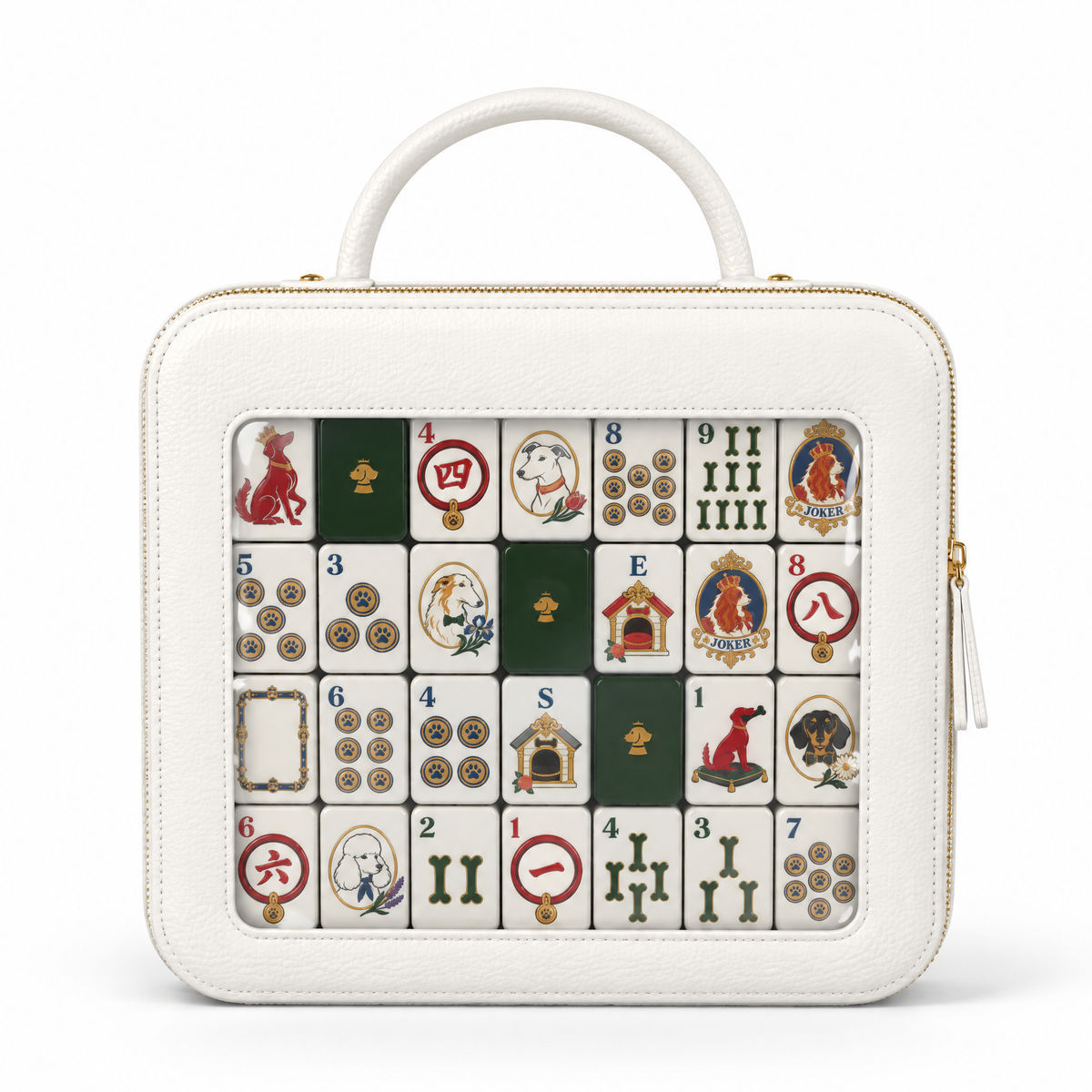
A mahjong housewarming party centers on a beautiful tile set as your focal point—engraved acrylic sets with matching mats and racks create an instant design statement. Focus décor on the table itself: a quality mat in a color that suits your room, good lighting above play, and perhaps a few accent plants or candles nearby rather than cluttering the space. Skip theme balloons; instead, let the tiles' colors (the greens, reds, and creams in the design) guide your palette. Our best-selling mahjong sets pair beautifully with simple linens and ambient lighting. Plan for four players, a two-hour session, light snacks on a side table, and the National Mah Jongg League card on hand. Your décor is the game itself—make the setup calm, spacious, and well-lit so guests focus on play and the tiles' craftsmanship, not fussy decorations.
Why the Mahjong Table Is Your Main Décor Statement
The game is the centerpiece. A well-chosen tile set in rich acrylic, paired with a mat in complementary color, needs almost nothing else. The tiles themselves—the hand-drawn dragons, the wind glyphs, the bamboo imagery—carry visual weight and sophistication. Most hosts underestimate how much the tile design matters: guests notice whether your tiles are engraved with personality, numbered clearly in cardinal directions, or flat and generic. An engraved American mahjong set with a custom title transforms the table into a reflection of your home's style and your personality as a host. No balloons, no cutouts. The table does the work.
🀄 Shop best-selling mahjong sets →

What Lighting Setup Keeps Guests Engaged?
Overhead task lighting—a pendant, a small chandelier, or a clip lamp—beats ambient ceiling light alone. Players need to read tiles clearly without glare bouncing off the acrylic or mat. A warm white bulb (2700K) feels welcoming; cool white reads clinical. Position the fixture so shadow doesn't fall across the center of play. If your dining room has a chandelier, add a small battery-powered LED strip under a shelf nearby to lift brightness without harsh shadows. Test the setup before guests arrive by laying out a practice hand and checking whether players can read the tile engravings from their seats. Poor lighting turns a gorgeous set into a frustration—it's the one décor mistake that actually ruins the game.
How Should You Color-Coordinate Mat, Table, and Room Palette?
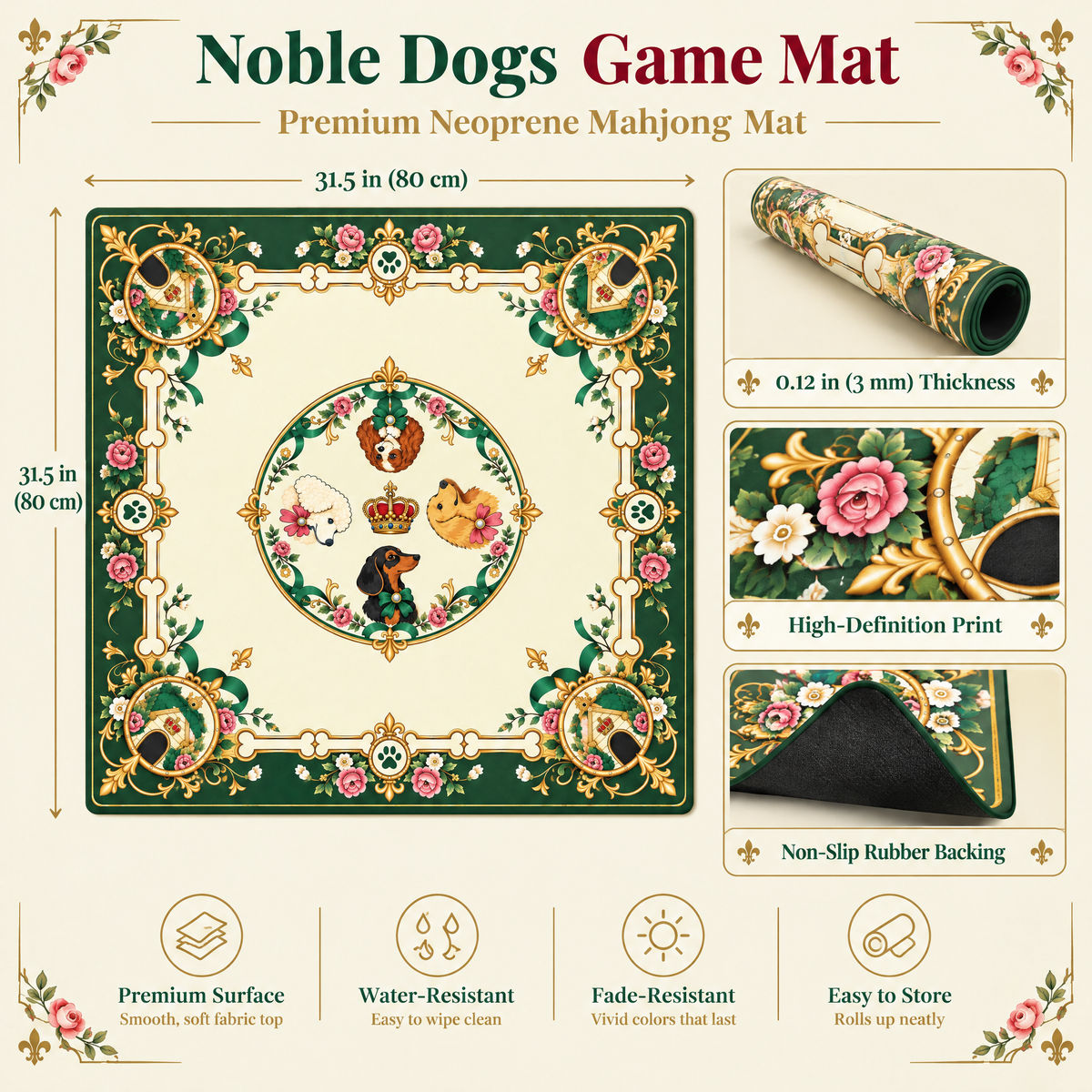
Your mat choice sets the whole tone. Mahjong mats come in jewel tones, neutrals, and pastels. A deep teal or plum mat grounds a modern room; cream or sage works in traditional or cottage spaces. The mat's color should either echo your room's existing palette or intentionally contrast as a bold accent. If your tiles are engraved with rich blacks and golds, a dark mat (charcoal, deep green, navy) lets them shine. Pale or white tiles pop on a darker mat. Avoid clashing: don't pair a hot pink mat with a room full of cool blues unless that clash is deliberate and joyful. Your tablecloth or placemat underneath can be a neutral linen—let the mat and tiles do the color work. One color family, well-lit: that's elegant. Matching tablecloth and mat in the same tone feels staged; a slight contrast (mat over linen, both in related hues) feels curated.
Element | Effect on Guests | Setup Tip |
Mat color (dark) | Tiles read clearly, feel formal | Pair with light room walls |
Mat color (light) | Softer, more casual feel | Works in rooms with dark wood |
Overhead light | Players can see hands and tile text | Test before arrival; warm bulbs preferred |
Side accent (candle, plant) | Signals "this is a special event" | Place away from table edge—no hazards |
Tablecloth or bare table | Too much pattern = visual noise | Skip it; let the mat be the focus |
Sound (optional: soft music) | Fills silence, reduces pressure | Instrumental only; low volume |
What Snacks and Refreshments Complement the Vibe?
Forget themed cupcakes. Serve what guests can eat with one hand while holding tiles in the other: nuts, olives, cheese on small plates, fresh fruit. Water glasses with lids or coasters prevent spills near tiles. A single bottle of wine or sparkling cider, not a full bar—you want people focused on the game, not tipsy and sloppy with tiles. Chinese almond cookies or sesame crackers nod to the game's roots without feeling like you're performing tradition. Keep snacks on a side table at least two feet from the mahjong mat, and enforce a "no eating at the tiles" rule gently but firmly. Sticky hands ruin engraved tiles and scratch acrylic racks. Offer tea or coffee an hour into play, when players usually pause to rest. A calm, minimal snack setup signals that the experience is about the game and the company, not indulgence.
🎁 See our most-loved mahjong sets & accessories →
How Do You Set Up Racks, Cards, and Dice to Look Intentional?
Every functional piece can be styled. Use matching mahjong racks with pushers—they stabilize play and look finished. Place the current year's National Mah Jongg League card in a card holder or small frame so it's visible to all four players without someone having to hold it. Position the dice in a small bowl or tray at the table's center, visible but not dominating. If you own a mahjong bag or case that matches your set's design, leave it closed nearby—it signals you're serious and organized. Avoid tossing tiles back into a generic box mid-game or scattering cards across the table. A small wooden tray or decorative box for the tiles creates a contained, intentional look. Your goal: every object has its place. Guests notice whether a host is scattered or prepared, and preparation—even small touches—builds confidence in the evening.
What NOT to Do: Common Housewarming Mahjong Décor Mistakes
Don't over-theme. A mahjong "room" plastered with dragons, lanterns, and red paper feels kitschy and distracts from the game's actual skill and elegance. Don't clutter the table: coasters, napkins, phones, and side dishes all compete for space and knock tiles askew. Don't forget the card—if players are squinting at a phone screen to remember which hands are valid, the elegant vibe evaporates. Don't choose a mat based on price alone; a cheap felt mat pills after one season and looks shabby by winter. Don't place the table in direct sunlight; glare makes reading tiles impossible and fades the mat. Don't invite more than four if it's your first time hosting—five or six players in your home feels chaotic rather than celebratory. Start with four, nail the experience, then expand. And don't feel pressured to match your mahjong set to your existing décor perfectly; a beautiful tile set can elevate and reset a room's tone. Let it lead.
✨ Find your Mahstead set — free US shipping →
What to Check Before You Buy
Tile readability: Engravings should be clear and visible at arm's length. Test a photo of the set before ordering if possible.
Mat dimensions: Measure your table. Standard mats fit 36–48" tables. A mat that overhangs looks sloppy; one that's too small wastes table space.
Rack compatibility: If you buy racks separately, confirm they fit your tile size (American 160-tile acrylic sets are standard).
Lighting: Before the party, sit at the table and confirm you can read hand cards and tile numbers without squinting.
Guest count: Four players is the standard. For two or three, special rules apply—confirm your rule set in advance so guests know what to expect.
Room temperature: Acrylic tiles in very cold rooms can feel brittle. Keep your home at comfortable room temperature before play.

FAQ
Can I use a mahjong set as permanent room décor between games?
Yes—keep it in a closed case or cabinet to prevent dust and fading. An acrylic set in a quality bag on a shelf becomes a design accent and conversation starter.
What mat color is most forgiving of spills and wear?
Dark jewel tones (deep teal, plum, navy) hide minor marks better than light neutrals. All mats benefit from protective covers during storage.
Should I buy a set specifically for a housewarming party, or borrow one?
Buying signals permanence and commitment to hosting regularly. A new engraved set marks the milestone and becomes a home memory. Borrowing works for one-off events.
How many mahjong sets should a host own?
One high-quality set per regular game is ideal. Most hosts keep one set in regular rotation, one in a backup case for travel or spare tiles.
Is it rude to ask guests to remove jewelry before play?
Not at all. Rings and bracelets scratch acrylic tiles and racks. Frame it gently: "Let's take off our rings for the tiles' sake." Guests understand and respect that.
What's the minimum table size for a mahjong party?
A 36-inch-diameter round table or a 36×48-inch rectangular table works; 42–48 inches is more comfortable for four players and the mat, snacks, and card holder.


View More
View More
View More
