
Cantonese Mahjong Books for Beginners: Start Playing Today
Last updated: Nov 23, 2026
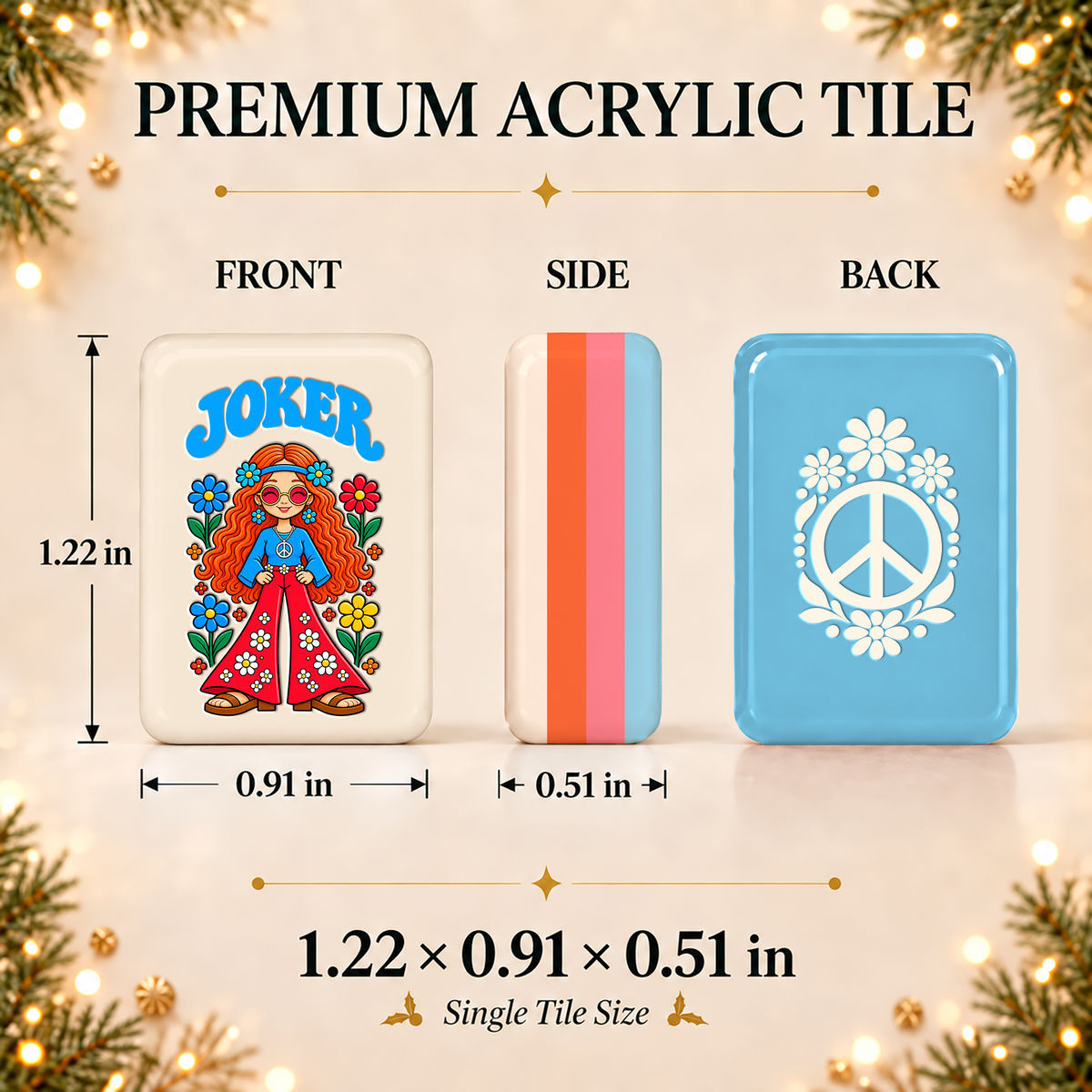
Cantonese mahjong books for beginners typically cost between modest paperback prices and premium hardcover ranges (check bookseller listings for exact amounts). The best entry titles teach you Hong Kong/Cantonese hand patterns, tile composition (108 tiles across three suits, 16 winds, 12 dragons, and eight flowers), and how payouts differ from American mahjong—most eliminate the NMJL card entirely and let players call chows (sequences of three consecutive numbers). Libraries, community centers, and online retailers stock titles by recognised game authors; look for books published within the last decade that include hand diagrams and worked examples. Mahstead sells quality best-selling mahjong sets with acrylic tiles and pushers that work perfectly for Cantonese play, so you can study hand images from a book, then build them on a real mat to solidify the patterns.
Cantonese mahjong books range from rule primers to strategy guides, with most targeting players aged 40–70 in North American communities. The best entry titles teach you Hong Kong/Cantonese hand patterns, tile composition (108 tiles across three suits, 16 winds, 12 dragons, and eight flowers), and how payouts differ from American mahjong—most eliminate the NMJL card entirely and let players call chows (sequences of three consecutive numbers). Libraries, community centers, and online retailers stock titles by recognised game authors; look for books published within the last decade that include hand diagrams and worked examples. You can study hand images from a book, then build them on a real mat to solidify the patterns.
How is Cantonese mahjong different from American mahjong?
Cantonese (Hong Kong) mahjong uses 108 playing tiles—no jokers—and allows players to call chows (three consecutive numbers in one suit: 3–4–5 Bams, for example), pungs (three identical tiles), and kongs (four identical tiles). American mahjong forbids chows entirely and requires you to match hands from the current year's NMJL card. Cantonese players discard face-up, announce their calls, and build their own melds on the table; American players work silently toward hidden hands. Scoring systems differ dramatically: Cantonese mahjong uses fan (multiplier levels) and points, while American adds complexity through card positions and tile combinations. If you've learned American mahjong, expect to unlearn the "no-chow" rule—Cantonese treats sequences as fundamental.

What do beginner Cantonese mahjong books actually teach?
A solid beginner book opens with the 108-tile set: names for each suit (Dots, Bams, Craks in English phonetics), wind tiles (North, East, South, West), dragon tiles (Red, Green, White), and flower/season tiles (optional in some variants). It walks through hand-building logic—which combinations count, how to read discards, when to declare ready (ting or ting pai). Most chapters include worked examples: "You hold two Red dragons and three 5 Bams. You draw a Red dragon. You now have a pung. What's your next move?" Advanced sections cover fan categories (winning from a discard vs. drawing from the wall, all simples, hidden hand) and scoring multiplication. A 200-page beginner guide typically takes two to four weeks to read thoroughly if you're playing games alongside the study.
Where should I actually buy Cantonese mahjong books?
Public libraries and university collections often hold multiple titles in English and Chinese; ask your local librarian for "Hong Kong mahjong" or "Cantonese mahjong" books and reserve them free. Independent bookstores catering to Asian communities (check online community boards for recommendations in your area) stock print editions and can special-order titles. Online retailers including mainstream booksellers carry both English-language primers and Chinese-language classics; filter by publication date (prefer 2015 onward for clarity) and read the table of contents before committing. Your local mahjong community—find them through synagogues, community centers, or Meetup-style boards—may have members who loan or donate worn copies. Cantonese mahjong Facebook groups and forum archives often post scanned pages, though buying supports authors and guarantees complete, high-resolution references.
What should a beginner book have—and what's often missing?
A quality beginner title includes a tile reference chart (all 108 with Chinese characters and English labels), at least 20 worked hand examples with step-by-step explanations, a scoring table with fan multipliers, and a glossary of Cantonese game terms transliterated into English (ting, kong, pung, chow, hu). Many books skip the beginner-level mistakes section—which rules trip up new players most, and why. Few explain the discard sequence clearly enough to let you play your first game without a mentor. The best books now include QR codes linking to video play-throughs or audio pronunciation. When evaluating a candidate book, flip to chapter three; if the examples are vague or use unexplained Cantonese terms without English glosses, look for another title. Cost varies widely; mid-range paperbacks often deliver more beginner clarity than premium hardcovers aimed at tournament players.

How should you use a book alongside actual play?
Read the first two chapters on tiles and basic hand patterns before your first game; this 30-minute foundation prevents embarrassment and helps you follow play. During your first three weeks of actual games, keep the book on a side table and pause between rounds to check scoring rules or verify a hand combination—the paper reference beats searching online when you're mid-game with friends. After each weekly session, spend 15 minutes reviewing one chapter related to what confused you that day. By week six, you'll stop consulting during play but may reference the strategy sections for tournament tips. Join a beginner study group—online or in-person—and assign chapters weekly; group discussion clarifies rules that book text alone cannot answer. The book is not a substitute for play; it's a mentor between sessions, filling gaps that only conversation and table experience expose.
🀄 Shop best-selling mahjong sets →
Choosing the right beginner book: a quick checklist
Feature | Why it matters | Red flags |
Publication date | Rules, terminology, and examples reflect current play | Books older than 2010; outdated Romanization |
Worked examples | You learn by seeing, not just reading rules | Generic descriptions; no step-by-step breakdowns |
Glossary & tile chart | You reference during play without rewinding | Glossary missing or unclear; tiles shown without labels |
Fan/scoring table | Payouts are complex; you need visual reference | Scoring buried in paragraphs; no quick table |
Author background | Experience shows in clarity and completeness | Anonymous authors; books self-published without editing |
Community reviews | Other beginners flag confusing sections early | No reader feedback available; click-and-buy sellers only |
Use this table to vet your top three candidates before buying. The "why it matters" column tells you what to prioritize if you're torn between two titles.
The role of physical tiles and mats while learning from a book
Reading about Cantonese mahjong hand combinations is one thing; building them in front of you cements the pattern in memory. A quality acrylic mahjong set with clearly printed tile faces lets you follow book examples without squinting or misreading characters. Lay tiles on a mahjong mat as you read; work through the book's example hands by picking tiles from your set, physically arranging them into pungs and chows, then checking your result against the diagram. This tactile learning sticks harder than pure reading. When you join a game, your hands will feel familiar because your brain has rehearsed them dozens of times. Many beginner books now recommend this exact method in their introduction—study text, then build the hand on a real mat before play.
🎁 See our most-loved mahjong sets & accessories →
What to check before you buy a Cantonese mahjong book
Verify the dialect and variant. "Cantonese" can mean Hong Kong Classical (most common), Guobiao (Chinese standardised rules), or regional tweaks played in specific cities. The book's introduction should state clearly which version it teaches; if not stated, ask a seller or sample a chapter online. Check for English translation quality. A translated book from Chinese is invaluable but only if the translator has mahjong experience; poor translation mangles terminology and confuses tile names. Read a sample section on tile names; if terms are inconsistent or unclear, pass. Confirm the tile count and hand-calling rules. Some books teach older 144-tile variants; most modern English books use 108. Look for recent printings. A 1985 classic reprinted in 2022 with updated examples beats an identical 1985 original. Ask your community. Before spending money, post in local mahjong Facebook groups asking which books helped them most; you'll get honest answers fast.
✨ Find your Mahstead set — free US shipping →

FAQ
Can I learn Cantonese mahjong from YouTube videos alone, or do I need a book?
Videos are excellent for seeing play in motion, but books provide the reference structure and glossary you need during your first 20 games. Combine both: watch a 10-minute overview video, read the corresponding chapter in a book, then play while the book sits nearby for rules checks. Many beginners use videos to see flow, then books to verify specifics.
What's the best beginner book if I already play American mahjong?
Look for books that explicitly compare American and Cantonese rules in their early chapters—they'll frame differences you're already tempted to make (reaching for chows, expecting jokers). Books written for "American players learning Cantonese" exist and bridge that gap more smoothly than books written for complete beginners. Ask your mahjong community for titles they recommend to switchers.
How long does it take to feel confident playing Cantonese mahjong after reading a book?
Most players feel ready to play after reading one 200-page book (four to six weeks, 30 minutes daily) plus three to four live games with patient, experienced players. Confidence grows week by week; by week eight, you stop second-guessing yourself on basic calls. Tournament-level play takes years, but playable competence happens faster.
Should I buy a Chinese-language Cantonese mahjong book or stick to English?
Start with English; it removes language barriers when you're learning rules. Once you've played 50+ games and feel stable, you can read Chinese-language titles to deepen strategy knowledge and access larger libraries of advanced tactics. Bilingual books exist and are often ideal middle ground.
Do Cantonese mahjong books explain how to score hands correctly?
Yes, solid beginner books include scoring chapters with tables and multipliers. However, live play is chaotic; you'll often dispute a payout or second-guess a fan count. Keep the book handy during your first 30 games, and every group calculates slightly differently—ask before joining a new table how they handle edge cases, then refer to the book if disputes arise.


View More
View More
View More
