
Blue Mahjong Tile Tray: Choose the Right Rack for Your Game
Last updated: Nov 23, 2026
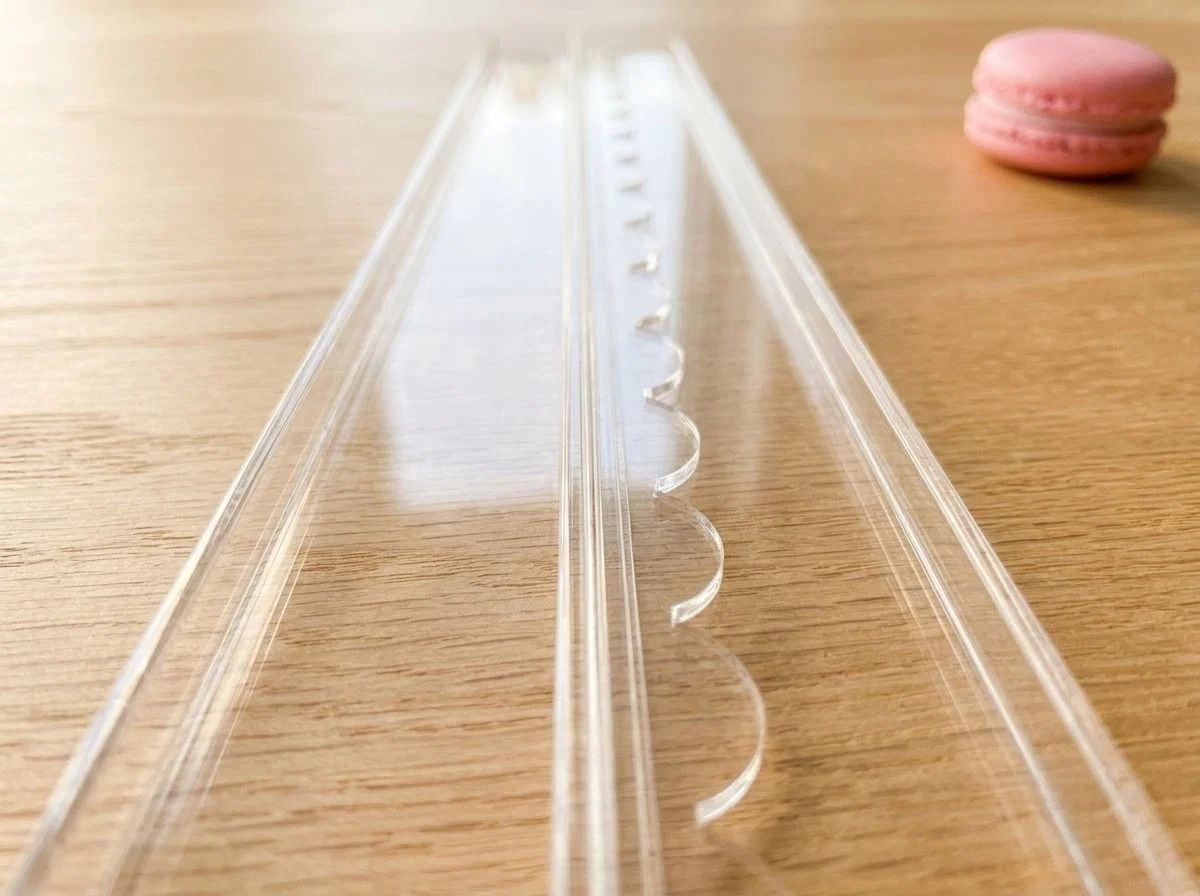
A blue mahjong tile tray is a raised rack—typically bamboo or acrylic, with or without built-in pushers—designed to hold and display your tiles during play. It keeps tiles upright, organized by suit, and safe from the playing surface. Most trays sit in front of each player and hold a full hand (usually 13–14 tiles in American mahjong). Color choice, material, and pusher style affect both playability and durability. Blue trays blend with most mat colors and suit a variety of table settings. When ordering from Mahstead, you'll receive racks with pushers that ship flat-packed and assemble easily; confirm tray length matches your tile size (standard acrylic or bamboo). Budget from the mahjong racks with pushers collection based on material preference and whether you want integrated pushers.
What is a blue mahjong tile tray and why do you need one?
A blue mahjong tile tray is a tilted rack that holds tiles upright so all players can see your hand framework without revealing individual tiles. The tray's lip or wall blocks sightlines, and the sloped base lets tiles rest at a comfortable viewing angle. In American mahjong, where you're building melds (pungs, kongs, quints, sextets) visible on your rack, a sturdy tray prevents tiles from sliding, toppling, or getting accidentally knocked into your drink. Blue, being a neutral cool tone, works well on beige, white, green or patterned mats without visual clash. A pusher—a small stick or rod—sits inside or beside the tray and helps you slide tiles in or out one-handed while maintaining the wall's integrity. Weekly players and tournament hosts use them because they speed up play, reduce disputes over tile placement, and protect an investment in quality tiles.
🀄 Shop best-selling mahjong sets →
How do racks with pushers improve your game experience?
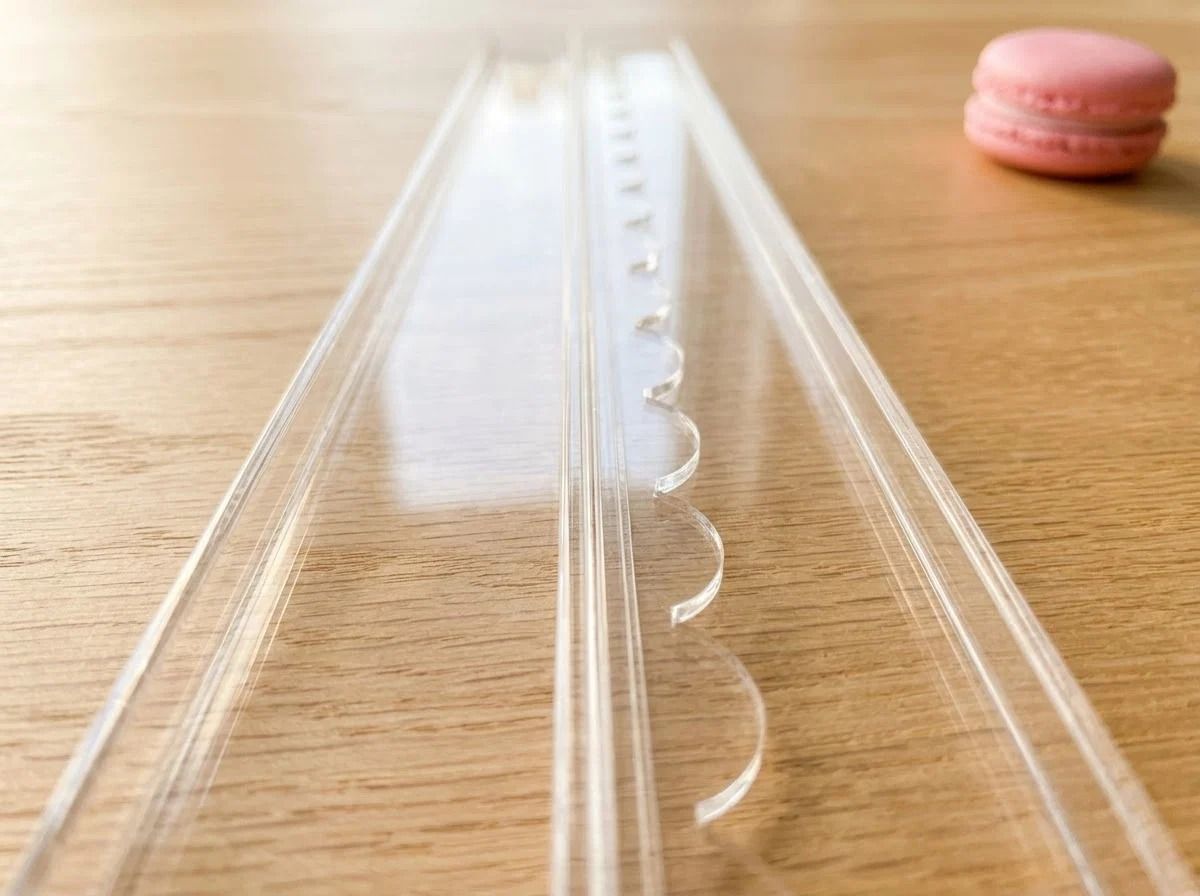
A pusher lets you manipulate tiles without lifting the entire rack or exposing your hand. When you draw a tile from the wall or pick up a discard, you use the pusher to nudge it into place at the end of your rack, keeping the wall intact and other players from glimpsing your card order. This is especially valuable in competitive play and league games, where tile management is part of the skill. Players with arthritis, hand tremors, or who prefer one-handed play find pushers essential—they reduce fumbling and keep the game flowing smoothly. The best racks pair a pusher with a tray deep enough to hold all your tiles without stacking or overflow. Bamboo trays with pushers offer a classic feel; acrylic ones are easier to clean and more durable over years of weekly games. Integrated pushers (built into the tray design) work faster than separate pushers that can get lost. The bottom line: a pusher transforms tile management from fiddly to fluid.
What's the difference between bamboo and acrylic blue tile trays?
Feature | Bamboo Tray | Acrylic Tray |
Feel | Warm, natural, classic aesthetic | Modern, sleek, uniform appearance |
Durability | Prone to warping if wet; absorbs odor | Resistant to water, staining, temperature swings |
Cleaning | Wipe only; avoid soaking | Washable; tolerates hot water and mild soap |
Weight | Lighter, easier to move | Slightly heavier; more stable on the mat |
Lifespan (weekly play) | 3–5 years with care | 7+ years; minimal degradation |
Best for | Players who prioritize aesthetics; dry-climate games | High-traffic hosts; players with kids/pets; long-term investment |
Customization | Limited; natural color only | Engraving, color options (including blue); personalization available |
Bamboo trays are the traditional choice and work beautifully in classic or elegant settings. If you host outdoor or poolside mahjong, acrylic resists humidity and sun fading better. Mahstead's mahjong racks with pushers collection includes both materials; acrylic racks can be engraved with names, dates, or house names, which makes them popular for gifts or league sets.
🎁 See our most-loved mahjong sets & accessories →
How do you measure and choose the right tray size for your tiles?
Tray length must match your tile height so tiles sit upright without tipping or gaps. Standard American mahjong tiles (acrylic or bone) stand roughly 1 inch tall; a tray designed for standard tiles will have a wall height and depth calibrated to that dimension. If you're using jumbo or mini tiles, confirm the tray spec—most retailers list tile compatibility. The tray's length (front to back) should accommodate 13–14 tiles standing side-by-side; measure your hand when fully drawn to verify. Depth (left to right wall) should be at least 2–3 inches so tiles don't fall over the back. A pusher should slide smoothly without catching; test it before ordering if possible, or rely on product photos and seller descriptions. Width of the tray (the open top surface) must be wide enough for a pusher stick; bamboo pushers are typically ½ inch wide, acrylic ones similar. Order racks that specify they work with American mahjong tile sets; dimensions should be in product listings. If you own a Mahstead best-selling mahjong set, match the tray to standard acrylic American tiles, which are the most common size.

What are the most common mistakes when buying a blue mahjong tile tray?
Buying a tray too shallow. If the wall isn't high enough, tiles lean or fall during play, especially on uneven surfaces. Always check the wall height matches your tile size.
Skipping the pusher. A tray without a pusher means fiddling with tiles one-handed or lifting the whole rack. If you play weekly, a pusher pays for itself in time saved and frustration avoided.
Underestimating material care. Bamboo left wet will warp; acrylic left in hot sun can warp too. Store trays indoors, in a cool, dry place. If you travel or play outdoors often, acrylic is lower-maintenance.
Forgetting about tile noise. Wooden tiles make louder clicks than acrylic; a well-fitted tray with cushioning absorbs sound. If you play late at night or have sound-sensitive housemates, test a sample or read reviews mentioning acoustic performance.
Ordering without checking mat compatibility. A tray's base footprint should fit comfortably on your mat or table without overhanging edges. Confirm mat dimensions—most range 40–48 inches square—before ordering four trays.
Not verifying flat-pack assembly. Mahstead racks ship flat-packed and require minimal assembly (usually just snapping feet into place or sliding a pusher rod through guides). Budget 5–10 minutes per rack and have a clear workspace.
What should you check before ordering a blue mahjong tile tray?
Material & finish. Decide between bamboo (aesthetic, traditional) and acrylic (durable, customizable). Blue acrylic trays are more readily available in custom colors; if you want a specific blue shade, acrylic gives you options.
Pusher inclusion. Confirm the listing says "with pusher" or "pusher included." Some sellers offer racks without pushers and sell pushers separately, which drives up total cost.
Tile size compatibility. Match the tray to American standard (acrylic or bone, ~1 inch tall). If you own jumbo tiles or are mixing tile types, verify the tray works for all.
Set of four vs. singles. Most players buy four trays (one per player). Confirm whether you're ordering a set of four or a single tray, and read shipping details—flat-packs fold small but four trays together are heavier.
Base stability. Look for trays with non-slip feet or rubber pads on the underside. These prevent sliding on mats and protect both the tray and the playing surface.
Cleaning method. If acrylic, confirm it's safe for warm water and mild soap. Bamboo should only be wiped dry or with a barely-damp cloth.
Return or warranty. Check the seller's policy in case the tray arrives damaged or doesn't fit your tiles. Mahstead ships across the US with free shipping; verify handling and returns on the product page before checkout.
✨ Find your Mahstead set — free US shipping →
Which blue tile tray should you choose for your situation?
New player or casual host. Start with a standard acrylic tray set with pushers. Acrylic is forgiving (easy to clean if someone spills), affordable, and lasts for years of weekly games. Choose blue to match most mat colors and reduce visual fatigue.
League or competitive player. Invest in higher-end bamboo or engraved acrylic racks with pushers. Bamboo feels professional; engraved acrylic (with a name or house symbol) signals intentionality and works well for a personal set or a gift.
Player with mobility concerns. Prioritize pushers and a tray that's lightweight but stable. Acrylic is lighter than bamboo and easier to handle one-handed. A longer, shallower pusher can work better than a short stick if you have limited finger dexterity.
Outdoor or travel host. Acrylic resists moisture and temperature swings; bamboo can warp outdoors. Buy acrylic trays and pack them in a sturdy case. If you travel monthly, consider a flat-pack set that folds to fit a travel bag.
Gift-giver. Engraved acrylic racks with pushers (available from mahjong racks with pushers collection) combine personalization with durability. Include a full mahjong set if the recipient is new to the game.
Multi-set host. Buy more than one color or material so players can choose. A mix of bamboo (for aesthetics) and acrylic (for durability) lets you swap depending on the occasion or mat.
A blue tray with a pusher is the quiet backbone of smooth, enjoyable mahjong. It's not the flashiest piece of equipment, but weekly players notice immediately when one is missing.

FAQ
Can I use a mahjong tile tray without a pusher?
Yes, but you'll spend more time fiddling with tiles and risk exposing your hand or knocking tiles over. A pusher is a small added cost that saves time and frustration every single game.
Do I need four trays (one per player) or can I get away with one?
You need four—one per player position. Each player holds their own tiles; sharing one tray is impractical. Buy sets of four and verify the listing specifies a set, not a single.
What's the best way to clean an acrylic mahjong tile tray?
Wipe with a soft, slightly damp cloth and mild soap; air dry. Avoid abrasive scrubbers, bleach, or hot dishwashers. For stubborn spots, use a microfiber cloth and warm water only.
Will a blue tray work with any color mahjong mat?
Yes. Blue is a neutral cool tone that complements beige, white, green, gray, and patterned mats. It's less visually jarring than neon or hot colors, so it's a safe choice if you're uncertain.
How long does a mahjong tile tray last?
With normal weekly play and care, acrylic trays last 7+ years; bamboo lasts 3–5 years before warping or splintering appears. Storage conditions matter—keep trays indoors, cool, and dry. Damage from spills or drops can shorten lifespan, so handle carefully.
Can I engrave a blue acrylic tray, and how much does it cost?
Yes, Mahstead offers engraved acrylic racks; see current pricing on the product page. Engravings typically include names, dates, house names, or symbols. Lead time may add 1–2 weeks; check before ordering if you're gifting by a deadline.
What's the difference between a tray with an integrated pusher and a tray with a separate pusher?
Integrated pushers are built into the tray and cannot be lost or forgotten; you manipulate them as part of the rack design. Separate pushers are loose rods that sit inside or beside the tray; they're faster to swap out but easier to misplace. Both work; integrated is more convenient for hosts and league play.


View More
View More
View More
