
Hong Kong Mahjong vs. Sichuan Mahjong: Rules and Gameplay Differences
Last updated: Nov 23, 2026
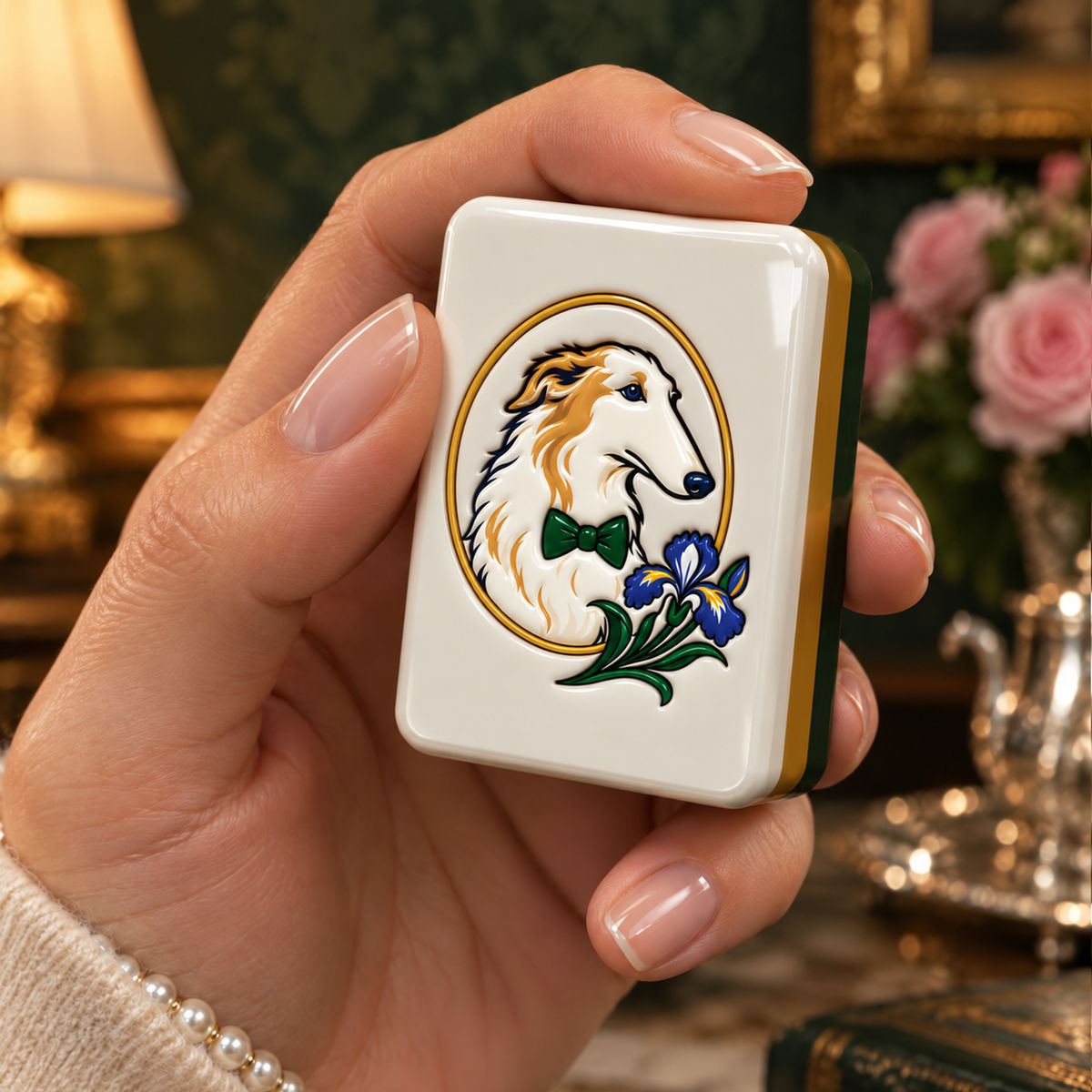
Hong Kong mahjong uses 136 tiles (fewer dragons and flowers than Sichuan) and emphasizes waiting patterns called "ting"—declaring readiness to win without drawing specific tiles. Sichuan mahjong (also called "blood mahjong") plays with 108 or 136 tiles depending on regional rules, focuses on melds and concealed hands, and often involves faster betting and all-play-to-last dynamics. Hong Kong games typically involve one discard per turn and complex waiting logic; Sichuan games emphasize quick decision-making and hidden strategy. Both require different tile sets and rule cards than American mahjong's 152-tile standard, and neither uses jokers. The games evolved separately—Hong Kong around Guangdong commercial play, Sichuan in inland provinces—and attract different play styles across China, Taiwan, and diaspora communities worldwide.
What tiles does each variant use?
Hong Kong mahjong uses 136 tiles: three suits (Bamboo, Character, Dot) numbered 1–9 with four copies each (108 tiles), plus winds (16 tiles: four each of North, East, South, West) and dragons (12 tiles: four Red, four Green, four White). It omits flowers and seasons. Sichuan mahjong typically plays with 108 tiles (suits, winds, dragons only—no flowers, no White dragon) in the most common "blood mahjong" variant, though some regional forms add flowers back to reach 144 tiles. This difference alone changes the probability of melds and winning hands dramatically; fewer tiles mean faster games and tighter pools of matching numbers.

How do hand-winning mechanics differ?
Hong Kong mahjong requires players to declare "ting" (听)—a state of readiness where your hand is one tile away from a winning combination. Once ting'd, you cannot change your hand; you win only by drawing or receiving the exact tile(s) you're waiting for. This waiting pattern logic is rigid and public: opponents know roughly what you need. Sichuan mahjong allows more flexibility: you can modify your hand through exchanges (in some sub-variants) and win through various melds without pre-declaring. Hong Kong emphasizes patience and calculation; Sichuan rewards adaptability and quick reading of the table.
What scoring systems do they use?
Hong Kong mahjong scoring is based on fan (points, similar to "faan") and fu (miniature points), multiplied together to calculate payouts. A winning hand might be worth 2–13 fan; bonuses apply for self-drawn wins, last-tile wins, and specific patterns. Sichuan mahjong scoring varies by subvariant—some use simple multipliers (e.g., 2× for self-drawn), others use fixed point tables, and many tie payouts to betting rounds rather than complex hand values. Hong Kong players often calculate scores using slide rules or apps; Sichuan play tends to be more intuitive and speed-focused. Neither system directly translates to American mahjong's point accumulation across seasons and games.
Which variant is easier for beginners?
Sichuan mahjong has a gentler learning curve for absolute newcomers: fewer tiles to memorize, simpler hand patterns, and quicker feedback (games finish in 15–30 minutes). Hong Kong mahjong demands stronger pattern recognition and patience; learning to read ting positions and wait correctly takes weeks of practice. However, beginners who've played American or Chinese classical mahjong find Hong Kong's logic more familiar; the strictness appeals to strategic thinkers. Sichuan suits casual, social play; Hong Kong suits competitive, tournament-style groups. Most casual players in North America who've studied a variant choose Hong Kong first because rule resources are more abundant online.

Where are each variant played today?
Hong Kong mahjong dominates in Hong Kong itself, Guangdong Province, Macau, Singapore, and increasingly in diaspora communities across North America, Australia, and Europe. Competitive leagues and formal tournaments use Hong Kong rules. Sichuan mahjong is strongest in Sichuan Province and surrounding inland regions; it's less codified internationally and attracts private, informal games. You'll find Hong Kong games at mahjong clubs in major North American cities; Sichuan games are rarer outside China and often occur within family or regional social networks. This geography matters: if you're joining an existing local group, ask first which variant they play—it determines the tiles, rules, and table culture you'll encounter.
Quick Comparison Table
Aspect | Hong Kong | Sichuan |
Tile count | 136 (no flowers) | 108 or 144 (regional) |
Winning mechanic | Declare ting, wait for exact tile | Flexible melds, quick winning |
Scoring | Complex fan/fu system | Simple multipliers or round-based |
Game speed | 30–45 minutes typical | 15–30 minutes typical |
Strategy depth | High (pattern reading, waiting) | Medium–high (reading opponents) |
Competitive play | Strong tournament culture | Informal, social focus |
Geographic reach | Asia, diaspora, international | Asia, regional inland centers |
🀄 Shop best-selling mahjong sets →
Do you need a different tile set for each variant?
Yes—absolutely. Hong Kong mahjong tile sets show only characters, symbols, and winds; no flowers or White dragon markings vary. Sichuan sets for 108-tile play omit flowers and often skip the White dragon entirely (or mark it differently). Neither variant uses jokers, so if you own an American set, you cannot simply remove jokers and play Hong Kong or Sichuan. The tile faces, count, and artwork differ; using the wrong set means either missing tiles mid-game or confusing tile identification. Our best-selling mahjong sets collection focuses on American rules, which use jokers and a full 152-tile count—a different universe from these Chinese variants. If you're committed to Hong Kong or Sichuan play, source sets from specialized importers or Asia-based suppliers; Mahstead primarily serves American mahjong players.
How do jokers, flowers, and seasons factor in?
American mahjong uses eight jokers—Hong Kong and Sichuan use zero. Flowers and season tiles appear in classical Chinese and Japanese mahjong; Hong Kong strips them away for streamlined play, while Sichuan regional variants include or exclude them depending on local preference. Sichuan "blood mahjong" (the casual, gambling version) almost never includes flowers—the 108-tile format is deliberately minimalist. This difference affects tile probabilities: fewer types of tiles mean higher odds of completing melds, faster rounds, and more aggressive betting. If you've played with flowers before, switching to Hong Kong rules feels austere; if you're new, you won't miss them.
What should you check before buying or joining a game?
Ask the group's rule source: Do they follow Hong Kong Mahjong Association rules, a regional Sichuan variant, or house rules? Rule books and apps vary wildly.
Verify tile count: Confirm whether they play 108, 136, or another count. Never assume.
Check for a rule sheet: Request written rules or a reference card. Verbal explanations lead to disputes.
Observe a full game first: Watch two rounds before joining. Hand patterns, calling protocols, and scoring become clear.
Confirm payout / point system: Ask whether the game is for fun, tracks points across sessions, or involves direct money exchange.
Inspect the tiles: If bringing your own set, ensure tiles are legible under table light and of a size comfortable for all players (typically 25–30 mm for Chinese variants).
Check for house penalties: Some groups penalize slow play, rule disputes, or errors—know them upfront.
🎁 See our most-loved mahjong sets & accessories →
If you play American mahjong and want to explore a variant, start with Hong Kong rules: they're rule-documented, widely played in North America, and intellectually rewarding. Sichuan mahjong is excellent for rapid casual play but requires immersion in a specific local group. Neither variant is "better"—they reward different instincts. Hong Kong mahjong suits analytical, patient players; Sichuan suits quick-witted, adaptable ones. The equipment, scoring, and social rhythms differ entirely, so choose based on your play style and available community.
✨ Find your Mahstead set — free US shipping →

FAQ
Can I play Hong Kong mahjong with an American mahjong set?
No. American sets include jokers, flowers, and 152 tiles; Hong Kong uses 136 tiles without jokers or flowers. Tile counts and functions don't align. You need a Hong Kong–specific set to play correctly.
Is Sichuan mahjong always played for money?
No, but it's culturally tied to casual betting. Many family and social games play for points only. Always clarify whether your group plays for fun, points, or stakes before joining.
How long does a typical Hong Kong mahjong game take?
One game typically runs 30–45 minutes. A full session of four games (one per wind direction) takes 2–3 hours, compared to 1–2 hours for Sichuan's faster rounds.
Do Hong Kong and Sichuan players ever play together?
Rarely. The rule sets conflict fundamentally—tile counts, winning patterns, and scoring are incompatible. Mixed groups usually pick one variant and stick to it.
Where can I find a Hong Kong mahjong group in North America?
Check community centers, libraries, synagogues, and country clubs in large cities; many host regular games or can refer you to local clubs. Online meetup boards and social media groups for your city often have listings and contact info.
What's the main skill difference between Hong Kong and Sichuan play?
Hong Kong rewards pattern memory and disciplined waiting; you must read ting logic and predict opponents' needs. Sichuan rewards speed and opponent reading; flexibility and quick adaptation win games.


View More
View More
View More
