
Beach Mahjong Tournament Format: Rules & Setup Guide
Last updated: Nov 23, 2026
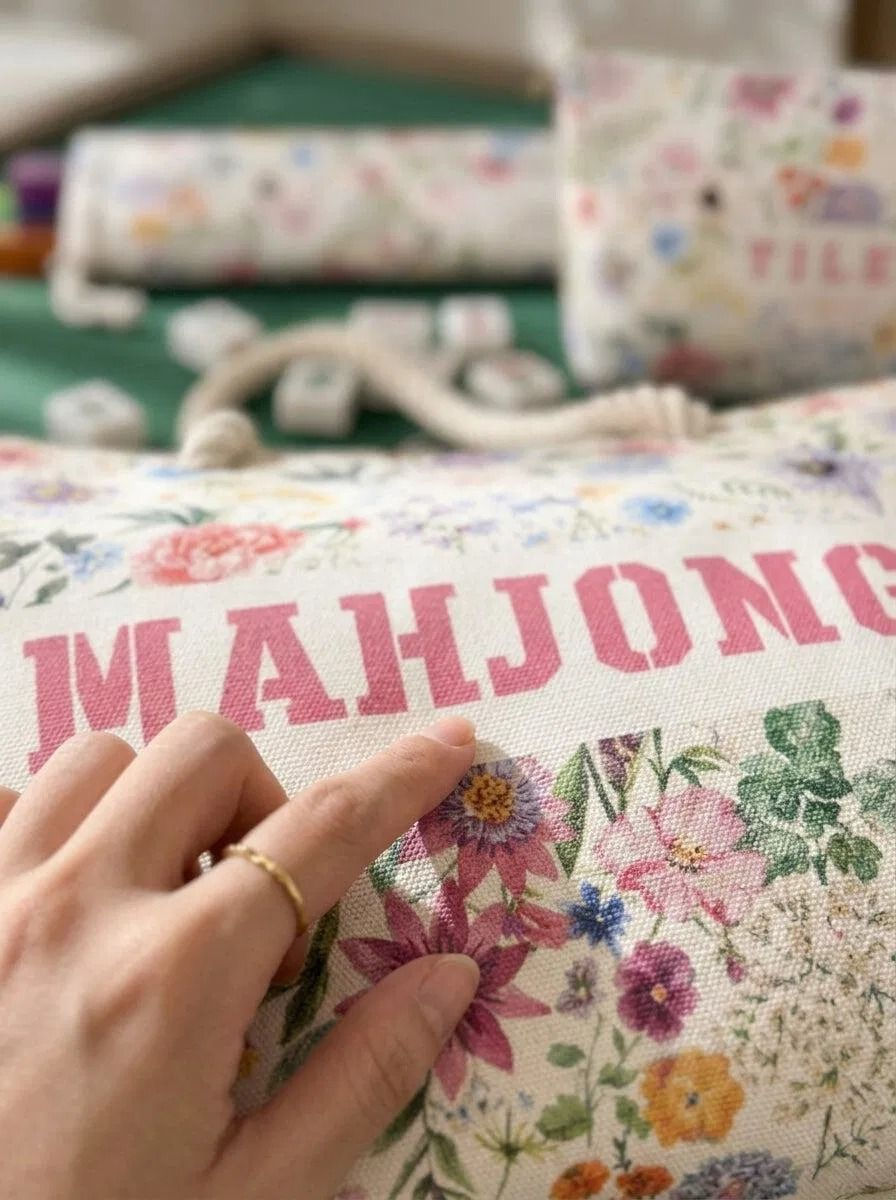
Beach mahjong tournaments use standard American mahjong rules (152 tiles, current year's card, no sequences) played across multiple rounds with rotating opponents. Most casual beach events run a round-robin (each player faces every other once) or Swiss-system (players paired by win-loss record) over 3–6 rounds, typically 30–60 minutes per round. Scoring follows the National Mah Jongg League card. Teams often rotate seats after each hand to balance luck and skill. Key adjustment: use a protective mat (critical for wind and sand), acrylic tiles instead of bone-bamboo (sand-resistant, durable), sealed bags for storage, and a windscreen or tent if possible. Entry fees or scoring sheets track standings. Our acrylic sets and travel bags let you pack everything together and keep sand out. Most tournaments cap at 20–40 players in one session, with casual events on weekends or during organized beach weeks.
What tournament format works best for a beach setting?
Round-robin and Swiss-system are the two workhorse formats. Round-robin pairs every player once; easiest to run, fairest for small groups (8–16 players), but doesn't scale past 20 without running all day. Swiss-system pairs players by record each round—winners play winners, losers play losers—reducing total rounds needed and letting you host 24+ players in 4–5 hours. Casual beach groups often mix: play 3 round-robin rounds with friends, then tally points as if Swiss. Pick round-robin if everyone knows each other and you want social play over strict ranking. Choose Swiss if you're running a formal event and want competitive balance without exhausting yourself pairing boards.

How do you keep sand and salt water away from tiles?
Acrylic tiles beat bone-bamboo at the beach. Sand scratches and discolors ivory; salt corrodes glue. Acrylic shrugs off both—rinse with fresh water after play, dry, stow in a sealed bag. Three-layer defense: (1) use acrylic tiles from a durable set, (2) store them in a zippered travel bag with a hard shell or thick padding, and (3) lay a protective mat under the board—it catches wind-blown sand and defines your play zone. Many players put the mat inside a pop-up tent or beach umbrella's shadow. Never leave tiles loose in the sand or open to spray.
What's the right scoring system for a tournament?
American mahjong tournaments use hand-by-hand points (each hand scores per the card) or cumulative round scores. Most beach events adopt hand-by-hand: winner of each hand gets the point value from the card (doubled or tripled if concealed hand, self-drawn, or special conditions apply); other players pay. Four-player game, so settlement is 1-v-3 (winner takes points from the three losers equally). After 4 hands (one full rotation of who dealt), tally. After 3–6 rounds, highest cumulative score wins. Example: Hand scores 30 points. Winner gets 30; each loser pays 10 (or 10 each = 30 total to winner). Track on paper or a tournament sheet. Some groups add tie-breaker rules: if two players tie on points, the one with more wins plays the other; if still tied, average points per hand or coin flip. Always agree on scoring before round one.
How do you rotate players fairly across rounds?
Seat rotation keeps fortune balanced. After each hand, rotate clockwise: North → East → South → West → North. After four hands, all players have dealt once (one round complete). Between rounds, rotate table assignments. In round-robin, a pairing chart ensures no two players meet twice. For Swiss-system, use a pairing algorithm or online tool (search "swiss tournament pairing generator") to group winners and losers; most are free and tournament-grade. For a 12-player beach event: assign three tables (4 players each). After round 1, move players so no one repeats a table. If someone sits out in an odd-number group, rotate the bye fairly—no player should sit out more than once per tournament. Post the pairings before round start so players know where to sit.
What equipment checklist keeps a beach tournament running?
Item | Quantity | Why it matters |
Acrylic tile set (152 tiles + spares) | 1 per table | Sand-proof, visible in sunlight |
Protective mat | 1 per table | Blocks wind and sand; defines play zone |
Pushers & racks | 4 per table | Easier grip with sandy hands; keeps tiles upright |
Travel bag or case | 1 per set | Sealed storage; portable between rounds |
Current year's card | 1 per player (at least 2 per table) | Waterproof laminated copy best |
Scoring sheet & pencil | 1 per table | Waterproof paper or laminated pad |
Tent or umbrella | As many as feasible | Sun, wind, salt spray protection |
Fresh water rinse | 1 jug per area | Rinse tiles after play to remove salt |
Windscreen or sandbags | Optional | Keeps tiles and mat stable in gusts |
Explore durable sets built for outdoor play →

How do you track standings and announce winners?
Keep a live scoreboard posted at base camp—a whiteboard or laminated sheet with player names and cumulative scores. Update after each round so everyone sees their standing. For Swiss-system, also post the next round's pairings 15 minutes before start; gives players time to grab water and reset. Final standing: highest cumulative points wins; tally in front of witnesses to avoid disputes. If you're running prizes, award 1st, 2nd, 3rd place (or more if a big event). Some groups do a bonus draw for "most consecutive wins" or "closest game"—builds community and rewards both skill and luck. Announce at a group gathering or via text thread after the tournament; makes winning memorable.
🀄 Shop best-selling mahjong sets →
What to check before you buy gear for beach tournaments
Tile material: acrylic, not bone-bamboo. Acrylic handles salt and sand; bone absorbs moisture and warps.
Mat durability: look for reinforced stitching and non-slip backing. Wind tugs hard; a flimsy mat lets tiles scatter.
Bag seal: zippered or snap-sealed. Open bags let sand in during transport.
Card protection: waterproof laminate, not paper. Sun bleaches paper; salt curls edges.
Rack grip: textured handles or pushers that don't slip when sandy or sweaty. Smooth plastic drops easily.
Spare tiles: sets come with a few extra jokers and blanks. Beach play sees accidental losses; confirm your set includes spares.
Storage temperature: acrylic expands in heat. Keep in shade before play; don't leave in sun-baked car overnight.
How do you organize a first beach tournament?
Start small: 8–12 players, one table-set or two for rotation. Pick a calm Saturday morning in summer (fewer swimmers, calmer wind). Book a pavilion or shaded area if available—libraries, parks, and beach clubs often rent space cheaply. Send a group text one week ahead: date, time, format (round-robin or Swiss), entry fee (if any), what to bring (card, water, towel), and parking info. Arrive 30 minutes early to set up mat, tiles, shade, and scoring sheet. Run 3–4 rounds of 30–45 minutes each, with a 10-minute break between rounds for water and chat. Keep a running scoreboard on a laminated sheet. After final round, tally and announce winners. Total time: 3.5–4.5 hours for a casual 12-player event.
🎁 See our most-loved mahjong sets & accessories →
What's different about beach mahjong vs. regular play?
Wind and sight: beach wind jostles tiles; a mat and tent become non-negotiable. Sun glare makes darker tiles harder to read—acrylic's shine helps visibility. Sand ingress: every tile will touch sand eventually; acrylic cleans with fresh water; bone doesn't. Time: casual social play shrinks from typical 2-hour sessions to 30–45 minute rounds so players rotate and stay fresh. Scoring: still National Mah Jongg League card, but shorter rounds mean fewer "miracle" comeback hands. Player endurance: heat and sun tire players faster; more breaks and lighter rounds than winter living-room marathons.
✨ Find your Mahstead set — free US shipping →
FAQ
Can you play mahjong on regular beach sand without a mat?
Not well. Sand sticks to tiles, wind scatters them, and you'll lose pieces. A mat is essential—it protects tiles, defines your boundary, and lets you play fast enough for tournament rounds.
Do acrylic tiles stay cooler than bone in beach sun?
Both warm up, but acrylic's smoother surface feels less sticky when sweaty. Neither overheats enough to warp, but store both in shade between rounds to keep them easy to grip.
What's the typical entry fee for a casual beach tournament?
$5–$15 per player covers organizer time and prizes. Some groups play for free and split winnings from a small pot. Always agree before play starts.
How many players can one table hold in a tournament?
Four. American mahjong is always 4-player. Larger tournaments run multiple tables on rotation, with pairings that ensure fair play across rounds.
Can you use home acrylic sets at the beach, or buy tournament-grade?
Home sets work fine if acrylic and complete (152 tiles + spares). Mahstead sets are made for travel and outdoor use—reinforced, acrylic, and paired with durable bags and mats—so you're ready to go without shopping twice.
If it rains, should we cancel or move the tournament indoors?
Light rain doesn't hurt acrylic tiles if you dry them after. Hard rain floods mats and makes tiles slippery; move to a shelter or reschedule. Always have a backup indoor spot or pavilion reservation.


View More
View More
View More
