
History of Siamese Mahjong: Rules, Origins & Regional Variants
Last updated: Nov 23, 2026
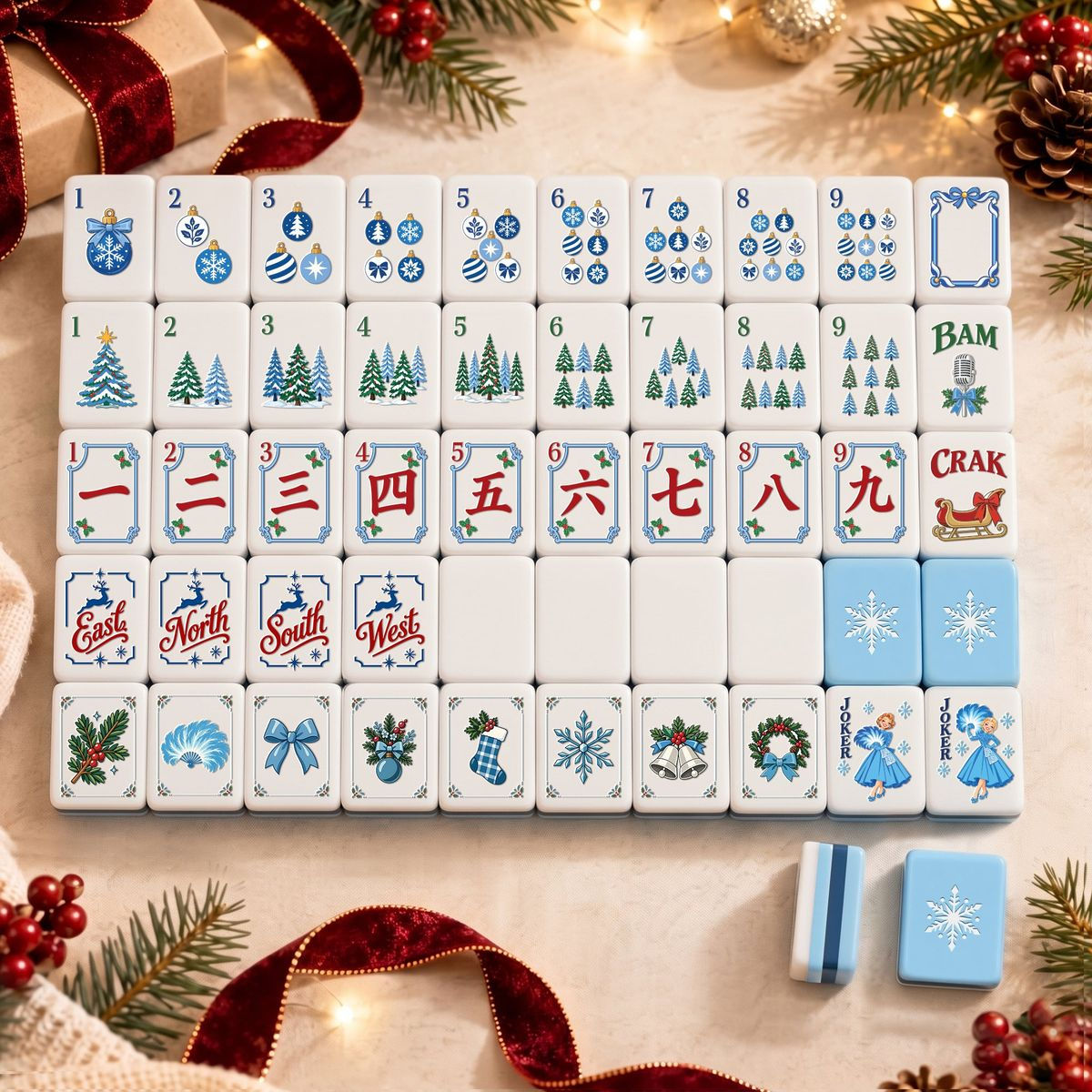
Siamese mahjong emerged in Thailand during the mid-20th century as a localized adaptation of classical Chinese mahjong, combining simplified rulebooks with cultural tile imagery. Unlike American mahjong—which uses a standardized hand card issued yearly and prohibits exposed sequences—Siamese play allows open chow calls and relies on memorized pattern books specific to Thai regions. The game uses 144 tiles (the classical count) divided into three suits, winds, dragons, and often regional flower tiles or custom honors. Play emphasizes speed and informal betting rather than formal scoring hierarchies. While the exact origins trace to Chinese merchant communities in Siam during the 1930s–1950s, Siamese mahjong developed distinct regional rule sets in Bangkok, Chiang Mai, and Phuket, each with variations in which melds can be exposed and how bonus tiles are scored.
How did Siamese mahjong originate and spread across Thailand?
Chinese traders and merchants arriving in Siam from the 1920s onward brought classical mahjong with them. By the 1930s–1950s, Thai communities adopted and adapted the game, simplifying certain rules to suit local preferences and adding culturally meaningful imagery to honor tiles. The game spread organically through family networks, marketplaces, and social gatherings rather than formal clubs. Bangkok became the cultural center, but distinct regional variants emerged in northern and southern Thailand as local players modified hand patterns and betting structures to reflect regional gaming traditions and available tile stocks. Siamese mahjong never achieved the centralized governance of American or Japanese mahjong leagues; instead, each region maintained its own rulebook, making travel between provinces a learning experience for serious players.

What are the core rule differences between Siamese and American mahjong?
American mahjong uses exactly 152 tiles plus jokers, prohibits exposed sequences (chows), requires yearly hand cards from a central league, and enforces strict scoring based on pattern matching. Siamese mahjong uses the classical 144-tile count, permits open chow calls (sequences of three consecutive numbered tiles in the same suit), relies on regionally memorized patterns rather than printed cards, and calculates scores through a looser points system tied to tile combinations and betting rounds. American play is turn-based with a single discard per player; Siamese play can move faster with simultaneous melds and rapid discards. American mahjong also uses eight jokers that follow strict rules, whereas Siamese sets often include regional blank tiles or custom jokers varying by province. The two games are strategically incompatible; a player fluent in American rules cannot immediately play Siamese without learning local pattern books and meld conventions.
Aspect | American Mahjong | Siamese Mahjong |
Tile count | 152 tiles + 8 jokers | 144 tiles (classical) |
Hand reference | Yearly league card (printed) | Regional memorized patterns |
Sequences (chows) | Not allowed; never exposed | Allowed and can be called open |
Scoring | Pattern-based points, fixed tables | Points tied to melds and bet rounds |
Play speed | Formal, turn-by-turn | Often faster, informal |
Joker rules | Strict (never in singles/pairs) | Regional variations, sometimes looser |
Governance | Centralized league (USA) | Regional, no formal league |
What regional variations exist within Siamese mahjong?
Thailand's geography and regional gaming culture produced three major Siamese mahjong traditions. Bangkok style emphasizes aggressive chow calling and rapid discards; the rulebook is tighter than provincial variants and favors players who memorize common hand patterns quickly. Northern style (Chiang Mai, Lamphun) incorporates local honor tile designs featuring regional symbols and permits slightly looser chow-sequencing rules; older players in the north often teach newcomers through oral tradition rather than written guides. Southern style (Phuket, Krabi) developed around port communities and reflects stronger Chinese merchant influences; this variant sometimes permits higher-scoring bonus tiles and allows more flexible hand compositions. Each region guards its rulebook fiercely; visiting players are expected to ask local organizers for clarification before joining a game. Modern players traveling between provinces often carry a personal notebook of rule variants they've learned, creating a living oral history of the game's regional evolution.
How does tile design reflect Siamese cultural identity in mahjong?
Siamese mahjong sets incorporate Thai cultural imagery on honor tiles—flowers, symbols, and script in Thai characters rather than Chinese characters alone. Dragon tiles often feature gold leaf or bright enamel in distinctly Thai aesthetic styles. Wind tiles include Thai-language labels alongside classical Chinese symbols. Flower and season tiles sometimes depict Thai flora (orchids, jasmine, lotus) rather than generic botanical imagery. These design choices serve both practical and cultural functions: they make the game immediately recognizable as Thai property, aid players who read Thai better than classical Chinese, and mark the tiles as locally crafted or imported through Thai channels. Vintage sets from the 1960s–1980s are prized by collectors for their hand-painted Thai artistry; modern factory-produced sets maintain the cultural design tradition while improving tile durability and consistency. A player holding a traditionally designed Siamese set signals community membership and respect for Thai gaming heritage.

How do Siamese players learn and teach the game today?
Siamese mahjong transmission occurs almost entirely through family mentorship and peer teaching during weekly home games rather than formal schools or published rulebooks. Mothers teach daughters; uncles teach nephews. A newcomer sits with an experienced player, watches 2–3 hands, asks clarifying questions about specific melds or discards, and learns through repeated play over weeks. Some Bangkok community centers and senior clubs post house rules on printed sheets, but standardized instructional books remain rare compared to American or Japanese mahjong guides. Regional variation actually strengthens the teaching tradition: each group becomes a keeper of its own rules, and visitors learn to ask before playing. In tourism areas, resort staff sometimes offer simplified "tourist mahjong" lessons, but these rarely reflect authentic regional play. Modern Thai YouTube channels and LINE group chats have begun documenting regional rulebooks, though gatekeeping persists—locals sometimes resist outside codification of their informal knowledge. For serious learners, relocation to a Thai community with regular gaming groups remains the primary path to fluency.
🀄 Shop best-selling mahjong sets →
What equipment do Siamese players use, and how does it compare to American sets?
Siamese mahjong sets come in bamboo racks with pushers, felt or vinyl play mats, and soft cloth bags—equipment closely parallel to American setups. Tiles are typically heavier bone or dense plastic than modern American acrylic, reflecting traditional craftsmanship; some vintage sets use genuine bone and bamboo, now rare and expensive. Racks are often simpler than American designs, with less mechanical precision, reflecting the game's informal social context. Dice are standard six-sided bone or plastic cubes, same as American play. The major difference lies in customization: American sets are increasingly personalized with engraved family names or club insignia; Siamese sets are decorated with Thai cultural imagery and regional maker marks. Modern Siamese players who also enjoy American mahjong sometimes keep two separate sets to avoid confusion—the tile designs, sizes, and joker ratios are different enough that switching between games mid-week can disrupt muscle memory and rule recall. Quality Siamese sets from reputable Thai makers remain affordable and durable enough for weekly play lasting years.
🎁 See our most-loved mahjong sets & accessories →
What to check before you buy a Siamese mahjong set for home play
Confirm tile count: Authentic Siamese sets use 144 tiles, not 152 (American) or 160 (with spares).
Verify language on tiles: Thai script should appear on honor tiles; all-Chinese sets may not reflect regional variants you're learning.
Test rack fit: Ensure bamboo or plastic racks accommodate slightly thicker or uniquely shaped tiles; American-sized racks may be incompatible.
Check bag durability: Siamese set bags wear faster than modern American nylon; a reinforced cloth or soft-shell case extends set life through regular travel.
Ask the seller about regional rulebook: Purchasing a Bangkok-style set without Bangkok house rules risks confusion at a Chiang Mai game.
Inspect for missing or mismatched tiles: Informal manufacturing sometimes results in incomplete sets; count all 144 tiles before play.
If you're starting with American mahjong and want to explore Siamese play later, our best-selling collection includes sets with clear tile sizing and quality racks that make learning both variants easier without equipment confusion.
✨ Find your Mahstead set — free US shipping →

FAQ
Is Siamese mahjong the same as Thai mahjong?
Yes—Siamese and Thai mahjong are used interchangeably to describe the regional game played in Thailand. "Siamese" is the older colonial term for Thailand; modern players often say "Thai mahjong." Both terms refer to the same rule set and cultural tradition.
Can I use an American mahjong set to play Siamese rules?
Not reliably. American sets have 152 tiles plus jokers; Siamese uses 144 classical tiles. Tile thicknesses and joker behavior also differ. Mixing sets causes rule confusion and play errors. Keep them separate if you learn both variants.
Are Siamese mahjong hand patterns written down anywhere?
Regional hand books exist in Thai and circulate among active players, but no globally standardized published guide exists like the American league card. Knowledge is regional and often taught orally. Asking local players is your best resource.
How long does it take to learn Siamese mahjong if I already know American mahjong?
Expect 4–8 weeks of weekly play with patient mentors. Your tile-reading speed transfers, but chow-sequencing rules, hand memorization, and betting norms require new learning. Starting mistakes are normal and expected in Thai gaming culture.
Where can I find a Siamese mahjong set in the United States?
Specialized mahjong retailers occasionally stock Thai sets; online sellers in Thailand and Southeast Asian communities in major US cities carry authentic options. American mahjong retailers rarely stock Siamese sets, as American demand is much higher. Verify the tile count (144, not 152) before purchasing online.
Do Siamese mahjong tiles include jokers like American sets?
Yes, but the number and behavior vary by region. Some Siamese sets include 2–4 wild tiles; others use regional blank tiles. Rules around joker placement and scoring differ from strict American joker rules, making regional guidance essential before your first game.


View More
View More
View More
