
History of Malaysian Mahjong: Origins and Modern Play
Last updated: Nov 23, 2026
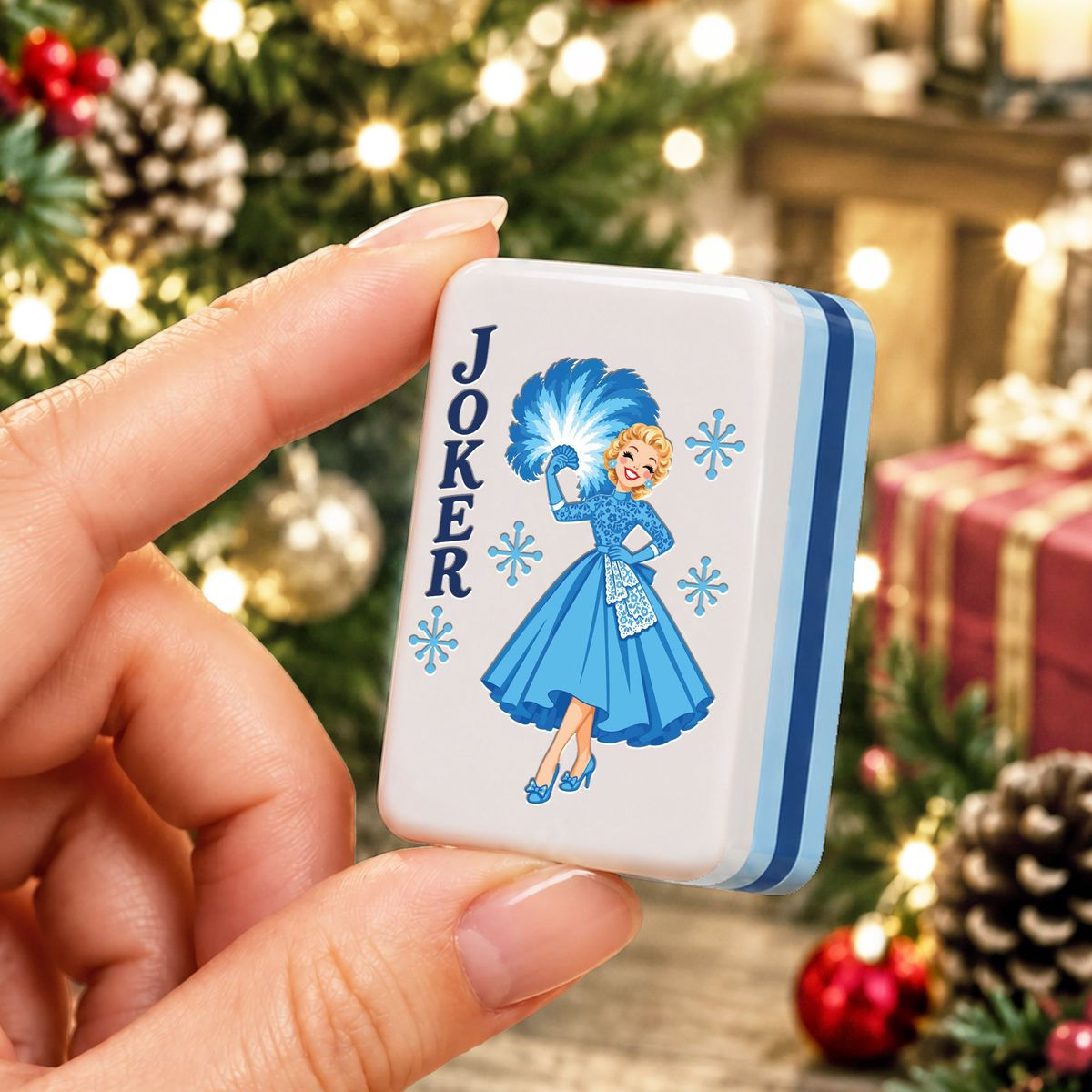
Malaysian mahjong emerged when Chinese laborers and merchants arrived in Malaysia during the 19th and early 20th centuries, bringing classical Chinese mahjong with them. The game gradually absorbed local preferences: Malaysian players developed unique hand combinations, betting conventions, and a slightly modified tile system that differs from Cantonese and American variants. The standard Malaysian game uses 144 tiles (same base set as classical Chinese mahjong: three suits, winds, dragons, flowers, and seasons), but hand patterns, discarding strategy, and scoring rules evolved distinctly. By mid-20th century, Malaysian mahjong had solidified its own identity, played widely in homes, clubs, and community centers across Kuala Lumpur, Penang, and Singapore. Unlike American mahjong, which relies on an annual card for legal hands, Malaysian mahjong uses memorized hand types passed down through players—a living oral tradition that continues today.
When did Malaysian mahjong become a distinct game?
Malaysian mahjong took shape gradually between 1880 and 1950. Chinese settlers played their home region's variants—Cantonese, Fujian, and Chaoshan styles—but over decades, local players merged these traditions into a unified Malaysian style. By the 1930s–1950s, Malaysian mahjong had recognizable house rules and hand patterns that distinguished it from mainland Chinese play. Community played a major role: unlike formal leagues in Western countries, Malaysian mahjong spread through family networks, workplace groups, and neighborhood gatherings where rules were taught orally and refined through live play rather than written standards.

How does Malaysian mahjong differ from Chinese and American variants?
Malaysian mahjong sits between classical Chinese mahjong and American mahjong on the spectrum of rule complexity. It retains the 144-tile base and permits both chows (sequences: 1-2-3, 2-3-4, etc.) and pungs (three identical tiles), unlike American mahjong, which forbids chows entirely. There is no "annual card" like American mahjong uses; instead, players rely on memorized hand types and local house rules that vary by region and club. Scoring is typically lower and faster than Cantonese play, and jokers (or wildcards) are often used more liberally. The pace is generally quicker, with less formal notation and more conversational play. Malaysian players often use Hokkien or Cantonese terms for tiles and actions, reflecting the immigrant heritage—a linguistic legacy absent from American mahjong.
What are the core rules of Malaysian mahjong play?
Malaysian mahjong begins with each player drawing 13 tiles; the dealer draws a 14th and discards to open the round. Players then draw and discard in turn, calling "pung" (claiming three identical tiles from the discard), "chow" (claiming a sequence), "kong" (claiming four identical tiles), or "hu" (declaring a winning hand). A hand wins when it consists of four melds (sets of three or four) plus one pair, totaling 14 tiles. Melds can be formed from the draw or from discards; exposed melds stay on the table. Jokers—if used in a particular game—substitute for any tile in a meld. Unlike American mahjong's rigid card-based validation, Malaysian hands are validated by players and house rules; no external standard governs legality. Scoring varies widely: some groups use simple point counts (10, 20, 30 points per hand), while others employ elaborate multipliers based on hand difficulty and dominant suits. The lack of a single governing standard means players must agree on scoring before starting.
🀄 Shop best-selling mahjong sets →
Which regions in Malaysia play mahjong most actively?
Kuala Lumpur, Penang, and Selangor are mahjong strongholds, though the game thrives in every state. Urban areas host formal clubs and cafés with dedicated mahjong tables; rural communities play in homes and community centers. Singapore, though a city-state, adopted Malaysian mahjong early and maintains parallel house-rule traditions. Johor Bahru, on Malaysia's southern border, sits at an intersection of Malaysian and Singaporean styles. Sabah and Sarawak (Malaysian Borneo) developed slightly different regional variations, with some adopting more Hong Kong influences. The game's geography matters: players who learned in Penang may know different hand patterns than those from KL, yet mutual respect and "house rules negotiation" before play keep the regional game unified. This decentralized, community-based spread contrasts sharply with American mahjong's nationwide standardization through the National Mah Jongg League card.

How does Malaysian mahjong teaching and learning work today?
In Malaysia, mahjong is learned through immersion rather than formal classes. A family member, friend, or elder teaches a new player by sitting with them, calling out tiles verbally, and explaining hand types through example hands played over several evenings. Beginners observe for weeks before playing for small stakes. Clubs and community centers occasionally host "teaching tables" where experienced players welcome newcomers. No written syllabus or standardized curriculum exists; instead, knowledge is transmitted orally, hand-coded in memory, and refined through thousands of rounds. This method preserves the social fabric of the game—learning is bonding—but also means regional variation persists. Young Malaysians increasingly learn through online videos and international mahjong forums, introducing them to Cantonese, Hong Kong, Riichi (Japanese), and American styles alongside their local game. Hybrid play is now common in cosmopolitan areas, where a table may combine Malaysian hand patterns with American tile sets or Hong Kong scoring.
Aspect | Malaysian Mahjong | American Mahjong | Cantonese Mahjong |
Tile count | 144 | 152 (+ 8 jokers) | 144 |
Sequences allowed | Yes (chows) | No | Yes |
Hand validation | House rules, oral tradition | National Mah Jongg League annual card | Regional standards, no formal card |
Jokers/wildcards | Optional, regional use | Always 8 jokers; never in pair | None (classical) |
Scoring system | Simple or elaborate (house rules) | Complex point-based table per card | Point-based, regional multipliers |
Learning method | Family/social, oral transmission | Classes, rulebooks, coaching | Clubs, written guides |
Geographic anchor | Malaysia, Singapore, Brunei | USA, Canada, Australia | Hong Kong, Guangdong, China |
🎁 See our most-loved mahjong sets & accessories →
What is the social and cultural role of Malaysian mahjong?
Mahjong in Malaysia is woven into social life: weekend family gatherings, workplace lunch breaks, and retirement community routines all revolve around the game. Unlike the stereotype of high-stakes gambling in some Asian mahjong cultures, Malaysian mahjong is predominantly casual, played for fun and modest friendly bets (ringgit amounts small enough to keep the social bond primary). Mothers, grandmothers, and aunts often organize regular "mahjong circles" meeting weekly or monthly; these are social anchors where gossip, advice, and community news flow alongside tile play. Business professionals play at clubs after work; students play in dormitories and cafés. The game has no gender barrier—men and women play together freely. Mahjong cafés are informal social hubs, not gambling dens; a player can order tea or coffee and stay for hours. In this sense, Malaysian mahjong mirrors its broader Asian role as a social technology—a framework for gathering that happens to involve tiles, rather than a primarily competitive sport. This social-first orientation distinguishes it from American mahjong, which, while social, is more often structured around learning the NMJL card and executing memorized hands as a skill challenge.
What to check before you play Malaysian mahjong for the first time
Clarify the house rules before sitting down. Ask: Do we use jokers? Which hand types are legal? How is scoring done—simple points or multipliers? Who decides a meld is valid if there's dispute? What is the betting amount per round? Are there any forbidden hands or suit restrictions? In a new group, take the first two games as observation rounds: watch how tiles flow, listen to the terminology, and note which hands players celebrate. Bring a mahjong set that's comfortable to handle—tiles should be large enough to read quickly and weighty enough not to slip on a mat. Many Malaysian players use acrylic tiles (less fragile than bone and bamboo, easier to clean). Understand that Malaysian mahjong is oral and adaptive, not rule-bound: players resolve disputes through consensus and past convention, not a written rulebook. Expect to ask questions; experienced players enjoy teaching and will not penalize curiosity.
Why Malaysian mahjong endures despite global variants
Malaysian mahjong survives and thrives because it belongs to a community, not an institution. There is no "Malaysian Mah Jongg League" issuing annual cards; instead, local knowledge, family tradition, and social bonds sustain the game. This decentralization is a strength: each region can adapt without losing identity, and new players are welcomed into existing social circles rather than asked to join a formal organization. The game also reflects Malaysia's multicultural identity—Chinese tradition, adopted by Malay and Indian Malaysians, carried forward by successive generations as neutral common ground. In an age of standardized global entertainment, Malaysian mahjong remains stubbornly local, learned by presence and conversation rather than downloaded from an app or codified in a book. This is its fragility and its magic.
✨ Find your Mahstead set — free US shipping →

FAQ
Is Malaysian mahjong the same as Cantonese mahjong?
No. Malaysian mahjong evolved separately from Cantonese mahjong, though both use 144 tiles and allow chows. Malaysian rules, hand types, and scoring differ, and were adapted locally over the 20th century. Regional variations within Malaysia also exist; Penang and KL may have slightly different conventions.
Do Malaysian mahjong players use jokers?
It depends on house rules. Some groups use jokers (wildcards) as substitutes for any tile; others play classical mahjong without them. Always ask before joining a game which variant your group plays.
Can I learn Malaysian mahjong from an online video or book?
Books and videos help with basic mechanics and tile names, but Malaysian mahjong is truly learned by playing alongside experienced players. The oral tradition means nuance—which hands are preferred, how to read other players, local betting etiquette—comes through immersion, not text.
How long does a Malaysian mahjong game take?
A typical session lasts 1–3 hours, with individual rounds taking 15–30 minutes depending on pace and player skill. Social games are often slower than competitive play.
What is the betting structure in Malaysian mahjong?
Betting varies by region and group. Most casual play involves small friendly bets (ringgit amounts, equivalent to a coffee's cost) per hand or per session. Some clubs have ante systems; others play for fun without money. Always agree on the bet before starting.
Can I play Malaysian mahjong with an American mahjong set?
Technically, yes—both use tiles—but it is not ideal. American sets have 152 tiles plus jokers and are designed for that system's hand types. Malaysian play works best with a 144-tile set with recognizable Chinese characters and suit symbols. A standard best-selling acrylic set with clear markings works well for learning.


View More
View More
View More
