
Hangzhou Mahjong Scoring: Rules & Point Values
Last updated: Nov 23, 2026
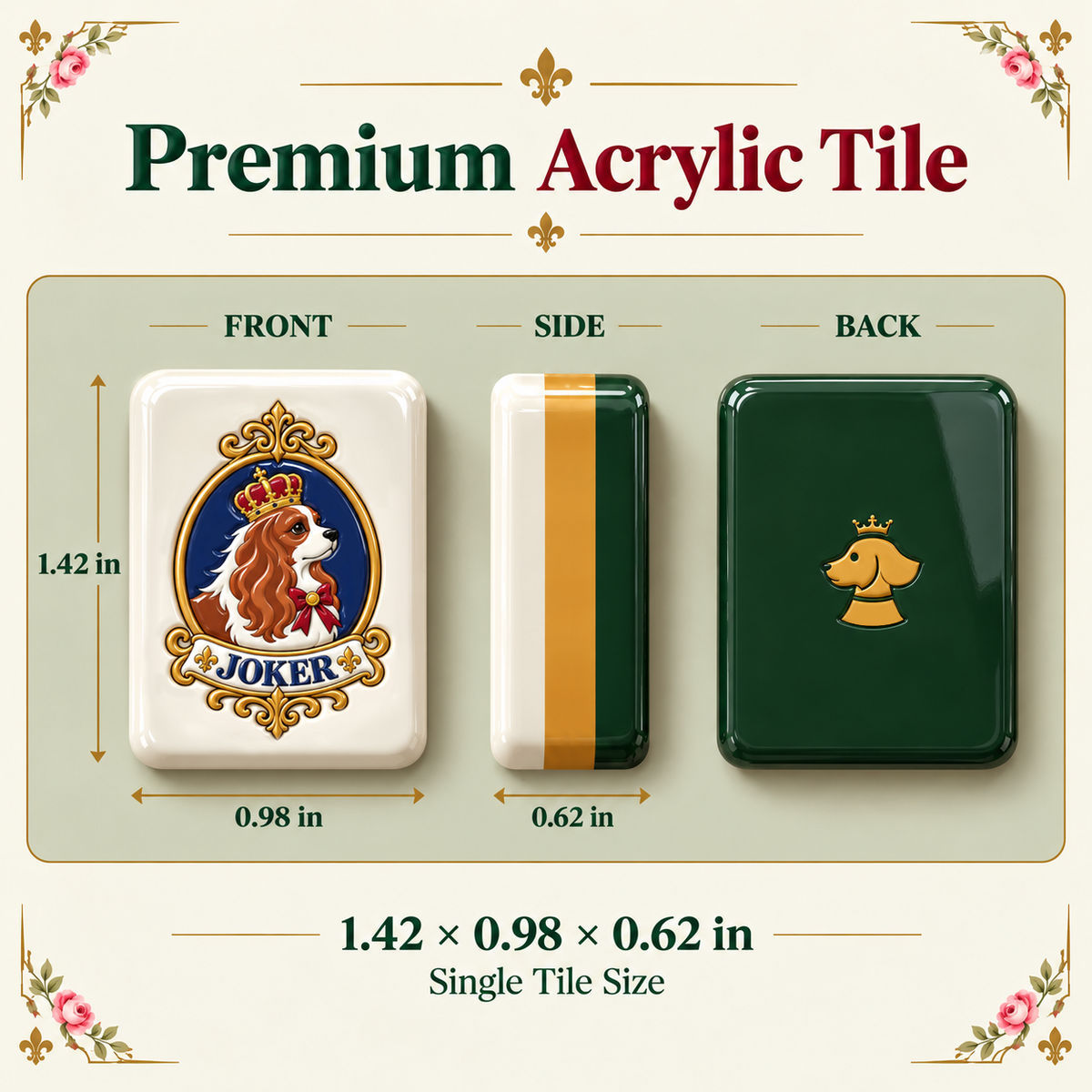
Hangzhou mahjong scoring awards points based on hand structure—concealed vs. exposed melds, wait type (single tile, pair, or sequence), and special hands—rather than matching a fixed pattern card. Players count "fan" (doubles, like American "doubles" on a hand) and "fu" (base points from melds and waits), then multiply by 2 for each fan to reach the final payment. A basic non-special hand might score 2 fan and 30 fu, paying 240 points to the discarder; winning off the wall (self-drawn) often scores higher. Hangzhou play is fluid—no seasonal card, no jokers in combinations, no exposed sequences—and scoring moves fast once you memorize the fan and fu tables. If you move from American to Hangzhou mahjong, expect to learn a new rulebook; the tile composition and basic hand-winning logic stay similar, but the point system is entirely separate.
Hangzhou mahjong scoring differs dramatically from American mahjong scoring. American players see a pattern card each spring and must match exact hand designs; Hangzhou players build hands freely and calculate value by counting structural features. The good news: once you master the fan and fu system, Hangzhou scoring becomes consistent and logical.
We host weekly games mixing American and Hangzhou players, and the shift always takes newcomers a night or two. Here's what you need to know to play and score correctly.
How do fan and fu work in Hangzhou mahjong?
Fan (翻, "doubles") and fu (符, "base points") are the two scoring pillars. Fu starts at a minimum—usually 30 for a non-self-drawn hand with simple melds—and grows when you add certain features: a pair of dragons, a "pung of terminals" (three 1s or 9s), a self-drawn win. Fan layers on top: each fan-building feature (a concealed pung, a hand with no sequences, a pung of 1s or 9s) adds one fan. You multiply base fu by 2^fan to get the total. Example: a hand with 30 fu and 2 fan pays 30 × 4 = 120 points per player.

What counts as a fan in Hangzhou play?
Common fan-building elements include a concealed pung (three identical tiles you kept hidden until winning), an all-pungs hand (no sequences), a pung of terminal tiles (1 or 9), or a pung of wind/dragon tiles. Self-drawn wins often add 1 fan automatically. Some rule sets recognize "half-fan" reductions for simple hands or special losing penalties. The exact list varies by region—Hangzhou rules differ slightly from Shanghai or Chongqing play—so always agree on your house rule set before the game starts.
Why does self-drawn win score higher than discard win?
Winning off your own draw (自摸) means you built your hand yourself without waiting for a discarder's tile, so the game recognizes extra skill. Self-drawn wins typically start at 2 fan minimum, whereas discard wins begin at 1 fan. This keeps the game rewarding both careful tile management and bold calling.
How do payment flows work at the table?
In a discard win, the player who threw the losing tile pays the winner alone. In a self-drawn win, all three other players pay the winner equally—usually double the discard rate. So if a discard win is 120 points, a self-drawn hand might be 240 per opponent. Track scores carefully; many groups use paper sheets to tally round by round. If you're new to Hangzhou, ask the table to call scores aloud before each payout so you can learn the pattern.
How does Hangzhou scoring compare to American mahjong?
Aspect | Hangzhou | American |
Scoring basis | Fan/fu calculation | Fixed pattern card |
Jokers in melds | Not allowed | Often allowed |
Sequences (chow) | Can be exposed | Never exposed |
Win types | Self-drawn or discard | Always from discard |
Seasonal card | No card used | New card each spring |
Flexibility | Build hands freely | Match exact designs |
Difficulty shift | Memorize fan tables | Learn pattern card |
American players often find Hangzhou's freedom to build any concealed hand liberating; Hangzhou players can feel constrained by the fixed American card. Both systems are rigorous—just in different directions.
🀄 Shop best-selling mahjong sets →

What mistakes slow down scoring at the table?
New Hangzhou players often forget that exposing a pung (calling a meld from another player's discard) cancels the "concealed pung" fan, costing points. Others miscalculate fu because they forget terminal pungs (1 or 9) are worth more than mid-number pungs. A third common trap: assuming self-drawn always pays double—some rule sets use fixed point tables instead. Read your group's rules once, write them down, and refer back before your first payout. If you're hosting regular games, print or laminate a best-selling mahjong set with your house rules clipped inside the box, so new players have instant access.
Which rule variants appear most in Hangzhou clubs?
The strictest Hangzhou rulebooks (used in tournaments) allow only specific scoring combinations and limit fan to a maximum—often 8 or 13. Casual club play tends to be looser: any reasonable hand scores, higher fan is always better. Shanghai and Chongqing play nearby but score differently: Shanghai often uses a "limit hand" (特殊手牌) system where certain ultra-rare hands score a flat maximum, while Chongqing allows unlimited fan stacking. Before you travel to play in a new city, ask the host for their fan and fu table; ten minutes of reading beats an hour of confusion at the table.
🎁 See our most-loved mahjong sets & accessories →
How do you keep scoring organized in a long session?
Use a scoresheet printed before the game. Write four columns (one per player) and rows for each round, then add the round payout in the column(s) of who paid or collected. Running totals at the end of play let everyone see who won. Many groups also take a photo of the scoresheet before the final tally so there's a record if someone disputes a total days later. A mahjong mat with a corner pocket or a mahjong bag with a tablet slot keeps your scoresheet safe and visible.
What to check before you buy into a Hangzhou game
Agree on the rule variant first: Hangzhou, Shanghai, Chongqing, or house rules. Ask for a fan/fu table in writing.
Confirm payment method: Do all players pay the winner equally on self-drawn, or does one pay extra? What if someone cannot pay—table chips or credit?
Verify tile composition: Hangzhou uses no flowers or jokers in most variants. Check that your set has 108 tile combinations (36 per suit, 16 winds, 12 dragons) before play.
Time the games: Hangzhou hands resolve fast. Agree on end time upfront so no one feels rushed or cheated.
✨ Find your Mahstead set — free US shipping →

FAQ
Can I use jokers in Hangzhou mahjong like I do in American?
No. Hangzhou mahjong prohibits jokers in melds; they are not used in standard play. American mahjong relies on jokers as wildcards, but Hangzhou requires all melds to be identical natural tiles.
What happens if a hand scores 0 fan?
It cannot win. In Hangzhou, every winning hand must score at least 1 fan (or a minimum fu if no fan applies). Hands with no scoring features do not count as valid wins.
Does the winner collect from one player or all three?
If the winner took the winning tile from the discard pile, only the discarder pays. If the winner drew from the wall, all three other players pay equally—usually double the single-player rate.
How do I learn the fan and fu tables fast?
Play 3–4 practice hands and ask the table to explain each fan earned. Most players can recite 10–15 common fan types quickly. Write down the top 5 for your ruleset and keep the sheet visible during your first sessions.
Is Hangzhou mahjong harder to score than American?
Different, not harder. American players must memorize a fixed card; Hangzhou players memorize fan/fu rules. After five games, most players find their variant intuitive. The real challenge is switching between both systems.


View More
View More
View More
