
Halloween Mahjong Party Cocktails: Tile-Themed Drinks & Setup
Last updated: Nov 23, 2026
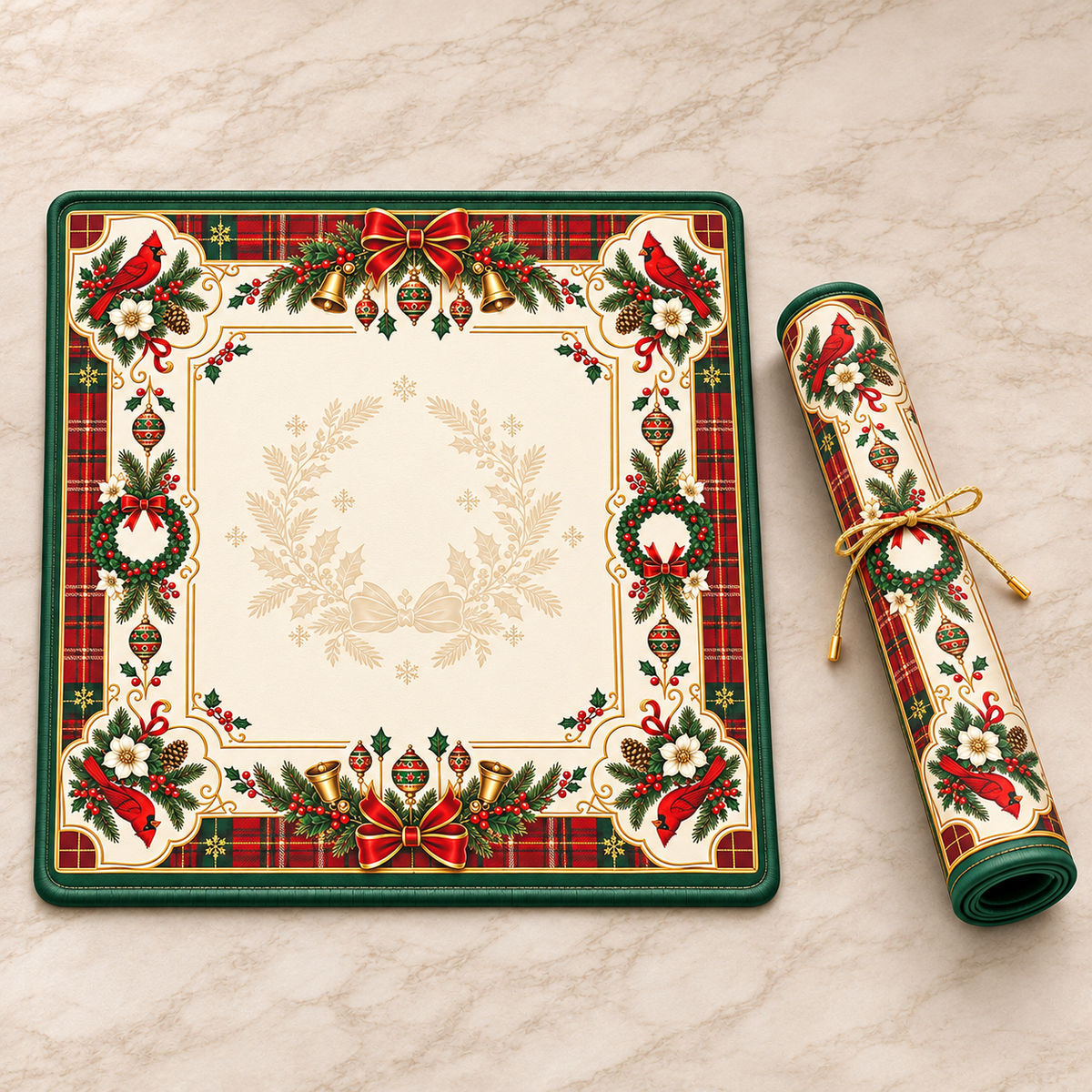
Halloween mahjong parties work best with a three-drink rotation, tile-coordinated snacks, and a comfortable playing surface. Serve one classic cocktail (Manhattan, Old Fashioned, or a spiced rum punch), one light option (wine spritzer or hard cider), and one non-alcoholic backup. Set the table with a mahjong mat to protect the playing surface, good lighting for tile clarity, and a small dish of candy or nuts nearby—never place drinks directly on the mat. Host groups of exactly four players; if you have extra guests, plan two tables or offer a spectator rotation. The prep takes 20 minutes; the actual game runs 90 minutes to two hours per session. Mahstead's acrylic sets come ready to play—no setup required beyond the mat and the current year's National Mah Jongg League card printed at your table.
What spirits pair best with a mahjong night?
Mahjong is a slow, social game—players sit for 90 minutes or more, so cocktails should complement conversation rather than demand quick consumption. A signature drink works best: a batch-made punch or a single classic spirit you can pour consistently lets the host stay seated. Bourbon-based cocktails (Old Fashioned, Manhattan) suit the cerebral pace; so do wine-forward aperitivos, sherry, or a spiced rum punch served warm or cold depending on your climate. Avoid high-proof shots or rapid-consumption formats—they spike focus loss and table friction. Keep one batch of a simple non-alcoholic option (sparkling cider, ginger ale with lime, or apple cider) available; not every player drinks, and dehydration kills strategy mid-game. Make all drinks before the first wall is built so you're not mixing midway through a hand.
How do you theme the table without breaking the game?
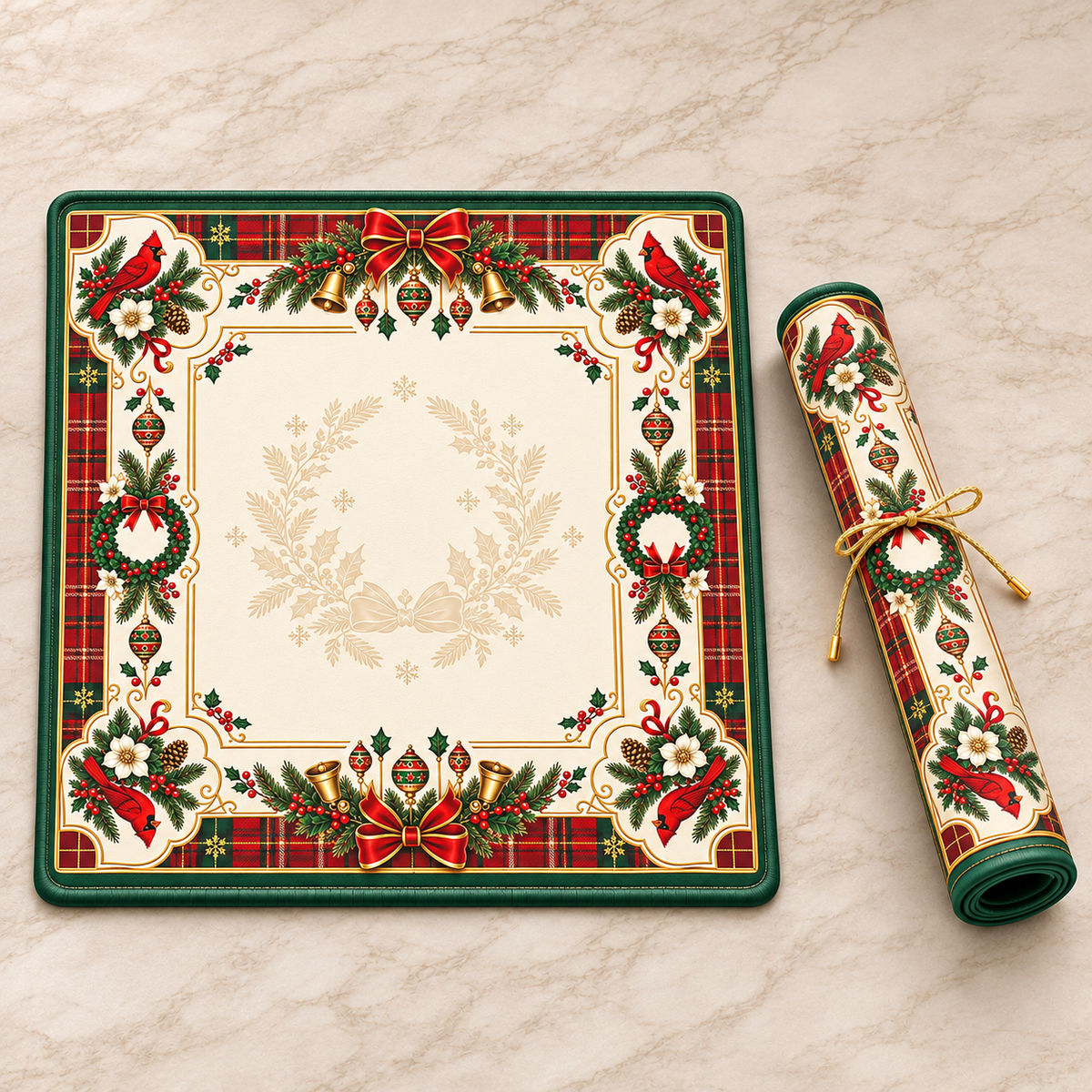
A Halloween mahjong table works when décor supports play, not competes with it. Place your mahjong mat as the centerpiece—it defines the play zone and protects from spills. Around the mat's perimeter, add small touches: a battery-powered orange or purple light strip (low-level, not strobing), a small vase with autumn branches, or a bowl of black or orange candy. Avoid hanging decorations above the table; they cast shadows that confuse tile reading. If you're using a custom engraved set with a humorous design (skulls, witches, pumpkins), that is your décor—let the tiles speak. Dim overhead lights and use one focused table lamp; glare on acrylic tiles is the enemy of good play. A themed tablecloth under the mat (not replacing it) works too, as long as the mat sits flat on top.
What snacks work alongside drinks at a mahjong table?
Snacks must be hand-friendly and non-greasy; tile smudges slow the game and frustrate players mid-hand. Offer nuts (unsalted almonds, candied pecans), dark chocolate Halloween shapes, or a small charcuterie board on a side table—not at the playing surface. Popcorn, pretzel sticks, and dried fruit stay in fingers without residue. Keep wet wipes or paper napkins within arm's reach; a quick hand-wipe between rounds keeps tiles readable. Cheese, dips, or anything requiring a plate or napkin forces players to step away mid-game, interrupting flow. A small candy bowl (hard candies, mints, gummies) placed beside the table, not on it, works as a between-hand ritual. Set a clear rule: drinks and snacks stay off the mat. One spilled cocktail ruins an acrylic set in seconds and can stain cloth or wood beneath it.
How many players and tables should you host?
Mahjong is a four-player game with no substitution mid-session—you need exactly four seated players per table. If you have 6–8 guests, host two simultaneous tables and rotate the role of scorekeeper or "house banker" among spectators; this keeps extras engaged. If you have exactly four, that's ideal: one host-seat lets you play or referee based on skill levels. For 5–7 people, set up one table and have one person sit out the first round, then rotate in at the hand break. Never add a fifth player or try a 2-or-3-player variant mid-party; the rules and tile counts change entirely, and it breaks the rhythm. For a Halloween theme, invite players whose skill levels are close—beginners mixed with advanced players stalls the night and frustrates both groups. A casual group of four to six friends of similar experience plays the smoothest.

What setup mistakes kill a Halloween mahjong party?
Mistake | Why It Fails | Fix |
Playing without a mat | Tiles slide, spill, scratch; drinks pool under the set. | Invest in a mahjong mat; it anchors tiles and shields the table. |
No printed 2026 card at the table | Players can't form legal hands and gameplay stalls. | Print one current-year NMJL card per table before guests arrive. |
Drinks directly on the mat surface | Acrylic tiles warp or become unplayable within minutes. | Use a small side table or coaster zone 12+ inches from play. |
Mixed skill levels, no coaching agreement | Advanced players dominate or check out; beginners feel lost. | Agree upfront: expert player coaches gently or plays separate table. |
Poor lighting (overhead glare or too-dim room) | Tile faces blur; players misread or mis-call hands. | Use one focused lamp behind or to the side; test it before guests come. |
Cocktails served during play | Players sip while concentrating; hands take twice as long. | Serve drinks before the first hand and during breaks only. |
🀄 Shop best-selling mahjong sets →
What equipment makes a Halloween mahjong party run smoothly?
The core gear is simple: a 160-tile acrylic set from our best-selling collection, a mahjong mat, racks with pushers for each player (keeps tile stacks neat and hands organized), and good storage in a bag or case if you're hosting multiple times. Acrylic tiles shine under party lighting and don't yellow or crack; for a Halloween vibe, look for sets with seasonal or witty engravings that double as conversation starters. Racks prevent the "leaning tower" of tiles that collapses mid-game and frustrates everyone; pushers let players discard cleanly without fumbling. A padded mat protects both the tiles and your table, absorbs tile-clash noise (important if a second table is running nearby), and gives players a soft surface to push tiles against. If you're hosting in a space with marginal table height (too low or too high), racks become essential—they level the playing surface ergonomically.
🎁 See our most-loved mahjong sets & accessories →
What to check before you buy or host
Tile count: Your set has exactly 152 playing tiles plus spares in a 160-tile box. Never add extra jokers or blanks to the game itself.
Mat size: Measure your table; a mat should fit comfortably without overhang that catches elbows. Standard mats are designed for four-player setups.
Racks & pushers: If players have never used racks, demonstrate before the first hand. A 30-second demo saves 10 minutes of fumbling.
Lighting: Test your table lamp one hour before guests arrive; glare or shadows on acrylic tiles are hard to fix mid-party.
Card: Print the current-year National Mah Jongg League card. Laminate it if you're hosting regularly; spills happen.
Backup set: If you're hosting two tables, have a second set ready. A broken tile or missing joker mid-game can't be fixed mid-hand.
✨ Find your Mahstead set — free US shipping →

FAQ
Can you play mahjong with fewer than four players at a Halloween party?
Yes, but rules and tile counts change entirely. Two- or three-player variants use fewer tiles and different hand structures; they're slower and less social than four-player. For a party, stick with four per table and rotate spectators in during breaks.
What's the best non-alcoholic cocktail for a mahjong table?
Sparkling cider with fresh lime, pomegranate juice with ginger ale, or spiced apple cider served cold or warm. Mix them in a pitcher beforehand so you're not pouring mid-hand. Hard cider or kombucha work too if you want an option that feels festive without high alcohol.
Do I need to engrave my set with Halloween designs?
No—any standard set works perfectly. Engraving adds personality and a great conversation opener, especially if your group hosts monthly; it becomes "the witches' set" or "the skull set" and builds tradition. But it's purely optional for one-off parties.
How long does a typical Halloween mahjong game take?
One hand runs 10–20 minutes depending on skill and table talk. A full evening (four hands plus breaks and setup) is about two to three hours. Beginners take longer; play a practice hand beforehand if anyone is new.
Should I provide scorecards or keep score on my phone?
Scorecards work best—everyone sees the tally and can verify it. Print or hand-write one per table before guests arrive. Phone scoring feels rushed and makes players anxious. American mahjong scoring follows the current-year NMJL card's point values; don't invent a system.
What happens if a tile gets cracked or a joker goes missing mid-party?
With acrylic tiles, cracks are rare but a missing joker or marked tile breaks that hand. Stop, restack, and start a new hand if a tile is damaged. This is why having a backup set on hand matters for regular hosts. Single replacement tiles are not available separately.


View More
View More
View More
