
Green Mahjong Pushers: How to Choose & Compare
Last updated: Nov 23, 2026
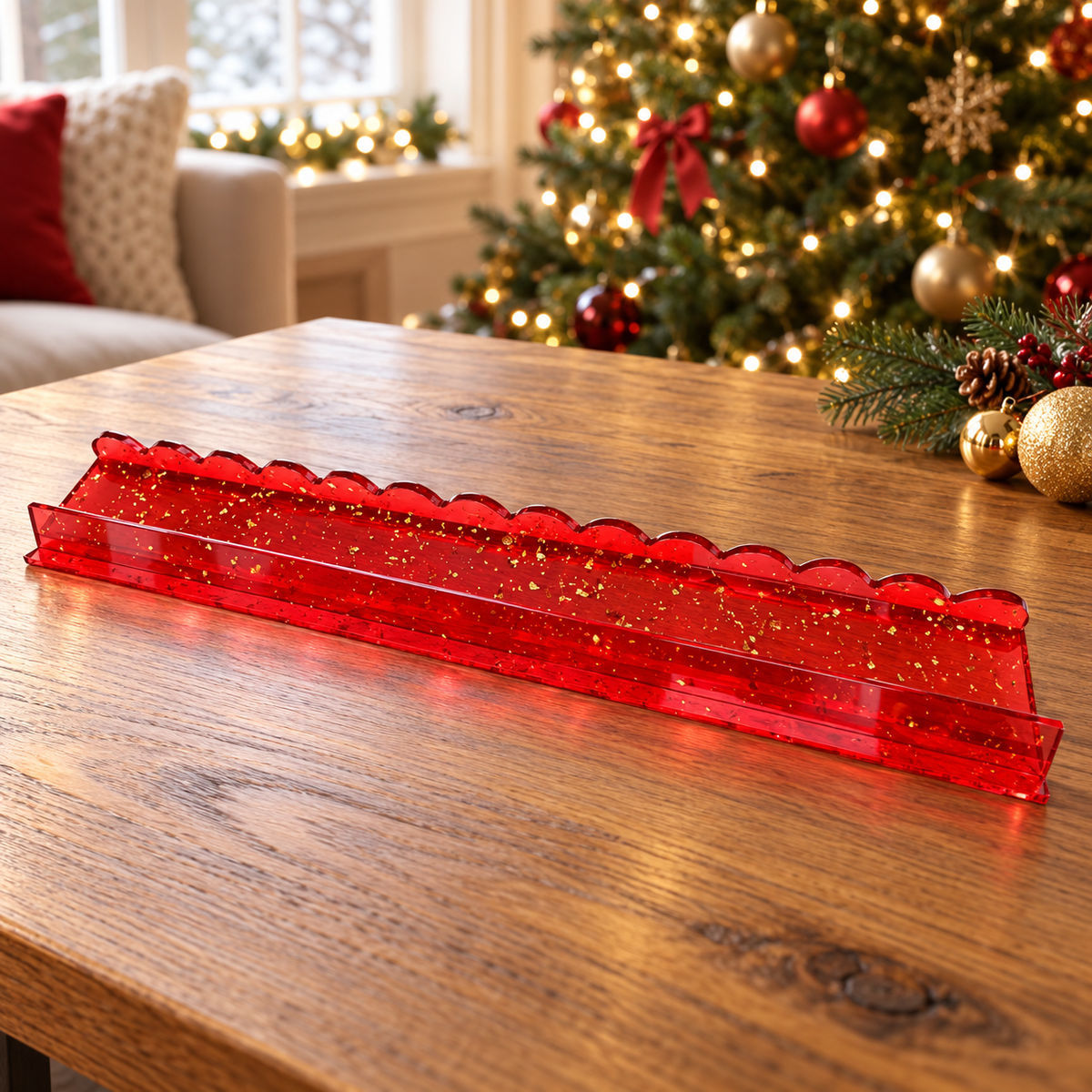
Green mahjong pushers are acrylic or wood tile-holders designed to keep your hand stable and readable during play. They slide beneath your tiles, tilting them toward you at an angle so you can see all your tiles without exposing them to opponents. A standard American mahjong set requires four pushers (one per player), though many sets are sold with extras for replacement or backup. Most pushers are 1.5–2 inches tall and roughly 10–12 inches wide to accommodate a full hand of 14 tiles. Material matters: acrylic pushers resist warping and staining, while wood offers traditional aesthetics. Green is the most popular choice among serious players because it's easy on the eyes during long sessions and pairs well with most table colors and tile sets. Pushers from Mahstead are manufactured with precision edges and come packaged to ship safely; sizing and material specifications are listed on each product page.
Why do green pushers outsell other colors?
Green reduces eye strain during multi-hour games and creates neutral contrast with both light and dark tile colors. It's the NMJL standard backdrop in tournaments and clubs. Players who own multiple sets find green matches everything—red, black, jade, or bamboo tiles all read clearly against it. If you're building your first serious setup or replacing worn pushers, green is the zero-risk choice that works with every future set you buy.
🀄 Shop mahjong racks with pushers →
What's the difference between acrylic and wood pushers?
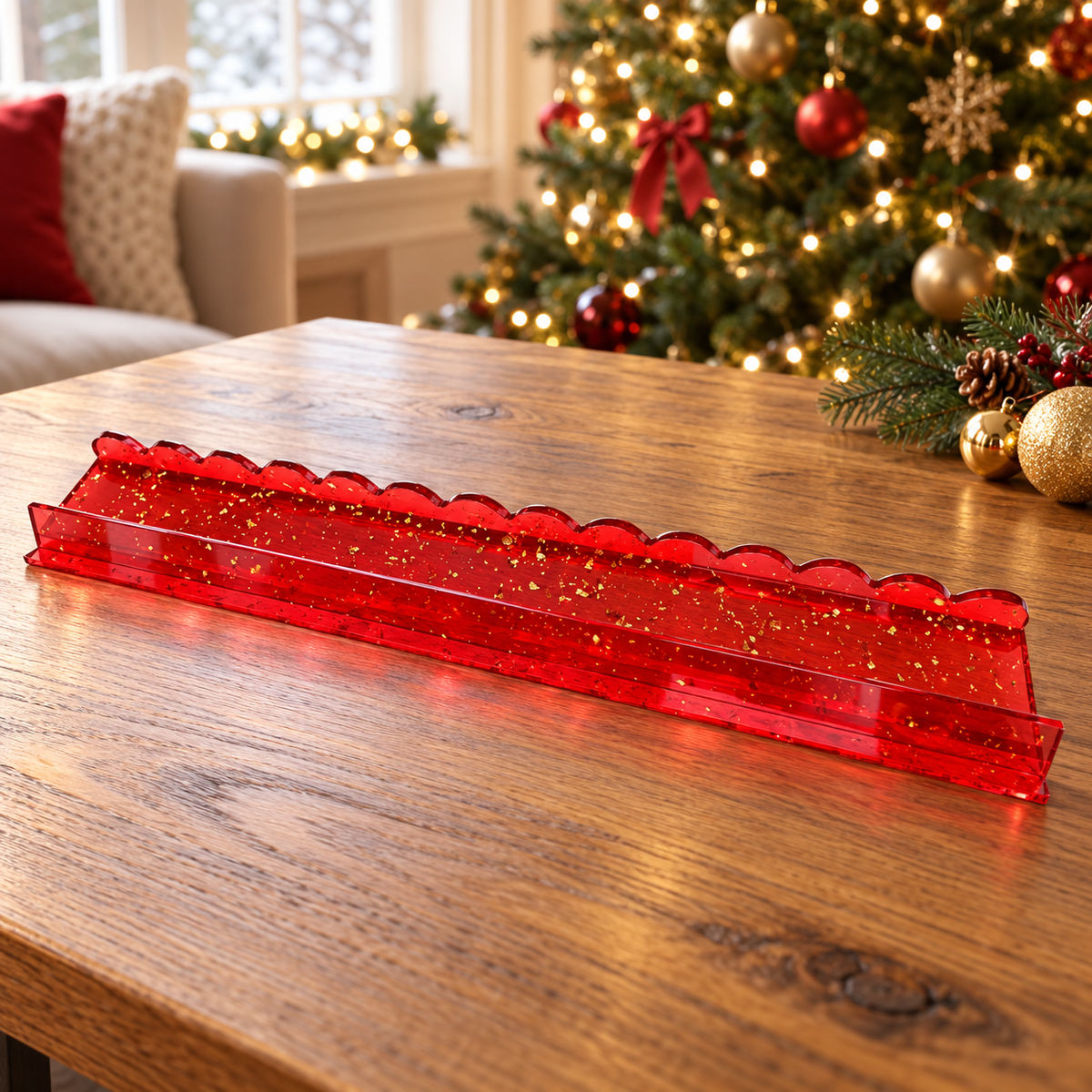
Acrylic pushers are lightweight, resist moisture and staining, and maintain their shape year after year even in humid climates. They ship safely and are easier to engrave with custom designs or initials. Wood pushers feel premium and traditional but require occasional oiling to prevent warping; they're heavier (useful if your table is sloped) and absorb moisture if stored improperly. For weekly home games, acrylic is the practical choice. For collectors or players who value heirloom aesthetics, wood justifies the extra care.
How do you measure a pusher to fit your tile set?
Measure the width of your tile stack when 14 tiles stand side by side. Most American mahjong tiles are roughly 0.75 inches wide, so 14 tiles = about 10.5 inches. Standard pushers are 10–12 inches wide with 1–2 inches of height—enough to tilt tiles toward you without sliding off. If you play with oversized tiles (some vintage or custom sets do), measure before ordering. Check the product page dimensions against your tiles; Mahstead lists exact measurements for each style. A pusher that's too narrow won't support your full hand; one that's too tall may hit the mat or interfere with your tile rack.
What table setups pair best with green pushers?
Table setup | Tile color | Green fit | Why it works |
Felt or fabric mat | Red, jade, or white | Excellent | High contrast; green calms the eye |
Wooden table | Any | Very good | Green frames tiles without clash |
Glass or light surface | Black or dark tiles | Good | Green prevents glare reflection |
Tournament setup | Any | Perfect | Tournament standard; matches club gear |
Casual home game | Mixed colors | Good | Works with anything; low cognitive load |
Green adapts to every table. It's boring in the best way—it never competes for attention, so you focus on your hand, not your surroundings.
🎁 See our most-loved mahjong sets & accessories →
How do pushers fit into the broader rack system?
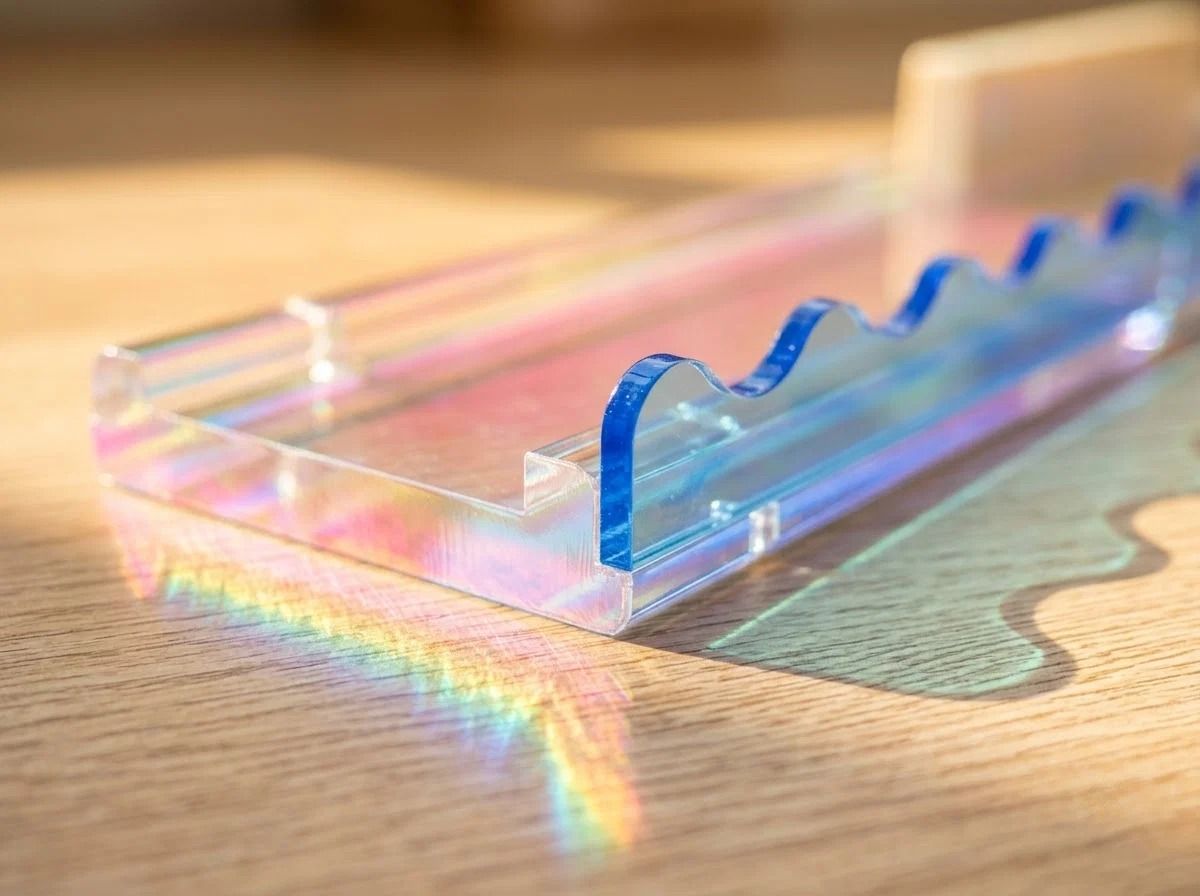
Pushers alone hold tiles at a readable angle, but mahjong racks with pushers add a rigid frame that keeps your tiles organized by suit and number. A full rack system includes a wooden or acrylic base, vertical dividers, and integrated green pushers. This setup is faster for newer players and cleaner for tournament play. If you already have a simple mat and tile set, adding standalone green pushers is an affordable upgrade. If you're starting fresh or hosting regular games, a rack bundle saves money and eliminates fumbling—pushers are pre-installed and tested. Standalone pushers are best for players who prefer minimal gear or already own racks from a previous set.
What common mistakes do buyers make when ordering pushers?
Not checking your tile size: Some players assume all tiles are standard width. Vintage or hand-carved sets may vary; measure before ordering. Ordering one set of four pushers for two sets of tiles: If you host games or own multiple tile sets, buy extras now—green is timeless, and spares always find use. Assuming all green is the same: Acrylic and wood green look slightly different under light; decide which material fits your aesthetic before checkout. Forgetting shipping time: Mahstead ships free across the US, so plan ahead if you have a game coming up—don't order the day before. Mixing old and new pushers: If one breaks, replacing just that pusher can look mismatched if you're buying years later and the dye lot shifts slightly. Buy a full replacement set of four if aesthetics matter to you.
What to check before you buy green mahjong pushers
Material: Choose acrylic for durability and low maintenance, or wood for heirloom feel and weight. Size: Measure your tiles (width and height) against the listed pusher dimensions—a mismatch ruins the game. Quantity: Buy at least four (one per player); if you own multiple sets or host regularly, buy eight. Engraving options: If you want your name, club, or year engraved, check the product page for fonts and placement; lead times vary. Compatibility: Pushers work with any American mahjong set; non-American variants (Chinese, Riichi, Hong Kong) use different tile sizes, so verify before ordering. Packaging: Mahstead ships pushers wrapped to prevent chipping; open the package immediately upon delivery and inspect for damage. Return policy: Check the store's policy before checkout in case your tiles don't fit as expected.
Explore the full range of racks and pusher styles to find the setup that matches your game.
✨ Find your Mahstead set — free US shipping →
FAQ
Can I use pushers from one set with tiles from another?
Yes, if your tiles are standard American size (roughly 0.75 inches wide). Measure first. Vintage or artisan tiles may differ, so always verify dimensions match your pushers before play.
Do green pushers need maintenance?
Acrylic pushers need only a gentle wipe with a damp cloth and dry immediately. Wood pushers benefit from occasional light oiling (linseed or mineral oil) to prevent warping, especially in humid climates. Store both in a cool, dry place.
Are green pushers suitable for tournament play?
Yes. Green is the NMJL tournament standard. If you're preparing for club or sanctioned play, green pushers are the expected choice and will match the venue's setup.
What if my tiles are too small or too large for standard pushers?
Measure your full 14-tile width first. If it's under 10 inches or over 12 inches, contact Mahstead with your dimensions; custom sizing may be available or they can recommend the best fit.
Can I engrave my name on a pusher?
Yes. Many Mahstead pushers offer engraving options—check the product page for available fonts, character limits, and placement. Engraving typically adds a short lead time; order early if you need it before a specific game.
Do pushers work with non-American mahjong variants?
American pushers are sized for American tiles. Chinese, Riichi, Hong Kong, and Taiwanese mahjong use different tile dimensions, so those variants need variant-specific pushers. Verify your game type before ordering.


View More
View More
View More
